
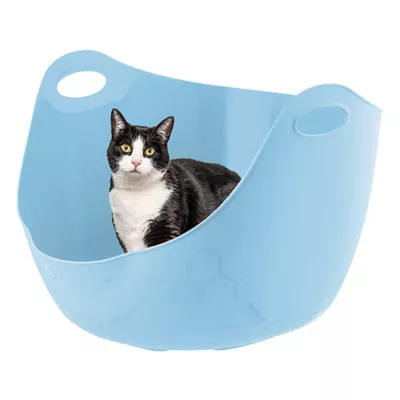
A smelly, messy litter box is one of the most common reasons cats avoid the box altogether, and it's also a daily source of frustration for owners. The right PetSmart litter box can cut scooping time, contain scatter, reduce household odors, and give your cat a space they actually want to use. Today's PetSmart lineup spans budget open pans, covered boxes with carbon filtration, and higher-end automatic models with app alerts, so there is no single correct answer for every home.
This guide breaks down the litter box types PetSmart carries, the features that matter most, and the top picks across price points. You can browse the latest options directly on PetSmart's official litter box category, but if you want a practical, behavior-first approach to choosing the right one, this review will help you avoid wasting money on a box your cat rejects. You can also read our guide on covered litter boxes for cats.
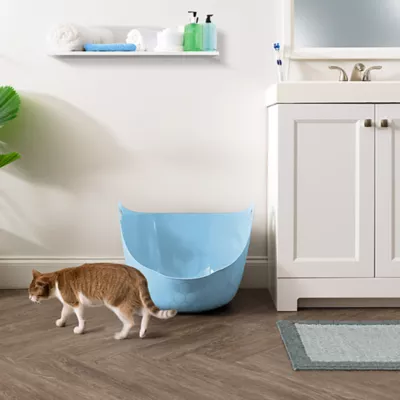
Credit: www.petsmart.com
PetSmart carries open, covered, and self-cleaning litter boxes in multiple sizes and price tiers.
Litter Box Types Available at PetSmart
The three core categories each solve a different problem. Match the style to your cat's comfort level and your cleaning tolerance before comparing individual models.
Open-Top Litter Boxes
Open-top boxes are the safest starting point for most cats, especially kittens, senior cats, and anxious or newly adopted pets. They have no hood, no doorway, and no dark interior, so a skittish cat is less likely to feel trapped while eliminating. In practice, many cats refuse covered boxes because they want a clear escape route, and an open pan removes that variable entirely. You can also read our guide on how to introduce my cat to a new kitten.
The trade-off is odor control and scatter. PetSmart's open-top options usually have 12 to 16 inch walls, which helps contain litter kicked by enthusiastic diggers, but they still let ammonia smells escape into the room. Place them in a ventilated area and pair them with a quality clumping litter. For households with large breeds, an extra-large open pan gives a Maine Coon or Ragdoll enough room to turn around without stepping in waste.
Covered Litter Boxes
Covered boxes add a privacy hood and do a much better job of keeping odors contained, which makes them popular in apartments and small spaces. Many PetSmart covered models include replaceable carbon filters that absorb ammonia over several weeks, and the enclosed design reduces litter tracking outside the tray. You can also read our guide on automatic cat litter box amazon.
The downside is acceptance. A dark, confined box can repel cats that feel vulnerable, and a hooded entrance is easier for a dominant cat to ambush in a multi-cat household. If you choose a covered box, look for a wide, low entry and a removable hood for easy cleaning. Also keep in mind that a hood does not mean less maintenance; urine can still pool in corners and require daily scooping.
Self-Cleaning Automatic Litter Boxes
Self-cleaning models are the convenience tier. After the cat exits, a rake, rotating drum, or sifting system moves waste into a sealed compartment or disposable liner. Owners then empty a waste drawer every week or two instead of scooping daily. PetSmart's current automatic options include motion detection, safety stop features, and some app-connected models that track usage and alert you when the tray is full. You can also read our guide on best self cleaning cat litter boxes.
These units need an electrical outlet, have a higher upfront cost, and produce motor noise during cycles. A common mistake is placing a self-cleaning box in a busy hallway where the sound startles a timid cat. Position it in a quiet corner and run a cleaning cycle manually a few times before letting your cat use it, so the movement becomes familiar. If you're weighing automatic scooping options, our breakdown of self-cleaning litter box features covers what to check before buying.
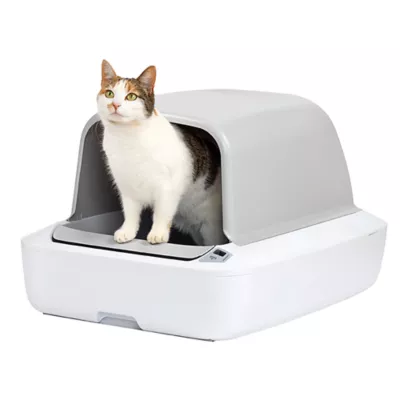
Open-top pans with high walls contain scatter while keeping the entrance easy for cats of all ages.
Key Features to Prioritize When Shopping
A litter box is not just a plastic tray. Four or five details determine whether your cat uses it consistently and whether you resent cleaning it. You can also read our guide on open top cat litter box.
Size & Space
A litter box should be at least one and a half times the length of your cat from nose to base of tail. That gives them room to enter, turn, dig, and assume a comfortable elimination posture without touching the walls. Large breeds need models that are 20 inches or longer. Before buying a covered or tall-sided box, measure the spot where it will sit, including overhead shelves or cabinets, because covered models can be 14 to 18 inches high.
For cats that spray high or dig aggressively, a tray-style litter pan with deep walls and a removable inner tray can reduce mess and make full litter changes easier. You can also read our guide on best automatic cat feeders for arthritic cats low entry.
Material & Durability
Most PetSmart litter boxes are made from BPA-free polypropylene, but wall thickness varies. Cheaper pans can flex or crack if dropped, especially under a heavier cat. Mid-range and premium models use thicker plastic and smoother, non-porous finishes that resist staining and odor absorption. Run your hand along the interior edges if you can; rough seams or sharp mold lines are harder to sanitize and can irritate paws.
Ease of Cleaning
The more difficult a box is to disassemble, the less often it gets deep cleaned. Look for removable hoods, lift-out trays, and smooth curved interiors without tight crevices where damp litter clumps. Some open models have sifting trays that separate waste without a scoop. Covered boxes with complicated latches or tight hood clips often become a source of bacteria simply because owners dread taking them apart. You can also read our guide on wet cat food recommended by vets.
Odor Control
No box eliminates odor on its own. Litter choice, scooping frequency, and ventilation matter most. Covered boxes with carbon filters help absorb ammonia, and premium automatic models seal waste away from the air. For open pans, use a clumping litter with good odor control and remove clumps at least once a day. If you place the box in a small bathroom or laundry room, a furniture-style litter box enclosure can hide the pan and provide an extra buffer against smell while giving your cat a semi-private entrance.
Special Needs Compatibility
Senior cats and kittens have different physical limits. A low entry threshold, around 2 to 3 inches, is easier for arthritic cats than a tall step-over wall. Kittens should generally start with an open box because covered hoods can feel intimidating during training. If your cat is urinating outside the box, rule out a medical issue before switching products; many urinary problems improve with veterinary guidance, and in some cases a diet change matters more than the box itself. You can also read our guide on wet food for cats with liver disease.
Top Petsmart Litter Box Picks by Type
The picks below reflect common PetSmart in-store and online options, with an emphasis on usability, durability, and cat acceptance rather than gimmicks.
Best Open-Top Litter Boxes
Budget open pan for kittens and small cats
A basic open box with 12-inch sides and a smooth interior is the right first choice for a kitten or single cat under about 12 pounds. It is light enough to lift for frequent full changes, and the absence of a hood lets you monitor waste output easily. It is not ideal for large breeds or ruthless diggers, but it is inexpensive and easy to replace every year or two. You can also read our guide on best rated cat litter box.
Extra-large open pan for big cats
At roughly 22 inches long with 16-inch walls, this style gives a heavy or long-bodied cat room to dig without hanging over the edge. The higher walls contain most flying litter, and the thicker plastic resists cracking. It remains a basic pan, so odor control depends entirely on your litter and scooping routine.
Sifting open pan for faster maintenance
A removable sifting tray lets you lift waste out of clean litter in under a minute without a separate scoop. This design works best with clumping litter and is especially useful for owners who want to avoid bending over with a scoop. It typically fits cats up to about 15 pounds. You can also read our guide on best way to groom a long haired cat.
Best Covered Litter Boxes
Basic covered box with ventilation slots
This is a budget-friendly hooded box with a wide entry and ventilation cuts to reduce trapped ammonia. It is sufficient for a single cat in a small apartment, but the plastic latch on some versions feels flimsy. If you have multiple cats or a cat that bangs against the hood, check the clasp before buying.
Covered box with replaceable carbon filter
A mid-range hooded model with a carbon filter provides noticeably better odor control for three to four weeks per filter. The taller hood gives privacy without being claustrophobic, and the sturdier latch holds up better to frequent removal. This is the sweet spot for most single-cat households that want an enclosed box without spending over $50.
Premium covered self-cleaning unit
If you want a hooded design plus automation, a rotating drum model with a sealed waste drawer is the most practical covered pick at PetSmart. It detects the cat's weight or movement, cycles after the cat exits, and some versions connect to an app to flag usage changes. The higher entry may not suit very old cats, and the motor noise requires a quiet placement.
Best Self-Cleaning Litter Boxes
Entry-level automatic rake model
A motion-activated rake sweeps waste into a disposable tray, reducing daily scooping to changing a liner every week or so. This type is usually quieter than a rotating drum and costs less than app-connected units. It works best with clumping litter and is a reasonable first automatic box for a single cat.
Mid-range automatic with safety stop and app alerts
This tier adds a carbon filter, a larger waste drawer, and a safety sensor that pauses the rake if a cat enters mid-cycle. The app alerts you when the tray is full, which is helpful for multi-cat homes where waste accumulates faster.
High-capacity automatic for multi-cat households
A large rotating drum or sifting model with a sealed drawer reduces scooping almost entirely. App tracking can distinguish between cats by weight in some models, giving you an early warning if one cat stops using the box. It is a significant upfront investment, but it becomes easier to justify with two or three cats and a busy schedule.
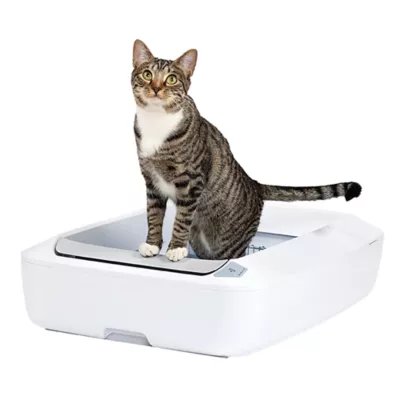
Automated models reduce daily scooping but need a quiet location and gradual introduction.
Price Breakdown and Value for Money
| Price Tier | Typical Range | Key Features | Best For |
|---|---|---|---|
| Budget | Under $25 | Open or basic covered pan, high walls, simple tray | Kittens, first-time owners, single-cat homes |
| Mid-Range | $25–$100 | Carbon filters, extra-large sizes, sifting trays, sturdier plastic | Multi-cat homes, large breeds, odor-sensitive owners |
| Premium | $100–$550 | Self-cleaning cycles, sensors, sealed waste drawers, app alerts | Busy owners, multiple cats, mobility-limited people |
For most single-cat households, a mid-range covered box with a carbon filter offers the best balance of odor control, durability, and price. A premium automatic is worth considering if you have two or more cats, struggle to scoop daily, or want long-term usage tracking that can reveal early signs of urinary issues.
How to Set Up, Transition, and Maintain a New Litter Box
Even the best box will fail if you introduce it abruptly. Cats are creatures of habit, and a sudden switch can trigger avoidance.
- Place the new box before removing the old one. Set it up in the same general area, or in a quiet, low-traffic spot with an escape route. Fill it with the litter your cat already accepts.
- Let the cat investigate. Do not force your cat inside. Put a small amount of used litter from the old box into the new one to make it smell familiar.
- Run an automatic box empty first. For self-cleaning models, cycle it manually while your cat watches from a safe distance. Wait until your cat uses it calmly with the power off before turning on automatic cycles.
- Scoop at least once daily. For manual boxes, remove clumps every day and add fresh litter as needed. Empty and wash the entire box with mild unscented soap every two to four weeks.
- Replace the box when it degrades. Deep scratches, stubborn stains, or lingering odors after cleaning mean the plastic is holding bacteria. Most plastic pans need replacement every one to two years in a single-cat home.
If you are working with a newly adopted or formerly outdoor cat, the acclimation steps for litter-box training a stray apply just as much to choosing the right box as they do to training behavior.
Common Litter Box Mistakes That Cause Avoidance
Most litter box problems are environmental, not behavioral. Avoid these frequent mistakes:
- Too few boxes. Use one box per cat plus one extra. This is a long-standing veterinary recommendation, and the American Association of Feline Practitioners lays out the reasoning in their official litter box guidelines.
- Hiding the box in a noisy spot. Washing machines, furnace vents, or busy hallways can make a cat too nervous to eliminate.
- Switching litter and box at the same time. Change one variable at a time. If you buy a new box, keep the old litter for at least a week or two.
- Using a covered box for a cat that prefers open sightlines. If your cat frequently hesitates at the entrance, remove the hood and see if acceptance improves.
- Ignoring the first signs of avoidance. Urinating just outside the box, straining, or vocalizing can signal a urinary tract issue. Seek veterinary advice before blaming the product.
For cats that insist on eliminating in one inappropriate spot, a targeted training deterrent spray can help redirect them while you address the root cause.
Frequently Asked Questions
What type of Petsmart litter box is best for a first-time cat owner?
Start with an open-top pan with moderate walls. It is affordable, easy to clean, and removes the variables of a hood or motor. An open box also makes it easier to see how often your cat urinates and defecates, which is useful during the first few months of ownership.
Are Petsmart litter boxes suitable for large cat breeds?
Yes, but choose an extra-large model with at least 20 inches of interior length and 14 inches or more of wall height. A heavy cat needs enough floor space to turn around without standing in waste. Check the weight rating and wall thickness, especially if your cat weighs over 15 pounds.
Do Petsmart self-cleaning litter boxes work with all types of litter?
No. Most automatic rakes and rotating drums require clumping clay or clumping silica litter. Non-clumping, lightweight plant-based, or large-particle litters can jam the mechanism or fall through the sifter. Always read the manufacturer's litter compatibility note before filling an automatic box, because using the wrong litter can void the warranty.
How often should I replace my Petsmart litter box?
With daily scooping and a full wash every two to four weeks, most plastic boxes last one to two years. Replace the box sooner if you see deep scratches that trap waste, cracks, or yellow staining that doesn't come clean. A worn box holds odor and bacteria, which can make your cat look for another place to go.
Can I use Petsmart litter boxes for kittens?
Yes, but stick with an open-top model until the kitten is reliably using the box. A hooded interior can be dark and intimidating for a small, newly trained kitten. Once the kitten is confident, you can introduce a covered box gradually by leaving the hood off at first.
Do Petsmart litter boxes come with warranties?
PetSmart's in-house boxes typically include a limited one-year warranty against manufacturing defects. Third-party brands like PetSafe and Litter-Robot often come with longer warranties, and extended protection plans are offered at checkout on many premium models. Keep your receipt or online order confirmation in case you need to file a claim.
Conclusion
The best PetSmart litter box is the one your cat will use consistently, not the one with the most features. Open-top pans are the safest choice for kittens, anxious cats, and multi-cat homes where access and escape matter. Covered boxes earn their place in small apartments and odor-sensitive households, while self-cleaning models pay off when your schedule or physical mobility makes daily scooping difficult.
Before buying, observe your cat's current habits. A cat that kicks litter everywhere may do better with a high-walled or covered pan, while a cat that hesitates at enclosed spaces should stay with an open design. Measure your space, check litter compatibility for automatic models, and give any new box a calm, gradual introduction. If you are still unsure, a standard open-top box with a smooth interior and a good clumping litter is almost never a wasted purchase. For more targeted help, see our guides on basic litter-box training, roll-and-clean pan designs, and toilet-training alternatives to build a setup that actually works for your household.