
Living with a cat brings joy, but it also comes with challenges—especially when your feline friend begins soiling furniture, scratching door frames, or marking territory indoors. The good news is that with the right training deterrents and a consistent approach, you can reclaim a clean, odor-free home while keeping your cat happy and stress-free. This guide explores the most effective solutions, from sprays and mats to pheromone-based aids, and shows you how to build a humane training routine that works.
Understanding Why Cats Mark, Scratch, and Soil
Before you reach for a deterrent, it’s essential to understand the root cause of the behavior. According to the ASPCA’s breakdown of common feline behavior issues, triggers include stress, territorial instincts, medical problems, or an improper litter box setup. Urine marking, for instance, is often a communication tool, not a sign of spite. Scratching, meanwhile, is a natural way for cats to stretch, sharpen claws, and leave visual and scent marks.
When you address the underlying cause—whether it’s adding more litter boxes, reducing stress, or providing appropriate scratching posts—you’ll make any deterrent far more effective. A comprehensive training approach always starts with analyzing the environment and your cat’s daily routine.
Types of Cat Training Deterrents
Modern cat deterrents are designed to be safe, humane, and easy to use. They fall into a few broad categories, each suited to different situations.
Repellent Sprays
Sprays are the most common deterrent. They typically rely on scents that cats find unpleasant—citrus, rosemary, cinnamon, or bittering agents—applied to surfaces you want to protect. Many newer formulas are non-toxic, water-based, and won’t stain fabrics. In practice, you’ll need to reapply daily for the first week, then taper off as your cat learns to avoid the area.
Enzyme-Based Cleaners
For urine stains and lingering odors, enzyme cleaners are a must. They break down the proteins in urine, feces, and vomit, eliminating the smell at the molecular level. This is crucial because even after you can’t smell it, a cat’s sensitive nose can detect residual odors and may be drawn back to the same spot. Using an enzyme cleaner alongside a deterrent spray prevents remarking.
Pheromone-Based Sprays
These mimic the natural feline facial pheromones that signal a safe, familiar territory. They are particularly useful for stress-related marking or scratching. Unlike repellents, they don’t push cats away—they make them feel secure, reducing the urge to mark. They are often used in combination with other deterrents.
Scat Mats and Physical Barriers
Scat mats (also called spike mats) have soft, flexible plastic spikes that make a surface uncomfortable to walk on without causing pain. They are ideal for keeping cats off countertops, furniture, or garden beds. A 12-pack of mats can cover a large area, and they’re reusable year after year. When combined with a spray, they reinforce the message that certain zones are off-limits.
How to Choose the Right Deterrent for Your Cat
Not every solution works for every cat. Here’s what to consider:
- Behavior type: Urine marking often responds best to enzyme cleaners plus a pheromone spray. Furniture scratching may need a repellent spray and a nearby scratching post. Counter surfing might require a scat mat.
- Indoor vs. outdoor: Some sprays are labeled for both; others are indoor-only. Outdoor deterrents must withstand rain and sunlight.
- Safety: Always check that the ingredients are non-toxic and safe for pets, children, and the surfaces you’re treating. Natural ingredients like essential oils are common, but some cats can be sensitive—test a small area first.
- Consistency: Deterrents work best when used consistently. If you’re away often, an automatic or long-lasting option (like a mat) might be more practical.
For cats that resist sprays, combining a reward-based training strategy with a deterrent often yields faster results. Treats can reinforce the alternative behavior you want, like using a scratching post or litter box.
Step-by-Step Training Plan for a Cleaner Home
Here’s a practical, week-by-week approach you can adapt to your situation.
Week 1: Clean and Assess
- Deep-clean all soiled areas with an enzyme-based cleaner. Thoroughly remove old odors.
- Set up additional litter boxes in quiet spots. A good rule of thumb: one box per cat, plus one extra. For multi-cat households, a spacious and well-maintained setup reduces territorial stress.
- Identify the specific behaviors you want to deter (marking on the couch, scratching the doorframe, etc.).
Week 2: Introduce Deterrents
- Apply a repellent spray to the target areas. Follow the manufacturer’s instructions; most require daily application for the first week.
- If using a pheromone spray, apply it to areas where you want your cat to feel calm, not necessarily the same spot as the repellent.
- Place scat mats on counters or furniture you want to keep cat-free.
Week 3: Reinforce and Redirect
- Begin using a clicker training session to encourage scratching on a post or using the litter box. Reward immediately with a treat.
- If you catch your cat in the act, gently redirect them to an appropriate spot without punishment. Never yell or spray them with water—it can increase anxiety.
- Gradually reduce the frequency of repellent application as the cat avoids the area.
Week 4: Maintain and Monitor
- Continue spot-cleaning with enzyme cleaner as needed.
- Keep the litter box clean. Using a deodorizing product can help maintain a fresh environment.
- If your cat still struggles, consult your veterinarian. Medical issues like urinary tract infections can cause inappropriate elimination.
Top Deterrent Products for Messy Cats
While the training plan is the backbone, the right products make the process easier. Below are highly rated options that cat owners have found effective. Each product is detailed with its key features, pros, and cons.
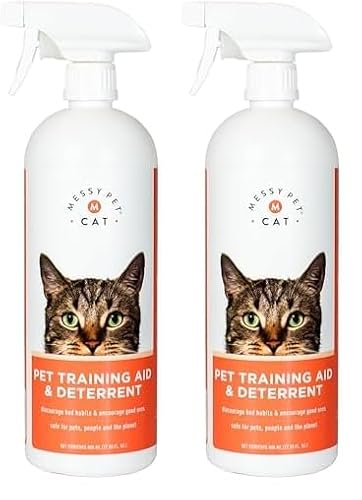
Messy Pet Cat Training Aid & Deterrent Spray (2-Pack)

A two-pack of gentle training spray with a 27.05 fl oz bottle each.
This non-toxic spray from Scott’s Liquid Gold uses a mild scent cats dislike to discourage unwanted behaviors like furniture scratching or counter jumping. The two-pack offers great value for continuous use. It’s safe for most surfaces and easy to apply. Consistent application is key; some cats may need a few days to respond.
Messy Pet Cat Stain & Odor Remover

A 27oz enzyme spray that breaks down urine and organic stains at the source.
This enzyme-powered formula targets the proteins in cat urine and other messes, permanently removing odors rather than masking them. It’s safe for carpets, upholstery, and litter boxes. For stubborn old stains, you may need to apply, let sit, and blot multiple times. Because it eliminates the odor, it helps prevent remarking.
Nature’s Miracle Advanced Platinum Cat Pet Block Repellent Spray

An 8-ounce indoor repellent spray designed to keep cats away from furniture and doorways.
This spray uses a scent that cats naturally avoid, making it a reliable indoor training aid. It’s non-toxic and comes in a compact bottle. Reapplication may be needed for persistent cats, but it’s an excellent addition to a multi-product strategy.
NaturVet Pet Organics No Mark Cat Spray

A 16 oz pheromone-based spray for indoor and outdoor use to deter urine marking.
Instead of repelling, this spray uses simulated pheromones to signal that the area is already marked, reducing the cat’s urge to mark again. It’s safe for use around children and other pets and won’t leave stains. It works best when applied consistently and combined with a cleaner.
Cat Deterrent Spray 200ML (MUOCOBU)

A 200ml bottle of natural, no-trace formula suitable for gardens and furniture.
This spray uses natural ingredients and leaves no residue, making it ideal for protecting garden plants and outdoor furniture. It’s safe for pets and children, but outdoor applications will need reapplication after rain.
SINROBO Cat Deterrent Spray

A safe, non-staining spray for indoor and outdoor anti-marking training.
This spray’s clear, non-staining formula is safe for fabrics and furniture. It effectively deters both urine marking and scratching. The scent may be noticeable initially but dissipates quickly. It’s a good budget-friendly option.
PET YOUR PET No Pee No Poop Cat Potty Training Spray

A 16 fl oz non-toxic spray that discourages marking and inappropriate elimination.
Its non-toxic, natural formula is safe for carpets, furniture, and gardens. It helps train cats to avoid specific areas and is easy to apply. Frequent reapplication may be needed in heavily marked spots.
Nature’s Mace Cat Mace
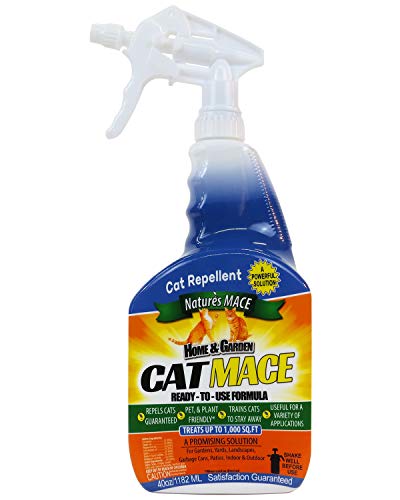
A large 40 oz spray bottle designed to keep cats out of yards and gardens.
This outdoor-focused repellent uses a powerful scent to deter cats from flower beds, patios, and lawns. It’s non-toxic and safe for plants. Regular reapplication is needed, but the large bottle covers a wide area.
SINROBO Cat Deterrent Spray (Variation)
Another trusted SINROBO option for comprehensive anti-scratch and marking training.
This variant from the same manufacturer offers a similar safe, clear formula. It’s a versatile training aid that can be used on furniture, carpets, and outdoor areas.
Petfolio 12 Pack Scat Mat for Cats

A 12-pack of clear plastic spike mats to deter cats from protected areas.
These mats are a humane physical barrier. The 1-inch spikes are uncomfortable but not harmful. They can be cut to size and placed on counters, garden beds, or furniture. The clear design blends in, and they’re easy to clean. A 12-pack provides extensive coverage.
Safety and Non-Toxic Considerations
When choosing deterrents, always read the label. The products listed here are non-toxic, but it’s wise to test a small hidden area first to ensure no staining or adverse reaction. If your cat has a history of respiratory issues, avoid strong fragrances and opt for pheromone-based or enzyme-only solutions. For outdoor use, select sprays that are biodegradable and safe for wildlife. You can refer to the ASPCA’s website for a list of safe and toxic plants if you’re considering natural deterrents.
Frequently Asked Questions
How long does it take for a cat deterrent to work?
Most cats begin to avoid treated areas within a few days of consistent application. However, complete behavioral change may take two to four weeks. Using the deterrent alongside positive reinforcement accelerates the process.
Can I use a deterrent spray and a pheromone spray together?
Yes. In fact, combining a repellent (to keep the cat away from a specific spot) with a pheromone spray (to calm overall anxiety) is a highly effective strategy. Just apply them to different areas—repellent on the unwanted spot, pheromone on the cat’s bedding or near the litter box.
Will a cat deterrent harm my furniture or flooring?
Most modern sprays are water-based and won’t stain. However, always test a small inconspicuous area first. Enzyme cleaners are generally safe for carpets and upholstery, but avoid over-saturating delicate fabrics.
My cat keeps returning to the same spot despite using a deterrent. What should I do?
First, ensure you’ve thoroughly cleaned the area with an enzyme cleaner. Residual odors can draw the cat back. Next, reevaluate the deterrent—maybe switch to a different type (e.g., from repellent spray to a scat mat). Finally, consider consulting a veterinarian to rule out medical issues.
Are scat mats safe for cats?
Yes, when used correctly. The spikes are designed to be uncomfortable, not painful. They are a humane way to deter cats from surfaces. However, never leave a cat alone with a mat if they show signs of distress, and always provide an alternative comfortable spot.
How often should I reapply deterrent sprays outdoors?
Outdoor sprays degrade faster due to sun, rain, and wind. Reapply every few days, or after significant weather. A long-lasting formula like Nature’s Mace can go a bit longer, but consistent reapplication is key for the first few weeks.
Conclusion
A messy cat doesn’t mean a messy home forever. By understanding the reasons behind your cat’s behavior, choosing the right combination of deterrents, and following a patient training plan, you can maintain a clean, fresh living space. Products like enzyme cleaners, repellent sprays, pheromone aids, and scat mats provide the tools you need, but the real secret is consistency and kindness. With time, your cat will learn the boundaries, and you’ll both enjoy a more harmonious home. If you’re ready to start, pick up a gentle training spray and a high-quality enzyme cleaner, and begin the journey toward a cleaner, calmer environment today.