
If you’ve ever stepped in a litter clump outside the box, wrestled with a stuck covered lid during a clean, or noticed your cat avoiding their bathroom entirely, you’re not alone. Covered litter boxes are a popular pick for their supposed odor containment, but they often create more problems than they solve: trapped ammonia fumes that deter cats, hard-to-reach corners that harbor bacteria, and lids that catch litter as cats exit, spreading mess across your floors.
Open top cat litter boxes eliminate these pain points by combining straightforward design with feline-focused functionality. They prioritize your cat’s natural instincts, simplify your cleaning routine, and support better long-term hygiene for both your pet and your home. In this guide, we’ll break down the proven benefits of open top designs, how to pick the right model for your space, step-by-step maintenance routines to keep odors and bacteria at bay, troubleshooting for common issues, and how they stack up against covered and automatic alternatives. We’ll also cover sustainable practices to reduce your pet care footprint, plus answers to the most common questions from new and experienced cat owners alike. You can also read our guide on spray bottle for cat training.

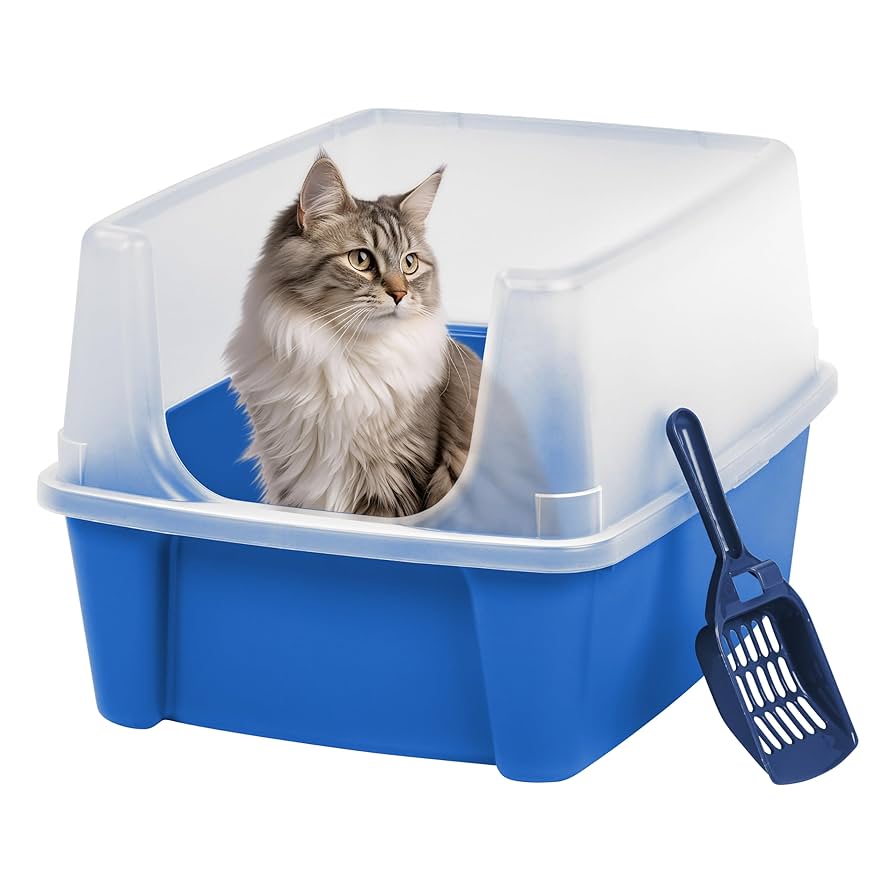
Caption: A basic open top plastic litter box, the most common and affordable option for most cat owners.
Image source: www.amazon.com
Why Open Top Litter Boxes Are A Hygiene Upgrade
The design of an open top litter box directly addresses the core hygiene flaws of covered models, making it a smarter choice for most households.
First, unrestricted airflow is a game-changer for odor and bacterial control. Covered boxes trap moisture and ammonia from urine near the litter surface, creating a damp, pungent environment that encourages mold and harmful bacteria growth. Open top boxes allow constant air circulation, which dries out clumps faster, reduces ammonia concentration, and eliminates the stale, trapped odor that makes many cats avoid their box entirely. Cats have a sense of smell 14 times stronger than humans, per University of Minnesota Extension research, so even minor odor buildup that you might not notice can be off-putting to your pet. You can also read our guide on flea and tick collar cat.
Second, open top designs eliminate the barrier of a weighted lid or small entryway, which is critical for kittens, senior cats, and cats with arthritis or mobility issues. A common mistake owners make is buying a covered box for “privacy” without considering that cats with joint pain may struggle to jump through a small opening, leading to accidents outside the box. Open top boxes let cats enter and exit freely, reducing stress and the risk of injury.
Finally, open top designs make cleaning far more efficient, which is the single most important factor in preventing hygiene hazards. Without a lid to maneuver around, you can scoop clumps, scrub the interior, and refill litter in a fraction of the time. Failing to scoop daily increases the risk of bacterial growth and zoonotic pathogens like Toxoplasma gondii, a parasite that can cause toxoplasmosis in humans, a particular risk for pregnant people and those with compromised immune systems per CDC guidelines. Open top boxes also let you spot hidden accidents, stuck clumps, or messes immediately, so you can address them before they become a health risk for your cat or family. You can also read our guide on tractor supply flea and tick for cats.
How To Choose The Right Open Top Litter Box For Your Home
Not all open top litter boxes are created equal, and picking the right model for your cat’s size, age, and habits will make all the difference in performance and ease of use.
Start with size: the golden rule for litter box sizing is that the box should be at least 1.5 times the length of your cat from nose to tail base, so they can turn around, dig, and cover waste without feeling cramped. For large breeds like Maine Coons or Ragdolls, look for boxes that are at least 22 inches long and 16 inches wide. If you have a kitten, start with a smaller box and upgrade as they grow to avoid overwhelming them. You can also read our guide on can you train cats like dogs.
Next, consider side wall height. Low-sided boxes (3-4 inches tall) are ideal for kittens, senior cats, and cats with limited mobility, but they do allow more litter scatter. High-sided boxes (10-12 inches tall) are better for cats that kick litter aggressively, as the walls contain most scatter while still maintaining full open top access. Some models feature a partial lower entry on one side, which balances scatter containment with easy access for mobility-impaired cats.
Material matters too: most open top boxes are made of BPA-free plastic, which is durable, lightweight, and easy to sanitize. Avoid boxes with rough, porous surfaces that can trap odor and bacteria, and look for models with non-stick coatings that make scrubbing clumps off the sides far easier. For households with young children, look for boxes with weighted bases that won’t tip over if a child pulls on them.
Finally, think about placement before you buy: avoid high-traffic areas, noisy appliances (like washing machines), and spaces near your cat’s food and water bowls, as cats prefer to eliminate in a quiet, separate area. If you have limited space, a corner-fitting open top box can save floor space while still giving your cat a sense of security. For a full breakdown of litter box features to prioritize, check out our full litter box selection guide.

Caption: High-walled open top designs balance easy access with minimized litter tracking.
Image source: www.amazon.com
Step-By-Step Maintenance Routine For Peak Hygiene
Consistent maintenance is the key to keeping your open top litter box hygienic, odor-free, and appealing to your cat. Follow this routine to minimize mess and health risks:
Daily Scooping
Scoop waste at least once every 24 hours, ideally twice daily if you have multiple cats or a cat that uses the box frequently. Use a sturdy metal or hard plastic scoop with a grated head to separate clumps from clean litter efficiently. When scooping, check for changes in your cat’s waste: blood, diarrhea, or frequent urination can be early signs of urinary tract infections or kidney issues, so note any abnormalities to share with your vet. A common mistake owners make is only scooping when they see visible waste, but urine clumps can hide under litter and release ammonia even when not visible.
Weekly Deep Cleaning
Every 7-10 days, completely empty the box, scrub the interior with warm water and a mild, unscented dish soap. Avoid harsh chemical cleaners like bleach or ammonia, which can leave toxic residues that irritate your cat’s paws and respiratory system. Rinse thoroughly to remove all soap residue, then dry the box completely with a clean towel before adding 2-3 inches of fresh litter. If your box has a non-stick coating, avoid abrasive scrubbers that can damage the surface over time.
Litter Top-Ups And Full Changes
Top up litter as needed to maintain the 2-3 inch depth recommended by veterinary behaviorists, as too little litter makes it hard for cats to cover waste, leading to mess and odor. For clumping litter, do a full litter change every 2-3 weeks; for non-clumping litter, change it weekly to prevent bacterial buildup. To further reduce odor, add a thin layer of scent-neutralizing additives under the top layer of litter, or use a litter formulated with activated charcoal or baking soda. Avoid heavily scented litters and air fresheners placed near the box, as strong fragrances can deter cats from using the box entirely.
Troubleshooting Common Open Top Litter Box Issues
Even with regular maintenance, you may run into occasional issues with your open top box. Here’s how to fix the most common problems:
Excessive Litter Tracking
Litter scatter is the most common complaint about open top boxes, but it’s easy to minimize with a few adjustments:
- Place a large, textured litter mat directly in front of the box to catch litter off your cat’s paws as they exit. Look for mats with a dual-layer design that traps litter in the bottom layer for easy disposal.
- If your cat is a heavy kicker, switch to a high-sided open top box, or add a removable litter shield to the back of the box to block scatter without restricting access.
- Opt for heavier, low-dust clay or silica gel litter, which is less likely to stick to paws than lightweight pine or paper litters.
- Trim your cat’s paw fur regularly (especially for long-haired breeds) and maintain regular coat maintenance routines to reduce the amount of loose fur and litter that gets tracked around your home.
Cat Avoiding The Box
If your cat is eliminating outside their open top box, start by ruling out medical issues: urinary tract infections, constipation, and arthritis can all make using the box painful, so schedule a vet checkup first. If your cat is healthy, the issue is likely environmental:
- Ensure the box is placed in a quiet, low-traffic area with at least two escape routes, so your cat doesn’t feel trapped.
- Clean the box more frequently: even a small amount of leftover waste can deter cats with sensitive noses.
- If you recently switched to an open top box from a covered one, give your cat time to adjust: most cats adapt within 3-7 days if the box is placed in the same location as their old one. For shy cats, you can use positive reinforcement training methods like treats and praise to reward them for using the new box.
Persistent Odor Buildup
If you’re still noticing strong odors after daily scooping and weekly deep cleans, check for these common issues:
- You may be using too little litter: 2-3 inches is the minimum depth to absorb urine effectively.
- Your litter may be past its prime: even clumping litter can lose its absorbency after 2-3 weeks, so stick to a strict full change schedule.
- If you live in a humid climate, place a small dehumidifier near the box area to reduce moisture in the air, which slows litter drying and amplifies odor.
Open Top Vs. Covered Litter Boxes: Which Is Right For You?
While open top boxes are the best pick for most households, there are niche cases where a covered box may be a better fit. Understanding the tradeoffs will help you make the right choice for your cat and your space.
When An Open Top Box Is The Better Choice
Open top boxes are the best pick for most households, especially if:
- You have a kitten, senior cat, or cat with arthritis or mobility issues that makes navigating a covered box difficult.
- You prioritize easy cleaning and quick waste monitoring to support your cat’s health.
- You have a multi-cat home: open top boxes eliminate the “trap” feeling that can cause territorial disputes over covered boxes, and make it easier to scoop multiple boxes quickly. For multi-pet household setups, open top designs also make it easier to monitor each cat’s usage to catch health issues early.
- You or a family member has respiratory sensitivities: covered boxes trap ammonia and dust, which can aggravate asthma or allergies, while open top boxes reduce fume concentration near the floor where children and pets breathe.
When A Covered Box May Be Preferable
Covered boxes can be a good fit for:
- Very shy cats that prefer complete privacy when eliminating, especially in high-traffic homes.
- Owners who prioritize minimal visual mess: the lid hides litter scatter and waste from view, which is ideal for open-plan living spaces.
- Homes with young children or curious dogs: the lid prevents kids from digging in the litter and stops dogs from eating cat waste.
If you prefer the privacy benefits of a covered box but hate the odor buildup, consider a covered box with a removable top that you can take off for cleaning, or pair it with a carbon filter to reduce trapped fumes.
Middle Ground And Low-Maintenance Options
If you can’t decide between the two, hybrid options are widely available: high-sided open top boxes with optional attachable lids, or covered boxes with large, open front entrances that balance privacy and accessibility. For owners who want the hygiene benefits of an open top box without the daily scooping work, low-effort waste removal systems like self-cleaning or robotic models are a popular 2026 upgrade, as they automatically scoop clumps after each use, reducing odor and bacterial growth with minimal effort. Pairing a consistent feeding schedule with scheduled wet food dispensers can also reduce litter box accidents by regulating your cat’s bathroom habits.
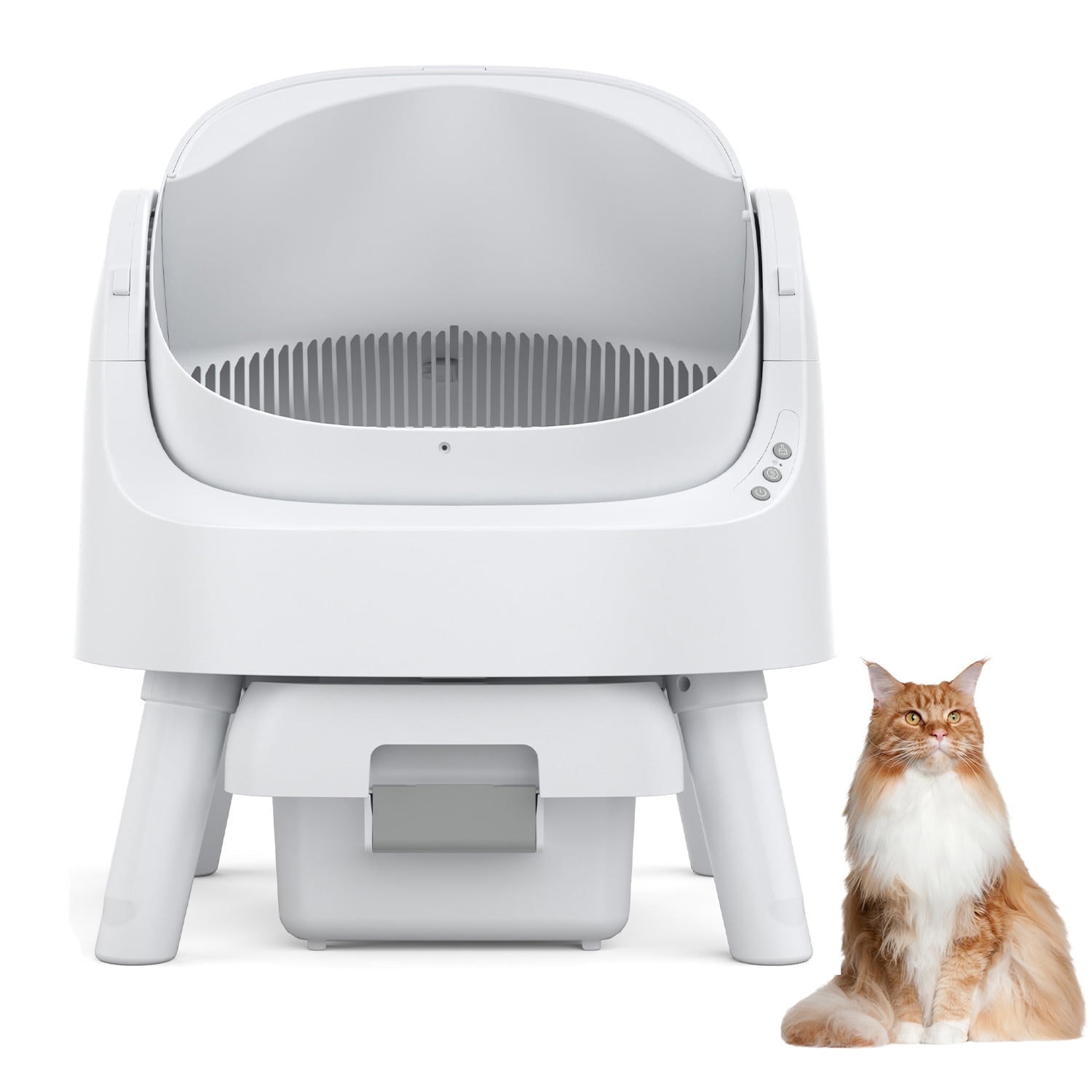
Caption: High-tech automatic open top litter boxes reduce daily scooping work for busy pet owners.
Image source: www.walmart.com
Sustainable Practices For Open Top Litter Box Ownership
Open top litter boxes are inherently more sustainable than covered models, as they use less plastic and require fewer harsh chemical cleaners to maintain. You can further reduce your pet care footprint with these simple practices:
Eco-Friendly Litter Choices
Traditional clay-based litter requires strip mining, a process that destroys habitats and uses large amounts of water. For a more sustainable option, choose litters made from renewable, biodegradable materials like corn or wheat, which clump well, control odor effectively, and break down in landfills within 6 months, unlike clay which can take thousands of years. Recycled paper or wood pulp litters are low-dust, low-tracking, and fully compostable for households with yard waste programs. Tofu litter, made from soy byproducts, is flushable in small amounts (check local plumbing regulations first) and has excellent odor control. Avoid litters with added synthetic fragrances, as these contain chemicals that can harm aquatic life if flushed or disposed of in landfills.
Reducing Waste And Consumption
To extend the life of your litter and reduce waste:
- Stick to a strict scooping schedule to remove waste before it saturates clean litter, which reduces how often you need to do a full litter change.
- Use a reusable metal or silicone scoop instead of disposable plastic ones, and opt for biodegradable waste bags instead of regular plastic bags for disposal.
- If you have multiple cats, use appropriately sized boxes to avoid overfilling a single box and wasting litter.
Responsible Disposal
Never flush cat litter (even flushable types) down the toilet unless your local municipality explicitly allows it, as it can damage plumbing and harm aquatic ecosystems. Most biodegradable litters can be composted in a dedicated backyard compost bin (never use compost from cat waste on vegetable gardens, as it can harbor parasites). For non-compostable litter, use biodegradable bags and dispose of it in your regular trash. Some pet supply stores offer litter recycling programs for clay litter, so check with local retailers to see if that option is available in your area.
Frequently Asked Questions
Are open top litter boxes better for cats?
In most cases, yes. Open top boxes align with cats’ natural preference for open, well-ventilated spaces, reduce the risk of trapped odor deterring use, and eliminate the barrier of a covered entry that can be difficult for kittens, senior cats, or cats with mobility issues. That said, very shy cats may prefer the privacy of a covered box, so it’s always best to observe your pet’s individual preferences.
Should a cat litter box be open or closed?
The choice depends on your cat’s needs and your household. Open boxes are better for hygiene, accessibility, and cats with health issues, while covered boxes offer more privacy and contain visual mess. If you’re unsure, start with an open top box, as most cats prefer them, and only switch to covered if your cat shows clear signs of stress using an open design.
Do open top litter boxes smell more than covered ones?
Not if maintained properly. While covered boxes trap odor inside the enclosure, open top boxes’ better airflow prevents ammonia and moisture buildup, which is the root cause of strong litter box smell. With daily scooping and weekly deep cleans, open top boxes will not produce more odor than covered alternatives, and they are far less likely to deter your cat from using them.
Do cats like top-entry litter boxes?
Top-entry (boxes where cats jump in through a hole in the top) are a separate design from standard open top boxes, and preference varies widely. Agile, young cats often enjoy the privacy and reduced scatter of top-entry boxes, but senior cats, cats with arthritis, and overweight cats may struggle to jump in and out, leading to accidents. If you’re considering a top-entry box, test a low-profile model first to ensure your cat can access it comfortably.
How often should I clean an open top litter box?
Scoop waste at least once every 24 hours, do a full deep clean every 7-10 days, and replace all litter every 2-3 weeks for clumping litter, or weekly for non-clumping litter. If you have multiple cats or a cat with urinary issues, increase scooping frequency to twice daily to keep the box hygienic.
Conclusion
Open top cat litter boxes are a simple, low-cost upgrade that solves nearly every common pain point of traditional covered litter boxes: they reduce odor by design, make cleaning fast and easy, support your cat’s natural instincts, and lower the risk of hygiene-related health issues for both your pet and your family. Whether you’re a first-time cat owner or looking to upgrade your current setup, an open top box is a versatile, feline-approved choice that fits most households.
If you’re ready to make the switch, start by measuring your cat to pick the right size box, place it in a quiet, low-traffic area of your home, and stick to a consistent cleaning routine to keep it fresh. For busy owners who want to cut down on daily scooping work, explore low-effort waste removal systems to automate maintenance. If you have multiple cats, check out multi-pet household setups to ensure every pet has access to a clean, comfortable bathroom space. Your cat’s litter box is one of the most important parts of their daily routine—choosing the right design makes all the difference in their comfort and your home’s cleanliness.