
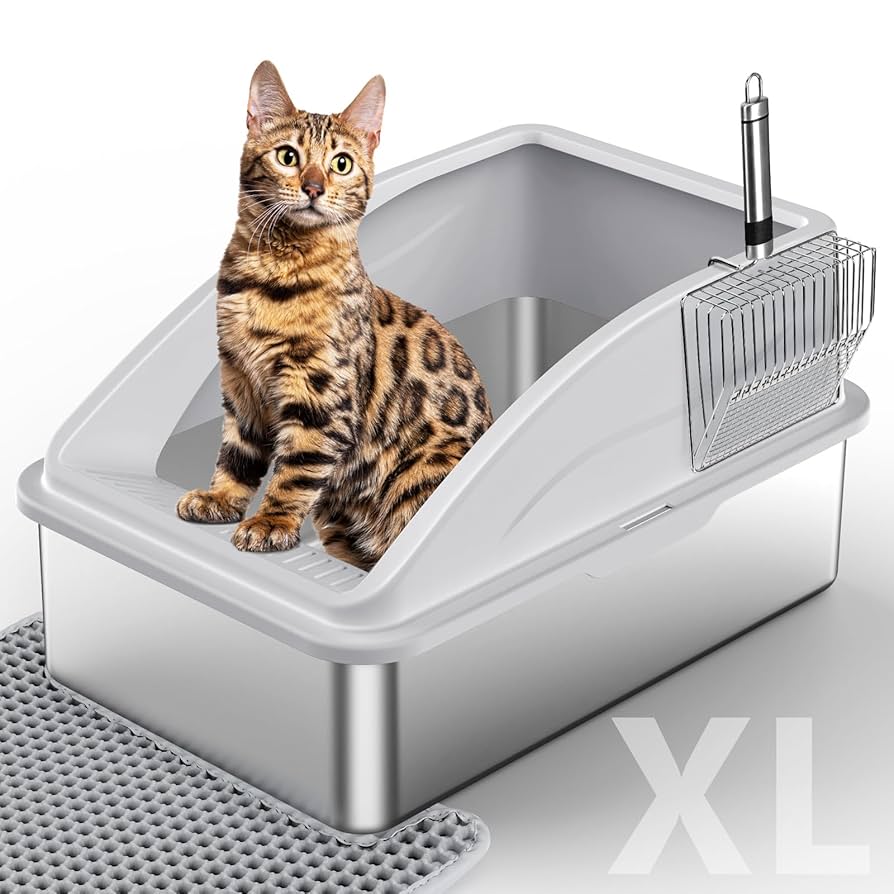
Imagine coming home to a spotless floor, no stray litter granules scattered across the hallway, and a cat that actually uses their bathroom consistently instead of avoiding it or having accidents around the house. For many pet owners, this scenario feels out of reach, especially if you’re dealing with a large breed, multiple cats, or a feline with mobility or anxiety issues. According to veterinary-backed litter box best practices from the American Veterinary Medical Association, cats require enough space to turn around, dig, and squat without touching the box walls to feel comfortable enough to use it regularly—a requirement most standard litter boxes fail to meet. An extra large cat litter box solves this core problem, delivering the space your cat needs to eliminate comfortably while cutting down on mess, odor, and stress for both you and your pet. Whether you have a 20-pound Maine Coon, a multi-cat household, or a senior cat with arthritis, this simple upgrade can transform your daily litter routine and support your cat’s long-term behavioral health.
Who Actually Needs an Extra Large Litter Box?
Many pet owners assume an extra large litter box is only for multi-cat homes or giant breeds, but there are several common use cases where the extra space makes a measurable difference in your cat’s willingness to use their box:
- Large and giant breed cats: Maine Coons, Ragdolls, and Norwegian Forest Cats often weigh 15–25 pounds and need 30+ inches of length to turn around comfortably without feeling confined. Standard boxes force these cats to crouch uncomfortably, leading to accidents outside the box. For these cats, oversized pans for giant breeds are designed to accommodate their full range of motion.
- Multi-cat households: If you have 2+ cats, an extra large box reduces wait times and competition for bathroom space, lowering stress for all felines in the home. The general rule of thumb is one litter box per cat plus one extra, and extra large pans count as two standard boxes in terms of usable space. If you’re managing a multi-cat home, our guide to shared household needs breaks down how to size litter boxes for multiple felines with different temperaments.
- Senior cats with mobility issues: Cats with arthritis, hip dysplasia, or limited mobility need low-entry boxes with extra interior space to move without putting strain on their joints. High-sided boxes that are too narrow can make it painful for older cats to step in and out.
- Cats with litter box anxiety: Cats that avoid their box due to past negative experiences (such as being scolded for accidents) often feel less vulnerable in a spacious, open box where they have room to escape if they feel threatened.
- Growing kittens: If you’re adopting a kitten, an extra large box will last through their entire adult life, saving you from having to replace a standard box as they reach full size.

Low-entry extra large litter boxes are ideal for senior cats with mobility issues
Credit: www.amazon.com
Exact Size Guidelines to Match Your Cat’s Needs
While general size recommendations are a good starting point, the most reliable guideline for litter box sizing is to pick a box that is at least 1.5 times the length of your cat from nose to the base of their tail, with enough width for them to turn around fully without touching the walls. For context, most average adult cats are 18–20 inches long, so a minimum size of 27x20 inches works for most single-cat households. For specific use cases, use these baseline dimensions:
- Small cats (under 10 lbs, e.g., Singapura, Devon Rex): 24x18 inches minimum
- Average cats (10–15 lbs, e.g., Domestic Shorthair): 28x22 inches minimum
- Large cats (15–25 lbs, e.g., Maine Coon, Siberian): 32x26 inches minimum
- Giant breeds (25+ lbs): 36x30 inches or larger; for spacious options for large felines, look for models with reinforced bases to support their weight.
A common mistake many owners make is buying a box that only fits their cat’s current size, not accounting for weight gain or growth as they age. If you’re on the border between two size categories, always opt for the larger option to avoid future replacement costs and litter box avoidance issues. You can also read our guide on extra large cat litter boxes.
Materials and Build Quality That Hold Up to Daily Use
The material of your extra large litter box impacts everything from odor retention to ease of cleaning to how long it will last under heavy use. When shopping, prioritize these key material and build factors:
- Non-porous, BPA-free plastic: The most common and practical option, high-quality non-porous plastic prevents waste and urine from seeping into the material, which causes permanent odor retention. Look for heavy-duty plastic at least 3mm thick to resist cracking if your cat stands on the edge of the box or kicks litter aggressively. For most pet owners, a heavy-duty BPA-free plastic box offers the best balance of durability, cost, and ease of use for comfort-focused pan designs.
- Reinforced bases and edges: Extra large boxes hold more litter (often 20+ pounds when full), so a reinforced base prevents warping or cracking under the weight. Reinforced edges also resist chewing from teething kittens or bored cats.
- Eco-friendly options: If sustainability is a priority, look for boxes made from recycled high-density polyethylene (HDPE) or biodegradable plant-based plastics. These options are just as durable as traditional plastic and break down safely at the end of their lifespan.
- Stainless steel: A premium option for households with cats that chew plastic or have severe odor issues, stainless steel is completely non-porous, scratch-resistant, and easy to disinfect. It is heavier and more expensive than plastic, but it will last for decades with proper care.
Avoid boxes made from thin, flexible plastic or porous materials like untreated wood, as these absorb odors and break down quickly with regular cleaning.
Smart Design Features That Cut Down on Mess and Maintenance
The right design features can turn a tedious litter routine into a 2-minute daily task. When shopping for an extra large litter box, prioritize these features based on your cat’s behavior and your lifestyle:
- Side height: High sides (12+ inches) are ideal for cats that kick or dig aggressively, as they contain most litter scatter. For senior cats or cats with limited mobility, opt for a low-entry design with a 3–4 inch rim to make stepping in easy.
- Covered vs. open-top: Open-top boxes are better for cats with anxiety or cats that dislike confined spaces, as they have multiple escape routes. Covered boxes reduce litter scatter and trap odors, but some cats refuse to use them if they feel trapped or if the air inside becomes too stale.
- Removable liners or trays: Look for models with a removable inner tray or compatible disposable liners, which let you swap out dirty litter in seconds without scrubbing the entire box.
- Non-slip bases: Extra large boxes can slide across smooth floors when your cat steps in, so a rubberized non-slip base keeps the box in place and prevents spills.
- Self-cleaning compatibility: If you want to cut down on daily scooping, look for extra large boxes designed to work with low-maintenance cleaning automated systems, which sift waste automatically on a set schedule.
A common error is choosing a top-entry box for a cat with arthritis or a kitten, as the jump into the box can cause joint strain or intimidation. Always match the entry style to your cat’s age, size, and mobility. You can also read our guide on extra large cat litter box.

High-sided designs contain litter scatter from cats that dig aggressively
Credit: www.walmart.com
Optimal Placement to Encourage Consistent Use
Even the best extra large litter box will go unused if it’s placed in the wrong spot. Follow these placement rules to encourage consistent use and reduce litter box avoidance:
- Follow the 1-box-per-cat-plus-1 rule: Place one extra large box per cat in your home, plus one additional box in a separate location. For multi-cat households, this reduces competition and ensures no cat has to wait to use the bathroom.
- Avoid high-traffic and noisy areas: Place the box in a quiet, low-traffic spot such as a spare bathroom, laundry room, or secluded corner of a basement. Cats avoid boxes placed near loud appliances (washing machines, furnaces) or busy hallways where they feel exposed while eliminating.
- Keep boxes away from food and water: Cats instinctively avoid eliminating near their eating area, so place litter boxes at least 10 feet away from food and water bowls to prevent avoidance.
- Ensure accessibility for all cats: In multi-level homes, place at least one box on each floor so senior cats or cats with limited mobility don’t have to climb stairs to use the bathroom. Avoid placing boxes in closets or behind closed doors that might trap your cat if they feel threatened.
- Avoid HVAC vents: Placing a litter box near a heating or cooling vent will spread odors throughout your home and dry out litter quickly, making it less appealing to cats.
If you’re struggling with lingering odors even with proper placement, our guide to long-term odor control covers additional strategies to keep your home smelling fresh.
Proven Odor Control Strategies for Extra Large Boxes
Extra large litter boxes naturally reduce odor compared to standard boxes, as they hold more litter and allow for better airflow between waste and the box walls. To maximize freshness, combine these strategies:
- Use the right litter depth: Fill the box with 2–3 inches of litter, which is deep enough to cover waste completely but not so deep that your cat sinks when stepping in. Clumping litter works best for extra large boxes, as it locks in moisture and odor and is easy to scoop.
- Scoop daily: Remove solid waste and clumps at least once a day to prevent ammonia buildup, which is the primary cause of strong litter box odors. For multi-cat households, scoop twice daily if possible.
- Use enzymatic cleaners: When deep cleaning the box (every 2–4 weeks), use an enzymatic cleaner instead of harsh chemical disinfectants, as enzymes break down odor-causing bacteria without leaving harsh scents that deter cats.
- Add litter deodorizers: For extra freshness, sprinkle a small amount of baking soda or a veterinarian-approved litter deodorizer on top of the litter layer. Avoid strongly scented deodorizers, as many cats find artificial fragrances off-putting.
- Pair with a deodorizer: For persistent odors, add a targeted odor solution such as an activated carbon filter or air purifier near the box to trap stray smells.
Avoid using household cleaners with ammonia or citrus scents, as these mimic the smell of cat urine and can cause your cat to avoid the box entirely.
Training Reluctant Cats to Use Their New Extra Large Box
Most cats will take to an extra large litter box immediately, as the extra space aligns with their natural instincts. If your cat is hesitant to use their new box, follow these steps to encourage consistent use:
- Place the box in a familiar, quiet spot: Set up the new box in the same location as your cat’s old box (if possible) to avoid confusion. If you’re moving the box to a new spot, place it in a quiet, low-traffic area first before gradually moving it to your desired location over a week.
- Use familiar litter: Fill the new box with the same type of litter your cat is already used to. Sudden changes to litter type or scent are a common cause of litter box avoidance.
- Introduce your cat to the box: Gently place your cat inside the new box and let them sniff and explore. You can also scratch the litter lightly with your finger to mimic digging behavior and signal the box’s purpose.
- Reward use: Praise your cat or give them a small treat immediately after they use the new box to create a positive association.
- Keep the box clean: Scoop waste daily and deep clean the box every 2–4 weeks to keep it inviting. Cats are fastidious about hygiene and will avoid a dirty box immediately.
If your cat continues to avoid the box, rule out medical issues first with a vet visit, as urinary tract infections or constipation can cause cats to associate the box with pain. For additional training tips, our guide to positive reinforcement habits covers how to encourage consistent litter box use with reward-based methods.
Troubleshooting Common Extra Large Litter Box Issues
Even with the right box and placement, you may run into occasional issues. Here are solutions to the most common problems extra large litter box owners face:
Litter Scatter
Litter scatter is the most frequent complaint, even with extra large boxes. To reduce it:
- Place a large, textured litter mat (at least 24x36 inches) under and in front of the box to catch stray granules before they spread across your floor.
- Opt for a box with 12+ inch high sides or a covered design to contain kicked litter.
- Use low-tracking clumping litter, which is less likely to stick to your cat’s paws than clay or crystal litter.
Cat Refusal to Use the Box
If your cat avoids their extra large box, first rule out medical issues with a vet. If they are healthy, check for these common triggers:
- The box is too dirty: Scoop at least once a day and deep clean monthly.
- The entry is too high or narrow for your cat’s mobility: Switch to a low-entry design.
- The box is placed in a stressful spot: Move it to a quieter, more private location.
- Your cat dislikes the litter type: Try switching to a different texture (clumping, non-clumping, pellet) to find their preference.
Litter Tracking Across the House
If your cat tracks litter out of the box even with a mat, try wiping their paws with a damp cloth after they use the box, or add a second litter mat outside the box to catch stray granules before they reach your flooring.
Top-Rated Extra Large Litter Boxes for 2026
The market for extra large litter boxes has expanded significantly in recent years, with options for every budget and cat behavior. These are the most popular, highly rated models as of 2026:
- Petmate Giant Litter Pan: A budget-friendly open-top option with 25x20x10 inch dimensions, made from durable BPA-free plastic. Its high sides contain litter scatter well, and the smooth interior makes cleaning easy. Best for average to large cats on a budget.
- IRIS Top Entry Extra Large Litter Box: A 27x21x18 inch covered top-entry design that drastically reduces litter tracking and contains odors. The removable lid makes scooping easy, and the non-slip base prevents sliding. Best for cats that kick litter aggressively and owners who want to hide the box visually.
- Nature's Miracle High-Sided Litter Box: A 32x24x14 inch extra large option with reinforced edges and a non-porous surface that resists odor retention. It includes a removable liner for fast waste changes and is spacious enough for giant breeds. Best for multi-cat households or large cats.
- Litter-Robot 4 Connect Extra Large: A premium self-cleaning option that automatically sifts waste after each use, holds up to 30 pounds of litter, and works with clumping litter of all types. Its large entry fits cats up to 25 pounds, and the app alerts you when the waste drawer is full. Best for busy owners who want to eliminate daily scooping.
When choosing a model, prioritize size first, then match features to your cat’s behavior and your maintenance preferences.
Cost and Long-Term Value
Extra large litter boxes range from $20 for basic plastic models to $300+ for premium self-cleaning options. While the upfront cost is higher than standard boxes, most owners find the long-term value outweighs the initial investment:
- Budget options ($20–$40): Basic high-sided or open-top plastic boxes that work well for single-cat households with average-sized cats. These need to be replaced every 1–2 years with regular use, as thin plastic can crack over time.
- Mid-range options ($40–$80): Heavy-duty boxes with reinforced bases, removable liners, or covered designs that last 3–5 years with proper care. These are the best value for most pet owners, as they resist cracking and are easy to clean.
- Premium options ($80–$200): Stainless steel boxes, eco-friendly recycled plastic models, or boxes with advanced odor control features. These last 5+ years and are ideal for households with large breeds, multiple cats, or severe odor issues.
- Self-cleaning options ($200–$300+): Automated boxes that sift waste on a schedule, eliminating daily scooping. While expensive upfront, they save 5–10 minutes of cleaning per day, which adds up to 30+ hours per year for busy owners.
While budget boxes are a good short-term solution, investing in a heavy-duty mid-range or premium model will save you money on replacements and reduce the risk of litter box avoidance issues caused by cracked, uncomfortable boxes.

Removable liners make waste cleanup fast for busy pet owners
Credit: www.amazon.com
Frequently Asked Questions
What is the largest standard litter box size?
The largest standard non-custom extra large litter boxes measure 36x30 inches, designed for giant breeds over 25 pounds. Custom-built options can be ordered for even larger cats, but 36x30 inches fits the vast majority of even the largest domestic cat breeds.
Can a 20-pound cat use a standard Litter-Robot?
Yes, most Litter-Robot models accommodate cats up to 25 pounds comfortably, as the interior chamber is large enough for a 20-pound cat to turn around and squat without touching the walls. Just be sure to use clumping litter designed for self-cleaning boxes to avoid jams.
Do cats actually prefer extra large litter boxes?
Yes, most cats show a clear preference for extra large boxes over standard sizes. The extra space reduces the stress of feeling confined during elimination, and cats are less likely to kick litter out of a box where they have room to dig without hitting the walls.
What size litter box do I need for a large cat?
For large cats 15–25 pounds, opt for a box at least 32x26 inches, or 1.5 times the length of your cat from nose to tail base. For giant breeds over 25 pounds, choose a box 36x30 inches or larger.
Can an extra large litter box fit in a small apartment?
Yes, many extra large litter boxes are designed to fit in small spaces. Look for low-profile or corner-mounted models that tuck into unused spaces, or place the box in a closet with the door removed to hide it from view while keeping it accessible for your cat.
Do self-cleaning extra large boxes work for multi-cat households?
Yes, but choose a model with a large waste drawer that can hold 5–7 days of waste for 2–3 cats, and scoop solid clumps daily to avoid jams. Our guide to automated cleaning systems breaks down the best options for multi-cat homes.
Conclusion
An extra large litter box is one of the simplest, highest-impact upgrades you can make for your cat’s comfort and your home’s cleanliness. By choosing a box sized correctly for your cat’s breed, age, and household needs, you’ll eliminate most common litter box issues including accidents, litter scatter, and odor buildup, while supporting your cat’s natural elimination behaviors. Prioritize durable, non-porous materials and design features that match your cat’s habits, and place the box in a quiet, accessible spot to encourage consistent use. For more guidance on optimizing your cat’s bathroom routine, check out our guides to the best litter box for cats for everyday use cases, or our picks for the best cat litter box deodorizer to pair with your new extra large pan for maximum freshness.