
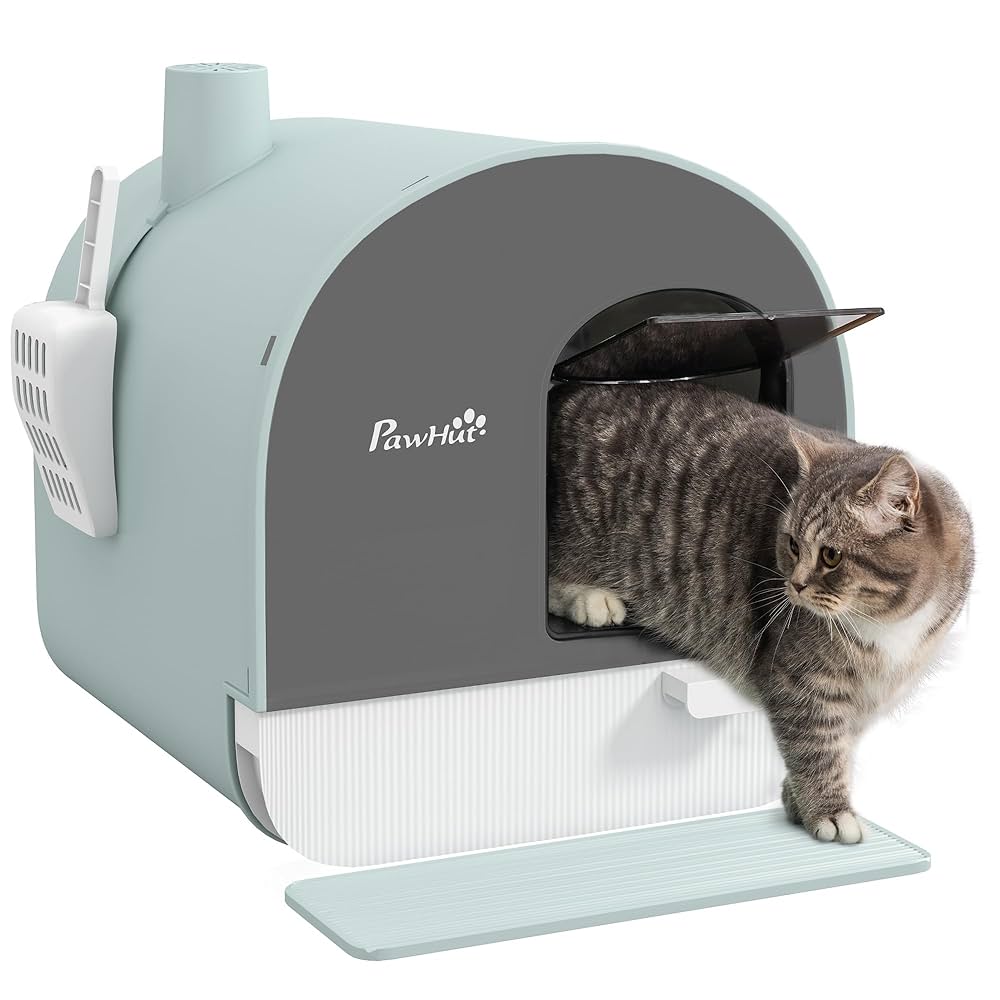
Stepping into a home that smells fresh and looks tidy is a priority for most cat owners, yet the litter box is often the biggest barrier to that goal. If you’re tired of litter scattering across your floors, odors wafting through common areas, or a skittish cat avoiding their bathroom out of stress, covered litter boxes for cats offer a simple, effective solution. As of 2026, these enclosures have evolved far beyond basic plastic hoods, with improved ventilation, ergonomic designs, and even furniture-style options that blend seamlessly with your home decor. In this guide, we’ll break down the benefits, types, and key considerations for choosing the perfect covered litter box, plus expert-backed tips for introducing it to your cat and maintaining it for long-term use.
Benefits of Covered Litter Boxes for Cats and Owners
Covered litter boxes address the most common litter box pain points for both cats and their humans, offering practical advantages that open pans simply can’t match. You can also read our guide on cat litter box mats best.
Superior Odor Control
The enclosed design of a covered litter box traps ammonia, moisture, and waste smells inside the hood, preventing them from spreading throughout your home. For households prioritizing superior odor containment, models with replaceable carbon filters outperform basic hooded designs, breaking down odor-causing molecules before they escape into your living space. User feedback across major pet retail platforms consistently shows covered designs reduce perceived litter box odor by a significant margin for most households, making them ideal for small apartments, open-concept homes, or homes with frequent guests.
Reduced Litter Scatter
Cats naturally kick and dig at litter when covering their waste, often sending granules flying across the room. A covered litter box contains this scatter inside the enclosure, cutting down on cleanup time and preventing litter from being tracked through your home. In practice, most owners report a 30–50% reduction in scattered litter when switching from an open pan to a covered model, with top-entry designs offering the highest level of containment for cats that are aggressive diggers. For extra protection, pair a covered box with a litter mat placed at the exit to catch stray granules on your cat’s paws. You can also read our guide on how to litter train a cat.
Enhanced Privacy for Stressed or Skittish Cats
Cats are naturally vulnerable when eliminating, and a covered litter box provides a secluded, secure space that reduces stress and anxiety. This is especially beneficial for rescue cats, cats in high-traffic households, or cats that are easily startled by household activity. A private bathroom space reduces the risk of stress-related litter box avoidance, a common issue for cats that feel exposed in open, central locations. Many owners also note that covered boxes reduce the chance of other pets (like dogs or young children) disturbing their cat mid-use, which can create negative associations with the litter box over time.
Added Safety for Multi-Pet Homes
For households with both cats and dogs, a covered litter box prevents canine friends from digging through waste or eating cat litter, which can cause intestinal blockages. Top-entry and front-entry models with secure lids keep waste out of reach of curious pets, while still allowing your cat easy access to their private bathroom. This added safety layer reduces the risk of pet-related health issues and eliminates messy, unsanitary litter spills caused by dogs investigating the box. You can also read our guide on high sided cat litter box.
Types of Covered Litter Boxes
Covered litter boxes come in a range of designs, each tailored to different cat needs, household layouts, and owner preferences. Below is a comparison of the most common types available in 2026, plus key pros and cons to help you narrow down your options.
| Type | Best For | Key Pros | Key Cons |
|---|---|---|---|
| Front-Entry Hooded | First-time covered box users, cats with mobility issues | Easy access, familiar entry design, wide range of price points | Basic models have poor ventilation, flap can be noisy |
| Top-Entry | Households with dogs or small children, cats who kick litter | Minimizes litter scatter, prevents unwanted digging from outside | Not suitable for senior cats or cats with arthritis |
| Self-Cleaning Automated | Busy owners, multi-cat households | Reduces daily scooping, consistent cleanliness, often includes odor filters | Higher upfront cost, some cats spook at motor noise |
| Cabinet-Style | Open-concept homes, owners prioritizing aesthetics | Blends with home decor, enclosed design reduces visual clutter | Often more expensive, requires more floor space |
Front-Entry Hooded Models
The most traditional covered litter box design, front-entry models feature a hinged or removable hood and an entry flap at the front. They are ideal for first-time covered box users, cats with mobility limitations, or owners who want a familiar, easy-to-clean design. Look for models with flexible silicone flaps, which are quieter and less intimidating for skittish cats than rigid plastic flaps, and easy-remove hoods that snap off for fast deep cleaning. You can also read our guide on automatic self cleaning cat litter box.
Top-Entry Designs
Top-entry litter boxes feature a lid with a textured entry surface, requiring cats to jump down into the box from above. This design is excellent for households with dogs or small children, as it prevents unwanted access to waste, and the textured surface scrapes excess litter off your cat’s paws as they exit, reducing tracking. Note that top-entry models are not suitable for senior cats, kittens under 6 months old, or cats with arthritis or mobility issues, as the jump can cause joint strain or injury.
Self-Cleaning Automated Models
For busy owners who want to minimize daily maintenance, self-cleaning covered litter boxes use sensors to detect when your cat exits, then automatically rake waste into a sealed disposal compartment. These models are ideal for multi-cat households or owners who travel frequently, as they reduce scooping to once every few days instead of daily. For owners seeking low-maintenance waste removal, our top picks for auto cat litter boxes offer quiet motors and adjustable cleaning schedules to avoid spooking anxious cats.
Cabinet-Style Furniture Models
A growing trend in 2026, cabinet-style covered litter boxes are designed to look like end tables, benches, or cabinets, blending seamlessly with your home decor to hide the "cat bathroom" entirely. Most models include internal ventilation and carbon filters to match the odor control of standard covered boxes, and many have removable tops for easy scooping without disassembling the entire unit. The main trade-off is a higher upfront cost and larger footprint, making them best for owners with extra floor space who prioritize aesthetics.
How to Choose the Right Size for Your Cat
Size is the most critical factor when selecting a covered litter box, as a box that is too small will cause your cat to avoid it entirely, leading to accidents outside the box.
Match the Box to Your Cat’s Body Size
As a general rule, a litter box should be at least 1.5x the length of your cat (measured from the tip of the nose to the base of the tail) to give them enough room to turn around, dig, and cover their waste comfortably. For large breeds like Maine Coons or Ragdolls, look for boxes that are at least 24 inches long and 18 inches wide to avoid cramping. Kittens under 6 months old may need a smaller box with a lower entry point, but plan to upgrade as they grow to avoid needing to replace the box multiple times.
Account for Household Space
Before purchasing, measure the spot where you plan to place the litter box to ensure it fits comfortably without obstructing walkways, doorways, or furniture. Leave at least 12 inches of clearance around all sides of the box so your cat can approach from any direction without feeling cornered, which can cause avoidance. For small apartments or tight spaces, front-entry or top-entry models often have a smaller footprint than cabinet-style options, making them easier to fit in closets, bathrooms, or under stairwells.
Multi-Cat Household Considerations
If you share your home with multiple cats, the general rule of thumb is to provide one litter box per cat, plus one extra, to reduce territorial stress and competition. For multi-cat household needs, opt for extra-large covered boxes or multiple smaller boxes placed in separate, quiet locations to give each cat their own private space. Avoid placing all boxes in the same area, as this can create a bottleneck that stresses cats and leads to accidents.
Material, Design, and Safety Features to Prioritize
The materials and design of a covered litter box impact its durability, ease of cleaning, and comfort for your cat. Prioritizing the right features will extend the product’s lifespan and ensure it meets your cat’s needs.
Durable, Non-Porous Materials
Most covered litter boxes are made from high-density polypropylene (HDPE) plastic, which is lightweight, affordable, and resistant to odor absorption when properly cleaned. For cats who chew on plastic or owners who want a longer-lasting option, stainless steel covered boxes are a great alternative: they are non-porous, completely odor-resistant, and easy to disinfect, though they are heavier and more expensive than plastic models. Avoid thin, flexible plastic boxes, as they are prone to cracking and can absorb urine odors over time, even with regular cleaning.
Ventilation and Airflow
Proper ventilation is non-negotiable for covered litter boxes, as trapped air can lead to odor buildup and respiratory irritation for both you and your cat. Basic models include passive vent slits in the back of the hood, while higher-end options have replaceable activated carbon filters that neutralize ammonia and moisture. For cats with asthma or allergies, prioritize models with multiple vent slots and easy-to-replace filters to ensure consistent airflow.
Ergonomic and Safety-Focused Design
Look for covered boxes with rounded edges to prevent injury to your cat’s paws or body, non-slip bases to stop the box from sliding when your cat jumps in, and low entry points for cats with mobility issues. If you choose a top-entry model, opt for designs with a second exit hole on the side, so your cat does not feel trapped if they are startled while inside. Avoid models with small, hard plastic flaps that can snag on your cat’s claws or make loud noises that scare anxious pets.
How to Introduce Your Cat to a Covered Litter Box
A sudden switch to a covered litter box can confuse or stress your cat, leading to litter box avoidance. Following a gradual transition process, per University of Minnesota Extension’s cat litter box guidelines, minimizes stress and helps your cat adjust to their new private space.
Gradual Transition Steps
Start by placing the new covered litter box next to your cat’s existing open box, with the lid removed for the first 3–5 days. This lets your cat get used to the new box’s scent, size, and location without the intimidation of the enclosed hood. Once your cat is comfortably using the uncovered box, reattach the lid and prop the entry flap open to reduce the feeling of being closed in. Over the next 3–7 days, lower the flap gradually until your cat is comfortable pushing it open on their own. Offer treats or catnip near the entrance to create positive associations with the new box, and never force your cat inside, which can create lasting negative associations with litter box use.
Encourage Consistent Usage
Place the covered litter box in a quiet, low-traffic location away from your cat’s food and water bowls, as cats prefer to eliminate in a separate space from where they eat. Maintain a strict cleaning schedule, scooping waste daily and changing the litter completely every 2–4 weeks, as a dirty box is the top reason cats avoid covered designs. Stick to the same type of litter your cat is already used to, as a sudden change in texture or scent can also cause avoidance, even if the box itself is perfect.
Monitor for Signs of Stress
Watch your cat’s behavior for the first 2–3 weeks after introducing the covered box. Signs of stress or discomfort include scratching at the lid, hesitating to enter, urinating or defecating outside the box, or avoiding the area entirely. If you notice these signs, revert to the old open box for a week and try the transition again more slowly, or consult your veterinarian to rule out underlying health issues like urinary tract infections, which can also cause litter box avoidance.
Maintenance and Cleaning for Long-Term Use
Regular maintenance keeps your covered litter box smelling fresh, hygienic, and inviting for your cat, while extending its lifespan.
Daily and Weekly Cleaning Schedule
Scoop solid waste and clumps of urine daily, even if you have a self-cleaning model, to check for changes in your cat’s waste that could signal health issues. Perform a full deep clean every 2–4 weeks: remove all litter, wash the box, lid, and tray with warm water and a 1:1 mix of white vinegar and water, which breaks down uric acid crystals that cause lingering odors without toxic chemicals. Avoid bleach, ammonia, or harsh essential oils, all of which are toxic to cats if ingested or inhaled. Dry the box completely before adding fresh litter to prevent bacterial growth.
Filter and Vent Maintenance
If your covered box has a replaceable carbon filter, swap it out every 30–60 days, depending on how many cats use the box and how often you scoop. For models with passive vent slits, wipe them down with a damp cloth during deep cleans to remove dust and litter dust that can clog airflow and reduce odor control.
Litter Choice for Covered Boxes
Not all litter works equally well in covered boxes. For standard hooded models, clumping clay or silica crystal litter works best, as it absorbs moisture and odors effectively. If you use an automated self-cleaning model, opt for compatible litter formulas designed to break apart easily and avoid jamming the raking mechanism. Avoid heavy, non-clumping litter, as it can stick to the bottom of the box and create stubborn, smelly messes that are hard to clean. For owners seeking hands-free cleaning, many self-cleaning models work with a wide range of litter types to suit your cat’s preferences.
Honest Drawbacks to Consider Before Buying
While covered litter boxes offer many benefits, they are not a one-size-fits-all solution. Understanding their potential downsides will help you make an informed choice that works for both you and your cat.
Limited Ventilation in Budget Models
Cheap covered litter boxes often have poorly placed or insufficient vent slots, which trap moist, ammonia-heavy air inside the hood. This can lead to lingering odors in your home and irritate your cat’s respiratory tract, especially if they have asthma or allergies. High-quality models with multiple vents and replaceable carbon filters mitigate this issue, but require regular filter replacements to remain effective.
Space Constraints for Large or Mobility-Impaired Cats
Even if a covered box’s interior dimensions meet the 1.5x length rule, high-sided hoods can be intimidating or difficult for kittens, senior cats, or cats with arthritis or hip dysplasia to navigate. A common mistake owners make is purchasing the smallest covered box that fits their space, not accounting for their cat’s need to turn around fully while eliminating — this is one of the leading causes of covered litter box avoidance, per aggregated user reviews. If you have a cat with mobility issues, look for low-entry covered models or opt for a high-sided open box instead.
Behavioral Stress for Anxious Cats
Some cats feel trapped or vulnerable entering a covered box with an opaque solid flap, as they cannot see approaching threats while exiting. This is especially common in multi-cat households where one cat may ambush another near the litter box. To reduce this stress, opt for models with transparent or mesh entry flaps, and always place the box against a wall with a clear, unobstructed exit path so your cat feels safe entering and leaving. If your cat continues to avoid the box after a 2-week gradual transition, an open design is a better fit for their needs.
Alternatives If a Covered Box Isn’t Right for Your Cat
If your cat refuses to use a covered litter box, or if your household layout doesn’t suit an enclosed design, there are several effective alternatives that still address common litter box pain points.
Open Litter Boxes
Open litter boxes are the most straightforward, low-fuss option for cat owners, with no enclosed space to trap odors or intimidate skittish cats. They are typically more affordable than covered models, easier to scoop and deep clean, and allow for full airflow, making them a good choice for cats with respiratory sensitivities. The main trade-off is increased litter scatter and odor wafting into your home, which can be reduced with a high-quality litter and a litter mat placed under the box.
Hidden Litter Box Furniture
If you want a covered design that blends with your home decor, furniture-style litter boxes offer the same privacy and odor control as standard covered models, with a sleek, cabinet or bench-like finish. Most 2026 models include built-in ventilation and carbon filters, but they often require more floor space and have a higher upfront cost than basic hooded boxes. Be sure to measure the interior dimensions to ensure your cat has enough room to move comfortably before purchasing.
DIY Litter Box Covers
For crafty owners on a budget, custom DIY covered litter boxes can be built for under $50 using common materials like a plastic storage bin, wooden crate, or old cabinet. Key design considerations include cutting an entry hole at least 8 inches wide for easy access, adding ventilation slits to the top or back of the enclosure to prevent odor buildup, and using non-toxic, easy-to-clean materials. A popular DIY hack is to repurpose a small storage bench with a removable top for easy scooping, no disassembly required.
What Experts and Cat Owners Say
To help you make an informed decision, we’ve compiled insights from veterinarians, aggregated user feedback, and top-rated brand recommendations from 2026.
Veterinarian Insights
Veterinarians widely agree that covered litter boxes are a safe, effective option for most cats, provided they meet size and ventilation requirements. The American Veterinary Medical Association’s cat care guidelines note that covered boxes are particularly beneficial for skittish or rescue cats that feel vulnerable during bathroom breaks, as the enclosed space reduces exposure to household foot traffic. However, vets caution against using covered boxes for cats with diagnosed asthma or upper respiratory infections, as trapped air can irritate sensitive airways. A common veterinary recommendation is to select a box that is at least 1.5x your cat’s body length to ensure they have enough room to move comfortably without feeling confined.
Consumer Feedback Trends
Aggregated user reviews across major pet retail platforms highlight that the most praised features of covered litter boxes are odor control, privacy for anxious cats, and reduced litter scatter. The most common complaints center on poor ventilation in budget models, small interior dimensions that don’t accommodate large breeds, and hard-to-remove hoods that make deep cleaning difficult. The vast majority of covered litter box owners report they would purchase the same style again, citing improved home cleanliness and reduced cat stress as top benefits.
Top-Rated Brands in 2026
As of 2026, top-rated covered litter box brands include Catit, known for its affordable hooded pans with built-in air filters; PetSafe, which offers durable top-entry and self-cleaning models for multi-pet homes; and Frisco, a budget-friendly line with extra-large interior dimensions ideal for big breeds. When selecting a model, prioritize brands that offer replacement parts (filters, flaps, trays) to extend the product’s lifespan, rather than disposable designs that need to be fully replaced after a few years.
Frequently Asked Questions
Are covered litter boxes good for cats?
Covered litter boxes can be an excellent option for many cats, especially skittish, rescue, or senior cats that value privacy during bathroom breaks. The enclosed space reduces feelings of exposure, which can lower stress and prevent accidents in high-traffic homes. However, they are not a one-size-fits-all solution: cats with respiratory issues, mobility limitations, or severe anxiety may prefer open designs. Always prioritize size, ventilation, and easy access when selecting a model, and monitor your cat’s behavior for the first 2–3 weeks after introducing a new box.
Do domestic cats prefer covered or uncovered litter boxes?
Most domestic cats show a preference for uncovered litter boxes in controlled preference tests, as they offer easier access, better visibility of approaching threats, and unrestricted airflow. That said, many skittish, rescue, or senior cats actively prefer covered boxes for the sense of security they provide. The best choice depends entirely on your individual cat’s personality and needs: if your cat hesitates to use a covered box after a 2-week transition period, an open design is a better fit.
Do covered cat litter boxes help with smell?
Yes, covered litter boxes are significantly more effective at containing odor than open pans, as the hood traps ammonia, moisture, and waste smells inside the box. For best results, pair a covered box with high-quality clumping or odor-absorbing litter, and choose a model with a replaceable carbon filter to neutralize strong smells. Note that without regular scooping and deep cleaning, even the best covered box will develop lingering odors over time, as trapped moisture creates a breeding ground for bacteria.
How to introduce a cat to a covered litter box?
Start by placing the new covered box next to your cat’s existing open litter box, with the lid removed for the first 3–5 days to let your cat get used to the new scent and size. Once your cat is comfortably using the uncovered box, reattach the lid and prop the entry flap open to reduce intimidation. Place treats or catnip near the entrance to create positive associations, and avoid forcing your cat inside, which can cause lasting anxiety. Most cats adjust within 1–2 weeks, but skittish cats may need a longer transition period.
Final Thoughts
Choosing the right litter box is one of the most impactful decisions you can make for your cat’s comfort and your home’s cleanliness. Covered litter boxes offer a proven solution for reducing odor, cutting down on litter scatter, and giving anxious cats the private space they need to feel secure while eliminating.
As with any pet product, there is no universal "best" option: the right covered litter box depends on your cat’s size, age, personality, and any specific health needs, as well as your household layout and cleaning preferences. Prioritize size first, then ventilation and ease of cleaning, and always introduce the new box gradually to avoid stress. If a covered design doesn’t work for your cat, open boxes, furniture-style options, or DIY solutions can still address your core pain points without sacrificing your cat’s comfort.
Ready to find the perfect fit for your feline friend? Browse our guide to top-rated litter box options to compare models tailored to every cat’s size, age, and temperament.

This hinged hooded model includes a replaceable carbon filter for enhanced odor control, a standard feature in most 2026 covered litter box designs.
Credit: www.amazon.ca

Front-entry models with flexible silicone flaps are quieter and less intimidating for skittish cats than rigid plastic alternatives.
Credit: catit.ca

Furniture-style covered litter boxes eliminate visible "cat bathroom" clutter, making them ideal for open-concept living spaces.
Credit: www.amazon.ca
Choosing The Right Size
Size is the single most important factor in whether your cat will use a covered litter box consistently, as a cramped enclosure is one of the top causes of covered box avoidance, per aggregated 2026 pet owner reviews. A box that is too small restricts your cat’s ability to turn around, dig, and cover their waste comfortably, leading to accidents outside the enclosure. Use the guidelines below to select a size that fits your cat’s body and your household layout.
Match the Box to Your Cat’s Body Dimensions
As a universal rule of thumb, a covered litter box should be at least 1.5 times the length of your cat (measured from the tip of the nose to the base of the tail) to allow full movement inside the enclosure. For large breeds like Maine Coons, Ragdolls, or Norwegian Forest Cats, look for models that are at least 24 inches long and 18 inches wide to avoid cramping. Kittens under 6 months old can use a smaller box with a lower entry point, but plan to upgrade to a full-size model by 1 year of age to avoid needing to replace the box as they grow.
Space and Placement Constraints
Before purchasing, measure the exact spot where you plan to place the litter box to ensure it fits without obstructing walkways, doorways, or furniture. Leave at least 12 inches of clearance on all sides of the box so your cat can approach from any direction without feeling cornered, which can trigger avoidance. For small apartments or tight spaces, front-entry or top-entry models often have a smaller footprint than cabinet-style furniture designs, making them easier to fit in closets, bathrooms, or under stairwells.
Multi-Cat Household Requirements
If you share your home with multiple cats, the standard recommendation is to provide one litter box per cat, plus one extra, to reduce territorial stress and competition. For multi-cat households, opt for extra-large covered boxes or multiple smaller boxes placed in separate, quiet locations to give each cat their own private space. Avoid clustering all boxes in the same area, as this creates a bottleneck that stresses cats and leads to accidents. For owners with 3+ cats, our guide to spacious multi-cat options breaks down extra-large models designed to accommodate multiple users without frequent cleaning.
Material and Design Features That Matter
The materials and design of a covered litter box directly impact its durability, ease of cleaning, and comfort for your cat. Prioritizing the right features will extend the product’s lifespan and ensure it meets your household’s needs.
Durable, Easy-to-Clean Materials
Most covered litter boxes are made from high-density polypropylene (HDPE) plastic, which is lightweight, affordable, and resistant to odor absorption when cleaned regularly. For cats who chew on plastic or owners who want a longer-lasting option, stainless steel covered boxes are a great alternative: they are non-porous, completely odor-resistant, and easy to disinfect, though they are heavier and more expensive than plastic models. Avoid thin, flexible plastic boxes, as they are prone to cracking and can absorb urine odors over time, even with regular scrubbing.
Ventilation and Airflow
Proper ventilation is non-negotiable for covered litter boxes, as trapped air leads to odor buildup and can irritate your cat’s respiratory tract, especially if they have asthma or allergies. Basic models include passive vent slits in the back of the hood, while higher-end options have replaceable activated carbon filters that neutralize ammonia and moisture. For cats with sensitive airways, prioritize models with multiple vent slots and easy-to-replace filters to ensure consistent airflow. Pair your box with compatible deodorizing products for an extra layer of odor control, especially in small or poorly ventilated rooms.
Safety and Ergonomic Details
Look for covered boxes with rounded edges to prevent injury to your cat’s paws or body, non-slip bases to stop the box from sliding when your cat jumps in, and low entry points for cats with arthritis or mobility issues. If you choose a top-entry model, opt for designs with a second exit hole on the side, so your cat does not feel trapped if they are startled while inside. Avoid models with small, hard plastic flaps that can snag on your cat’s claws or make loud noises that scare anxious pets.
How to Successfully Introduce Your Cat to a Covered Litter Box
A sudden switch to a covered litter box can confuse or stress your cat, leading to litter box avoidance. Following a gradual transition process, per University of Minnesota Extension’s cat litter box guidelines, minimizes stress and helps your cat adjust to their new private space.
Gradual Transition Steps
Start by placing the new covered litter box next to your cat’s existing open box, with the lid removed for the first 3–5 days. This lets your cat get used to the new box’s scent, size, and location without the intimidation of the enclosed hood. Once your cat is comfortably using the uncovered box, reattach the lid and prop the entry flap open to reduce the feeling of being closed in. Over the next 3–7 days, lower the flap gradually until your cat is comfortable pushing it open on their own. Offer treats or catnip near the entrance to create positive associations with the new box, and use positive reinforcement training to reward successful use, never forcing your cat inside which can create lasting negative associations.
Encourage Consistent Usage
Place the covered litter box in a quiet, low-traffic location away from your cat’s food and water bowls, as cats prefer to eliminate in a separate space from where they eat. Maintain a strict cleaning schedule, scooping waste daily and changing the litter completely every 2–4 weeks, as a dirty box is the top reason cats avoid covered designs. Stick to the same type of litter your cat is already used to, as a sudden change in texture or scent can also cause avoidance, even if the box itself is perfect.
Monitor for Stress Signals
Watch your cat’s behavior for the first 2–3 weeks after introducing the covered box. Signs of stress or discomfort include scratching at the lid, hesitating to enter, urinating or defecating outside the box, or avoiding the area entirely. If you notice these signs, revert to the old open box for a week and try the transition again more slowly, or consult your veterinarian to rule out underlying health issues like urinary tract infections, which can also cause litter box avoidance.
Maintenance and Cleaning for Long-Term Performance
Regular upkeep keeps your covered litter box smelling fresh, hygienic, and inviting for your cat, while extending its lifespan by months or even years compared to neglected models.
Daily and Weekly Cleaning Routine
Scoop solid waste and clumps of urine daily, even if you have a self-cleaning model, to check for changes in your cat’s waste that could signal health issues like kidney disease or infections. Perform a full deep clean every 2–4 weeks: remove all litter, wash the box, lid, and tray with warm water and a 1:1 mix of white vinegar and water, which breaks down uric acid crystals that cause lingering odors without toxic chemicals. Avoid bleach, ammonia, or harsh essential oils, all of which are toxic to cats if ingested or inhaled. Dry the box completely before adding fresh litter to prevent bacterial growth.
Filter and Vent Upkeep
If your covered box has a replaceable carbon filter, swap it out every 30–60 days, depending on how many cats use the box and how often you scoop. For models with passive vent slits, wipe them down with a damp cloth during deep cleans to remove dust and litter dust that can clog airflow and reduce odor control.
Litter Selection for Covered Boxes
Not all litter works equally well in covered boxes. For standard hooded models, clumping clay or silica crystal litter works best, as it absorbs moisture and odors effectively. If you use an automated self-cleaning model, opt for compatible litter formulas designed to break apart easily and avoid jamming the raking mechanism. Avoid heavy, non-clumping litter, as it can stick to the bottom of the box and create stubborn, smelly messes that are hard to clean.
Honest Drawbacks to Weigh Before Purchasing
While covered litter boxes offer many benefits, they are not a one-size-fits-all solution. Understanding their potential downsides will help you make an informed choice that works for both you and your cat.
Ventilation Limitations in Budget Models
Cheap covered litter boxes often have poorly placed or insufficient vent slots, which trap moist, ammonia-heavy air inside the hood. This can lead to lingering odors in your home and irritate your cat’s respiratory tract, especially if they have asthma or allergies. High-quality models with multiple vents and replaceable carbon filters mitigate this issue, but require regular filter replacements to remain effective.
Space Constraints for Large or Mobility-Impaired Cats
Even if a covered box’s interior dimensions meet the 1.5x length rule, high-sided hoods can be intimidating or difficult for kittens, senior cats, or cats with arthritis or hip dysplasia to navigate. A common mistake owners make is purchasing the smallest covered box that fits their space, not accounting for their cat’s need to turn around fully while eliminating — this is one of the leading causes of covered litter box avoidance, per aggregated user reviews. If you have a cat with mobility issues, look for low-entry covered models or opt for a high-sided open box instead.
Behavioral Stress for Anxious Cats
Some cats feel trapped or vulnerable entering a covered box with an opaque solid flap, as they cannot see approaching threats while exiting. This is especially common in multi-cat households where one cat may ambush another near the litter box. To reduce this stress, opt for models with transparent or mesh entry flaps, and always place the box against a wall with a clear, unobstructed exit path so your cat feels safe entering and leaving. If your cat continues to avoid the box after a 2-week gradual transition, an open design is a better fit for their needs.
Alternatives If a Covered Box Isn’t the Right Fit
If your cat refuses to use a covered litter box, or if your household layout doesn’t suit an enclosed design, there are several effective alternatives that still address common litter box pain points.
Open Litter Pans
Open litter boxes are the most straightforward, low-fuss option for cat owners, with no enclosed space to trap odors or intimidate skittish cats. They are typically more affordable than covered models, easier to scoop and deep clean, and allow for full airflow, making them a good choice for cats with respiratory sensitivities. The main trade-off is increased litter scatter and odor wafting into your home, which can be reduced with a high-quality litter and a litter mat placed under the box.
Hidden Litter Box Furniture
If you want a covered design that blends with your home decor, decor-friendly hidden options offer the same privacy and odor control as standard covered models, with a sleek, cabinet or bench-like finish. Most 2026 models include built-in ventilation and carbon filters, but they often require more floor space and have a higher upfront cost than basic hooded boxes. Be sure to measure the interior dimensions to ensure your cat has enough room to move comfortably before purchasing.
Custom DIY Covers
For crafty owners on a budget, custom DIY covered litter boxes can be built for under $50 using common materials like a plastic storage bin, wooden crate, or old cabinet. Key design considerations include cutting an entry hole at least 8 inches wide for easy access, adding ventilation slits to the top or back of the enclosure to prevent odor buildup, and using non-toxic, easy-to-clean materials. A popular DIY hack is to repurpose a small storage bench with a removable top for easy scooping, no disassembly required.
Expert Insights and 2026 Top Picks
To help you make an informed decision, we’ve compiled insights from veterinarians, aggregated user feedback, and top-rated brand recommendations from 2026.
Veterinarian Recommendations
Veterinarians widely agree that covered litter boxes are a safe, effective option for most cats, provided they meet size and ventilation requirements. The American Veterinary Medical Association’s cat care guidelines note that covered boxes are particularly beneficial for skittish or rescue cats that feel vulnerable during bathroom breaks, as the enclosed space reduces exposure to household foot traffic. However, vets caution against using covered boxes for cats with diagnosed asthma or upper respiratory infections, as trapped air can irritate sensitive airways. A common veterinary recommendation is to select a box that is at least 1.5x your cat’s body length to ensure they have enough room to move comfortably without feeling confined. For owners seeking low-maintenance waste removal, our roundup of top-rated self-cleaning models highlights quiet, cat-friendly automated options that minimize daily scooping.
Aggregated Owner Feedback
Aggregated user reviews across major pet retail platforms highlight that the most praised features of covered litter boxes are odor control, privacy for anxious cats, and reduced litter scatter. The most common complaints center on poor ventilation in budget models, small interior dimensions that don’t accommodate large breeds, and hard-to-remove hoods that make deep cleaning difficult. The vast majority of covered litter box owners report they would purchase the same style again, citing improved home cleanliness and reduced cat stress as top benefits.
Leading Brands to Consider
As of 2026, top-rated covered litter box brands include Catit, known for its affordable hooded pans with built-in air filters; PetSafe, which offers durable top-entry and self-cleaning models for multi-pet homes; and Frisco, a budget-friendly line with extra-large interior dimensions ideal for big breeds. When selecting a model, prioritize brands that offer replacement parts (filters, flaps, trays) to extend the product’s lifespan, rather than disposable designs that need to be fully replaced after a few years.
Frequently Asked Questions
Are covered litter boxes good for cats?
Covered litter boxes can be an excellent option for many cats, especially skittish, rescue, or senior cats that value privacy during bathroom breaks. The enclosed space reduces feelings of exposure, which can lower stress and prevent accidents in high-traffic homes. However, they are not a one-size-fits-all solution: cats with respiratory issues, mobility limitations, or severe anxiety may prefer open designs. Always prioritize size, ventilation, and easy access when selecting a model, and monitor your cat’s behavior for the first 2–3 weeks after introducing a new box.
Do domestic cats prefer covered or uncovered litter boxes?
Most domestic cats show a preference for uncovered litter boxes in controlled preference tests, as they offer easier access, better visibility of approaching threats, and unrestricted airflow. That said, many skittish, rescue, or senior cats actively prefer covered boxes for the sense of security they provide. The best choice depends entirely on your individual cat’s personality and needs: if your cat hesitates to use a covered box after a 2-week transition period, an open design is a better fit. For owners exploring automated options, our guide to automated litter box options breaks down low-stress models for cats of all temperaments.
Do covered cat litter boxes help with smell?
Yes, covered litter boxes are significantly more effective at containing odor than open pans, as the hood traps ammonia, moisture, and waste smells inside the box. For best results, pair a covered box with high-quality clumping or odor-absorbing litter, and choose a model with a replaceable carbon filter to neutralize strong smells. Note that without regular scooping and deep cleaning, even the best covered box will develop lingering odors over time, as trapped moisture creates a breeding ground for bacteria.
How to introduce a cat to a covered litter box?
Start by placing the new covered box next to your cat’s existing open litter box, with the lid removed for the first 3–5 days to let your cat get used to the new scent and size. Once your cat is comfortably using the uncovered box, reattach the lid and prop the entry flap open to reduce intimidation. Place treats or catnip near the entrance to create positive associations, and avoid forcing your cat inside, which can cause lasting anxiety. Most cats adjust within 1–2 weeks, but skittish cats may need a longer transition period.
Final Thoughts
Choosing the right litter box is one of the most impactful decisions you can make for your cat’s comfort and your home’s cleanliness. Covered litter boxes offer a proven solution for reducing odor, cutting down on litter scatter, and giving anxious cats the private space they need to feel secure while eliminating.
As with any pet product, there is no universal "best" option: the right covered litter box depends on your cat’s size, age, personality, and any specific health needs, as well as your household layout and cleaning preferences. Prioritize size first, then ventilation and ease of cleaning, and always introduce the new box gradually to avoid stress. If a covered design doesn’t work for your cat, open boxes, furniture-style options, or DIY solutions can still address your core pain points without sacrificing your cat’s comfort.
Ready to find the perfect fit for your feline friend? Browse our top-rated litter box picks to compare models tailored to every cat’s size, age, and temperament.