
Welcoming a stray cat into your home is a deeply rewarding act of compassion — but it often comes with one immediate practical challenge: teaching your new companion to use a litter box consistently. Stray cats haven’t always had the luxury of indoor toileting, and their instincts may be tuned to dirt, sand, or garden beds. The good news? Cats are naturally clean animals. With patience, the right setup, and an understanding of feline behavior, you can turn even a wary former street cat into a reliable indoor litter-box user.
This guide walks you through a step-by-step process tailored specifically for strays, highlighting common pitfalls, clever scent tricks, and how to read the subtle signs that your cat is ready to succeed. By the end, you’ll have a plan that respects your cat’s past while building a clean, harmonious home. You can also read our guide on extra large cat litter boxes.
Understanding Your Stray Cat’s Background and Instincts
A stray cat often arrives with a mental map of outdoor elimination spots — loose soil, mulched flower beds, or quiet corners behind a shed. These surfaces feel familiar and safe. Your job is to create an equally inviting indoor alternative.
Why Burying Waste Runs Deep
In the wild, cats cover their waste to hide their scent from predators and avoid provoking territorial challenges. This instinct is so strong that even kittens raised indoors begin scratching in their box with zero training. A stray cat, however, may need an extra nudge: the texture and location of your litter box must mimic what they already know. Think “soft, fine-grained, and hidden away” rather than “open plastic box in a busy hallway.”
Recognizing this natural drive helps you avoid frustration. When your cat scratches at the litter and then jumps out without using it, she’s not being difficult — she’s testing. Give her time. You can also read our guide on extra extra large cat litter box.
Reading Stress Signals from a Former Street Life
Stray cats often carry the weight of hypervigilance. Signs of anxiety — flattened ears, dilated pupils, tail tucked, or sudden freezing — can occur around the litter box if it feels exposed. If you see urination beside the box rather than in it, your cat may be signaling, “I want to use this, but something feels unsafe.” Adjust placement and reduce household noise before assuming a behavioral problem.
Step 1: Set Up a Safe Introduction Room
Before your stray cat has the run of the house, confine her to a single, quiet room for at least the first week. This “sanctuary room” is essential for litter training because it limits her options, making it far more likely she’ll use the box. You can also read our guide on litter box mats for cats.
- Choose a low-traffic space — a spare bedroom, home office, or laundry room. Avoid busy kitchens or near noisy appliances.
- Set up everything she needs in the room: food and water bowls on one side, a cozy bed, a scratching post, and the litter box on the opposite side from the food. Cats instinctively avoid eliminating near where they eat and sleep, so this distance reinforces good habits.
- Block off hidden corners that might look like alternative bathrooms. If there’s a large closet or behind a bookshelf, close it off or fill the gap with a storage bin. The goal is to make the litter box the easiest, most attractive option.
Step 2: Choose the Right Litter Box and Litter
A stray cat isn’t going to be lured by fancy hoods or gadgetry. Keep it simple, accessible, and natural-feeling.
Box Dimensions and Design
Select an open, unhooded box that’s at least 1.5 times the length of your cat from nose to tail base. Many strays are medium-to-large adults, so an extra-large box (roughly 24 × 18 inches or larger) prevents the “hanging over the edge” discomfort. Low sides (3–4 inches) are critical for easy entry, especially for cats who may have minor joint stiffness or are simply unfamiliar with stepping into a container. For a full guide to dimensions, look at spacious, low-step options designed with ease in mind.
Litter Texture and Type
Stray cats frequently show a strong preference for fine, sandy, unscented clumping litter. It feels closest to loose soil. In practice, try setting up two small boxes side-by-side with different litters — one fine clumping, one with a slightly larger grain (or even a non-clumping option). Watch which one she approaches. Once a preference becomes clear, you can phase out the other. You can also read our guide on can you train cats like dogs.
- Clumping vs. non-clumping: Clumping litter simplifies daily scooping and controls odor well. Non-clumping varieties may require full changes more often but can work for cats who dislike the clumping texture.
- Scented vs. unscented: Avoid scented litters entirely for the first few weeks. A stray’s sensitive nose can be offended by strong perfumes, making her avoid the box. Once she’s reliably trained, you might try a subtle botanical scent, but many cats remain happier with unscented.
If you struggle with persistent smells later, a quality litter box designed to trap odors can make a difference without introducing heavy fragrances.
Step 3: Strategic Litter Box Placement
Placement can make or break your training. The box should feel private yet accessible — not too remote, but not in the middle of household traffic. You can also read our guide on cat litter box toilet training.
- Quiet and sheltered: Tuck the box in a corner, behind a piece of furniture that doesn’t block the entrance, or in an alcove. Some stray cats like the feeling of a large plant nearby (non-toxic, of course) for an extra sense of seclusion.
- One level, no stairs: If your cat is older, arthritic, or simply not yet confident navigating your home, don’t place the box in the basement or up a flight of stairs. Keep it on the same floor as the sanctuary room.
- Multiple boxes for multi-level homes: Once your stray has free access, the rule is one box per cat plus one extra, on each floor. A stray adjusting to a new house will benefit from having a box always in sight during the transition.

A stray cat investigates a low-sided open box, which feels less confining and more like outdoor ground.
Credit: wopet.com
Step 4: Introducing the Litter Box Gradually
This is where your observation and gentle guidance pay off. You’re not forcing the cat into the box; you’re showing her it’s a safe, rewarding place.
The First Few Hours
When you bring your stray into the sanctuary room, place her gently next to the litter box — not inside it. Let her sniff the perimeter. Speak softly, then step back. Many cats will explore the box on their own within a few minutes. If she climbs in and scratches, offer quiet praise but don’t startle her with applause.
Scent Lures That Work
Outdoor soil can be your secret weapon. Take a small amount of dirt from a spot where you know the cat previously lingered outside (a garden bed, for example) and sprinkle a thin layer on the surface of the litter. The familiar odor can trigger the “this is my spot” instinct. Alternatively, use a tissue to gently dab the cat’s own scent from the cheek area and wipe it lightly on the edge of the box; this marks it as safe territory.
Timed Introductions After Meals and Naps
Cats typically need to eliminate shortly after eating, drinking, or waking up. Use these natural windows: about 15–20 minutes after a meal, carry or lead your cat calmly to the box and set her down a foot away. She may walk in, scratch, and use it. If she doesn’t, no fuss — just let her walk away and try again next time. Patience is far more effective than pressure.
Step 5: Encouraging Consistent Use with Positive Reinforcement
Cats learn best through reward, not punishment. Even a well-meaning scolding for an accident can damage trust and worsen the problem.
Reward every successful box use immediately with a soft, happy voice and a tiny treat — something so desirable she only gets it for this behavior. Special training treats made for cats are perfect because they’re small, smelly, and highly motivating. Over time, you can transition to occasional treats and eventually rely on praise alone.
If you’re clicker-savvy, mark the moment she exits a freshly used box with a click and treat. The concepts behind reward-based feline training apply beautifully to litter habits as well — clear communication, timing, and consistency.
A common mistake is interrupting a cat mid-elimination outside the box and rushing them to it. This often frightens them and associates the box with fear. Instead, clean the accident area thoroughly (enzyme cleaner only) and quietly increase supervision next time.
Step 6: Maintaining Litter Box Cleanliness and Hygiene
A stray cat who spent her life eliminating outdoors is used to a fresh spot each time. Dirty litter is a top reason cats will reject the box.
- Daily scooping: Remove waste and clumps at least twice a day. A clean box smells inviting to a cat.
- Full litter change and wash: Every week (or every 2 weeks for clumping litter in a single-cat home), dump all litter, wash the box with warm water and mild unscented soap (no ammonia or bleach), and refill with fresh litter. Rinse thoroughly; residual detergent smell can repel.
- Box renewal: Plastic boxes absorb odors over time. Replace the box entirely every year or when scratches become deep enough to trap bacteria.
For odor control beyond scooping, a safe enzymatic deodorizer can be sprinkled in the litter or applied after washing without adding harsh chemicals. Keep the area around the box swept and, if needed, place a litter-catching mat to reduce tracking.
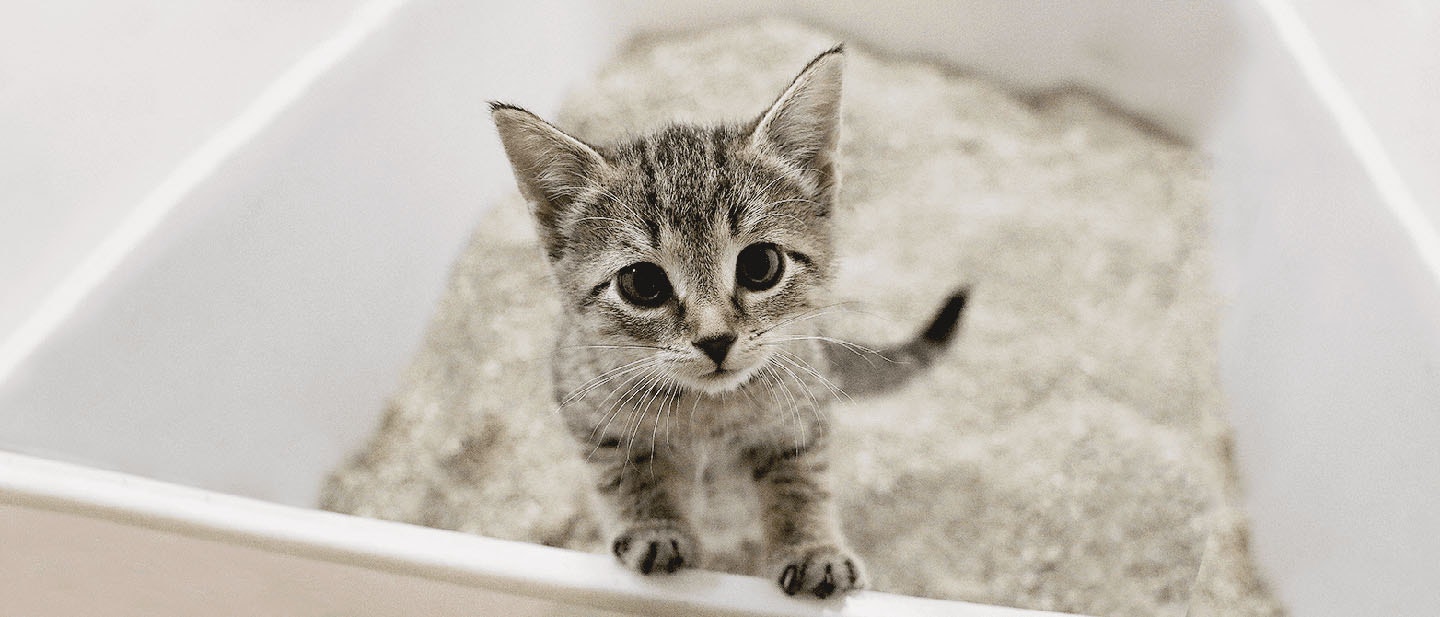
Soft, sandy-textured litter often wins over a stray’s instinct to dig.
Credit: www.whiskas.com.ph
Troubleshooting Common Issues
Even with a perfect setup, you may hit bumps. Knowing the difference between a behavioral tweak and a health red flag is crucial.
Accidents Outside the Box
If your cat urinates or defecates just beside the box, the box may feel too cramped, too dirty, or located in a spot where she feels trapped. Try a larger box, scoop more often, or slide the box a few feet into a more sheltered corner. If the accident occurs in a totally different spot, temporarily place an additional box there and then gradually inch it toward the desired location over several days.
Spraying vs. Litter-Box Avoidance
Spraying — backing up to a vertical surface and releasing a small amount of urine — is territorial marking, not a refusal to use the box. It’s common in unneutered male strays but can occur in any cat feeling insecure. The solution is spaying/neutering (if not already done) and reducing stress with consistent routines, synthetic facial pheromone diffusers, and extra play. Clean sprayed areas with enzyme cleaner thoroughly; never punish.
When Nothing Seems to Work
Reassess the basics: box size, litter type, placement, and cleanliness. Then consider whether something in the environment changed — a new visitor, construction noise, a stray outside the window — that heightened anxiety. If you’ve addressed all environmental factors and the problem persists for more than a week, move on to the health check.
Step 7: Health Screening and Veterinary Guidance
A stray cat may come with hidden medical issues that directly affect litter habits. According to the Cornell Feline Health Center, conditions like urinary tract infections, bladder stones, diabetes, or kidney disease can cause inappropriate elimination. A cat with pain or urgency may associate the litter box with discomfort and avoid it.
Schedule a vet visit within the first two weeks of bringing your stray home, or sooner if you see straining, blood in urine, frequent small puddles, or vocalizing while trying to go. The American Veterinary Medical Association notes that many litter-box problems have an underlying medical component, and early diagnosis prevents deep-seated behavioral aversions.
Once your vet gives a clean bill of health, you can confidently address any remaining training hurdles knowing they’re purely behavioral.

A former stray cat learns that the box means “bathroom” during a supervised outdoor-to-indoor transition period.
Credit: www.reddit.com
The Value of Upgrades Once Training Sticks
Once your cat is confidently using her basic box day in and day out, you might consider conveniences that streamline your routine. A self-cleaning automatic box can maintain near-constant cleanliness — a huge plus for cats who are especially fastidious. However, introduce any new box gradually by placing it next to the trusted old one until she explores it on her own.
Long-Term Success: Building Trust and Routine
Litter training a stray cat is rarely a one-week project — it’s a gradual unfolding of trust. Celebrate every small win, whether it’s a single paw print in the litter or a full clean use. Maintain consistency in the litter type and box location once you find what works. Over time, you can slowly shift the box to a more convenient location by moving it an inch or two per day.
Your cat’s past may linger in small ways, but with a stable routine, she’ll come to see your home as her permanent, safe territory. And nothing says “I belong here” like a cat that marches confidently to her box, does her business, and strides out with tail high.
Frequently Asked Questions
How long does it take to litter train a stray cat?
It varies widely. Some strays instinctively use a box within a day; others need 2–4 weeks of consistent reinforcement. Older cats or those with past trauma may take longer. Focus on creating the right environment rather than on a rigid timeline.
What if my stray cat refuses the litter box completely?
First, rule out a medical issue with a vet visit. Then try offering two boxes with different litters (one fine unscented, one with a pinch of outdoor soil) in different locations. Make the box the only appealing soft-digging surface by temporarily putting away rugs or piles of laundry in the room.
Can I use a covered litter box right away?
It’s best to avoid covered boxes initially. A stray may see a hood as a trap where she can’t see threats. Start with an open box; if you later switch to a covered model, remove the flap door and let her adjust gradually.
How do I clean up accidents so the cat doesn’t return to the same spot?
Use an enzymatic cleaner specifically formulated for cat urine. Avoid any cleaner containing ammonia, which smells similar to urine and can actually attract the cat back. Blot the area thoroughly and let it air-dry.
Should I punish my stray cat for accidents?
Never. Punishment creates fear and damages the trust you’re building. It can also cause the cat to hide her elimination habits, making the problem worse. Instead, identify why the accident happened — the box wasn’t clean enough, too far away, or the cat felt unsafe — and make adjustments.
Conclusion
Litter training a stray cat is a partnership built on empathy, observation, and steady routine. By honoring her instinct to cover her waste, giving her a safe and inviting setup, and rewarding every small success, you transform what might seem like a daunting chore into a profound bonding experience. Keep the box clean, read her signals, and don’t hesitate to involve a veterinarian when needed. With time, your former stray will carry her outdoor smarts indoors — and fill your home with far more purrs than puddles.