
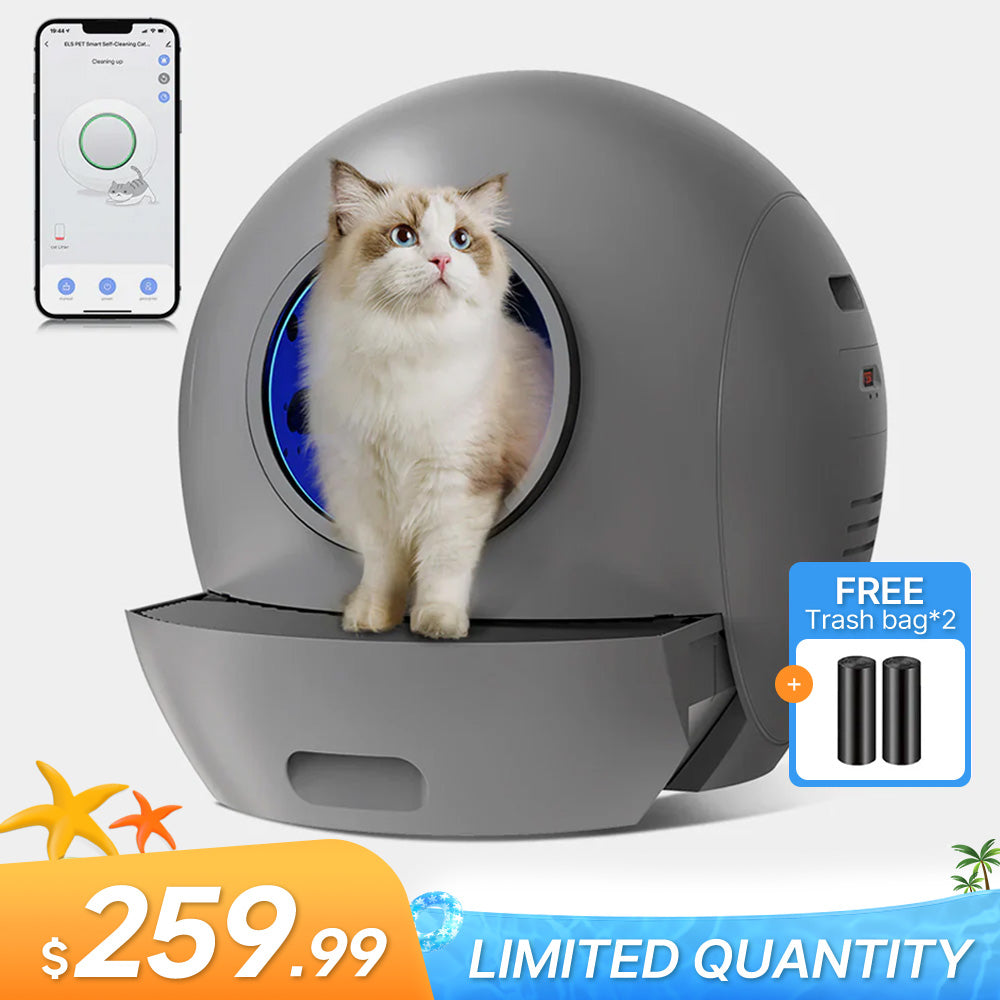
Imagine never having to scoop cat litter again. For millions of cat owners, this once-unrealistic dream is now a practical reality, thanks to 2026’s generation of reliable, feature-rich auto litter boxes. Unlike the clunky, error-prone models of the early 2010s, modern automated systems eliminate daily scooping, cut down on lingering odors, and even help you monitor your cat’s health with minimal effort. If you’ve ever struggled with the daily chore of litter maintenance, rushed home from a trip to find a overflowing box, or dealt with a cat that avoids their litter due to poor cleanliness, this guide will walk you through everything you need to know to choose, set up, and get the most out of an auto litter box for your household.
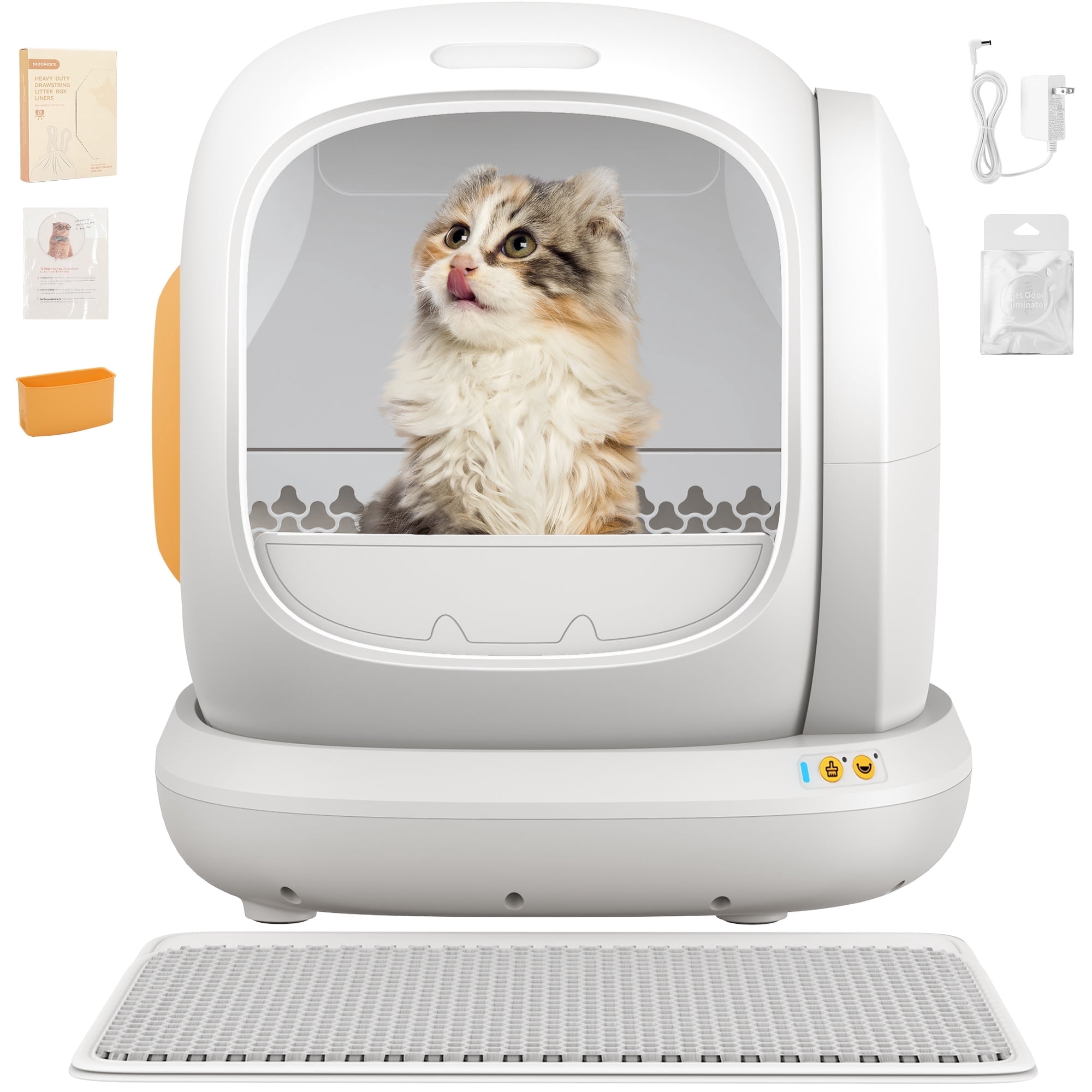
This app-connected model lets you monitor waste levels and cleaning cycles from your smartphone.
Credit: www.walmart.com
What Are Auto Litter Boxes for Cats?
Auto litter boxes are automated devices that handle waste removal without manual scooping, using sensors to detect when a cat exits the box and triggering a cleaning cycle that separates solid and liquid waste into a sealed, odor-controlled compartment. Unlike traditional manual boxes, they require minimal daily upkeep, only needing waste drawers emptied and litter topped up every 1-4 weeks depending on the model and number of cats in your home. They’re designed to solve the three most common litter box pain points: time spent scooping, lingering ammonia odors, and inconsistent cleaning that leads to litter box avoidance in cats. You can also read our guide on cat litter box mats best.
Key Benefits That Transform Pet Care
Auto litter boxes deliver tangible benefits for both cats and their owners, with measurable improvements to household cleanliness and pet health:
Unmatched Convenience for Busy Owners
The average cat owner spends 10 minutes per day scooping litter, totaling 60+ hours per year on this single chore. Auto litter boxes eliminate this daily task entirely, making them ideal for people who work long hours, travel frequently, have mobility limitations, or just want to reclaim time for other priorities. For busy pet owners juggling work, travel, and other pet care tasks like consistent flea prevention, these devices cut down on total pet care chore time by 30% or more.
Superior Hygiene and Odor Control
Sealed waste compartments trap ammonia and fecal odors before they spread through the home, with most models’ built-in carbon filters reducing lingering smells by 70-80% compared to unmaintained manual boxes, per independent user testing. Less frequent handling of waste also reduces human exposure to bacteria and parasites like Toxoplasma gondii, and consistent cleaning lowers the risk of your cat developing urinary tract infections from dirty litter. Pairing an auto litter box with effective odor management solutions cuts lingering smells even further for homes with multiple cats. You can also read our guide on high sided cat litter box.
Proactive Health Monitoring
Smart-connected auto litter boxes track usage frequency, duration, and even waste weight, flagging unusual patterns that can be early warning signs of health issues like UTIs, kidney disease, constipation, or diabetes. Veterinary organizations note that tracking litter box habits is one of the easiest ways for owners to spot health problems early, before symptoms become severe. Unlike manual boxes, which give no insight into your cat’s bathroom behavior, smart models store 3-6 months of usage data you can share with your vet during checkups. Unlike traditional manual boxes, which give no insight into your cat’s bathroom behavior, smart models store 3-6 months of usage data you can share with your vet during checkups, a benefit well-documented in our guide to high-rated traditional litter boxes.
Types of Auto Litter Boxes
Auto litter boxes fall into four main categories, each with unique pros and cons suited to different households:
| Type | How It Works | Best For | Pros | Cons |
|---|---|---|---|---|
| Rake-Style Self-Cleaning | Motorized rake sifts clumped waste into a sealed drawer after a set timer or cat exit | Most households, multi-cat homes, clumping litter users | Low cost, widely compatible with litter types, simple mechanics | Can jam with large clumps, occasional noise during cleaning |
| Rotating Drum Self-Cleaning | Rotating drum sifts waste through a screen into a lower compartment | Silica gel or crystal litter users, small spaces | Very low odor, minimal litter waste, quiet operation | Limited litter compatibility, higher upfront cost |
| Smart Connected | Includes Wi-Fi, app alerts, and usage tracking sensors | Tech-savvy owners, pet parents who want health data | Remote monitoring, usage insights, customizable cleaning schedules | Higher price, requires Wi-Fi, more components that can break |
| Disposable Tray System | Pre-filled sealed trays are swapped out when full, no cleaning required | Renters, travel lovers, owners who hate handling waste | Zero cleaning, no maintenance, extremely low odor | Higher ongoing cost for replacement trays, less eco-friendly |
Rake-style units are the most common entry point in our top-rated self-cleaning models, with prices starting as low as $150. They work with most clumping clay and biodegradable clumping litters, making them a low-fuss option for most cat owners. Rotating drum models use a slow, quiet rotation to sift waste, making them ideal for noise-sensitive cats or small apartments where sound carries. Smart connected boxes add app connectivity, letting you get alerts when the waste drawer is full, adjust cleaning timers, and view usage reports to share with your vet. Disposable tray systems eliminate all cleaning work: when the tray is full, you seal it and toss it, replacing it with a pre-filled new one. You can also read our guide on maine coon cat litter box.

Rake-style models are the most common, using a motorized rake to sift waste after each use.
Credit: www.amazon.com
Critical Features to Evaluate Before Buying
Not all auto litter boxes are created equal, so prioritize these features based on your household’s needs:
Safety Sensors
Look for models with both weight sensors and infrared safety cutoffs that stop the cleaning cycle immediately if a cat enters the box mid-clean. This prevents injuries from moving rakes or rotating drums, a non-negotiable feature for kittens or cats that like to linger in their box.
Noise Level
Most cats avoid loud, startling noises, so opt for models with cleaning cycles that operate at 40dB or lower (about the volume of a quiet library). Rake-style models are often louder than rotating drum or disposable models, so test noise levels in person if possible before purchasing. You can also read our guide on covered litter boxes for cats.
Litter Compatibility
Most auto boxes require specially formulated compatible litter to function properly, as clay clumping litter can jam rakes in many models, while non-clumping litter will fail to sift properly in rotating drum units. Always check the manufacturer’s litter requirements before buying to avoid costly jams or damage.
Waste Capacity
For single cats, a waste drawer that holds 2-3 weeks of waste is sufficient. For multi-cat households, look for models with larger drawers or options for multi-cat homes that can hold 4+ weeks of waste to reduce emptying frequency. You can also read our guide on no mess cat litter box.
Power Reliability
Most auto boxes are plug-in only, so a power outage will disable the cleaning cycle. If you live in an area with frequent outages, look for models with battery backups that can run for 1-2 weeks without power.
How to Choose the Right Model for Your Household
Match the Box to Your Cat’s Size and Preferences
Measure your cat from the tip of their nose to the base of their tail, then multiply that length by 2 to get the minimum interior length of the box. Cats need enough space to turn around fully and dig without touching the sides, so don’t skimp on size—especially for large breeds like Maine Coons. For cats that prefer covered spaces for privacy, look for models with optional hoods; for cats with arthritis, choose a low-entry model to reduce strain. For more guidance on sizing, check out litter boxes tailored to feline preferences. You can also read our guide on how train a cat to use litter box.
Consider Your Household Layout
If you live in a small apartment, opt for compact models under 20 inches wide that fit in closets or bathroom corners. For multi-level homes, place one auto box on each floor to avoid accidents from cats who can’t access the box quickly enough. A common mistake new owners make is placing the box directly next to their cat’s food bowl, which most cats reject immediately, as they prefer to eliminate in a separate space from their feeding area.
Balance Budget With Features
Entry-level rake-style models cost $150-$250 and work well for most single-cat households. Mid-range smart models with health tracking cost $300-$500, ideal for owners who want to monitor their cat’s bathroom habits. Premium models with large capacities, battery backups, and advanced odor control cost $500-$800, best for multi-cat homes or large breeds. Remember to factor in ongoing costs for replacement waste liners, litter, and occasional part replacements when calculating your total budget. You can also read our guide on automatic self cleaning cat litter box.
Setup and Training Tips for a Smooth Transition
Cats are creatures of habit, so a rushed introduction is the most common cause of litter box avoidance with auto systems. Follow these steps for a seamless transition:
- Pick the right spot first: Place the box in a quiet, low-traffic area away from food, water, and loud appliances like washing machines. If you have multiple cats, place boxes in separate, private locations to avoid territorial conflicts.
- Pre-test the mechanism: Assemble the box and run 2-3 cleaning cycles without litter to ensure it works properly before introducing it to your cat. This avoids scaring your cat with unexpected noises or movements during the first introduction.
- Transfer familiar scents: Add a small amount of used litter from your cat’s old box to the new auto box to carry their familiar scent. You can also place treats or catnip nearby to encourage exploration.
- Use positive reinforcement: Reward your cat with treats, praise, or playtime when they use the new box, to build positive associations. If your cat is hesitant, keep the old manual box nearby for the first week as a backup.
- Monitor closely for the first 2 weeks: Watch for signs of avoidance, like urinating outside the box, which may indicate the box is too loud, too small, or placed in an unwanted location. For cats that resist new systems, proven cat training techniques like gradual desensitization to the box’s noise can help ease their anxiety.
Maintenance and Troubleshooting Common Issues
While auto litter boxes eliminate daily scooping, they still require regular maintenance to work properly:
- Daily: Empty the waste drawer if it’s full, and top up litter as needed to maintain the recommended fill line.
- Weekly: Wipe down the sensor and rake/drum with a damp cloth to remove litter dust that can interfere with function.
- Monthly: Deep clean the entire litter chamber, waste drawer, and mechanical parts with mild soap and water to prevent odor buildup and grime.
Common issues and quick fixes: - Jammed rake/drum: Turn off and unplug the box, remove any large clumps or foreign objects blocking the mechanism, then restart.
- Sensor errors: Wipe the sensors with a dry cloth to remove dust or litter residue, which is the most common cause of false readings.
- Cat avoiding the box: Check that the box is clean, the cleaning cycle isn’t too loud, and the box is placed in a low-traffic area. If your cat has mobility issues, a low-entry manual box may be a better fit.

Disposable tray systems are ideal for renters or anyone who wants to avoid cleaning waste compartments entirely.
Credit: www.ebay.com
Environmental Impact and Long-Term Sustainability
Auto litter boxes have a mixed environmental footprint, but many modern 2026 models are designed to reduce waste and energy use:
- Energy use: Most plug-in auto boxes use 1-2 kWh of electricity per month, roughly the same as a 10-watt night light running 24/7. Energy Star-certified models use even less power, and some newer models include solar-powered options for off-grid use.
- Waste reduction: Because auto boxes only remove solid waste rather than entire batches of litter, most owners use 30-50% less litter per year than with manual boxes, reducing landfill waste from litter production.
- Sustainable materials: Many 2026 models are made from 50-100% recycled plastic, and some brands offer compostable waste liners and biodegradable litter compatibility to further reduce environmental impact.
- Pet waste disposal: The EPA recommends sealing solid cat waste in biodegradable bags and disposing of it in the trash, rather than flushing it down toilets, as cat waste can contain parasites that harm local water systems and marine life.
The Future of Cat Care Technology
As of 2026, the latest innovations in auto litter boxes focus on better health tracking, reduced noise, and smart home integration:
- Advanced health monitoring: Newer models can track weight changes, urination volume, and even detect blood in urine or stool, sending alerts to your phone and vet if patterns change. These features are becoming standard in mid-range and premium models.
- Smart home integration: Many 2026 models work with Apple HomeKit, Google Home, and Amazon Alexa, letting you adjust cleaning schedules, order replacement litter, and check waste levels with voice commands.
- Eco-focused designs: Upcoming models will include solar charging capabilities, fully compostable waste compartments, and litter made from recycled newspaper or agricultural byproducts to reduce environmental impact even further.
Frequently Asked Questions
Do vets recommend automatic litter boxes?
Most veterinarians recommend automatic litter boxes for owners who struggle with consistent daily scooping, as regular cleaning reduces exposure to ammonia and parasites like Toxoplasma gondii. The AVMA notes that clean litter boxes reduce the risk of litter box avoidance, which is often a sign of underlying health or stress issues in cats. That said, cats with arthritis, mobility impairments, or severe anxiety may prefer low-entry, quiet manual or semi-automatic boxes, so always discuss your cat’s specific needs with your vet before purchasing.
Which is the best automatic cat litter box?
The "best" model depends entirely on your household’s needs. For most multi-cat homes, the Litter-Robot 4 is a top pick for its large 25-pound weight capacity, app connectivity, and 99.9% reliability rating in independent pet product testing. For small apartments or single cats with noise sensitivity, the Whisker Litter-Robot 2 is a quieter, more compact alternative. For budget buyers, basic rake-style models under $200 work well for low-maintenance single-cat households. For a full breakdown of top models by budget and use case, check out our curated top automatic picks.
What are the disadvantages of an automatic litter box?
The biggest downsides are upfront cost (most range from $150 to $800, compared to $20-$100 for manual boxes) and occasional maintenance needs like unjamming rakes, replacing waste liners, and deep cleaning the litter chamber monthly (a 10-15 minute task). Some cats may be scared of the noise or movement of the cleaning cycle at first, requiring a gradual 1-2 week transition period. In rare cases, sensors can malfunction, so it’s important to monitor your cat’s use for the first few weeks to ensure they’re comfortable. Most models also require a constant power supply, so power outages will disable the cleaning cycle unless the unit has a battery backup.
Can a 20lb cat fit in a Litter-Robot?
Yes, all current Litter-Robot models accommodate cats up to 25 pounds comfortably, with interior dimensions of 16x20 inches, which is large enough for even Maine Coons and other large breeds to turn around fully without touching the sides. If you have a cat over 25 pounds, look for extra-large models designed for giant breeds, which have interior dimensions of 18x24 inches or larger to accommodate their size.
Conclusion
Auto litter boxes for cats aren’t just a luxury for busy pet owners—they’re a practical, long-term investment in your cat’s health and your household’s cleanliness. While the upfront cost is higher than traditional manual boxes, the 10+ minutes of daily time saved (totaling 60+ hours per year) and improved odor control make them a worthwhile purchase for most households. When choosing a model, prioritize your cat’s size, noise tolerance, and litter preferences over flashy extra features, and always introduce the new box gradually over 1-2 weeks to avoid litter box avoidance. With the right model and setup, you can eliminate the daily chore of scooping litter forever, and enjoy a cleaner, fresher home for you and your feline friend. For personalized recommendations based on your household’s unique needs, explore our full guide to the best auto cat litter boxes to find the perfect fit.