
If you’ve ever stepped on a gritty clump of cat litter at 2 a.m. on the way to the kitchen, you know litter scatter is one of the most persistent headaches of cat ownership. Between enthusiastic digging, urine spray, and litter tracked across your floors, even the most diligent cleaning routine can feel like a losing battle.
A high-sided cat litter box is purpose-built to solve these exact problems, with tall, reinforced walls that contain mess, reduce odor diffusion, and give your cat a private, secure space to do their business. Unlike standard low pans, these designs cater to cats’ natural digging instincts while keeping your home tidy, making them a top choice for everyone from first-time cat owners to multi-cat household managers. You can also read our guide on seresto cat flea and tick collar.
In this guide, we’ll break down exactly who benefits most from a high-sided pan, how to choose the right model for your cat’s size and mobility, and simple maintenance tricks to keep it fresh and functional for years. We’ll also cover common pitfalls to avoid, so you can skip the trial and error and find a solution that works for both you and your feline friend.
What Is a High-Sided Cat Litter Box, and Who Needs One?
A high-sided cat litter box is a litter pan with reinforced walls that stand 12 inches or taller, compared to the 6-8 inch sides of standard low pans. The extra height is designed to contain litter kicked up during digging, stop urine spray from seeping over the edges, and trap odors inside the pan for longer. You can also read our guide on cat grooming how to keep your cat clean and comfortable.
These boxes are ideal for:
- Cats that dig enthusiastically, often kicking litter 2-3 feet outside the pan
- Male cats that spray urine while standing, which often clears low pan edges
- Multi-cat homes where multiple users increase the risk of scatter and odor buildup
- Small apartments or homes where litter mess is harder to manage and odor lingers longer
- Owners who want to reduce the frequency of sweeping or vacuuming around the litter box area
That said, high-sided pans are not a one-size-fits-all solution. They are not recommended for senior cats with arthritis or mobility issues, cats with injuries that limit their ability to jump, or kittens under 4 months old that cannot easily climb over the sides. For these cats, look for models with a low front entry or a built-in ramp to ensure easy access.
Core Benefits of High-Sided Litter Boxes
While the primary selling point of high-sided litter boxes is mess reduction, they offer several other practical advantages that improve both your home environment and your cat’s comfort. You can also read our guide on cat flea and tick medication.
Contained Litter Scatter
The most immediate benefit is a dramatic reduction in litter tracked across your floors. In practice, 12+ inch high sides contain nearly all litter kicked up during normal digging behavior for most average-sized cats, eliminating the need to sweep around the litter box multiple times a day. For enthusiastic diggers or large breeds, 16+ inch sides eliminate scatter almost entirely.
Improved Odor Containment
The tall walls of a high-sided pan create a semi-enclosed space that slows the diffusion of ammonia and fecal odors into the rest of your home. This is especially useful for small apartments, RVs, or homes with limited ventilation, where even a small amount of litter box odor can become noticeable quickly. Pairing a high-sided pan with advanced odor management accessories like carbon filters or deodorizing crystals can extend freshness even further. You can also read our guide on do cats need to eat wet food.
Added Privacy for Anxious Cats
Many cats feel vulnerable when using the litter box, as it is one of their most exposed daily activities. High sides block line of sight from other pets, children, or household traffic, giving shy or anxious cats the privacy they need to relax and use the box consistently. Consistent use is key to avoiding accidents outside the box, especially in multi-cat homes.
Reduced Urine Spray Mess
Male cats, in particular, often spray urine while standing, which can easily clear the 6-8 inch edges of standard low pans and damage walls, baseboards, or flooring. High-sided boxes with 14+ inch walls stop most spray in its tracks, keeping your home clean and reducing the need for frequent deep cleaning of surrounding surfaces.

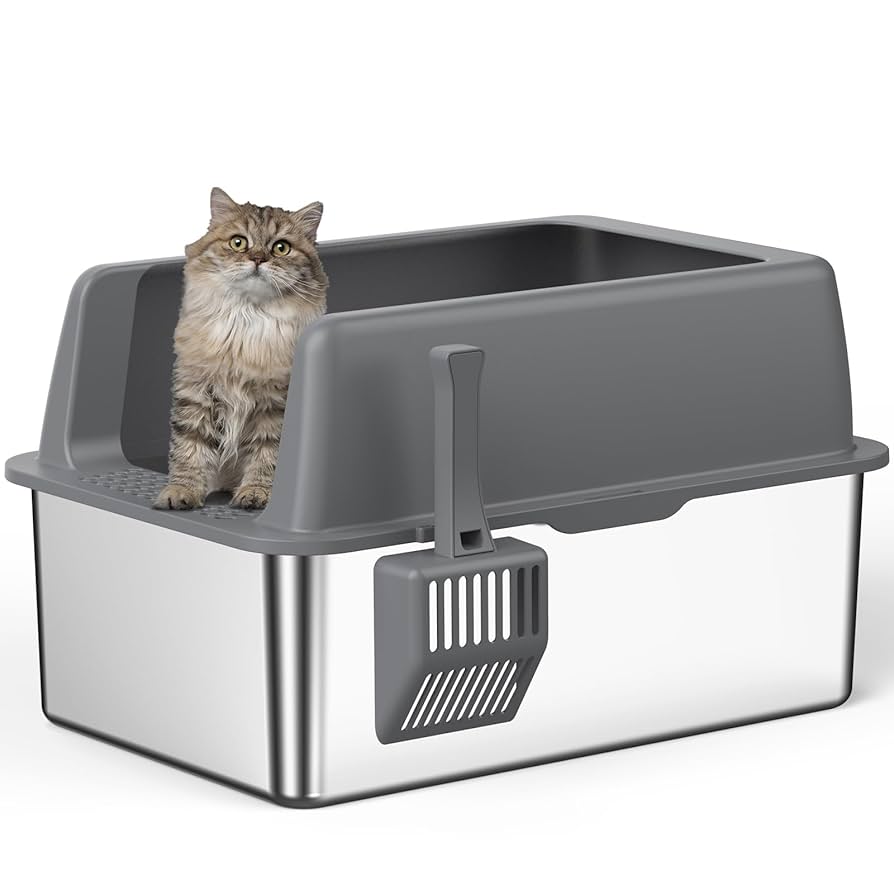
This open-top high-sided design is ideal for cats that prefer unenclosed spaces while still containing litter scatter.
Credit: www.amazon.com
Key Factors to Consider When Choosing a High-Sided Litter Box
Not all high-sided litter boxes are created equal, and the right model for your home will depend on your cat’s size, age, mobility, and your household’s specific needs. Keep these key factors in mind when shopping.
Size and Dimensions
The box should be at least 1.5 times the length of your cat from nose to tail base, to give them enough room to dig, turn, and squat comfortably. For average cats, look for a pan that is 18+ inches long, 14+ inches wide, and has 12+ inch high sides. For large breeds like Maine Coons or Savannah cats, opt for a 24+ inch long pan with 16+ inch high sides to accommodate their size and digging strength.
For multi-cat household setups, add an extra 6 inches of length per additional cat to ensure everyone has enough space without feeling crowded, which can reduce territorial marking and litter box avoidance.
Material
Litter box material impacts durability, ease of cleaning, and your cat’s comfort:
- BPA-free plastic: The most common and affordable option, lightweight, easy to wipe down, and available in a wide range of sizes. Look for non-porous high-density polyethylene to prevent litter and urine from soaking into the material and causing lingering odors.
- Stainless steel: Extremely durable, odor-resistant, and non-porous, making it ideal for cats with allergies or multi-cat homes where frequent deep cleaning is needed. It is heavier than plastic, so look for a model with a non-slip base to prevent sliding.
- Bamboo or recycled composite: Eco-friendly options made from sustainable materials, though they are often more expensive and may require more careful cleaning to avoid water damage.
Accessibility
If you have a senior cat (10+ years old) or a cat with arthritis, mobility issues, or injuries, prioritize a model with a low front entry (under 6 inches) or a built-in ramp. According to the American Veterinary Medical Association, arthritis affects over 60% of cats over 10 years old, and high entry points can deter cats from using the litter box entirely, leading to accidents around the home. Avoid pans with overly tall lips or steps that require your cat to jump more than a few inches to enter.
Must-Have Features for Long-Term Usability
Once you’ve narrowed down the size and material, look for these features to make your high-sided litter box easier to use for both you and your cat.
Non-Stick Interior Coating
A glazed or non-stick coated interior prevents wet clumps and litter from sticking to the sides of the pan, making scooping and deep cleaning far easier. Look for models with a smooth, seamless interior to avoid crevices where litter and bacteria can build up.
Enclosed vs. Open-Top Design
High-sided boxes come in both open-top and fully enclosed (hooded) designs:
- Open-top models are better for anxious cats that dislike enclosed spaces, and they are easier to scoop and clean. They work well for homes with good ventilation.
- Enclosed models add extra odor containment and privacy, but they require more frequent cleaning to prevent ammonia buildup inside the hood, and some cats may refuse to use them if they feel trapped.
A common mistake owners make is choosing an enclosed model without ensuring it has adequate ventilation holes, which can deter cats from using it entirely.
Built-In Litter Lip or Mat
Many high-sided boxes feature a 1-2 inch lip along the top edge that catches litter off your cat’s paws as they exit the box, reducing tracked litter by a significant amount. Some models even have a built-in litter mat attached to the lip for even better containment.
Accessibility Add-Ons
For households with senior cats or kittens, look for models with a removable ramp or a lowered front entry. If you have a cat that sprays urine, a splash guard along the top edge can prevent urine from seeping under the box and damaging your flooring. If you’d rather minimize manual scooping, many high-sided designs are compatible with self-cleaning litter box models that automate waste removal, making them ideal for busy owners or multi-cat homes.

Enclosed high-sided models add extra odor containment and privacy for anxious cats.
Credit: www.amazon.com
Placement, Setup, and Safety Tips
Even the best high-sided litter box won’t work if it’s placed in the wrong spot or set up incorrectly. Follow these guidelines to ensure your cat uses it consistently and you get the full mess-reducing benefit.
Ideal Placement
Per AVMA recommendations, place the litter box in a quiet, low-traffic area of your home that is easily accessible to your cat at all times. Bathrooms, laundry rooms, or a quiet corner of a spare room are all good options. Avoid placing the box near your cat’s food and water bowls, as cats naturally avoid eliminating near their eating area. Also avoid placing it near loud appliances like washing machines or furnaces, which can startle cats and deter them from using the box.
Stability and Safety
Place the box on a flat, stable surface, and use a non-slip mat underneath to prevent it from sliding when your cat jumps in or out. For homes with small children or curious dogs, consider a covered entryway or a latch to prevent the box from being tipped over or knocked across the room. If you have a kitten, block off access to the litter box area until they are old enough to safely climb over the high sides, or use a low-sided box until they reach 4 months of age.
Avoiding Common Placement Mistakes
A common mistake owners make is tucking the litter box in a hidden, hard-to-reach spot like a back closet or behind a heavy piece of furniture. Cats prefer litter boxes that are easy to access quickly, especially if they are older or have mobility issues. If you have a multi-story home, place a high-sided box on each floor to ensure your cat never has to travel far to find a bathroom.
Maintenance and Cleaning Best Practices
Regular maintenance is key to keeping your high-sided litter box effective at containing mess and odor, and to keeping your cat healthy. A dirty litter box is the number one reason cats avoid using their box, leading to accidents around the home.
Routine Cleaning Schedule
- Daily: Scoop out solid waste and clumped urine at least once per day. For multi-cat homes, scoop twice daily to keep the box fresh.
- Weekly: Empty all litter from the pan, wash it with warm water and mild, unscented dish soap, and let it air dry completely before refilling with fresh litter. Avoid using harsh chemical disinfectants like bleach or ammonia, as residual fumes can irritate your cat’s sensitive respiratory tract; the CDC recommends using mild soap and hot water for routine litter box cleaning to avoid exposing pets to toxic residues.
- Monthly: Deep clean the pan with a diluted vinegar solution (1 part white vinegar to 10 parts water) to remove mineral deposits from urine and eliminate lingering odors. Rinse thoroughly and let dry completely before adding new litter.
Odor Control Tips
For persistent odors, sprinkle a thin layer of safe deodorizing additives under the base litter layer to neutralize smells without irritating your cat’s sensitive nose. Avoid scented litters or air fresheners placed directly next to the litter box, as strong fragrances can deter cats from using the box entirely. If you use an enclosed high-sided pan, leave the hood off for a few hours after deep cleaning to let fresh air circulate and remove residual cleaning fumes.
Litter Replacement
Replace all litter every 2-4 weeks, depending on how many cats use the box and what type of litter you use. Clumping litter tends to last longer than non-clumping, but always replace it if you notice a strong ammonia smell or if the litter is clumping excessively even after scooping.
Top High-Sided Litter Box Options for Every Budget
High-sided litter boxes are available at every price point, from budget-friendly plastic pans to premium self-cleaning models. Here are our top picks for common use cases:
Budget-Friendly (Under $25)
- Van Ness CP2 High-Sided Pan: A durable BPA-free plastic pan with 12 inch high sides, available in extra-large sizes for large breeds. It is lightweight, easy to clean, and fits most standard litter mats.
- Petmate Hooded Litter Pan: An enclosed high-sided option with a removable top for easy scooping, ideal for small apartments where odor containment is a priority.
Mid-Range ($25-$75)
- Modkat Litter Box: A sleek, modern high-sided enclosed pan with a low front entry and optional ramp, designed to fit in small spaces while containing scatter and odor. Its non-stick interior makes cleaning quick and easy.
- Catit Jumbo Hooded Pan: A large, enclosed high-sided pan with 14 inch high sides and a built-in carbon filter for extra odor control, perfect for multi-cat homes.
Premium ($75+)
- Litter-Robot 4 High-Sided Attachment: A self-cleaning high-sided attachment that fits most standard Litter-Robot units, automating waste removal and reducing the need for daily scooping. It is ideal for busy owners or multi-cat homes, and works best with clumping litter for automatic systems to prevent motor jams.
- IRIS Top Entry High-Sided Pan: A unique top-entry design that contains scatter and tracking, with a removable step for easy access. It is perfect for cats that prefer enclosed spaces and owners who want to minimize tracked litter.
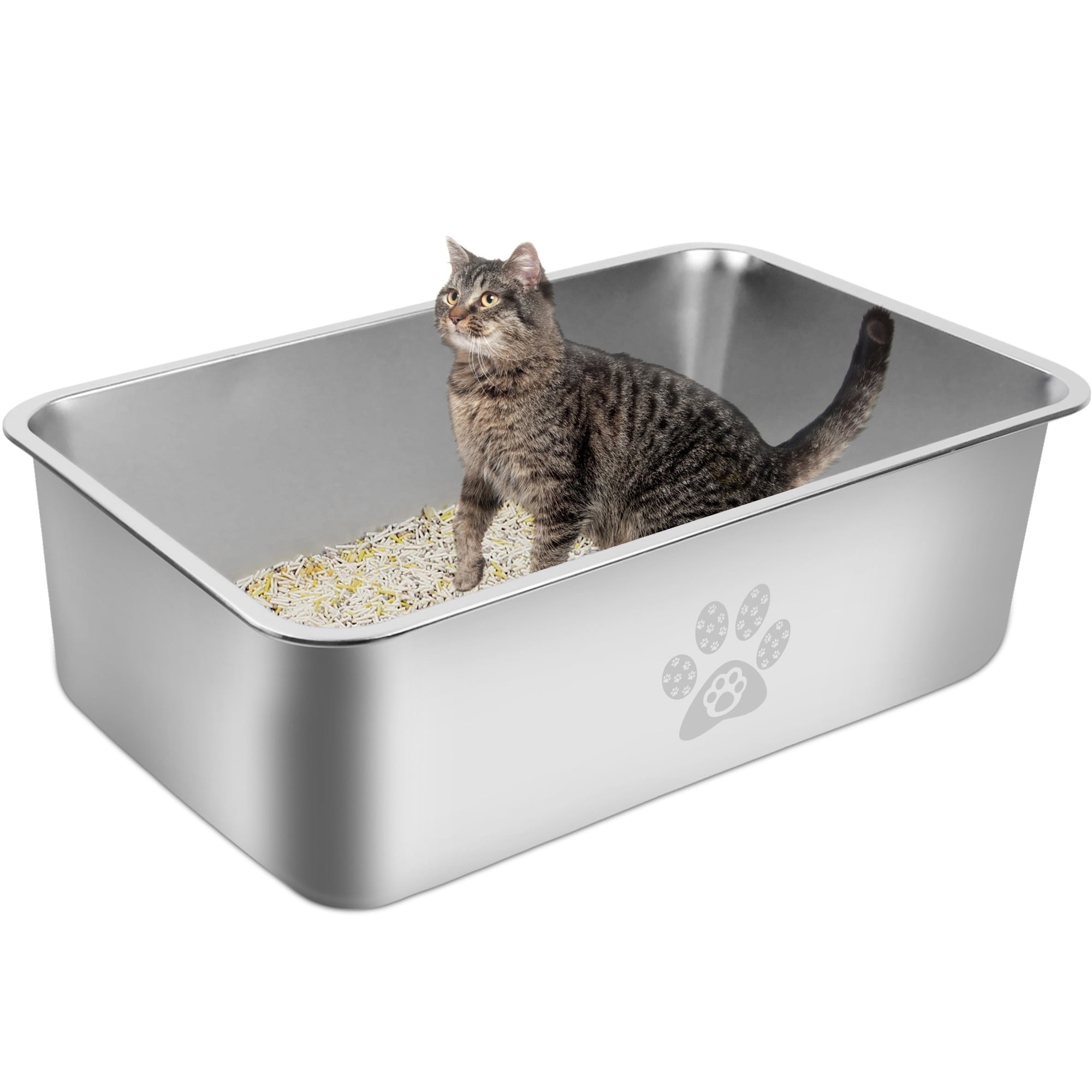
Stainless steel high-sided pans are durable, odor-resistant, and easy to sanitize, making them ideal for multi-cat homes.
Credit: www.walmart.com
Frequently Asked Questions
Are high-sided litter boxes good for all cats?
No, while high-sided boxes are excellent for cats that dig, spray, or stand to urinate, they are not ideal for senior cats with arthritis, cats with mobility impairments, or kittens under 4 months old that cannot climb over the sides. You can make a high-sided box accessible for these cats by adding a low ramp or step to the front entry. If your cat is hesitant to use a high-sided box, positive reinforcement training tips can help them adjust to the new setup.
Do cats prefer high or low litter boxes?
Most cats prefer low-entry litter boxes for easy access, as high sides can be intimidating or difficult to climb for cats with limited mobility. That said, many cats adjust well to high-sided boxes if they are introduced gradually, and the added privacy and reduced scatter often make them a preferred choice for otherwise able cats. Always monitor your cat’s behavior when introducing a new box to ensure they are comfortable using it.
Do vets recommend high-sided litter boxes?
Most veterinarians recommend high-sided litter boxes for cats with chronic litter scatter or urine spraying issues, as they reduce mess and the risk of urinary accidents on home surfaces. However, vets advise against using high-sided boxes for cats with arthritis, injuries, or mobility limitations, as the high entry can deter them from using the box entirely. The AVMA recommends choosing a litter box that is low enough for your cat to enter comfortably, regardless of side height.
Do cats like elevated litter boxes?
Many cats enjoy elevated or high-sided litter boxes because they provide a sense of security and privacy, aligning with their natural instinct to eliminate in a hidden, safe space. Elevated designs also reduce the risk of ambush from other pets in the home. If you choose an elevated model, ensure it has a stable base and easy access for all cats in your household.
Final Verdict: Is a High-Sided Litter Box Right for You?
A high-sided cat litter box is a simple, cost-effective solution to the most common cat litter headaches: scatter, odor, and urine spray mess. For cats that dig enthusiastically, stand to urinate, or live in multi-cat homes, the extra wall height makes a noticeable difference in keeping your home clean and fresh.
When choosing a model, prioritize your cat’s age and mobility first: if you have a senior or disabled cat, opt for a high-sided box with a low entry or ramp to ensure they can use it comfortably. For otherwise able cats, 12-14 inch high sides are ideal for most households, while 16+ inch sides work best for large breeds or enthusiastic diggers.
Pair your high-sided box with a high-quality clumping litter, a regular cleaning routine, and optional odor-controlling accessories to get the most out of your investment. With the right setup, you’ll spend less time sweeping up litter and more time enjoying your cat’s company.
Ready to cut down on litter mess for good? Explore our curated picks for the best high-sided litter boxes for every budget and cat need today.