
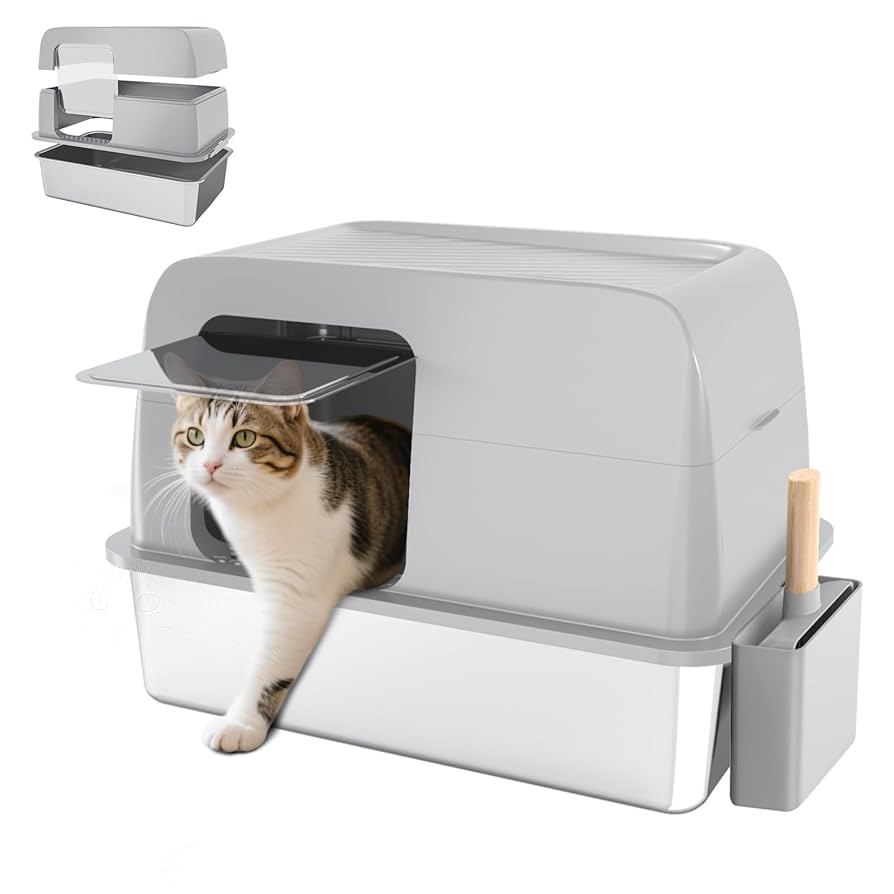
Imagine walking into your home and being greeted by a fresh, clean scent instead of the stale, ammonia-like odor of a dirty litter box. No more sweeping up scattered litter from your hardwood floors, no more holding your breath while you scoop waste, no more worrying about your cat avoiding a dirty box and having accidents on your rug. For millions of cat owners, traditional litter boxes are a constant source of daily frustration—but a purpose-built no mess cat litter box eliminates these headaches entirely, saving you hours of maintenance time each month while keeping your cat happy and healthy.
As of 2026, no mess litter box designs have evolved far beyond simple high-sided boxes: they range from budget-friendly entry-level models that block tracking to smart self-cleaning units that handle waste disposal automatically for weeks at a time. Whether you have a single kitten or a household of five cats, there’s a no mess solution tailored to your space, budget, and cat’s unique needs. This guide breaks down exactly how these boxes work, what features to prioritize, and how to pick the perfect model to cut down on mess and stress for good. You can also read our guide on flea and tick collar cat.
What Is a No Mess Cat Litter Box?
A no mess cat litter box is a purpose-built design that addresses the three most common litter-related headaches: litter tracking outside the box, persistent odor, and frequent manual cleanup. Unlike traditional open boxes, which rely entirely on owner maintenance to stay clean, no mess designs incorporate built-in features that contain waste, lock in smells, and reduce the amount of litter that ends up on your floors. They’re suitable for all cat ages and household sizes, and many are designed to fit seamlessly into modern home decor without looking out of place.
Core Real-World Benefits of a No Mess Cat Litter Box
Reduced Odor
Traditional open litter boxes allow ammonia from urine to waft into your home, creating stale, unpleasant smells that are hard to eliminate. No mess designs tackle this at the source with sealed waste compartments, activated carbon filters, and (in some premium models) enzymatic odor neutralizers that break down odor-causing compounds instead of just masking them with artificial fragrances. As noted by University of Minnesota Extension veterinary specialists, consistent odor control in litter box setups reduces feline stress and prevents inappropriate urination outside the box, a common behavioral issue in multi-cat households with dirty litter areas. This is especially beneficial for renters, people who work from home, or households with guests who are sensitive to pet odors. You can also read our guide on best ear wipes for cats.
Minimal Litter Tracking
One of the top complaints cat owners have is stray litter scattered across floors, rugs, and even furniture. No mess boxes address this with high sides, top-entry designs with built-in grate platforms that knock litter off cats’ paws as they exit, and deep attached litter mats that catch stray particles before they spread across your home. This is especially important for households with young children or immunocompromised residents, as reduced litter tracking lowers exposure to bacteria like E. coli and salmonella that can live in used litter.
Simplified Cleanup
Traditional litter boxes require daily scooping of waste, weekly full litter changes, and frequent scrubbing to prevent stain and odor buildup. No mess designs cut this workload drastically: non-automated models feature slide-out trays that let you scoop waste without reaching into the box or bending over, while self-cleaning models automatically rake waste into a sealed, disposable compartment every 10 to 30 minutes after your cat uses the box. For single-cat households, you only need to empty the waste drawer once every 7 to 10 days, cutting daily maintenance time by 70% or more for most owners. You can also read our guide on can you train cats like dogs.
Improved Cat Comfort & Health
Cats are fastidious about cleanliness, and a dirty, smelly litter box is one of the top reasons they develop inappropriate urination habits or avoid using their box entirely, which can lead to urinary tract infections. No mess boxes stay cleaner for longer between deep cleans, encouraging consistent use and reducing health risks. Many models also include low-entry designs for senior cats or cats with arthritis, eliminating the need to jump over high sides that can cause joint pain over time. Covered designs also give skittish cats the privacy they need to feel safe while eliminating, reducing stress in multi-pet households.
Time & Effort Savings
The average cat owner spends 10 to 15 minutes a day maintaining a traditional litter box, adding up to more than 5 hours a month. No mess designs eliminate most of this daily work, freeing up time for other tasks. For owners with mobility issues, back pain, or busy schedules that make daily scooping a burden, this time savings is a major quality-of-life improvement. Many owners also report reduced stress from no longer worrying about litter mess when hosting guests or traveling for short trips, as the box stays clean for days without manual intervention. You can also read our guide on how often do cats need wet food.
Key 2026 Design Features to Prioritize
Self-Cleaning Mechanisms
The most popular no mess feature for busy households is an automated self-cleaning system, which comes in two main styles: rake-based models, which use a motion sensor to detect when your cat leaves the box, then rake waste into a sealed side compartment; and rotating sifting models, which tilt the entire litter drum to separate clumps from clean litter, then return the clean litter to the box. Modern 2026 models include weight sensors that prevent the cleaning cycle from activating while your cat is inside, a critical safety feature that avoids startling or injuring your pet. Entry-level rechargeable cordless self-cleaning models have also become widely available in 2026, making them a viable option for renters or homes without easy access to outlets near the litter box area.
Advanced Odor Control
Beyond basic carbon filters, look for models with sealed waste compartments that lock in smells completely, even when the drawer is full. Cat-safe, non-toxic fragrance cartridges are an optional add-on for homes with persistent odor issues, but avoid models that use strong artificial fragrances or essential oils, as these can irritate your cat’s sensitive respiratory system and deter them from using the box. Some premium models also include HEPA filters that trap airborne litter dust and odor particles, making them ideal for households with allergy sufferers. You can also read our guide on cat litter box mats best.
Spill-Proof & Tracking Prevention
For cats that are dedicated litter kickers, prioritize models with sides at least 12 inches tall, or top-entry designs that force cats to step onto a grated platform before exiting the box, knocking excess litter off their paws. Many top-entry models also include a built-in lip tray that catches any stray litter that falls from the grate, eliminating the need for a separate litter mat in most cases. For senior cats or cats with limited mobility, look for low-entry models with a shallow step and a deep, wide litter mat compartment that catches tracking without making it hard for your cat to enter the box.
Durable, Easy-to-Clean Materials
All no mess boxes should be made from BPA-free, non-porous plastic that resists absorbing odors and bacteria. Rounded edges prevent scratches or injuries to your cat, and dishwasher-safe components make deep cleaning fast and hassle-free. Avoid models with porous ceramic or fabric components, as these absorb urine and waste, leading to persistent odors that are impossible to eliminate.
How to Choose the Right No Mess Litter Box for Your Home
Match the Design to Your Household Needs
Use this quick comparison to narrow down your options based on your unique situation:
| Household Type | Recommended Design | Key Priority |
|---|---|---|
| Single cat, small apartment | Non-automated top-entry or low-entry no mess box | Space-saving, low cost, minimal tracking |
| Multi-cat (2+ cats) | Self-cleaning, extra-large enclosed box | Odor control, reduced maintenance, ample space for multiple cats |
| Senior owner or mobility impairment | Self-cleaning model with a pull-out waste drawer at waist height | Reduced bending, minimal daily maintenance |
| Household with allergies/asthma | Sealed self-cleaning model with HEPA filter | Reduced airborne litter dust and allergen exposure |
| Skittish or anxious cat | Covered, low-entry box with quiet cleaning cycles | Privacy, no loud noises that cause stress |
Size & Space Requirements
A good rule of thumb is to choose a box that is at least 1.5 times the length of your cat from nose to the base of their tail: for an average 10lb domestic cat, that’s a minimum of 18 inches long and 12 inches wide. For multi-cat households, opt for a box at least 24 inches long to give each cat enough personal space to avoid territorial stress. Before purchasing, measure the spot where you plan to place the box: most self-cleaning models require at least 6 inches of clearance on the side where the waste drawer pulls out, and top-entry models need enough headroom for your cat to jump in comfortably. A common mistake owners make is buying a box that’s too small for their cat, leading to accidents and frustration for both pet and owner.
Budget Considerations
No mess litter boxes range from $20 for basic non-automated high-sided models to $600 for premium smart units with app connectivity and waste level alerts. Entry-level non-automated models are a great starting point for first-time buyers or single-cat households on a budget, while self-cleaning models are worth the investment for busy owners or multi-cat households, as they reduce litter waste by 30-50% over time by only removing waste, not clean litter, offsetting the upfront cost within 1 to 2 years.
Top-Rated No Mess Litter Boxes for 2026
Premium Pick: Litter-Robot 4
The Litter-Robot 4 is the top-rated self-cleaning no mess box for multi-cat households and owners with allergies. It uses a weight-sensitive sensor to avoid activating the cleaning cycle while your cat is inside, and its sealed waste drawer locks in all odors and airborne litter particles. The accompanying app alerts you when the waste drawer is full, and it’s compatible with all clumping clay and plant-based litters. It fits cats up to 30lbs, making it suitable for larger breeds like Maine Coons.
Mid-Range Pick: PetSafe ScoopFree Elite
The ScoopFree Elite is a great low-maintenance option for busy single-cat households. Instead of using traditional litter for urine, it uses disposable absorbent pads that lock in moisture and odor, so you only need to remove solid waste daily and replace the pad every 2 to 4 weeks. Its low-entry design is accessible for senior cats, and the enclosed design contains all litter and odor. It’s also one of the quietest self-cleaning models on the market, making it ideal for skittish cats that are scared of loud noises.
Budget Pick: IRIS Top Entry Litter Box
For under $30, the IRIS Top Entry Litter Box delivers all the core no mess benefits without the high cost of a self-cleaning model. Its top-entry design with a grated platform knocks litter off cats’ paws as they exit, and 12-inch high sides prevent even the most dedicated litter kickers from scattering waste outside the box. It’s large enough for cats up to 20lbs, and the smooth plastic interior is easy to wipe down during weekly deep cleans.
Non-Automated Premium Pick: Modkat XL
The Modkat XL is a stylish, non-automated no mess box that fits seamlessly into modern home decor. Its top-entry design includes a built-in, washable litter mat that catches most tracked litter (no separate mat needed), and the large 16x16 inch base is spacious enough for cats up to 25lbs. The lid can be removed for cats that prefer open boxes, and the slide-out tray makes scooping waste quick and mess-free. It’s a popular pick for renters who can’t install permanent fixtures or don’t want to deal with the noise of a self-cleaning model.
Installation & Setup Best Practices
Pre-Setup Planning
The first step to a successful setup is choosing the right location: place the box in a quiet, low-traffic area that’s separate from your cat’s food and water bowls—cats instinctively avoid eliminating near their food source, a common mistake that leads to accidents even with a perfect no mess design. Avoid dark, hard-to-reach spots like basements or closets, as cats will avoid using a box that’s difficult to access. For multi-cat households, place boxes on different levels of the home to give each cat private access.
If you’re switching from a traditional litter box, keep the old box in place alongside the new one for 3 to 5 days to let your cat adjust to the new design. You can transfer a small amount of used litter from the old box to the new one to carry your cat’s familiar scent, making them more comfortable exploring the new box.
Assembly & Calibration
For self-cleaning models, always assemble the box on a flat, hard surface (not carpet) to calibrate the weight sensor correctly. Most models require you to press a calibration button after assembly to set the baseline weight of the empty box, which prevents false cleaning cycles triggered by minor shifts in weight. If you’re using a top-entry model, place a non-slip mat under the base to prevent it from sliding when your cat jumps in, a common issue reported in user reviews.
Initial Setup & Testing
Fill the box with the litter type recommended by the manufacturer—most self-cleaning models work best with clumping clay or plant-based litter, but check the manual to avoid voiding your warranty. Fill to the marked line inside the box, then let your cat explore the new box on their own terms. Reward them with small treats or extra affection when they sniff or step into the box to create positive associations. Avoid forcing your cat to use the box, as this will create negative associations and make training harder.
Daily Maintenance & Long-Term Care
Daily Upkeep
For self-cleaning models, check the waste drawer every 2 to 3 days for single-cat households, and every 1 to 2 days for multi-cat households. Replace the disposable liner or empty waste as needed—most models have a full indicator light or app alert to remind you. For non-automated no mess boxes, scoop solid waste daily, and top off litter as it gets low to prevent tracking. Wipe down the exterior of the box and any attached litter mats weekly with a pet-safe, unscented cleaner to prevent bacteria and mold buildup.
Deep Cleaning Schedule
Empty all litter and deep clean the entire box every 2 to 4 weeks, depending on how many cats use it. Wash the box with warm water and mild, unscented dish soap—avoid harsh chemicals like bleach, ammonia, or scented disinfectants, as these leave toxic residues that can irritate your cat’s paws, eyes, and respiratory system. Rinse thoroughly and let air dry completely before refilling with fresh litter. For self-cleaning models, wipe down the raking mechanism and waste drawer with a damp cloth during deep cleans to prevent clump buildup that can jam the system.
Troubleshooting Common Issues
- Excess litter tracking: Check that the litter level is filled to the recommended line inside the box—overfilling gives cats more litter to kick, while underfilling makes it hard for clumps to form, leading to more scratching. For top-entry boxes, make sure the grate is clean and not clogged with litter, as this prevents it from knocking debris off paws effectively.
- Persistent odor: Empty the waste drawer more frequently, and avoid using scented litter or deodorizers that can irritate your cat. If the box itself smells after a deep clean, it may be made of porous material that’s absorbing odors—replace it with a non-porous model, or pair it with a high-quality litter deodorizer formulated for sensitive cats.
- Self-cleaning mechanism jams: Check for large clumps, cat toys, or other foreign objects stuck in the raking mechanism, and remove them before resetting the cycle. Most jams are caused by overfilled waste drawers or using litter that’s not recommended by the manufacturer.
- Cat avoiding the box: First rule out medical issues with a vet visit, as urinary tract infections and bladder stones are common causes of inappropriate urination. If your cat is healthy, try moving the box to a quieter spot, switching to an uncovered design if you have a covered box, or using a quieter self-cleaning model if loud cleaning cycles are scaring them.
Training Your Cat to Use a No Mess Litter Box
Introducing the New Box
Cats are creatures of habit, so sudden changes to their litter box setup can cause stress and avoidance. To make the transition smooth, place the new no mess box in the same spot as your cat’s old box for the first 3 to 5 days. Add a small amount of used litter from the old box to the new one to transfer your cat’s familiar scent, and place a few treats or catnip near the box to encourage them to explore it. If your cat is hesitant, you can also try feeding them small meals near the box to create positive associations with the area.
Encouraging Consistent Use
Stick to a strict cleaning schedule: cats will avoid a box that’s even slightly dirty, so regular waste removal is non-negotiable. For self-cleaning models, make sure the cleaning cycle isn’t scheduled to run while your cat is likely to use the box (e.g., right after meals or first thing in the morning). Use positive reinforcement training techniques like treats and praise when your cat uses the new box to strengthen the association between the box and positive outcomes. For multi-cat households, provide one box per cat plus one extra, as some cats refuse to share litter boxes.
Addressing Behavioral Issues
If your cat continues to avoid the no mess box after a 1 to 2 week adjustment period, first rule out medical issues with a veterinarian. If your cat is healthy, check for stressors near the box: loud noises, other pets blocking access, or strong scents from cleaning products or air fresheners can all deter cats from using the box. If your cat doesn’t like covered boxes, remove the lid if your model allows it, or switch to an open-top design. Avoid punishing your cat for accidents, as this will increase their stress and make the problem worse.
Environmental Impact & Sustainable Choices
Eco-Friendly Litter Compatibility
Most no mess litter boxes work perfectly with sustainable, biodegradable litter options, including recycled paper litter, wheat-based clumping litter, corn-based litter, and walnut shell litter, all of which are made from renewable resources and break down in landfills much faster than traditional clay litter. Note that silica gel litter, while low-tracking and long-lasting, is not biodegradable, so if sustainability is a priority for your household, opt for plant-based clumping litter instead. Avoid any litter that contains added synthetic fragrances or chemicals, as these can harm both your cat and the environment.
Reducing Waste Long-Term
Self-cleaning no mess boxes reduce overall litter waste by 30 to 50% compared to traditional boxes, as they only remove solid waste and clumps, leaving clean litter intact for reuse. This means you’ll buy litter less often, reducing the amount of packaging waste and raw materials used over the life of the box. As of 2026, many municipalities accept composted biodegradable pet waste in green curbside bins, so if you use compostable litter, check your local guidelines to see if you can dispose of it sustainably instead of sending it to a landfill. Always avoid flushing cat litter down the toilet, as it can clog pipes and harm local water systems, even if it’s labeled as flushable.
End-of-Life Disposal
Most no mess litter boxes are made from recyclable #5 plastic, so check your local recycling guidelines to see if you can recycle the box when it’s time to replace it (most plastic models last 3 to 5 years with proper care, while premium units can last 7+ years). Some brands also offer take-back programs for old units, where they recycle the components for you, reducing waste even further.
Frequently Asked Questions
What’s the best litter for a no mess cat litter box to minimize tracking?
Clumping, low-dust clay or plant-based litter works best for most no mess designs. Low-dust formulas reduce the amount of fine particles that get tracked onto paws and floors, and slightly heavier clumping litter stays in the box better than lightweight silica litter, especially for top-entry models. Avoid crystal litter if you have a self-cleaning rake model, as the small crystals can get stuck in the raking mechanism and cause jams. For best results, fill the box to the marked line inside to prevent overfilling, which leads to excess kicking and tracking.
How do I stop my cat from kicking litter out of a no mess box?
First, ensure the litter level is filled to the recommended line inside the box—overfilling gives cats more litter to kick, while underfilling makes it hard for clumps to form, leading to more scratching. If your cat is a heavy kicker, opt for a top-entry or fully enclosed no mess box with sides at least 12 inches tall and a built-in grate platform that knocks litter off paws before the cat exits the box. Adding a large, deep litter mat directly in front of the box will catch any stray litter that does get kicked out, cutting down on cleanup even more.
Is a self-cleaning no mess litter box worth the higher cost?
For most multi-cat households, busy professionals, or owners with mobility issues, yes. Self-cleaning models cut daily maintenance time by 70% or more, reduce odor significantly, and eliminate the need to scoop waste daily. The upfront cost is typically offset within 1 to 2 years by reduced litter purchases and less time spent on cleaning. For single-cat households with low schedules, a high-quality non-automated no mess box may be a more cost-effective option.
What is the golden rule for litter box placement to avoid mess?
Place the no mess box in a quiet, low-traffic area that’s separate from your cat’s food and water bowls, with at least two exit routes so your cat doesn’t feel trapped. Avoid placing it in dark, hard-to-reach spots like basements or closets, as cats may avoid using a box that’s difficult to access. For multi-cat households, place boxes on different floors of the home to give each cat their own private space, which reduces territorial stress and inappropriate urination.
Can I use a no mess litter box for kittens or senior cats?
Yes, but choose a model tailored to their needs: for kittens under 6 months old, avoid self-cleaning models, as their small weight may not trigger the sensor, leading to accidental cleaning cycles while they’re using the box. For senior cats or cats with arthritis, opt for low-entry models with a shallow step to eliminate the need to jump over high sides, which can cause joint pain over time.
Final Thoughts
A no mess cat litter box is more than just a convenience—it’s a simple upgrade that improves both your quality of life and your cat’s health and happiness. By eliminating daily scooping, cutting down on litter tracking, and locking in unpleasant odors, these boxes remove one of the biggest headaches of cat ownership, freeing up time for the moments that matter most with your pet.
When choosing a model, prioritize your cat’s unique needs over flashy extra features: a box that your cat is comfortable using will always perform better than a high-tech model that scares or inconveniences them. With proper setup and regular maintenance, a no mess litter box will keep your home fresh and your cat content for years to come.
If you’re ready to cut down on litter mess and odor, explore our full roundup of the best self-cleaning cat litter boxes to find the perfect fit for your home and cat’s needs.

Top-entry no mess designs prevent litter tracking by catching debris on a grated platform before your cat steps onto your floor.
Credit: www.amazon.com

Self-cleaning models store waste in sealed, disposable drawers that lock in odors for up to 10 days.
Credit: www.amazon.com

No mess designs eliminate the constant need to sweep up stray litter around the box.
Credit: www.amazon.com For households with more than one cat, our in-depth guide to multi-pet friendly litter solutions breaks down which no mess designs hold up to heavy daily use without sacrificing odor control or ease of cleaning.