
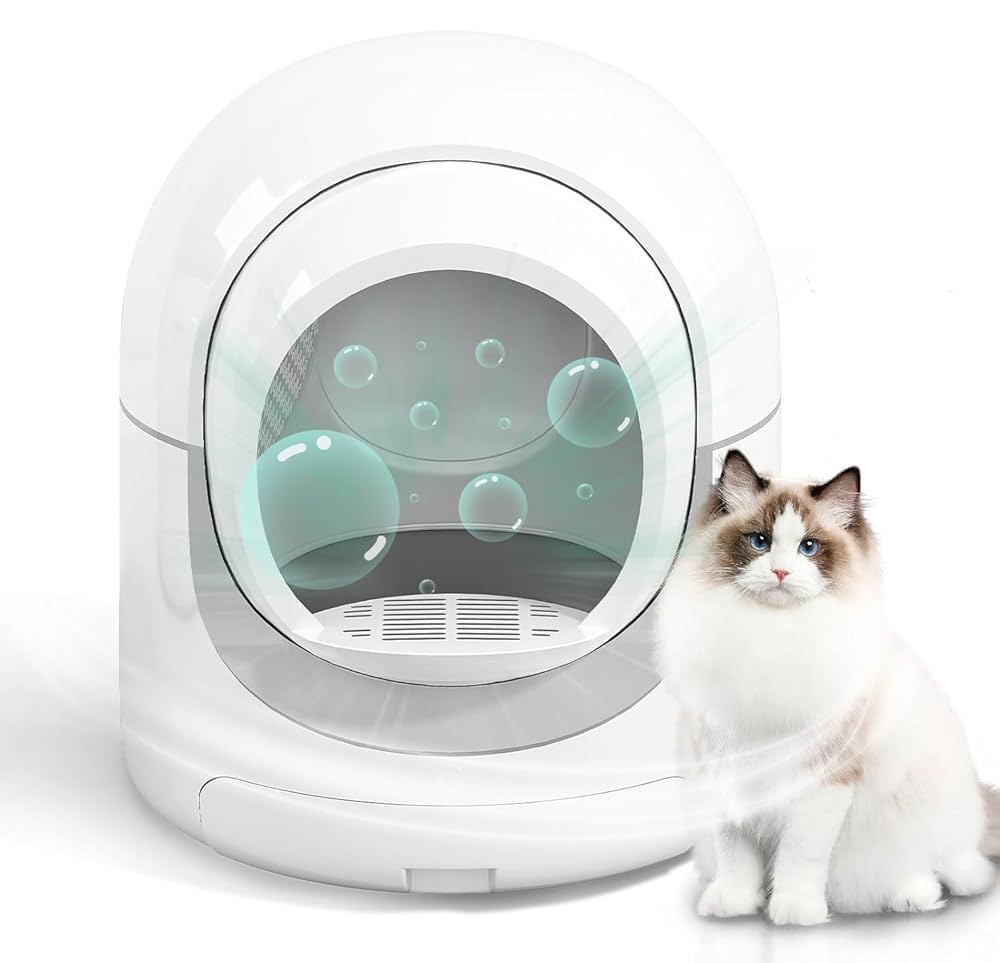
Most cat owners spend 10–15 minutes daily scooping waste from their pet’s litter box, adding up to more than 60 hours a year on a chore few enjoy. Missed cleanings don’t just create unpleasant odors: they can lead to inappropriate elimination, increased risk of urinary tract infections (UTIs), and stress for both cats and their humans. The automatic self-cleaning cat litter box eliminates this hassle by using sensor-activated mechanisms to rake, sift, or flush waste within minutes of your cat exiting, delivering a consistently clean space without daily manual labor. For busy professionals, frequent travelers, households with mobility limitations, or anyone tired of scooping, this device doesn’t just simplify pet care—it improves feline welfare by maintaining the hygienic conditions cats instinctively prefer. Below, we break down how these units work, what to look for when buying, honest trade-offs, and how to help your cat adjust to a new automated bathroom.
Core Benefits of Automatic Self-Cleaning Litter Boxes
These devices deliver value for both cats and their owners, solving common pain points of traditional litter box maintenance while improving overall pet wellness. You can also read our guide on is wet food better for cats.
Unmatched Convenience for Busy Households
Unlike traditional litter boxes that require daily scooping (and sometimes multiple times a day for multi-cat homes), automatic units handle waste removal on a set schedule or immediately after each use. This is a game-changer for owners who work long hours, travel frequently, or have physical limitations that make bending and scooping difficult. You’ll never have to worry about coming home to a messy box or asking a friend to pet-sit just to handle litter duty. Many models also have large waste drawers that only need emptying every 7–14 days for single cats, cutting down on maintenance frequency dramatically. For households with multiple feline roommates, high-capacity models reduce the need for multiple traditional boxes, freeing up floor space.
Superior Hygiene & Feline Health
Cats are fastidious animals that avoid dirty litter boxes, and inconsistent cleaning is a leading cause of inappropriate elimination (when cats urinate or defecate outside their box) and UTIs. The American Association of Feline Practitioners veterinary guidelines for feline litter box hygiene recommend scooping waste at least once daily and fully changing litter weekly to reduce bacterial growth. Automatic boxes meet or exceed this standard by removing waste immediately after each use, minimizing your cat’s exposure to harmful bacteria and ammonia buildup. In practice, many owners report a drop in litter box avoidance behaviors within weeks of switching to an automated unit. You can also read our guide on flea and tick collar cat.
Enhanced Odor Control
Traditional litter boxes rely on owners scooping frequently to control odor, but even a small amount of left-behind waste can create strong, lingering smells in your home. Automatic units seal waste in a separate, airtight drawer or compartment the second it is removed from the litter bed, preventing odors from escaping into your living space. Many models also include carbon filters to further neutralize smells, eliminating the need for frequent air freshening around the box area. For extra odor protection, you can pair your automatic box with supplemental odor control solutions designed for automated systems.
Time & Stress Reduction
The average cat owner spends over an hour a week on litter box maintenance. Over a year, that adds up to a full day of work spent on a tedious, often unpleasant task. Automatic boxes cut that time down to just 10–15 minutes a week for waste drawer emptying and occasional deep cleaning, freeing you up for playtime, training, or other pet care activities. Reduced chore stress also improves the overall experience of cat ownership, strengthening the bond between you and your pet. You can also read our guide on seresto cat flea and tick collar.

A popular rake-style automatic litter box, the most common design on the market
Credit: www.amazon.ca
How Automatic Self-Cleaning Litter Boxes Work
Modern automated units use a combination of sensors, motors, and waste management systems to deliver hands-free cleaning, with different designs suited to different household needs.
Core Cleaning Mechanisms
There are three primary types of automatic cleaning systems, each with unique pros and cons:
- Rake-style: The most common and affordable design, a motorized rake sifts through the litter bed after each use, depositing clumped waste into a sealed drawer. These models are low-maintenance and work well with most clumping litter.
- Rotating drum: A large drum rotates slowly to sift waste through a screen into a separate compartment, leaving clean litter behind. These models are highly effective for large cats or multi-cat homes, as they handle high waste volumes without jamming.
- Self-flushing/conveyor: Higher-end models use a conveyor belt or even a water-based flushing system (similar to a human toilet) to remove waste entirely. These eliminate the need for waste cartridges but require a water line connection and higher upfront costs.
Sensor & Safety Technology
All automatic litter boxes use motion and weight sensors to detect when a cat enters and exits the unit. Cleaning cycles only activate 5–10 minutes after the cat leaves, ensuring the box is not interrupted mid-use. Safety features include automatic shut-offs if the cat re-enters during a cycle, non-toxic materials, and low-voltage power to prevent electric shock. Higher-end 2026 models also include sensors that detect jams or low litter levels, sending alerts to your phone so you can address issues before they cause messes or stress for your cat.
Waste Management Systems
Waste is collected in a removable, sealable drawer or cartridge that contains odors and prevents leaks. Most single-cat models require emptying the waste drawer once every 7–10 days, while multi-cat models may need emptying every 3–5 days. Some high-end units offer biodegradable waste cartridges that can be thrown out with regular trash, while others require you to empty the drawer into a toilet or outdoor bin. Regular deep cleaning of the litter bed and internal components every 4–6 weeks is still required to prevent bacterial buildup and keep sensors functioning properly.
Key Features to Evaluate Before Buying
Not all automatic litter boxes are created equal, and prioritizing the right features for your household will ensure you get a model that works for both you and your cat.
Size & Space Requirements
The interior of the litter box must be large enough for your cat to turn around comfortably and dig without feeling confined. The general rule of thumb is that the box interior should be at least 1.5x the length of your cat from nose to tail base: for a 10lb average cat, that means a minimum 15” x 20” interior space. If you have a large breed like a Maine Coon, look for extra-large models with 20”+ interiors. For small apartments, compact enclosed models save space but may be too cramped for larger cats. Always measure the area where you plan to place the box before purchasing, leaving 6” of clearance on all sides for ventilation and access. If you’re unsure what size works best for your cat, feline-friendly litter box designs break down size requirements by breed and age.
Noise Level & Cat Tolerance
Automatic cleaning cycles produce noise from motors, rakes, or rotating drums, which can startle skittish cats or disrupt quiet households. Rake-style models typically produce 50–60 decibels of noise during cleaning (similar to a normal conversation), while rotating drum models are often quieter at 40–50 decibels. If you have a noise-averse cat or plan to place the box near a bedroom or living area, look for models labeled "quiet operation" and read user reviews to confirm real-world noise levels. A common mistake owners make is placing the box in a high-traffic area, which amplifies noise and makes cats feel exposed while using it.
Litter Compatibility
Not all automatic litter boxes work with every type of litter. Most models require low-dust, fast-clumping clay or silica gel litter, as these break apart cleanly during the sifting process. Non-clumping clay, pine, paper, or wheat litter will often jam the mechanism or fail to separate waste properly. Always check the manufacturer’s litter recommendations before buying, and opt for litter for automated boxes to avoid jams and ensure optimal performance.
Maintenance & Waste Disposal
Look for models with removable waste drawers that are easy to lift, empty, and clean without getting litter on your hands. Some models use proprietary waste cartridges that snap in and out for mess-free replacement, while others have open drawers that can be emptied directly into a toilet. Consider how often you’ll need to replace parts like filters, rakes, or cartridges, and factor those ongoing costs into your budget. Models with smooth, non-porous surfaces are also easier to wipe down during deep cleaning, reducing the time you spend on upkeep.
Smart & Health Tracking Features
Newer 2026 models include app connectivity that sends alerts when the waste drawer is full, litter levels are low, or the unit needs maintenance. High-end options even track your cat’s weight, frequency of box use, and even detect signs of blood in urine or stool, sending health alerts to your phone. These features are especially useful for senior cats or cats with chronic health conditions, as early detection of urinary issues can reduce vet costs and improve outcomes. If you’re interested in these features, look for models with Wi-Fi connectivity and a companion app with positive user reviews for reliability.
Popular Model Types & What to Expect
With dozens of models on the market, narrowing down the right type for your household is easier when you understand the core differences between design categories.
| Model Type | Typical Price Range | Pros | Cons | Best For |
|---|---|---|---|---|
| Rake-style | $150–$300 | Affordable, low maintenance, compatible with most clumping litter | Can jam with large clumps, louder than drum models | Single-cat households, budget buyers |
| Rotating drum | $250–$500 | High waste capacity, quiet operation, low jamming risk | Higher upfront cost, larger footprint | Multi-cat homes, large or heavy cats |
| Self-flushing | $500–$1,200 | No waste cartridges needed, eliminates odor completely | Requires water line connection, higher water use, expensive | Owners with space for a permanent installation, eco-focused users |
Rake-Style Models
The most popular and widely available option, rake-style units use a motorized rake to sift waste after each use, depositing it into a sealed drawer. Brands like PetSafe’s ScoopFree line dominate this category, offering reliable performance at an accessible price point. These models are ideal for first-time automatic box buyers, as they have few parts that can break and are compatible with most standard clumping litter. The main downside is that very large or hard clumps can jam the rake, requiring occasional manual clearing.
Rotating Drum Models
Led by Litter-Robot, rotating drum models use a slowly spinning drum with a sifting screen to separate waste from clean litter. These units are extremely reliable, handle high waste volumes without jamming, and are much quieter than rake-style models, making them a top pick for skittish cats. Many models also have large waste drawers that only need emptying once every 2 weeks for single cats. The main trade-off is a higher upfront cost and larger footprint, which may not be suitable for small apartments. For a full list of top-rated options, check out our top-rated self-cleaning models.
Self-Washing/Flushing Models
CatGenie is the leading brand in this category, offering a model that washes waste with water and biodegradable cleaning solution, then flushes it down a standard toilet drain, eliminating the need for waste cartridges entirely. These models are the most eco-friendly option for owners with a nearby toilet and water line, as they produce no landfill waste from used cartridges. The downsides are a very high upfront cost, higher water usage, and the need for regular cleaning of the internal washing components to prevent mold or mildew buildup.
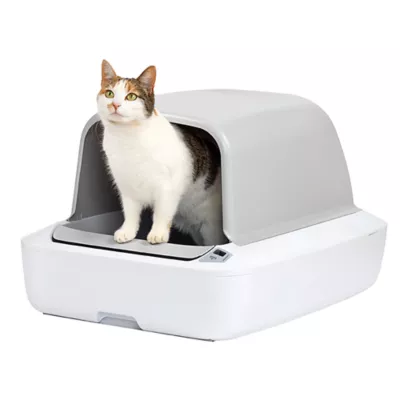
Enclosed automatic models reduce litter tracking and contain odors more effectively
Credit: www.petsmart.ca
Potential Drawbacks & Honest Trade-Offs
Automatic litter boxes deliver significant convenience, but they come with limitations that are important to weigh before purchasing.
Upfront & Ongoing Costs
Automatic litter boxes cost 5–10x more than traditional boxes, with prices ranging from $150 for basic rake-style models to over $1,000 for high-end self-flushing units. In addition to the initial purchase, most models require ongoing costs for waste cartridges, filters, or specialized litter, which can add $10–$30 per month to your pet care budget. For budget-conscious owners, this long-term cost is a key consideration before investing in an automated unit.
Cat Adaptation Challenges
Not all cats will take to an automatic litter box immediately. Skittish cats, kittens under 6 months old, or cats with a history of litter box anxiety may be frightened by the noise or movement of the cleaning cycle. Larger breeds may also find smaller automated boxes cramped, leading to refusal to use them. In practice, 80% of cats adapt to a new automatic box within 2 weeks if introduced gradually, but some cats may never adjust, requiring you to keep a traditional box as a backup.
Technical Malfunction Risks
Like any electronic device, automatic litter boxes can experience technical issues over time. Sensors can become dusty or misaligned, causing them to fail to detect when the cat has exited, leading to interrupted cleaning cycles. Motors can burn out, rakes can break, and waste drawers can leak if not emptied regularly. Most models come with 1–3 year warranties, but repair costs for out-of-warranty units can be high. Regular cleaning of sensors and internal components every 4–6 weeks reduces the risk of malfunctions.
Space & Power Requirements
Automatic litter boxes are larger than traditional boxes, with most models measuring 20” x 25” or larger. They also require a nearby electrical outlet, which may limit placement options in small homes or apartments. Enclosed models save space but may feel confining to larger cats, while open models take up more floor room but are more accessible for cats with arthritis or mobility issues.
How to Transition Your Cat to an Automatic Litter Box
Cats are creatures of habit, and a sudden switch to a new litter box can lead to refusal or anxiety. A gradual, low-stress transition will help your cat adjust quickly.
Pre-Transition Preparation
Before bringing the new box home, set it up in a quiet, low-traffic area of your home away from your cat’s food, water, and sleeping areas. Keep your cat’s existing litter box in its usual spot to avoid confusion. If you’re switching litter types, mix a small amount of the new litter (compatible with the automatic box) into your cat’s existing litter 1 week before introducing the new box to let them get used to the scent and texture.
Gradual Introduction
Place the automatic box next to your cat’s existing box for the first 3–5 days, leaving both boxes clean and accessible. Let your cat investigate the new box at their own pace; do not force them inside. After 5 days, start removing waste from the old box less frequently to make it less appealing, while the automatic box remains consistently clean. You can also place training treats to reward use near the new box to create a positive association.
Encouraging Consistent Use
If your cat is hesitant to enter the automatic box, remove the top cover (if it’s removable) to make it feel less confining. You can also place a piece of your cat’s used litter (from the old box) into the new box’s litter bed to transfer their familiar scent. Never punish your cat for avoiding the new box, as this will increase their anxiety and make the transition harder. Reward them with treats and praise immediately after they use the new box to reinforce the behavior.
Troubleshooting Common Refusal
If your cat avoids the box for more than 7 days, first check that the unit is functioning properly (no unexpected noises during cleaning cycles, sensors are working) and that the litter type is compatible. If your cat is scared of the cleaning cycle, you can temporarily turn off the automatic cleaning function and manually scoop waste for 1–2 weeks while they get used to the new box, then re-enable the automatic cycle gradually. If refusal persists, consult your veterinarian to rule out underlying health issues like UTIs or arthritis that may be making the box uncomfortable to use.
The Future of Automated Litter Box Technology
Automatic self-cleaning litter boxes are already transforming pet care, and 2026 innovations promise even more functionality for owners and cats alike.
Integrated Health Monitoring
2026 and newer models are increasingly incorporating health tracking features that go beyond basic waste removal. Sensors can track your cat’s weight each time they use the box, monitor how often they urinate or defecate, and even detect traces of blood, protein, or crystals in waste that could indicate UTIs, kidney disease, or other health issues. These alerts are sent directly to your phone, allowing you to catch health problems early, often before clinical symptoms appear. For cats with chronic conditions, this data can also be shared with your veterinarian to inform treatment plans.
Smart Home Compatibility
Newer automatic litter boxes integrate seamlessly with popular smart home ecosystems like Amazon Alexa, Google Home, and Apple HomeKit. You can use voice commands to check waste drawer status, adjust cleaning schedules, or order replacement litter and cartridges directly through your smart speaker. App connectivity also lets you monitor your cat’s box usage remotely when you’re traveling, giving you peace of mind that your pet is comfortable and healthy even when you’re not home.
Sustainable & Low-Waste Designs
Eco-conscious pet owners will appreciate the growing number of sustainable automatic litter boxes hitting the market in 2026. Many models use recycled plastics in their construction, require 30–50% less litter than traditional boxes, and offer biodegradable waste cartridges made from plant-based materials that break down in landfills within 6 months. Some self-flushing models also use low-flow water systems to reduce water usage by 40% compared to standard toilet flushes, meeting U.S. Environmental Protection Agency waste reduction guidelines for low-impact household products.
Compact automatic options are ideal for apartments and small living spaces
Credit: www.canadiantire.ca

Frequently Asked Questions
Is a self-cleaning cat litter box worth it?
For most cat owners, yes. While the upfront cost is higher than a traditional box, the time savings, reduced odor, and improved feline hygiene often outweigh the investment. For multi-cat households, automated boxes can reduce the number of traditional boxes you need to maintain, and the consistent cleanliness can reduce inappropriate elimination behaviors that lead to costly cleaning or vet bills. If you only have one cat and don’t mind daily scooping, a traditional box may be sufficient, but for busy owners, the convenience is well worth the cost.
Do vets recommend automatic litter boxes?
Yes, with caveats. The American Association of Feline Practitioners recommends scooping litter at least once daily to reduce bacterial growth and prevent UTIs, a guideline that is difficult for many busy owners to meet. Automatic boxes that clean after each use help fulfill this guideline, reducing the risk of health and behavioral issues in cats. Vets may recommend them especially for owners with mobility issues, busy schedules, or cats with a history of litter box avoidance. Always consult your veterinarian before switching to an automatic box if your cat has existing health or behavioral issues.
What is the best self-cleaning litter box for cats?
The best model depends on your cat’s size, your budget, and your household needs. For large cats or multi-cat homes, the Litter-Robot 4 is a top pick for its large rotating drum, high waste capacity, and quiet operation. For budget-focused single-cat households, the PetSafe ScoopFree rake-style model offers reliable performance at an accessible price point. For eco-conscious owners with space for a permanent installation, the CatGenie self-flushing model eliminates waste cartridges entirely. For a full comparison of top models, check out our full automated litter box buyer's guide.
What are the cons of automatic cat litter boxes?
The biggest downsides are the high upfront cost ($150–$1,200) and ongoing expenses for waste cartridges, filters, and specialized litter, which can add $10–$30 per month to your pet care budget. Some cats, especially skittish kittens or cats with anxiety, may be frightened by the cleaning cycle and refuse to use the box. Technical malfunctions like jammed rakes or broken sensors can also lead to messes if not addressed quickly, and most models still require periodic deep cleaning every 4–6 weeks to function properly. Enclosed models may also be too cramped for large or obese cats, so always prioritize size when shopping for a big breed.
Final Thoughts
An automatic self-cleaning cat litter box is more than just a convenience gadget: it’s a tool that improves both your quality of life and your cat’s welfare by maintaining the consistently clean, low-odor environment cats require to feel comfortable using their litter box. While the upfront cost and potential adaptation period are worth considering, the time savings, reduced stress, and lower risk of litter box-related behavioral issues make it a worthwhile investment for most households. If you’re ready to eliminate daily scooping and give your cat a better bathroom experience, explore our guide to the best automatic cat litter boxes to find a model that fits your home, budget, and feline’s unique needs.