
When your cat turns down their favorite meal, hides more than usual, or shows other signs of illness, it’s natural to feel anxious and unsure how to best support their recovery. While veterinary care is always the first step for serious illness, nutrition is one of the most powerful tools you have to speed healing, reduce discomfort, and prevent secondary complications. Sick cats have very different nutritional needs than healthy ones: their metabolism shifts, nutrient absorption drops, and many develop hyporexia (reduced appetite) or anorexia (complete refusal to eat) that can delay recovery or even cause life-threatening conditions like hepatic lipidosis if left unaddressed.
Unlike the one-size-fits-all diet recommendations for healthy cats, sick cats need tailored nutrition that aligns with their specific condition, age, and symptom severity. This guide breaks down evidence-based, vet-approved nutritional guidelines to help you provide the right support for your feline friend, no matter what ails them. You can also read our guide on does wet food hydrate cats.
Why Sick Cats Have Unique Nutritional Needs
Illness fundamentally changes how a cat’s body processes food. Fever, infection, and inflammation increase their caloric needs by 20-50% compared to maintenance levels, while nausea, congestion, or pain often suppress their appetite. Many sick cats also absorb nutrients less efficiently, meaning they need higher concentrations of protein, vitamins, and minerals in smaller portions to meet their body’s demands. Guidance from the Cornell Feline Health Center emphasizes that inadequate nutritional support during illness can prolong recovery by days or even weeks, and increase the risk of secondary complications like muscle wasting and weakened immune function.
Core Nutritional Requirements for Recovery
While exact needs vary by condition, all sick cats benefit from adjustments to their standard diet to support healing. These are the non-negotiable baseline requirements for most feline illnesses:
Adjusted Caloric Intake
Most sick cats need 1.2 to 1.5 times their normal daily caloric intake to support immune function and tissue repair, but their reduced appetite makes hitting this target challenging. Prioritize calorie-dense, easy-to-eat options like wet food, prescription recovery diets, or vet-approved calorie gels over dry kibble, which is less palatable and hydrating for ill cats. A common mistake owners make is switching to a "light" or low-calorie diet when their cat is sick, but this deprives them of the energy they need to fight illness. You can also read our guide on can cats have freeze dried strawberries.
High-Quality Animal Protein
Cats are obligate carnivores, meaning they require animal-based protein to survive, and this need becomes even more critical when they’re ill. Protein provides the amino acids needed for tissue repair, immune cell production, and preservation of lean muscle mass (which many sick cats lose rapidly). Aim for diets with 30-45% protein on a dry matter basis, with whole animal proteins (chicken, turkey, fish, rabbit) as the first ingredient. Amino acids like arginine and taurine are non-negotiable for feline health, and deficiencies can worsen heart and immune function during recovery. For cats with no underlying chronic conditions, starting with nutritionally complete base diets ensures they get all essential amino acids and micronutrients even when ill.
Targeted Vitamins and Minerals
Illness depletes a cat’s stores of key micronutrients faster than normal, but supplementing without veterinary guidance can do more harm than good. B vitamins support energy metabolism and appetite, zinc aids wound healing, and omega-3 fatty acids reduce inflammation associated with infection or chronic conditions. The American Veterinary Medical Association advises against giving cats over-the-counter human supplements or unvetted pet multivitamins, as cats process nutrients very differently than humans, and excess fat-soluble vitamins (A, D, E, K) can build up to toxic levels in their liver. Any supplement addition should be approved by your vet first. You can also read our guide on how many oz of wet cat food per day.
Hydration Non-Negotiables
Dehydration is one of the most common and dangerous complications for sick cats, as it reduces kidney function, slows nutrient absorption, and can worsen underlying conditions like kidney disease or diabetes. Most cats need 50-70ml of water per kilogram of body weight per day, but ill cats often need more, especially if they are vomiting or have diarrhea. Wet food is 70-80% water, so switching to a wet-only diet during illness can boost hydration intake significantly. In practice, many cats refuse still water when ill due to congestion or lethargy; one common, low-effort fix that works for most cats is a circulating water fountain, which mimics natural running water and encourages drinking.

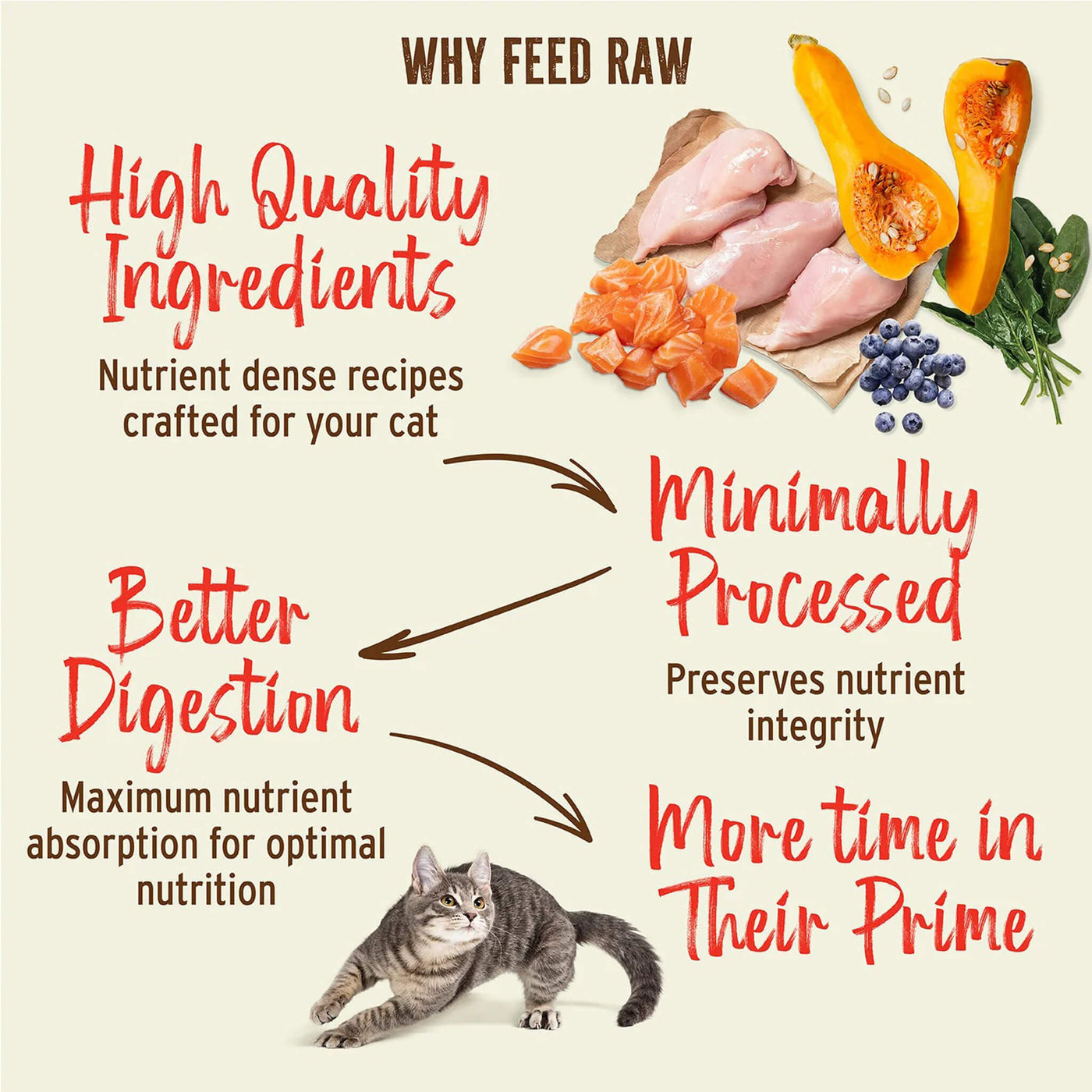
Wet food is easier for sick cats to digest and helps boost hydration
Credit: thelittlecarnivore.com
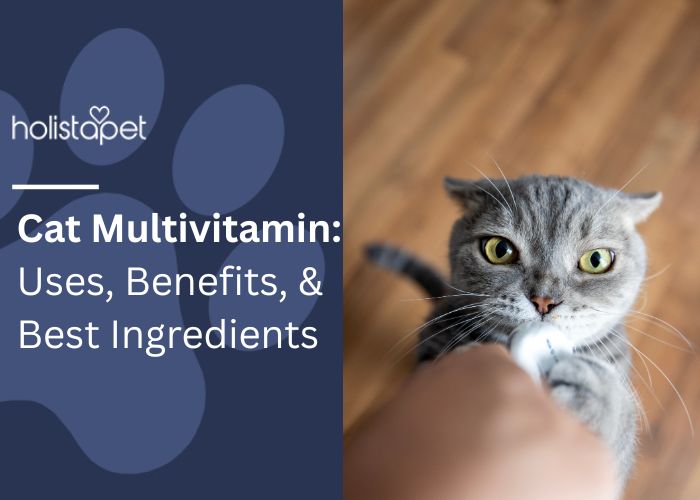
Always consult your vet before adding supplements to your cat’s diet to avoid toxicity
Credit: www.holistapet.com
Nutrition for Common Feline Illnesses
Nutritional needs vary drastically depending on your cat’s diagnosis, so these guidelines are general — always follow your vet’s tailored recommendations for your cat’s specific condition.
Kidney Disease
For cats with chronic kidney disease (CKD), the goal is to reduce strain on the kidneys while preserving muscle mass. Older guidance recommended low-protein diets, but current veterinary consensus supports moderate, high-quality protein (25-35% on a dry matter basis) to prevent muscle wasting, paired with very low phosphorus levels (<0.5% dry matter) to slow disease progression. Omega-3 fatty acids from fish oil can also reduce kidney inflammation. For cats diagnosed with CKD, a kidney-supportive wet formula can help manage phosphorus levels and boost hydration, two critical factors in slowing disease progression. Avoid high-sodium foods and treats, as excess salt increases kidney workload.
Diabetes
Diabetic cats require a low-carbohydrate, high-protein diet to stabilize blood sugar levels. Aim for less than 10% carbohydrates on a dry matter basis, with no simple sugars or grain-heavy fillers that cause blood sugar spikes. Consistent meal timing is just as important as food choice: feed small, equal portions at the same times each day, paired with insulin administration as prescribed by your vet. For cats that need round-the-clock small portions, automated wet food feeders can dispense measured meals at set intervals, reducing stress for both you and your cat. Avoid all sweet treats, table scraps, and dry foods high in carbohydrates.
Gastrointestinal Upset
For cats with vomiting, diarrhea, or pancreatitis, the priority is easily digestible, low-fat protein to reduce gut irritation. A short-term (24-48 hour) bland diet of plain boiled boneless chicken breast mixed with a small amount of white rice or low-sodium chicken broth can help settle the stomach, but transition back to a nutritionally complete diet as soon as symptoms improve to avoid nutrient deficiencies. Avoid fatty foods, dairy, and high-fiber foods, which can worsen diarrhea. Probiotics formulated for cats may help restore gut health, but only use vet-approved products, as human probiotics often contain ingredients harmful to felines.
Upper Respiratory Infections (URI)
Congestion dulls a cat’s sense of smell, which is their primary driver of appetite. To encourage eating, warm wet food to body temperature (around 100°F/38°C) to amplify its aroma, and offer strong-smelling options like sardines in water or tuna juice (in moderation). Avoid dry food, which is harder to chew and less aromatic. If your cat is congested, use a humidifier in their resting area to reduce nasal inflammation and make breathing (and eating) easier.
Cancer and Cachexia
Cats with cancer or cancer-related cachexia (muscle wasting) have extremely high caloric and protein needs, often requiring 1.5-2x their normal intake. Focus on calorie-dense, high-protein foods like wet recovery diets or vet-approved calorie gels, and avoid empty-calorie treats. Appetite stimulants like mirtazapine, prescribed by your vet, can help boost intake in cats with severe appetite loss.
Feeding Strategies for Picky or Appetite-Lost Cats
When a sick cat refuses to eat, the right feeding technique can make the difference between a cat that recovers and one that develops life-threatening complications. Avoid forcing food, as this can create long-term food aversions that make future feeding even harder. Instead, try these vet-approved strategies:
- Warm food to body temperature to amplify smell, which is critical for cats with congestion or reduced appetite.
- Add small amounts of low-sodium chicken broth, tuna juice, or vet-approved food toppers to boost palatability (avoid onion or garlic, which are toxic to cats).
- Offer small, frequent meals (every 2-3 hours for cats with severe hyporexia) instead of large portions, which can be overwhelming.
- Hand-feed or offer food from a spoon for cats that are lethargic but still willing to eat.
- If your cat will not eat on their own, your vet may recommend syringe feeding: use a small syringe without a needle to gently place small amounts of wet food or recovery diet at the side of their mouth (never the front, to avoid aspiration) every 2-3 hours.
- For cats with mild appetite loss, trusted wet food picks with strong, meaty flavors often entice eating better than bland, unseasoned options.

Hand-feeding small, frequent meals can encourage intake in cats with lost appetites
Credit: medicanimal.com
Specialized Diets: Prescription vs. Homemade
For cats with chronic or severe illness, a standard commercial diet may not meet their unique needs. Two common options are prescription veterinary diets and homemade diets, each with clear trade-offs:
Prescription Veterinary Diets
These diets are formulated by board-certified veterinary nutritionists and tested to meet AAFCO standards for specific health conditions, from kidney disease to diabetes to food allergies. Unlike generic "holistic" or "all-natural" diets, prescription diets are backed by clinical research showing they improve health outcomes for cats with specific conditions. Common brands include Hill’s Prescription Diet, Royal Canin, and Purina Pro Plan Veterinary Diets. They are only available with a vet’s recommendation, ensuring they are appropriate for your cat’s specific diagnosis.
Homemade Diets
Homemade diets offer full control over ingredients, which is appealing for owners of cats with severe food allergies or picky eaters. However, they carry a very high risk of nutritional imbalances if not formulated by a board-certified veterinary nutritionist: for example, too much liver can cause vitamin A toxicity, while too little calcium can lead to bone deformities and fractures. Never use random online recipes for homemade cat food, as most are not balanced for feline nutritional needs. If you do choose a homemade diet, work with a vet nutritionist to create a custom plan, and have your cat’s bloodwork monitored regularly to catch any deficiencies early.
Monitoring Your Cat’s Nutritional Progress
Tracking your cat’s response to dietary changes helps you catch problems early and adjust their plan as needed. Check these markers daily or weekly:
- Food and water intake: Weigh your cat’s food before serving to track exactly how much they eat, and measure water intake if possible. A 10% drop in food intake over 24 hours is a red flag.
- Weight: Weigh your cat weekly on the same scale, at the same time of day (ideally before eating). Sudden weight loss or gain can indicate that their diet is not meeting their needs.
- Energy and behavior: A recovering cat should have gradual increases in energy and interest in their surroundings. Lethargy that persists or worsens may mean their nutrition is inadequate.
- Coat and skin condition: A dull, flaky coat or dry, itchy skin can signal protein, omega-3, or zinc deficiencies.
- Litter box habits: Persistent diarrhea or constipation can indicate food intolerances or an unbalanced diet.
If your cat refuses to eat for more than 12 hours, or shows signs of dehydration (dry gums, sunken eyes, skin that stays tented when pinched), contact your vet immediately. Cats can develop fatal hepatic lipidosis after just 48-72 hours without food, a risk that makes prompt intervention critical.
Once your cat recovers, work with your vet to implement optimizing everyday nutrition habits to support their long-term immune health and reduce risk of future illness.
Frequently Asked Questions
What is the best thing to feed a sick cat with no appetite?
For mild, short-term illness, warm wet food mixed with a small amount of low-sodium chicken broth or tuna juice can entice eating. For cats that refuse all food, your vet may prescribe appetite stimulants or recommend syringe feeding with a high-calorie recovery diet. If your cat has not eaten in 12 hours, contact your vet immediately to rule out underlying causes and avoid hepatic lipidosis risk.
What foods should I avoid feeding a sick cat?
Never feed cats seasoned meats, dairy, onions, garlic, chocolate, xylitol, or fatty table scraps, as these can cause GI upset, toxicity, or pancreatitis. Avoid grain-heavy dry foods for diabetic or carb-sensitive cats, and limit high-sodium treats for cats with kidney or heart disease.
Can I give my sick cat human vitamins or supplements?
No. Human supplements are formulated for human metabolism, not feline, and can cause dangerous toxicity. The American Veterinary Medical Association warns that excess fat-soluble vitamins (A, D, E, K) can cause liver damage, kidney failure, or even death in cats. Only give supplements prescribed or approved by your vet.
How long can a sick cat go without eating?
Healthy cats can go 3-5 days without food, but sick cats are at high risk of developing hepatic lipidosis (a life-threatening liver condition) after just 48-72 hours without intake. If your sick cat refuses food for more than 12 hours, contact your vet right away for guidance.
Conclusion
Supporting a sick cat’s recovery starts with meeting their unique nutritional needs: prioritize high-quality animal protein, adjust caloric intake to match their increased metabolic demands, prioritize hydration above all else, and avoid unvetted supplements or homemade diets without professional guidance. Every cat’s needs are different, so what works for one may harm another, making veterinary input non-negotiable for any sick or chronically ill cat.
Your attentiveness to their diet, combined with prompt veterinary care, is the best way to support their healing and comfort. If your cat is showing signs of illness, refusing food for more than 12 hours, or has an existing chronic condition, schedule a veterinary appointment within 24 hours to get a tailored nutrition plan that supports their recovery.