
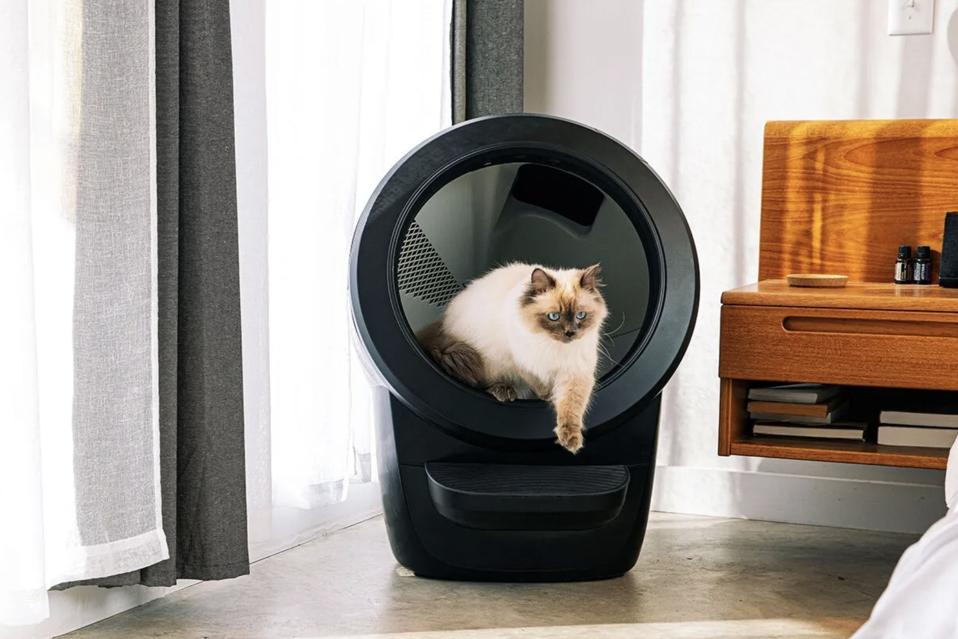
Coming home to a fouled litter box after a long day—or cancelling a weekend trip because you can’t find someone willing to scoop—can make cat ownership feel like a chore. For millions of cat parents, the daily litter box routine is one of the least enjoyable parts of caring for a feline friend. Self-cleaning litter boxes address that problem directly: they automate waste removal, keep the box consistently fresh, and can significantly reduce odor and the time you spend bent over with a scoop.
The latest generation of self-cleaning boxes has moved well beyond novelty. Improved sensors, quieter motors, better odour containment, and app-based health tracking now make them a practical upgrade for busy professionals, multi-cat households, older owners, and anyone who wants a cleaner home with less effort. This guide explains exactly how these units work, which features genuinely matter, and how to choose a model that your cat will actually use—without wasting money on features you don’t need. You can also read our guide on best cat litter box for odor control.
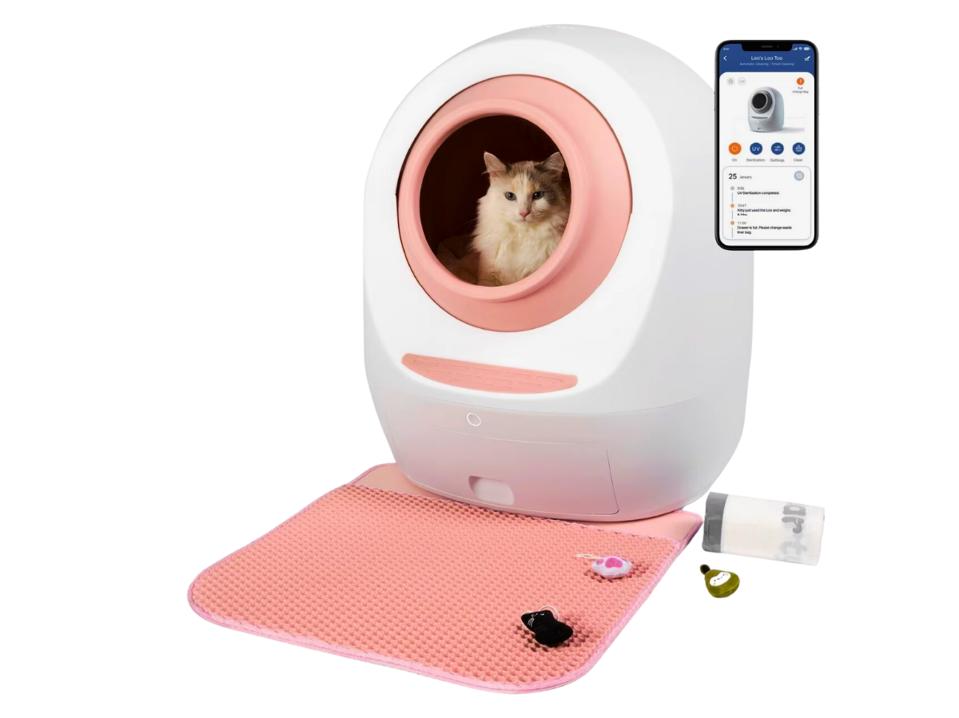
A low-entry, rounded design invites cats inside while containing waste and odour between cycles.
Credit: www.forbes.com
Who Actually Needs a Self-Cleaning Litter Box?
You don’t need to be lazy to benefit from an automatic litter box. In practice, these units solve several real-world problems:
- Busy professionals and frequent travellers – If you’re away from home for long stretches or travel regularly, an automatic box keeps the litter consistently clean without depending on pet sitters, neighbours, or family members to scoop every day. This is especially useful for cats who refuse to use a soiled box and may start eliminating outside it.
- Multi-cat households – With two or more cats, the recommended number of litter boxes increases, and daily scooping time can easily double or triple. High-capacity self-cleaning models handle frequent use more gracefully than a single manual tray and reduce the chance of territorial squabbles over a dirty box.
- Owners with mobility or joint issues – Bending, crouching, and lifting heavy litter bags can be painful for people with arthritis, back problems, or limited flexibility. Automatic waste removal and slide-out waste drawers eliminate most of that physical strain.
- Allergy or odour-sensitive owners – Many self-cleaning models use sealed waste compartments, carbon filters, and low-dust crystal or clumping litters. While no box eliminates allergens entirely, sealing waste away between cleanings can reduce airborne dust, dander, and ammonia smells compared with an open tray.
- Cats with health or behavioural sensitivities – Cats recovering from urinary tract issues, older cats with arthritis, or anxious cats often avoid a dirty box. A consistently clean box supports their comfort and can help prevent elimination problems. The Cornell Feline Health Center notes that litter box cleanliness is one of the most common factors in feline house-soiling and box avoidance.
If any of these situations sound familiar, an automatic litter box is worth serious consideration—but only if you choose a model your cat feels safe using.
How Self-Cleaning Litter Boxes Work
All self-cleaning litter boxes automate waste removal, but they do so in a few distinct ways. Understanding the mechanism helps you match the design to your household size, litter preference, and cat’s temperament. You can also read our guide on self cleaning cat litter box.
Rake-Based Models
A motorised rake moves through the litter to push solid waste and clumps into a sealed compartment after a set delay. These units work best with crystal or tightly clumping litter, because loose, non-clumping material will simply fall through the rake. They tend to be compact and well suited to single-cat homes or small spaces, but frequent use by multiple cats can cause the rake to jam on large clumps.
Rotating Globe Models
The entire litter chamber rotates, tumbling litter against a sifting screen that separates waste from clean granules, then deposits the waste into a drawer below. Globe models usually offer the highest waste capacity and work with most clumping clay or silica litters. Because the chamber rotates, they need enough clearance above and around the unit, and some cats may be wary of the movement until they adjust. You can also read our guide on cat litter box mats best.
Wash-and-Flush Systems
Instead of bagging waste, these units attach to a water supply and drain. After the cat exits, the machine washes reusable plastic granules, removes solid waste, and flushes it down the drain, then dries the granules for the next use. They produce almost no disposable litter waste, but they require plumbing access and cost more to install. The U.S. Environmental Protection Agency recommends checking local regulations before flushing pet waste, because some municipal systems prohibit it due to water contamination risk.
Manual Non-Electric Roll-and-Sift Boxes
These aren’t automatic, but they automate the scooping step. You roll the entire box to one side so waste falls through a sifter into a tray, then roll it back. No power, no sensors, no moving parts to break—and they work with any clumping litter. The trade-off is that you still have to roll the box once or twice a day. You can also read our guide on automatic self cleaning cat litter box.
For a deeper technical dive into how each of these mechanisms compares, see our guide to different automated litter box designs.
Key Features That Matter When Choosing in 2026
Not every “self-cleaning” label means the same thing. Here are the features that separate a dependable, cat-friendly unit from one that ends up in the garage. You can also read our guide on cat flea and tick medication.
Safety Sensors and Cat Detection
Modern quality models use weight and motion sensors to ensure the cleaning cycle only runs when the cat is fully outside. Cheaper units may rely on a simple timer that starts even if your cat is still inside—a serious safety risk. Look for a model that pauses immediately if the cat re-enters and resumes after the cat leaves again.
Odour Control Systems
Look beyond basic carbon filters. The most effective units combine a sealed waste drawer, antimicrobial coatings on the interior surfaces, and sometimes a quiet fan that circulates air through a filter. Crystal litter naturally absorbs moisture and reduces ammonia smell, while clumping litter traps urine in easy-to-remove clumps. No system eliminates odour completely, but a sealed drawer makes a noticeable difference. You can also read our guide on how to introduce my cat to a new kitten.
Litter Compatibility
This is where many owners go wrong. Rake-based models typically require crystal or very hard clumping litter; soft or non-clumping litter will clog the mechanism. Rotating globe models accept most clumping clay or silica litters but struggle with pellets, paper, or plant-based litters that don’t form firm clumps. Wash-and-flush systems only work with their own reusable granules. Always check the manufacturer’s recommendation before switching litter, and never use non-clumping clay in an automatic box.
Noise Level and Build Quality
The cleaning cycle will run multiple times per day, so noise matters—especially for skittish cats. Premium 2026 models operate more quietly than earlier generations, roughly equivalent to a soft conversation or a running refrigerator. Cheap plastic parts can rattle or squeak, which may scare a cat away from the box permanently. Look for models with a solid base, reinforced seals, and user reviews that specifically mention quiet operation. You can also read our guide on best way to groom a long haired cat.
Size, Entry Height, and Litter Scatter
A cat should be able to turn around fully inside the box without touching the walls. Large breeds like Maine Coons or Ragdolls need at least 24 inches of interior length. Entry height is also critical for senior cats or kittens: a step lower than 6 inches reduces joint strain. High-sided walls or a top-entry globe help contain litter scatter for cats that dig enthusiastically.
Smart Connectivity and Health Tracking
Many 2026 models connect to a mobile app to record how often your cat uses the box, alert you when the waste drawer is full, and flag sudden changes in elimination frequency—an early sign of urinary or kidney problems. If you already monitor your cat’s health closely, these features are more than a gimmick. If you prefer a simple setup, skip the app and choose a non-connected model. You can also read our guide on best automatic cat feeders for arthritic cats low entry.
Power, Water, and Physical Space
Most rake and globe models need only a standard electrical outlet within about 3 feet of the box. Wash-and-flush units require a water supply line and a drain, which may cost extra if none is nearby. Manual roll-and-sift boxes need no power at all. Measure your intended spot before ordering, including vertical clearance for rotating globes.
Top Picks for 2026: Tested and Reviewed
We evaluated the most widely available automatic litter boxes across different households, litter types, and cat sizes. These six picks stand out for reliability, cat acceptance, and long-term value. You can also read our guide on wet cat food recommended by vets.
| Model | Best For | Mechanism | Power Source | Litter Type |
|---|---|---|---|---|
| Whisker Litter-Robot 4 | Overall / multi-cat | Rotating globe | Electric | Clumping clay or silica |
| PetSafe ScoopFree 2.0 | Small spaces / single cat | Rake | Electric | Crystal |
| CatGenie 2 | Zero-waste / plumbing access | Wash-and-flush | Electric + water | Reusable granules |
| Nature’s Miracle 5-Cat | High-volume households | Rake | Electric | Clumping |
| Omega Paw Roll-All | Budget / no power | Manual roll | Manual | Clumping |
| LitterMaid Multi-Cat | Large cats / mid-range | Rake | Electric | Clumping |
1. Whisker Litter-Robot 4 – Best Overall for Most Homes
The Litter-Robot 4 remains the benchmark for automatic litter boxes in 2026. Its rotating globe design separates waste into a sealed drawer below, works with most clumping litters, and has enough interior space for cats up to about 20 pounds. The weight and motion sensors reliably pause the cycle if a curious cat pokes its head back in.
- What it does well: Large waste drawer, quiet operation, excellent app for tracking usage, compatible with standard clumping clay and silica litters. The low entry step and generous globe diameter make it suitable for older cats and larger breeds.
- Trade-offs: Higher upfront cost, and you still need to deep-clean the globe every few months to control odour and litter residue. The globe needs about 30 inches of vertical clearance to rotate fully.
- Best for: Multi-cat households, large cats, tech-savvy owners who want health tracking, and anyone who wants the most dependable automatic experience.
2. PetSafe ScoopFree 2.0 Smart – Best for Small Spaces and Single Cats
The updated ScoopFree 2.0 uses a rake to push waste into a sealed disposable tray filled with silica crystal litter. Because crystals absorb urine and dehydrate solid waste, odour stays remarkably low, and one tray can last up to 30 days for a single cat. The compact rectangular footprint fits easily into an apartment, bathroom, or laundry corner. You can also read our guide on best rated cat litter box.
- What it does well: Zero daily scooping, easy tray disposal, effective odour control, and an app that counts uses. The crystal litter tracks less dust than clay.
- Trade-offs: Disposable trays add a recurring cost, and the unit is not suitable for cats over about 15 pounds because the interior is shallow. It only works with crystal litter—switching to clay will jam the rake.
- Best for: Single-cat homes, studios, renters, and owners who want the lowest possible daily upkeep.
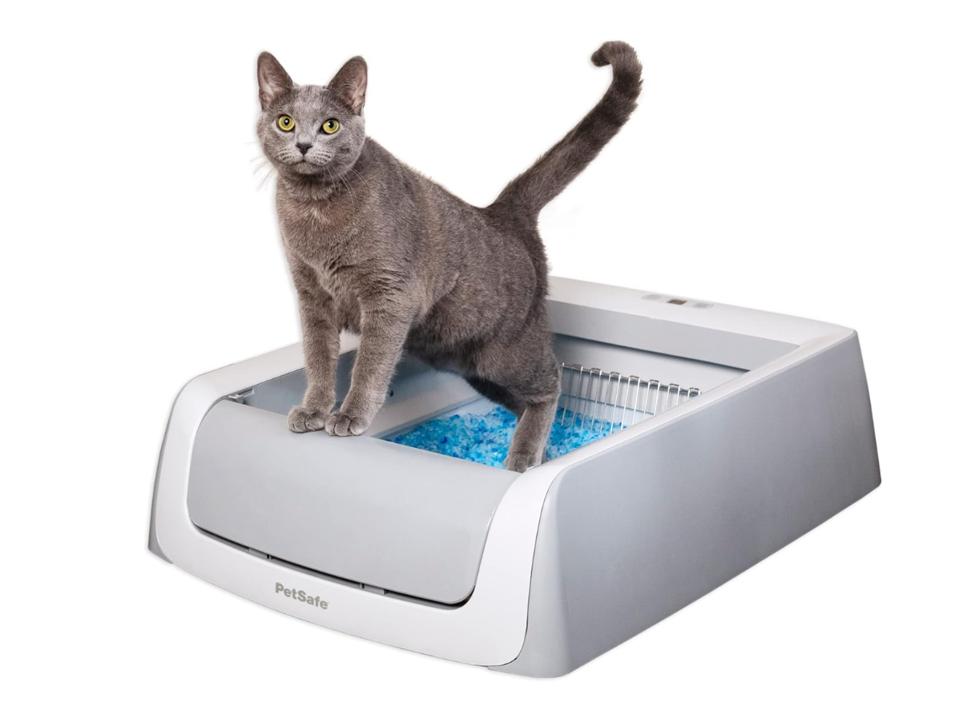
Rake-style automatic boxes like this one work best with crystal litter and a single cat.
Credit: www.forbes.com
3. CatGenie 2 – Best Zero-Waste Option If You Have Plumbing
The CatGenie 2 takes a completely different approach: instead of bagging waste, it washes reusable plastic granules and flushes liquefied waste down a drain. You’ll never buy disposable litter again, and the plastic granules only need replacing every few months. The wash cycle does take longer and makes more noise than a rake or globe model, but many owners accept that trade-off for the elimination of litter bags.
- What it does well: No ongoing litter cost, minimal plastic waste, fully automated washing and drying, works for single or multiple cats.
- Trade-offs: Requires a cold water supply and a drain nearby. Installation may require a plumber if your laundry room or bathroom isn’t adjacent to the intended spot. The granules occasionally stick to long-haired cats’ paws.
- Best for: Eco-conscious owners with existing plumbing access, and anyone who wants to stop buying and throwing away clumping litter entirely.
4. Nature’s Miracle 5-Cat Model – Best for High-Volume Multi-Cat Homes
Designed for catteries, fosters, and homes with three or more cats, this unit uses a sturdy rake to move waste into a high-capacity drawer. The tall, enclosed walls keep litter scatter contained, and dual carbon filters handle the higher ammonia load that comes with frequent use. During evaluation in a busy foster home, it kept up with well over a dozen uses per day without jamming.
- What it does well: Large waste capacity, high sides to reduce scatter, reliable rake mechanism for frequent use, and effective odour control.
- Trade-offs: The footprint is larger than most automatic boxes, and the rake can struggle with unusually large or soft clumps. After a power outage, sensors sometimes need a quick manual reset.
- Best for: Households with three or more cats, rescue and foster environments, and anyone who needs a box that won’t require emptying every other day.
5. Omega Paw Roll-All – Best Budget Non-Electric Pick
For under $50, the Omega Paw Roll-All is the simplest way to skip the scoop. You roll the box onto its side so waste falls through an internal sifter into a sealed tray, then roll it back. Because there are no motors or sensors, there’s nothing to break. It works with any clumping litter and requires no power source.
- What it does well: Extraordinarily low cost, no electrical or plumbing requirements, easy to clean, and no fear-inducing noise since there’s no automatic cycle.
- Trade-offs: It’s not truly automatic—you still need to roll it once or twice daily for a single cat, more often for multiple cats. The interior is not as spacious as premium electric models, so very large cats may find it cramped.
- Best for: Budget-conscious owners, renters, people who want a low-tech option, and anyone hesitant to spend hundreds on an electric automatic box. Read more about this specific roll-to-clean model.
6. LitterMaid Multi-Cat – Best Mid-Range for Large Breeds
The LitterMaid Multi-Cat fills the gap between budget manual boxes and premium rotating globes. Priced around $199, it offers a wide entry, a roomy litter bed for cats up to 17–18 pounds, and an automatic rake that cleans about 10 minutes after the cat exits. The waste drawer is smaller than a globe unit’s, but for one or two cats it still beats daily scooping by a wide margin.
- What it does well: Wide entry and generous interior for larger cats, mid-range pricing, dual carbon filters, works with most clumping litters.
- Trade-offs: The rake motor is slightly noisier than premium models, and the drawer needs emptying every 3–4 days with two cats. It’s not ideal for light or non-clumping litter.
- Best for: Owners of large breeds like Ragdolls or Maine Coons who want electric convenience without the top-tier price.
How to Help Your Cat Adjust to an Automatic Litter Box
A common mistake is buying an automatic box, plugging it in, and expecting the cat to switch overnight. Some cats take to it immediately; others need days or weeks. Here’s a low-stress transition plan that works for most cats:
- Place the new box next to the old one. Keep the old litter box in its usual spot and set up the automatic box beside it. Do not remove the old box yet.
- Leave the new unit unplugged for the first few days. Fill it with your cat’s current litter (as long as it’s compatible) so the new box smells and feels familiar. Let your cat explore it on its own terms.
- Reward any interaction. Treats, praise, or play near the new box build a positive association. Never place your cat inside the box or force interaction.
- Run the cleaning cycle manually while the cat is in another room. Let the cat hear the motor from a distance, then gradually move closer. This desensitisation helps noise-averse cats.
- Once the cat uses the new box regularly for several days, remove the old box. Watch litter box habits for two weeks. If the cat stops using the new box, bring the old one back and slow the transition.
If you’re also working on general litter box habits, review our basic litter-training guidance for kittens and newly adopted cats.
Avoiding Common Buying Mistakes
Even a well-reviewed automatic litter box can fail in the wrong home. Avoid these pitfalls:
- Choosing the wrong mechanism for your household size. Rake-based models are great for one or two cats but can jam with heavy multi-cat use. A rotating globe or high-capacity rake is a better fit for three or more cats.
- Ignoring your cat’s size and mobility. A cat that cannot turn around comfortably will avoid the box entirely. Measure your cat from nose to base of tail and check interior dimensions before buying. For very large cats, consider a spacious manual box if no automatic model fits.
- Overlooking litter compatibility. Using the wrong litter voids most warranties and can ruin the motor or rake. Crystal models require crystal litter; globe models need hard clumping clay or silica; washable systems need proprietary granules. There is no universal automatic litter.
- Forgetting about power and clearance. Rotating globes need open space above and around them. Rake models need an outlet within three feet. Wash-and-flush units need plumbing. Measure your space, including doorways and corners, before ordering.
- Skipping the trial period. Many cats reject self-cleaning boxes because of noise or movement. Buy from a retailer with at least a 30-day return policy so you can test acceptance without financial risk.
- Assuming loud equals bad forever. Some cats adapt to motor noise after gradual introduction. If your cat is extremely noise-sensitive, start with a manual roll-and-sift design or choose a model specifically marketed as whisper-quiet.
Maintenance and Longevity Tips
Self-cleaning does not mean zero maintenance. A little routine care extends the life of the unit and keeps it hygienic for your cat.
- Empty the waste drawer before it’s completely full. For a single cat, that’s usually every 7–10 days; for multiple cats, every 3–5 days. An overfull drawer can jam rotating globes and reduce odour control.
- Wipe down the interior and exterior monthly. Use a mild, unscented soap and warm water. Avoid bleach, ammonia, or strong disinfectants that leave residue and can irritate a cat’s paws and respiratory system.
- Inspect moving parts for litter buildup. Check the rake tines, sifting screens, and globe seals for stuck clumps or dust. A soft brush removes debris without damaging plastic.
- Replace carbon filters on schedule. Most models need a new filter every 2–4 months. A saturated filter stops trapping odour.
- Deep-clean globe models every 3–4 months. Remove the globe, rinse it thoroughly, and let it dry completely before reassembly. This prevents ammonia smell from absorbing into the plastic.
- If the sensors act erratically, check for litter dust on the sensor window or floor. Recalibrate according to the manual after power outages or moving the unit.
For owners who want to hide the unit while keeping it accessible, an enclosed litter cabinet can look better and contain kicked-out litter.
Frequently Asked Questions
Do veterinarians recommend self-cleaning litter boxes?
Many veterinarians and feline behaviourists support automatic litter boxes for homes where daily scooping is not realistic, because consistent cleanliness reduces the risk of urinary tract problems and litter box avoidance. However, they also caution that some cats—especially shy or older cats—may be frightened by the movement or motor noise. Introduce the box gradually and watch your cat’s response. Always consult your own veterinarian for advice specific to your cat’s health.
What type of litter works best in a self-cleaning box?
It depends entirely on the mechanism. Rake-based models (like the ScoopFree) require crystal or very hard clumping litter. Rotating globe models (like the Litter-Robot) accept most clumping clay or silica litter. Wash-and-flush systems use only their own reusable granules. Never use non-clumping clay, pellets, paper pellets, or lightweight plant-based litters in an automatic box—they either jam the mechanism or fail to sift properly.
Are self-cleaning litter boxes safe for kittens?
Most manufacturers recommend waiting until a kitten is at least 5–6 months old and weighs more than 5 pounds. Smaller kittens may be injured by moving parts or become trapped if the cleaning cycle starts while they’re inside. For younger kittens, use a small traditional tray until they meet the minimum weight. Then transition gradually following the steps above.
Can I use a self-cleaning box if I have multiple cats?
Yes, but choose the right capacity. A rotating globe model or a high-capacity rake model designed for 3 or more cats will handle frequent use far better than a compact single-cat rake. You’ll also need to empty the waste drawer more often. Some multi-cat homes keep one automatic unit and one traditional box to give cats a choice.
How do I know if my cat will accept an automatic box?
The only sure way is to try one with a generous return policy. Look for models with a quiet cycle, a low entry step, and a non-threatening design (rounded globe or open top). Gradual introduction—keeping the old box nearby and never forcing the cat—significantly improves acceptance rates. If your cat has a history of eliminating outside the box, solve that problem first with a consistent litter setup and training before adding an automatic unit.
Final Verdict: Choosing the Right Box for Your Cat
The best self-cleaning litter box is the one your cat uses reliably every day. For most households, that means an electric rotating globe or high-quality rake model with safety sensors, good odour control, and litter compatibility that matches your routine. The Litter-Robot 4 remains the safest all-around recommendation for multi-cat and large-breed homes, while the ScoopFree 2.0 is a lower-cost electric standout for single cats in small spaces. If you want zero disposable waste and have plumbing nearby, the CatGenie 2 is unmatched. And if you’re on a tight budget or simply want a manual no-power option, the Omega Paw Roll-All delivers most of the convenience at a fraction of the price.
Regardless of the model you choose, start slow, respect your cat’s comfort, and monitor litter box habits for the first two weeks. Sudden changes in urination or defecation frequency can signal a health issue, so pair your new automatic box with regular vet checkups and a diet that supports urinary health if needed. For help with other aspects of feline care—from grooming to nutrition—look for professional grooming services in your area or explore our broader library of vet-approved cat care guides.

Comparing size, capacity, and noise levels side-by-side helps narrow down options for your household’s needs.
Credit: www.pcmag.com