
Coming home to the sharp, ammonia-like stench of a neglected litter box is a universal frustration for cat owners. Traditional litter boxes require daily scooping, frequent full litter changes, and still leave behind odors and bacterial buildup that can harm your cat’s health. For decades, this was an unavoidable part of pet ownership — until self-cleaning litter boxes evolved from loud, unreliable novelties into sleek, efficient tools that eliminate 90% of litter box maintenance. As of 2026, these devices are more accessible, quieter, and more cat-friendly than ever before, making them a game-changer for busy professionals, multi-cat households, and anyone tired of the daily scooping chore. This guide breaks down how they work, key features to prioritize, and whether this investment is right for your home.
Why Traditional Litter Boxes Fall Short
Traditional litter boxes create consistent hassles for both cats and owners. Daily scooping takes 5–10 minutes per day, adding up to 30+ hours a year of unpaid chore time, and even frequent scooping leaves behind traces of urine and feces that emit ammonia odors and harbor bacteria like E. coli and parasites such as Toxoplasma gondii. Cats are fastidious by nature, and a dirty box often leads to litter box aversion, with many cats choosing to eliminate on carpets, furniture, or beds instead. For owners with mobility limitations, frequent travel schedules, or multiple cats, the burden of traditional litter maintenance is even more overwhelming, making a low-effort, hygienic alternative a high priority for many households. You can also read our guide on do cats need to eat wet food.
How Self-Cleaning Litter Boxes Work
Modern self-cleaning litter boxes use automated systems to remove waste without manual scooping, with three core mechanism types dominating the 2026 market:
Core Cleaning Mechanisms
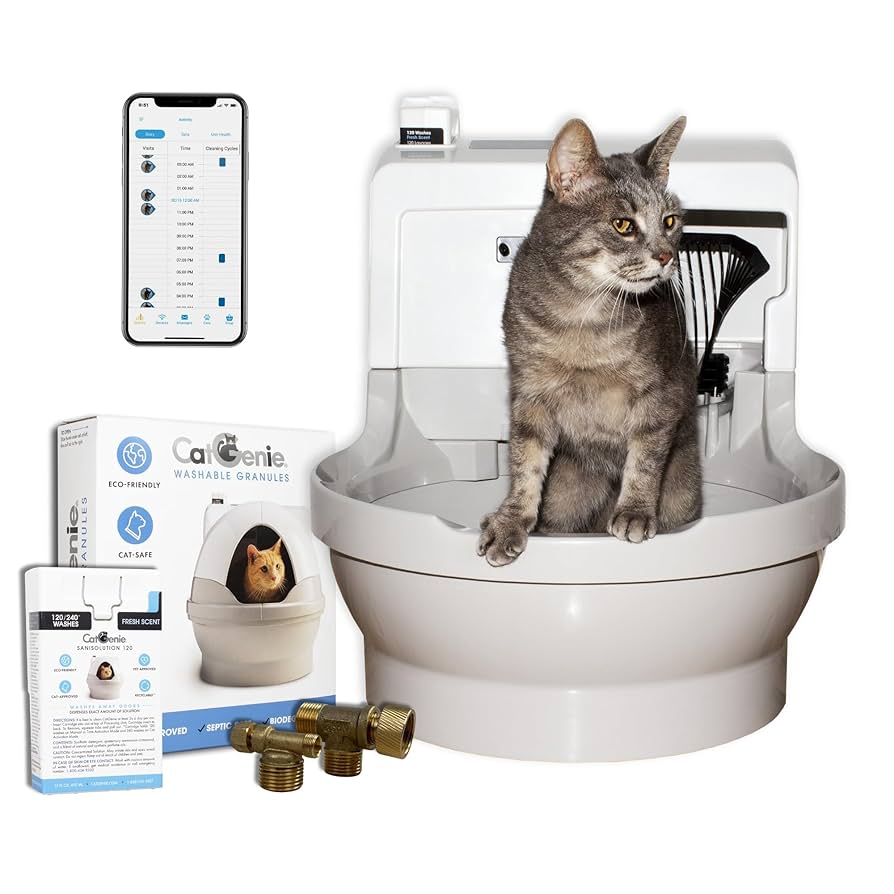
The most common design is the rake-based model, which uses a motorized rake to sift through litter 5–10 minutes after your cat exits the box, separating clumped waste into a sealed waste drawer below. Rotating drum models, more popular in Europe, tumble the entire litter bed to sift out waste, reducing the risk of rake jams but requiring more space. Flushing/self-washing models like the CatGenie 2.0 connect directly to your home’s plumbing, washing and sanitizing reusable granules after each use to eliminate litter waste entirely. All 2026 models use quieter motors than 2010s-era units, with most operating at 30–45 decibels, comparable to a refrigerator hum, to avoid scaring skittish cats.
Smart Sensor Technology
Advanced sensors are the backbone of reliable self-cleaning function. Weight sensors trigger the cleaning cycle only after your cat has fully exited the box, preventing interruption during use. Infrared motion sensors detect when a cat is inside the unit and delay cleaning until the space is empty. New 2026 AI-powered models even distinguish between solid waste and urine clumps to optimize cleaning frequency, reducing unnecessary litter sifting and cutting down on wear and tear. Sensors require monthly cleaning with a dry cloth to remove dust buildup that can cause false readings. You can also read our guide on what sort of nutrition is needed for a sick cat.
Waste Management Systems
Waste is collected in a sealed compartment designed to control odor and prevent leaks. Most models use replaceable disposable liners for easy, mess-free emptying, while eco-focused options include compostable waste drawers that can be emptied into municipal green bins. Many units include built-in carbon filters or even small air purifiers to neutralize odors before they spread through your home.

This enclosed model features a motorized rake that sifts waste after each use, minimizing odor and mess.
Credit: www.amazon.com
Key Benefits That Revolutionize Pet Care
Drastically Reduced Daily Chores
Instead of scooping waste daily, you only need to empty the sealed waste drawer every 3–7 days for single cats, or every 2–3 days for multi-cat households. Most users report saving 5–10 minutes per day on litter maintenance, adding up to 30+ hours of free time per year. You can also read our guide on automatic self cleaning cat litter box.
Improved Cat Health and Hygiene
Per veterinary guidelines for litter box hygiene from the UC Davis School of Veterinary Medicine, prompt waste removal is critical to reducing your cat’s risk of urinary tract infections, bacterial exposure, and parasite transmission, especially for kittens, senior cats, and pets with compromised immune systems. A consistently clean box also eliminates the stress of inappropriate elimination, a leading cause of cats being surrendered to shelters.
Lower Home Odor and Less Litter Tracking
Immediate waste removal prevents ammonia odors from building up, and enclosed designs reduce litter tracking by 60–70% compared to open traditional boxes, per user feedback. Many models include built-in carbon filters or air purifiers to further control smell, making them ideal for small apartments or homes with sensitive residents. You can also read our guide on cat flea and tick medication.
Long-Term Waste and Cost Savings
Traditional litter boxes require full litter changes every 1–2 weeks, leading to 20–30% more litter use than self-cleaning models, which only remove soiled clumps. Most owners cut their annual litter costs by $30–$50, and reduce plastic waste from litter bags by the same margin.
Critical Features to Evaluate Before Buying
Not all self-cleaning litter boxes are created equal, and prioritizing the right features for your home will avoid costly mistakes and frustration:
- Size and capacity: The box should be 1.5x the length of your cat from nose to tail base to give them enough room to turn and dig. For large breeds like Maine Coons, an extra-large litter box for big cats is non-negotiable to avoid kicking litter outside the unit. Waste drawer capacity should hold at least 7 days of waste for single cats, 3 days for multi-cat homes, to avoid frequent emptying.
- Litter compatibility: Most rake-based models require clumping clay or silica crystal litter; non-clumping litter will jam the rake and damage sensors. Always use litter formulated for self-cleaning units to avoid costly repairs. Flushing models like the CatGenie use specialized washable granules, not traditional litter.
- Noise level: While 2026 models are far quieter than earlier versions, some budget options still exceed 50 decibels, which may stress skittish cats. Look for models explicitly listed as "quiet operation" and read user reviews for real-world noise feedback.
- Maintenance requirements: Avoid models with hard-to-reach corners that trap grime, as all self-cleaning boxes require monthly deep cleaning of the base and waste compartment to prevent bacteria buildup, even with automated cleaning cycles. Look for removable waste drawers and rake mechanisms that can be wiped down with mild soap for easy upkeep.
Who Should (and Shouldn’t) Invest in a Self-Cleaning Litter Box
Ideal Candidates
- Busy professionals, frequent travelers, or owners with mobility limitations who struggle to scoop daily
- Multi-cat households where high waste volume makes daily scooping time-consuming
- Owners of senior cats, kittens, or cats with medical conditions (arthritis, chronic UTIs) that require a pristine litter box to avoid health issues
- Eco-conscious owners looking to reduce litter waste and single-use plastic bag use
Poor Fits for This Product
- Cats with severe litter box aversion or high anxiety, who may be scared of the cleaning mechanism
- Renters or owners without a nearby wall outlet in their desired litter box location
- Owners on a very tight budget, as even entry-level models cost more than traditional boxes
- Cats that prefer non-clumping litter or have sensitivities to the scents added to many self-cleaning model filters
Top Use Cases for Self-Cleaning Litter Boxes
Multi-Cat Households
For homes with three or more cats, a multi-cat household setup with a large waste drawer and high-litter capacity can handle daily waste without needing daily emptying. Look for models with adjustable cleaning intervals to match your cats’ usage patterns, and avoid small single-cat models that will overflow quickly.
For Owners with Mobility Challenges
For owners with arthritis, back pain, or limited mobility, the reduced need to bend and scoop eliminates a physically demanding daily chore, improving quality of life. Many models have easy-grip waste drawer handles and low-height entries for simple, strain-free emptying.
For Frequent Travelers
If you travel for work or vacation regularly, a self-cleaning box ensures your cat has a clean litter box for 3–7 days while you’re away, without needing a pet sitter to come scoop daily. Look for models with large waste capacity and low-litter alerts to avoid running out of litter while you’re gone.

Most self-cleaning models have removable trays and waste drawers that require monthly deep cleaning to prevent grime buildup.
Credit: www.ebay.com
Installation, Setup, and Cat Transition Tips
Choosing the Right Location
Per American Veterinary Medical Association cat care resources, place the litter box in a quiet, low-traffic area away from your cat’s food and water bowls, as cats naturally avoid eliminating near their eating space. Ensure there is at least 2 feet of clearance on all sides so your cat can enter and exit comfortably, and avoid placing it near loud appliances like washing machines that may scare your cat during cleaning cycles.
Step-by-Step Setup
- Unpack all components and check that all parts are present per the manufacturer’s manual.
- Assemble the base and waste drawer, securing all screws and clips firmly to avoid wobbling.
- Add the recommended amount of litter, filling to the line marked inside the unit to avoid sensor interference.
- Plug the unit into a nearby wall outlet, and test the cleaning cycle manually to ensure it runs smoothly before introducing your cat.
Transitioning Your Cat to the New Box
A common mistake new owners make is removing the old litter box immediately, which can cause cats to eliminate outside the box out of stress. Instead, place the self-cleaning box next to the old one for 1–2 weeks, adding a small amount of used litter from the old box to the new one to transfer familiar scents. Use positive reinforcement training methods like treats and praise when your cat uses the new box, and gradually move the new box to your desired location over the course of a week. Most cats adjust within 2–4 weeks, but skittish cats may take longer.
Troubleshooting Common Issues with 2026 Models
Sensor Malfunctions
If the unit doesn’t trigger cleaning after your cat exits, first wipe the weight and infrared sensors with a dry cloth to remove dust or litter buildup. If the issue persists, recalibrate the sensors per the manual, or replace the sensor module if it is faulty. A common cause of sensor failure is overfilling the litter beyond the maximum fill line, which presses against sensors and gives false readings.
Rake Jams and Cleaning Failures
Rake jams are almost always caused by using the wrong type of litter or overfilling the unit. Empty the waste drawer, remove any jammed clumps from the rake, and refill with the correct amount of litter formulated for self-cleaning units. If the rake continues to jam, check for worn rake blades, which need replacement every 6–12 months for most models.
Odor Issues
If odors persist even with regular waste emptying, check that the waste drawer seal is intact, and replace the carbon filter if it is older than 3 months. For extra odor control, you can add a small amount of complementary odor control products to the base of the unit, but avoid adding scented sprays directly to the litter, as this can deter cats from using the box.
Cat Reluctance to Use the Box
If your cat avoids the new box, first check that the cleaning cycle isn’t too loud, and that the box is placed in a quiet, private location. Some cats are scared of the rake moving, so you can temporarily disable the automatic cleaning cycle and clean manually for a few weeks to help your cat adjust, then re-enable the automatic feature gradually.
Environmental and Long-Term Cost Considerations
Upfront Costs
As of 2026, entry-level automatic litter box models start at $150, while mid-range models with smart features cost $300–$400, and premium premium robotic litter box options with health tracking and app connectivity cost $500–$700. While this is higher than the $20–$50 cost of a traditional litter box, most owners see a return on investment within 1–2 years via time savings and reduced litter costs.
Ongoing Maintenance Expenses
Annual costs include litter (or washable granules for flushing models), which runs $30–$80 a year, replacement waste liners or bags ($10–$20 a year), and replacement parts like rake blades, filters, and sensors ($20–$50 a year, as needed). Flushing models may add $5–$10 a year to your water bill, depending on usage, though this is offset by the elimination of litter costs.
Environmental Impact
Traditional clay litter is made from strip-mined bentonite clay, a non-renewable resource, and generates millions of tons of landfill waste annually in the U.S. alone. Self-cleaning boxes reduce litter use by 20–30% by only removing soiled clumps instead of full litter changes, cutting down on resource use and waste. Many 2026 models use recycled plastic components and biodegradable waste liners, further reducing their environmental footprint. The minimal electricity use (most models draw 1–2 kWh per month, less than a standard night light) has a negligible impact on your home’s energy use.

Models using silica crystal litter, like this PetSafe option, absorb moisture and control odor without clumping, reducing rake jams.
Credit: www.petsafe.com
Frequently Asked Questions
Do self-cleaning cat litter boxes really work?
Yes, when used correctly, self-cleaning litter boxes reliably remove solid waste and clumped urine after each use, drastically reducing odor and maintenance time. Performance varies by model: rake-based models work best with clumping litter, while flushing models eliminate waste entirely. Regular maintenance (emptying the waste drawer, cleaning sensors monthly) is required for optimal performance.
Do vets recommend self-cleaning litter boxes?
Most veterinarians recommend self-cleaning litter boxes as a tool to improve litter box hygiene, especially for cats prone to UTIs or owners who struggle to scoop daily due to busy schedules or mobility issues. The key caveat is that the box must be properly maintained: waste drawers should be emptied every 2–3 days for single cats, daily for multi-cat homes, and the entire unit should be deep cleaned monthly to prevent bacteria buildup. Always introduce the box gradually to avoid litter box aversion, and consult your vet if your cat has a history of inappropriate urination before making the switch.
What is the best self-cleaning cat litter box?
As of 2026, the Litter-Robot 4 is the top-rated model for most households, thanks to its reliable rake mechanism, large waste capacity, quiet operation, and smartphone app that tracks usage and alerts you when the waste drawer is full. For eco-conscious owners, the CatGenie 2.0 is a top pick, as it uses washable granules and connects to your home plumbing to eliminate litter waste entirely. For budget buyers, the PetSafe ScoopFree Crystal Pro offers reliable performance at a mid-range price point, using disposable crystal litter trays for easy cleanup.
What are the disadvantages of an automatic litter box?
The biggest drawbacks are the higher upfront cost, the need for regular maintenance (emptying waste drawers, cleaning sensors and the base monthly), and the risk of malfunctions like rake jams or sensor failures if not properly cared for. Some skittish cats may be scared of the cleaning mechanism and refuse to use the box, and the units require a nearby wall outlet, which may not be feasible for all home layouts. Electricity use adds a small amount to your monthly utility bill, though most models use less than $1 worth of electricity per month.
Final Verdict: Is a Self-Cleaning Litter Box Right for You?
For most cat owners, a self-cleaning litter box is a worthwhile investment that cuts down on daily chores, improves cat hygiene, and reduces home odors. While the upfront cost is higher than traditional boxes, the time savings and reduced litter waste often offset the expense within the first year. If you’re ready to eliminate daily scooping, explore our roundup of the top-rated self-cleaning models to find the option that fits your cat’s size, your budget, and your lifestyle.