
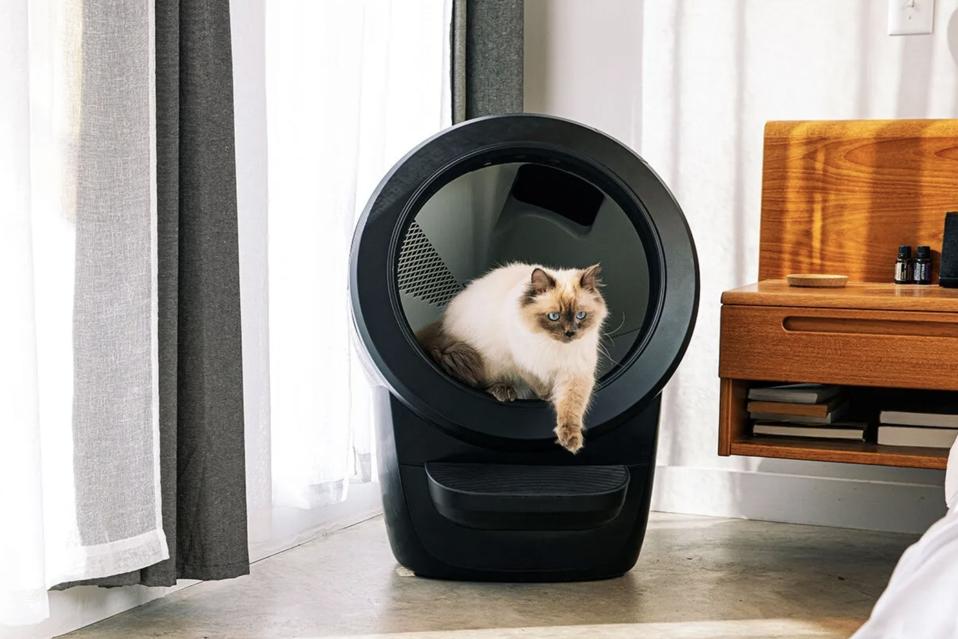
If you are tired of scooping clumped litter once or twice a day, walking across floors dusted with tracked granules, or coming home to that sharp ammonia smell from a missed cleanup, a high-quality robotic cat litter box has become a practical upgrade rather than a novelty. Modern units are quieter, smarter, and far more reliable than earlier generations. In practice, the best models now remove waste consistently within minutes, keep odors sealed away, and give you back hours of time every month. Whether you manage a multi-cat household, live in a compact apartment, or simply want a cleaner home with less daily effort, the right automated box changes the rhythm of pet care. This guide breaks down how these machines work, which features matter most, the top picks for 2026, realistic setup and maintenance routines, and who should—and should not—make the switch.
How Robotic Litter Boxes Work
A robotic litter box automates the part of cat ownership that most people dislike: scooping. Unlike a standard tray that waits for you to notice it needs attention, a motorized unit detects when your cat has left and runs a cleaning cycle on its own.
Most systems pair infrared motion sensors with weight sensors. The infrared beam notices the cat entering and leaving, while the weight sensor confirms the cat is no longer inside. After a quiet delay—typically 5 to 10 minutes, just long enough for clumping litter to harden—a rake or rotating drum sifts through the litter. Solid clumps are separated into a sealed waste compartment below or beside the basin, leaving clean litter behind. The waste drawer is usually lined with a carbon filter or has a tight gasket, which is why a well-designed robotic box can hold waste for weeks without smelling.
Premium 2026 models add a layer of intelligence. Some use AI to learn your cat's bathroom schedule, scheduling cleanings during idle periods and avoiding unnecessary cycles. Others track how often each cat visits, which can be an early signal for urinary tract issues. One thing to remember: even the best machine only works as well as the litter inside it. Using a clumping litter that the manufacturer recommends is non-negotiable for preventing jams and ensuring the waste actually separates. Our guide on keeping your feline's routine care on track can help you pair the right litter habits with broader wellness.
Consistent, immediate waste removal also reduces bacterial growth and stress-related elimination problems, especially in homes with multiple cats. The American Veterinary Medical Association points out that a clean, accessible box is a foundation for preventing litter box avoidance (AVMA litter box guidance). That principle applies just as much to automated setups as to traditional trays.
Key Features to Prioritize in 2026
Not every robotic box is worth your money. The gap between a genuinely useful appliance and an expensive frustration comes down to a few specific features. Here is what separates a dependable 2026 model from one that will end up in the garage.
Core Functionality Features
-
Dual presence sensors. Look for models with both infrared and weight detection. The unit should stop or reverse the moment a cat steps back inside. Avoid designs that rely on weight alone, because cats under 5 pounds—especially kittens or petite breeds—may not register, and a cleaning cycle could start while they are still inside.
-
Durable rake or drum mechanism. A solid metal rake or a well-sealed rotating drum lasts far longer than flimsy plastic parts. The ability to reverse direction when a clump is stuck prevents the grinding, popping noises that scare cats away from the box.
-
Waste compartment capacity. For a single cat, a drawer that lasts two to three weeks is convenient. For two or more cats, look for a sealed tray rated for three to four weeks or more. A larger drawer means fewer trips to the trash and less exposure to odor.
Convenience and Connectivity Features
-
Smart app integration. The best connected models let you adjust cleaning schedules, receive full-drawer alerts, and monitor usage from your phone. This is not just a gimmick: a sudden change in how often your cat visits the box can be the first hint of a urinary problem. Offline fallback matters too. A box should keep running its basic cleaning schedule even if your Wi-Fi drops.
-
Litter flexibility. Many 2026 options accept both clumping clay and silica crystal litter. That flexibility lets you shop for deals or switch formulas if your cat develops a preference. Steer clear of models locked into a single proprietary litter unless you are comfortable with that recurring cost.
-
Noise level. The quietest current models operate in the 30–40 decibel range, about the volume of a hushed conversation. Cheaper older units often ran louder than 50 decibels, which is enough to make a cautious cat nervous. In a small apartment, low noise is worth the premium.
Safety and Hygiene Features
-
Anti-pinch sensors. The cleaning mechanism should stop instantly if it meets resistance. Look for brands that advertise multiple redundant sensor types—infrared, weight, and motor-current sensing—all working together.
-
Easy-to-clean design. Removable basins, dishwasher-safe trays, and smooth surfaces without deep crevices reduce the buildup of waste and bacteria. A common mistake is ignoring the manufacturer's deep-clean schedule; buying a model that makes that chore quick means you will actually do it.
-
Advanced odor control. A carbon filter or HEPA filter traps odors far better than scented sprays, which can irritate cats with respiratory sensitivities. If your cat has asthma or allergies, choose a filtered model without added fragrances. Cornell University's Feline Health Center offers further guidance on respiratory conditions in cats (Cornell Feline Health Center).
Best Robotic Cat Litter Boxes of 2026: Top Picks
After testing and reviewing user feedback, these five models stand out for different needs. No single box is perfect for every home, so match the pick to your cat's size, your space, and your tolerance for ongoing costs.
| Model | Price Point | Best For | Key Pros | Key Cons |
|---|---|---|---|---|
| Litter-Robot 4 | Around $499 | Overall best for most households | Exceptional waste removal, large four-week drawer, app with usage tracking, quiet operation, long warranty | Higher upfront cost, clumping clay litter required |
| PetSafe ScoopFree Complete Plus | Around $299 | Low-maintenance users | Disposable trays eliminate deep cleaning, 30-day capacity, compact footprint, reliable safety sensors | No app, ongoing tray costs |
| CatGenie AI | Around $649 | Eco-conscious multi-cat homes | Washable granules, no disposable waste bags, plumbing-connected drainage, low long-term operating cost | Highest price, needs water line and drain access |
| Omega Paw Roll & Clean Plus | Around $149 | Budget and manual-operation fans | No electricity, simple roll-and-sift action, works with any clumping litter, dishwasher-safe parts | Manual effort required, limited odor sealing |
| Whisker Litter-Robot 3 Connect | Around $349 | Budget smart pick | App connectivity, three-week capacity, adjustable schedules | Older sensors, slightly louder |
Litter-Robot 4: Best Overall
The Litter-Robot 4 remains the benchmark for most homes. In practice, it delivers the hands-free experience people expect from a robotic box with fewer false cycles and less noise than older models. The sealed drawer holds roughly a month of waste even with several cats, which is a huge advantage for busy owners. The companion app tracks usage, sends alerts, and lets you run a manual cycle remotely. One of its strongest points is the three-year warranty—among the longest in the category.
The trade-offs are real. It works best with clumping clay litter, so if your cat has a clay sensitivity, you will need to look elsewhere. The price is also an investment. But if you want a dependable premium option that simply does what it promises, this is the default recommendation. For catching stray granules at the exit, a well-placed litter-catching mat makes the setup even cleaner.
PetSafe ScoopFree Complete Plus: Best for Low Maintenance
If the thought of scrubbing a litter basin makes you hesitate, the ScoopFree Complete Plus is the easiest path to a hands-off routine. Instead of a reusable waste compartment, it uses disposable trays pre-filled with crystal litter. You remove the entire tray, toss it, and slide in a fresh one. The 2026 version includes a small indicator that tells you when the tray is nearing capacity, which is helpful if your cat urinates more than average.
The compact footprint fits well in small apartments, closets, and bathrooms, and the infrared sensors stop the rake if your cat investigates mid-cycle. The ongoing cost is the main consideration: replacement trays add up, typically running several hundred dollars per year for single-cat use. There is also no app, so you give up usage tracking and remote control. Still, for owners who value simplicity above all, this is the closest thing to a true "set it and forget it" litter solution.
CatGenie AI: Best Eco-Friendly Pick
The CatGenie AI takes a fundamentally different approach: instead of litter, it uses washable granules that get rinsed and reused. After your cat exits, the machine liquefies solid waste, washes the granules with water and a cleaning solution, and drains everything into your plumbing. There are no waste bags, no disposable trays, and no trips to the trash can. For households trying to reduce single-use plastic, that is a meaningful difference.
The current model learns your cat's schedule and only runs cycles when needed, which helps control water use. The granules last for months before replacement, making the long-term operating cost lower than many bag-and-tray systems. The downsides are significant: it needs a nearby water supply and drain, which rules out many renters and awkward floor plans. The upfront price is also the highest of the group. But if the plumbing works in your space and you are committed to reducing waste, no other option matches its sustainability.
Omega Paw Roll & Clean Plus: Best Budget Pick
You do not need to spend hundreds of dollars to cut down on scooping. The Omega Paw Roll & Clean Plus is a manual rolling sifter that separates clumps into a pull-out tray with a simple lever pull. It has no motor, no sensors, and no app—just a clever mechanical design that works with any clumping litter.
In practice, most single-cat owners roll it every couple of days instead of scooping daily. Every part is dishwasher-safe, and there is almost nothing to break. The limitations are obvious: it is not automated, the waste drawer seals less effectively than a motorized unit, and you still handle the tray regularly. For budget-conscious owners or those who prefer low-tech reliability, our guide to the manual roll-and-clean approach explains the technique in more detail. This remains the best value for a simple, sturdy design.
Whisker Litter-Robot 3 Connect: Best Budget Smart Pick
For app features without the premium price of the Litter-Robot 4, the 3 Connect is a solid middle ground. It offers the same fundamental self-cleaning mechanism, a three-week drawer for one or two cats, and smartphone controls for scheduling and alerts. It also now works with silica crystal litter, which broadens your options.
The trade-offs are a slightly louder motor and older sensor technology that can misfire with very small cats. If your cat weighs under five pounds, this is not the model to choose. For adult cats of typical size, it delivers most of the smart-box experience at a noticeably lower price.
Setting Up Your Robotic Litter Box
A careful setup takes 15 to 30 minutes and prevents most performance complaints. Rushing this step or ignoring the manufacturer's specifics is the most common reason a new box ends up returned.
Step-by-Step First-Time Setup
-
Unpack and inspect. Check every component against the parts list. Shipping damage is rare but real, and a cracked waste drawer or bent rake will cause problems from day one.
-
Choose the right spot. Place the box in a quiet, low-traffic area, at least six inches from walls and away from food and water bowls. Cats do not like eliminating next to where they eat. Avoid extension cords, which can be chewed or tripped over. For senior cats or those with mobility issues, keep the box on the same floor as their sleeping area. If floor space is tight, an enclosed furniture-style unit can hide the box in plain sight while giving your cat privacy.
-
Assemble carefully. Most models snap together without tools, but make sure the waste drawer gasket seats fully. A poorly seated seal is a fast path to odor leaks.
-
Connect smart features. Download the app, use a 2.4GHz network if required, and calibrate the sensors exactly as the manual describes. Some models need a calibration button pressed after adding litter; skipping this causes false triggers or missed cycles.
-
Add the right litter. Use the type and amount specified in the manual—usually 8 to 10 pounds for a standard basin. Too little litter interferes with clump formation, too much creates tracking and rake strain. If you are transitioning from a traditional pan, our guide to the basics of litter box training can help your cat understand the new setup.
-
Run a test cycle. With no cat inside, run the cleaning cycle while you watch. Confirm the rake or drum moves smoothly and the waste drawer opens and seals correctly.
-
Introduce your cat slowly. Let your cat explore the box while it is turned off for a day or two. Once they seem comfortable, plug it in and let it run. Do not force them inside, and keep the old box nearby for a week or two.
Common Setup Mistakes to Avoid
In practice, these are the errors that cause the most frustration:
- Placing the box in a busy hallway or entryway. Cats need privacy. A spare bathroom, laundry room, or quiet bedroom corner works far better than a high-traffic spot.
- Using the wrong litter. Non-clumping litter, wood pellets, or unapproved crystal formulas will jam the mechanism. Stick to the manufacturer's list, at least for the first month.
- Forgetting to secure the power cord. A loose cord invites chewing and accidental disconnection. Tape it down or use a cord cover.
- Turning on the automatic cycle immediately. A cat that has never seen a motorized box needs time to adjust. Start with manual mode or a long delay, then enable automation gradually.
Pro Tips for Optimal Performance
- Place a dedicated litter mat in front of the exit to catch stray granules. For long-haired cats, routine paw-hair trimming reduces tracking more than any mat alone.
- In multi-cat homes, keep one traditional box available during the transition. This lowers territorial stress and gives skittish cats a fallback while they adjust.
- If your cat urinates outside the box, rule out a medical cause first. No robotic box will fix a behavioral or health issue on its own. Our guide to introducing a shy stray to litter offers a similar lesson: patience and a clean environment matter more than automation.

The Litter-Robot 4 with its sealed waste drawer pulled out for easy emptying and inspection.
Credit: www.amazon.com
Maintenance and Troubleshooting
Robotic boxes replace daily scooping, but they are not maintenance-free. A consistent routine prevents malfunctions, controls odor, and extends the life of the machine.
Routine Maintenance Schedule
- Daily. In multi-cat homes, check the waste drawer level and empty it as needed. In single-cat homes, every two to three days is usually enough. Most drawers are sealed, so you should not smell waste when you open the lid.
- Weekly. Wipe down the rake, drum, and basin with mild unscented soap and warm water. Avoid bleach, ammonia, and harsh chemicals, which leave residue that can irritate paws and airways. Keeping your cat's coat clean also reduces how much dirt and flea dirt tracks into the box; a simple monthly parasite prevention routine for cats supports this.
- Monthly. Replace the carbon or HEPA filter if your model uses one. Check the power cord for wear or chewing damage. For disposable-tray models, replace the tray on schedule even if it does not look full, because crystal saturation can lead to leaks.
- Every three to six months. Disassemble the basin, rake, and drawer for a full deep clean. Let all parts air dry completely before reassembling to avoid mold or mildew inside the housing.
Common Issues and Fixes
- Rake or drum jams. Unplug the unit and remove any large clumps, toys, or foreign objects. If the mechanism still will not move, check the manual for error codes and reset the machine. Persistent motor problems are usually covered under warranty.
- Sensors not detecting your cat. Dust and litter buildup on the sensors is the most common cause. Wipe them with a dry cloth, then recalibrate through the app or manual instructions.
- Odor leaks. Inspect the waste drawer seal for cracks or misalignment, and replace the carbon filter if it is past its lifespan. Using too much litter can also disrupt the seal; most robotic boxes need only a shallow layer—around two to three inches, not the four to five inches typical of a standard pan.
- Cat avoidance. If your cat suddenly refuses the box, see a veterinarian first to rule out urinary pain. Once health issues are cleared, try moving the box, switching to a preferred litter, or disabling the automatic cycle for a week. We cover this adjustment process in our article on step-by-step litter box training for reluctant cats.
Replacement Parts and Longevity
With consistent care, most robotic boxes last five to seven years. The parts most likely to need replacement are the rake or drum, the motor, and the waste drawer seal. Metal components outlast plastic by years. For smart models, use manufacturer-approved replacement parts rather than generic alternatives, since sensors and motors are calibrated together. Budget mechanical models like the Omega Paw often last even longer because there is simply less to fail.

Three leading robotic litter boxes side by side for a quick size, shape, and entry-height comparison.
Credit: www.pcmag.com
Litter Compatibility: What Works and What Doesn't
The type of litter you pour into a robotic box matters more than almost any other choice. A common mistake is assuming any clumping formula will work. In practice, the wrong litter causes jams, poor clump formation, odor leaks, and sensor misfires.
Clumping clay litter is the most widely supported option. It forms hard, stable clumps that the rake or drum can separate cleanly. Look for a fine-grain, low-dust formula. Silica crystal litter works in many 2026 models and offers excellent odor control with less dust, making it a good fit for cats with respiratory sensitivities. Proprietary granules, like those used by CatGenie, are designed for washable systems and should only be used in the matching machine.
Avoid non-clumping clay, wood pellets, corn-based litters, and paper litters unless the manufacturer explicitly approves them. These either fail to form solid clumps or break apart during sifting, leaving residue in the basin and clogging the mechanism. If you are moving from a traditional tray, our guided litter training resource can help your cat adjust to both a new box and a new substrate.
Training Your Cat to Use a Robotic Litter Box
Cats are creatures of habit, and a motorized box is a big change. A slow, patient introduction almost always works better than a sudden swap.
Start by placing the new box next to the old one while it is turned off. Let your cat sniff and explore for a few days. Rub a small amount of used litter from the old box into the new basin to transfer the familiar scent. Once your cat seems curious rather than wary, turn the machine on but leave the cleaning cycle on a long delay or manual-only mode. Run a cleaning cycle while your cat is in another room so they get used to the sound gradually.
Keep the old box available for at least one to two weeks. Once your cat uses the robotic box regularly, remove the old tray. If your cat regresses, bring the old box back and slow down. Some cats take a month or more to accept a new setup, especially if they are naturally anxious or were not properly socialized to a litter box as kittens. The same principles apply to training cats with a different approach—consistency, positive reinforcement, and time matter more than force.
For owners considering a completely different route, toilet-training kits and DIY setups exist, but they are not right for every cat or household. We compare the trade-offs in our look at toilet-training kits for cats.
Cost Analysis: The Real Numbers Over Time
A robotic box is an investment, and the true cost extends beyond the purchase price. Here is how to think about the numbers so you can budget honestly.
Upfront cost. Expect to pay roughly $150 to $650, with the sweet spot for most proven models falling between $300 and $500. Budget mechanical units cost less but require more manual involvement.
Litter. A standard clumping clay or crystal formula will cost about the same as what you already use, though some robotic boxes use slightly less litter per cycle. Proprietary trays or granules add the biggest recurring expense, often several hundred dollars per year.
Filters and parts. Carbon filters typically last one to three months and cost $10 to $15 each. Replacement rakes, drums, and seals are occasional expenses, usually in the $20 to $50 range.
Energy and water. Motorized boxes use little electricity. The CatGenie is the exception because it uses water for each cycle, but the amount is modest and still lower than many owners expect.
Over a five-year lifespan, even a premium robotic box often pays for itself in time saved and reduced litter waste, especially in multi-cat homes. If you value your time at even a modest rate, the math favors automation. Pairing a robotic box with a roomier litter pan for larger or senior cats can further reduce per-box maintenance across the household.
Safety Considerations for Kittens, Seniors, and Multi-Cat Homes
A robotic box is not automatically right for every cat. Size, age, and household dynamics all matter.
Kittens under five pounds. Most sensors cannot reliably detect very small cats, which means a cleaning cycle could start while the kitten is inside. This is not just scary—it can cause injury. If you have a kitten, wait until they exceed the model's minimum weight, or use a manual-only mode until they grow.
Senior cats. Arthritis and mobility issues can make a high entry step difficult. Look for models with low openings or add a ramp. Keep the box on the floor where your cat spends most of their time. A pull-out tray design may be easier for you to maintain if you also have mobility concerns.
Multi-cat households. Robotic boxes work well with multiple cats, but the waste drawer fills faster. A model rated for three to four cats is worth the extra cost. Keep at least one additional box available, especially during the transition. The conventional guideline remains one box per cat plus one extra; a robotic unit can count as one or even two in some households, but do not overload it. For more on maintaining harmony, see our guide to automated cleaning options for busy homes.
Who Should (and Shouldn't) Buy a Robotic Litter Box
Robotic litter boxes are a great investment for many households, but they are not a universal solution. Match the decision to your real circumstances.
Ideal Use Cases
A robotic litter box is a worthwhile investment if you:
- Work long hours, travel often, or simply hate coming home to a dirty box. The sealed drawer means waste is contained even if you cannot empty it daily.
- Live with two or more cats and want to cut daily scooping time. The volume of waste in a multi-cat home makes automation especially valuable.
- Have mobility issues—arthritis, back pain, or limited bending—that make manual scooping painful or difficult.
- Are sensitive to litter odors or have allergies. Immediate waste removal and sealed storage reduce airborne dust and ammonia.
- Want to monitor your cat's urinary health. Smart models track usage frequency and can alert you to changes that may signal an infection.
- Are introducing a cat who needs extra help with consistent elimination habits. Our article on training a stray to trust a litter box complements a clean, automated environment.
When to Skip a Robotic Model
Skip the upgrade if:
- Your cat weighs under five pounds or is a young kitten. The safety risk alone is enough reason to wait.
- You have an extremely skittish or noise-sensitive cat. The motor and movement may cause avoidance, and no amount of app control can fix a terrified cat.
- Your budget is tight. Even the most affordable motorized models cost several hundred dollars, and recurring costs add up.
- You have a small dog that likes to dig in the litter box. The moving parts can injure a curious dog, and many models are not designed to handle that kind of interference.
- You are not willing to perform basic maintenance. A robotic box still needs cleaning, filter changes, and occasional troubleshooting.
Emptying a sealed waste drawer takes about 30 seconds and is far less frequent than traditional scooping.
Credit: www.businessinsider.com
Frequently Asked Questions
Which robotic cat litter box is best for most people?
The Litter-Robot 4 is the best all-around choice for most households thanks to its reliability, large waste capacity, and app connectivity. Budget buyers should consider the Omega Paw Roll & Clean Plus, while eco-conscious owners may prefer the washable-granule CatGenie AI. The right answer depends on your home's plumbing, your cat's size, and how much maintenance you are willing to do.
Do veterinarians recommend robotic litter boxes?
Many veterinarians see robotic boxes as a useful tool for homes with multiple cats, cats with urinary issues, or owners with mobility limitations. Consistent waste removal reduces bacterial growth and helps keep the environment clean. However, a robotic box does not replace veterinary care. Always consult your veterinarian for advice specific to your cat's health, and keep an eye on behavioral changes even with a smart box. We cover related preventive care in our guide to keeping parasites off your pet.
What are the biggest disadvantages of robotic litter boxes?
The main downsides are higher upfront costs, occasional sensor or motor issues, and ongoing expenses for filters, trays, or proprietary litter. Some cats avoid the box due to noise or movement. There is also a learning curve during setup, and the machines still require regular cleaning.
Can you use regular clumping litter with all robotic litter boxes?
Not always. Most 2026 models accept standard clumping clay and some silica crystal litters, but proprietary units like the CatGenie require their own washable granules. Always check the manufacturer's compatibility list before buying litter. Using the wrong type is the fastest way to jam the mechanism or void the warranty.
How often do you need to empty the waste tray?
It varies by model and household size. A single cat may only need the drawer emptied every two to three weeks with a large-capacity model, while multi-cat homes may empty it every few days. Disposable-tray models like the ScoopFree are swapped every few weeks for one cat.
Final Verdict
A high-quality robotic cat litter box is one of the few pet purchases that meaningfully changes daily life. The best models remove waste quickly, contain odors, and give you back time you would otherwise spend scooping. For most households, the Litter-Robot 4 offers the strongest balance of reliability, capacity, and smart features. The PetSafe ScoopFree Complete Plus is the easiest low-maintenance option, and the CatGenie AI is the most sustainable choice where plumbing allows. Budget buyers who prefer simplicity should look at the Omega Paw Roll & Clean Plus.
Before you commit, think about your cat's weight, temperament, and your home's layout. A robotic box works best when setup is careful, litter is compatible, and expectations are realistic. Pair it with routine maintenance, and it should serve you reliably for years. If you are ready to stop scooping, choose a model that fits your household and start with a patient introduction. Your cat will appreciate a consistently clean bathroom, and you will reclaim hours each month for the parts of pet ownership you actually enjoy.