

Dealing with repeated litter box accidents, lingering odors, or a cat that flat-out refuses to use their box is one of the most common frustrations for cat owners. The good news? Most litter training challenges are not a sign of a "stubborn" cat — they’re a sign of a mismatch between your setup and your cat’s natural instincts. Drawing on guidance from veterinarians and certified feline behaviorists, this guide walks you through every step of training cats to use litter, from selecting the right box to troubleshooting persistent issues, so you can enjoy a cleaner home and a happier, lower-stress cat. If you’re already facing common litter training roadblocks, our dedicated guide breaks down frequent causes and quick fixes to get you back on track.
Why Litter Training Fails (Most Owners Overlook This)
Contrary to popular belief, cats do not resist litter boxes out of spite. In practice, 9 out of 10 litter box issues stem from setup errors, stress, or undiagnosed medical problems, not willful disobedience. Cats are naturally clean, prey-driven animals that avoid eliminating in spaces they associate with danger, discomfort, or dirt. Punishing a cat for accidents will only make them fear the box and hide to eliminate in quiet, out-of-sight spots like closets or under beds, making the problem far worse. The key to successful training is working with your cat’s instincts, not against them. You can also read our guide on cat litter box training problems.
Pre-Training Prep: Set Your Cat Up for Success Before You Start
A successful litter training journey starts before you even bring your cat home or introduce the box. For new kittens or rescue cats, confine them to a small, quiet room (like a bathroom or laundry room) with their litter box, food, and water for the first 2–3 days. This limits their access to the rest of the house and helps them learn the box’s location quickly. Have all supplies ready before introducing the box: a properly sized box, appropriate litter, and high-value treats for positive reinforcement. If you’re adopting an adult cat with an unknown history, assume they may have had negative litter experiences, and prioritize extra clean box maintenance and low-stress introductions from day one.
Choosing the Right Litter Box
Selecting a box that fits your cat’s size, age, and personality is the single most impactful step to avoid common training setbacks. A poorly chosen box will deter even the most eager-to-please cat from using it consistently. You can also read our guide on cat litter box training problems.
Size and Shape Considerations
Cats need enough space to move, dig, and turn around comfortably in their box. As a general rule, choose a box that is at least 1.5 times the length of your cat (from nose to tail base) — for an average 10-pound cat, that means a minimum size of 18x24 inches. Small, cramped boxes are a leading cause of accidents, as cats will avoid eliminating in a space where they feel trapped. For tall or large breeds like Maine Coons, look for extra-large or jumbo-sized boxes to accommodate their size. Rectangular boxes work well for most spaces, while corner boxes are ideal for tight apartments where floor space is limited.
Covered vs. Uncovered Options
Covered litter boxes offer privacy for shy cats and help contain odors and litter scatter, but they trap ammonia fumes near your cat’s face, which many find intolerable. They also block your cat’s view of the room, making them feel vulnerable to ambushes from other pets or household members. Uncovered boxes are easier to clean, allow for better airflow, and make cats feel safer, which is why most behaviorists recommend them for new training. If you do use a covered box, remove the door for the first few weeks of training to reduce stress, and ensure it is large enough for your cat to turn around comfortably. For shy cats that prefer covered spaces, large covered options are designed to reduce stress while minimizing odor trapping. You can also read our guide on self cleaning cat litter box.
Multi-Cat Household Considerations
If you have multiple cats, follow the golden rule of one litter box per cat plus one extra, placed in separate, quiet locations to prevent territorial guarding. For households with 3+ felines, multi-cat friendly options often include extra-large sizes, multiple entry points, and odor-control features to reduce competition and stress.

A calm, low-stress introduction helps kittens associate the litter box with positive experiences
Credit: cats-magazine.com
Selecting the Best Litter Type
Litter texture, scent, and material can make or break your cat’s willingness to use the box. Most cats have strong preferences for litter feel and smell, so you may need to test a few options to find the right fit for your pet.
Clumping vs. Non-Clumping
Clumping litter forms solid clumps when wet, making it easy to scoop waste and maintain a clean box with minimal effort. It is the most popular option for multi-cat households, as it controls odors well and reduces the frequency of full litter changes. Non-clumping litter absorbs moisture but does not form solid clumps, requiring full box changes every 2–3 days, but it is gentler on sensitive paws and is the safest option for kittens under 4 months old, who may ingest litter while exploring. For cats with asthma or respiratory sensitivities, low-dust clumping litter is the best choice to reduce irritation.
Scented vs. Unscented
Scented litters mask odors effectively for human noses, but artificial fragrances often irritate cats’ sensitive nasal passages, leading to box avoidance. Unscented litter is the preferred option for the vast majority of cats, especially those with allergies or respiratory issues. If you struggle with lingering box odors, opt for an unscented litter with built-in odor-neutralizing ingredients like baking soda, rather than added fragrances.
Litter Depth and Attractants
Fill the box with 2–3 inches of litter — too shallow prevents cats from digging to cover their waste, while too deep can be messy and cause litter to scatter outside the box. For cats that continue to avoid the box despite a clean setup, pheromone-based attractant litters can encourage use by mimicking the natural scents cats associate with elimination.
| Litter Type | Pros | Cons | Best For |
|---|---|---|---|
| Clumping clay | Easy to scoop, excellent odor control, widely available | Can be dusty, may irritate sensitive paws | Most adult cats, multi-cat households |
| Non-clumping clay | Low dust, gentle on paws, affordable | Requires frequent full changes, poor odor control | Kittens under 4 months, cats with respiratory issues |
| Silica gel | Highly absorbent, low tracking, long-lasting | Expensive, some cats dislike the texture | Cats with allergies, low-maintenance owners |
| Pine/wood pellet | Natural, biodegradable, good odor control | Does not clump, larger pellets may be uncomfortable | Eco-conscious owners, cats that prefer natural textures |
| Unscented | No irritating fragrances, preferred by most cats | Does not mask odors as effectively as scented options | All cats, especially those with health sensitivities |
Ideal Litter Box Placement
Location is just as important as the box itself. A poorly placed box will be ignored even if it is perfectly sized and filled with your cat’s favorite litter.
Quiet, Low-Traffic Zones
Cats need privacy to feel comfortable eliminating, so place the box in a quiet corner away from loud appliances (like washing machines, dryers, or furnaces) and high-traffic areas like hallways or entryways. Avoid placing the box within 3 feet of your cat’s food and water bowls — cats instinctively avoid eliminating near where they eat, as this would attract predators in the wild. For small apartments or tight corners, space-saving box designs work well without sacrificing your cat’s comfort.
Accessibility for All Ages
For kittens, senior cats, or cats with mobility issues, place the box on the same floor they spend most of their time on, with no stairs or obstacles blocking access. Choose a box with low entry sides (1–2 inches high) for arthritic cats or kittens that struggle to climb over high edges. If you have a multi-story home, place a box on each level to prevent accidents when your cat can’t reach the main box in time.
Step-by-Step Litter Training Process
Training timelines vary based on your cat’s age and history, but following a consistent routine will speed up the process for almost every cat.
Training Kittens
Start training at 4 weeks of age, when kittens begin to eliminate independently. Gently place them in the litter box 10–15 minutes after meals, naps, and play sessions, as these are the times cats are most likely to eliminate. Use a soft voice to encourage them, and if they start to dig or eliminate in the box, reward them immediately with a treat and calm praise. If they have an accident, clean the spot thoroughly with an enzyme cleaner to remove the scent, and do not scold them — they will not associate the punishment with the accident, only with the box.
Training Adult Cats and Rescues
For adult cats with no prior negative experiences, follow the same routine as kittens, but be prepared for a longer adjustment period of 2–4 weeks. For rescue cats with a history of abandonment or abuse, start by confining them to a small room with the box, food, and water for 3–5 days to build a positive association with the space. Use high-value training rewards like soft meat treats or freeze-dried chicken to reinforce box use immediately, and avoid forcing them into the box, as this will increase fear.
Alternative Training Options
If you’re interested in moving beyond traditional litter boxes, toilet training kits can teach cats to use the human toilet, though this option is not right for every household. Toilet training eliminates litter mess and odor entirely, but it can be stressful for cats that feel unsafe using an open toilet, and it eliminates your ability to monitor your cat’s waste for signs of health issues.
Positive Reinforcement: The Only Training Method That Works
Positive reinforcement is the only evidence-based training method for litter training, as punishment causes fear and anxiety that will make your cat avoid the box entirely. Reward your cat with a treat and calm praise within 2 seconds of them using the box, so they clearly associate the action with the positive outcome. Be consistent with rewards for the first 2–3 weeks of training, then gradually phase them out as the behavior becomes routine. Never yell, rub your cat’s nose in accidents, or use physical punishment, as these tactics will break the trust between you and your cat and make training far more difficult.
Maintaining Cleanliness to Prevent Avoidance
Cats are fastidious animals that will avoid a dirty box immediately, so consistent cleaning is non-negotiable for long-term training success.
Daily and Weekly Cleaning Routine
Scoop waste and clumps at least once per day, twice if you have multiple cats. Replace all litter completely every 1–2 weeks, depending on usage, and wash the box with mild, unscented soap and hot water once a month to remove lingering odors and bacteria. Avoid harsh chemical cleaners like bleach or ammonia, as their strong scents will deter your cat from using the box.
Odor Control Tips
For persistent odors, try odor control solutions designed to neutralize smells without irritating your cat’s sensitive nose. A thin layer of baking soda sprinkled under the litter is a safe, natural deodorizer that won’t harm your cat. Avoid using essential oil diffusers near the litter box, as many common essential oils (like tea tree, eucalyptus, and peppermint) are toxic to cats.
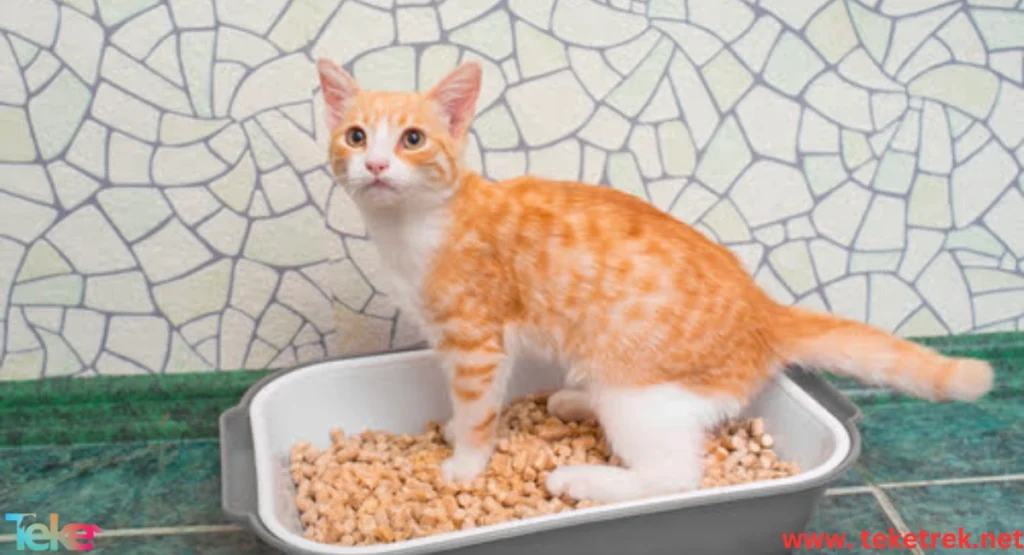
Covered boxes offer privacy for shy cats but may trap odors that deter sensitive felines
Credit: teketrek.net
Troubleshooting Common Litter Box Issues
If your cat continues to have accidents despite following all training steps, the root cause is almost always a medical or environmental issue that can be resolved with small adjustments.
Sudden Avoidance
As outlined in the ASPCA's feline behavior guidelines, sudden litter box avoidance is often a sign of an underlying health issue, so a vet visit should be your first step before adjusting your training routine. Common medical causes include urinary tract infections, constipation, arthritis that makes it painful to enter the box, and anal gland issues. Once medical causes are ruled out, assess for environmental stressors like new pets, new babies, moving, or loud construction noise that may be making your cat feel unsafe.
Accidents Outside the Box
Clean all accident spots immediately with an enzyme cleaner, which breaks down the proteins in urine and feces that leave lingering scents encouraging repeat accidents. Never use ammonia-based cleaners, as ammonia smells like urine to cats and will make them more likely to eliminate in the same spot. If your cat is repeatedly eliminating in one specific area, place a litter box in that spot temporarily to encourage use, then move it gradually back to its permanent location over the course of a week.
Territorial Guarding
In multi-cat households, one cat may guard the litter box and prevent other cats from accessing it, leading to accidents. Add extra boxes in separate, quiet locations to give each cat their own space, and ensure no cat can block access to any box.
Special Considerations for Different Cat Types
Training approaches vary based on your cat’s age, mobility, and history, so adjust your routine to meet their specific needs.
Kittens
Kittens under 4 months old should use non-clumping litter to avoid the risk of ingestion if they eat litter while exploring. Their bladders are small, so place the box in a highly accessible location and show it to them frequently. Kittens typically learn consistent box use within 1–2 weeks with regular reinforcement.
Senior Cats
Arthritis and reduced mobility are common in cats over 10 years old, making high-entry boxes painful to use. Choose a box with low sides (1 inch or lower) and place it on the main floor your cat spends most of their time on, with no stairs required to access it. Low-effort cleaning options like self-cleaning models reduce the need for your cat to step into a dirty box, which can be painful for cats with joint issues.
Cats with Disabilities
For three-legged cats or cats with spinal injuries, use high-sided boxes to contain litter scatter and prevent mess. For cats with neurological issues that make it hard to aim, use larger boxes with extra litter to give them more room to move.
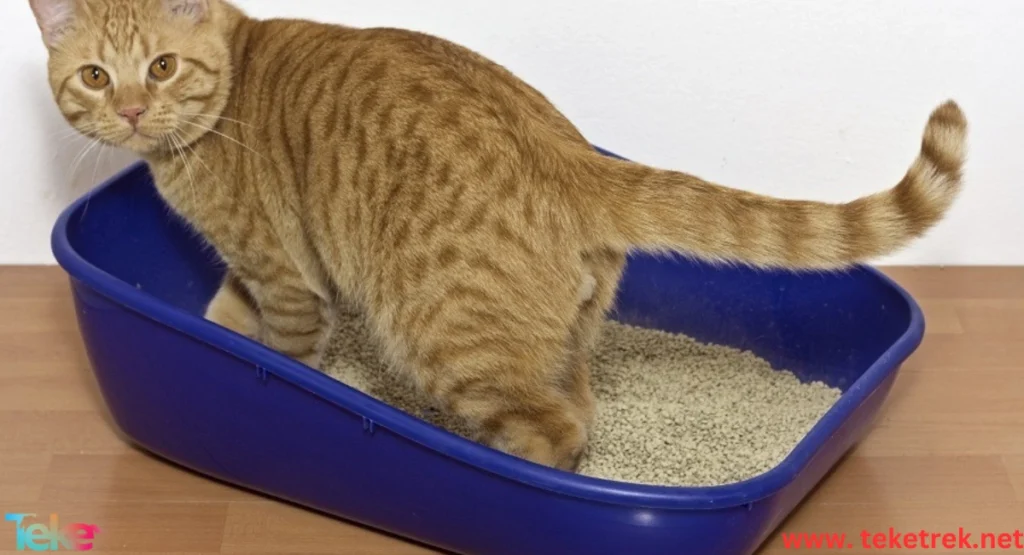
Self-cleaning models reduce maintenance work and keep the box consistently fresh for cats
Credit: teketrek.net
Frequently Asked Questions
How long does it take to litter train your cat?
Training timelines vary based on your cat’s age and history. Kittens typically learn consistent box use within 1–2 weeks, adult cats with no prior negative experiences adapt in 2–4 weeks, and rescue cats with trauma may take 1–2 months. Consistency in routine and box cleanliness is the biggest factor in speeding up the process.
How do I train my cat to use the litter?
Start by confining your cat to a small room with the litter box, food, and water for the first 2–3 days to help them learn the box’s location. Gently place them in the box 10–15 minutes after meals, naps, and play sessions, and reward them immediately with a treat if they use it. Never scold them for accidents, as this will make them fear the box.
How do I encourage my cat to pee in the litter box?
Scoop waste at least once daily, and place the box in a quiet area away from loud appliances or high-traffic zones. If your cat avoids urinating in the box, switch to an unscented, fine-textured clumping litter, and use a pheromone-based attractant to encourage use. Reward them immediately with a treat when you see them use the box for urination.
How do I get my cat to pee and poop in the litter box?
Some cats prefer separate boxes for urination and defecation, so provide two boxes in different quiet locations if you have space. Ensure the box is large enough for your cat to turn around and dig comfortably, and scoop frequently to keep it clean. If accidents persist, rule out medical issues like constipation first, then try a softer, non-clumping litter if your cat finds standard clumping litter uncomfortable for defecation.
Why is my cat pooping outside the litter box but peeing in it?
This is almost always a setup issue, not behavioral defiance. Common causes include a box that is too small for your cat to position themselves comfortably for defecation, litter that is too rough on their paws, a box that is not scooped frequently enough, or territorial guarding by another cat in the household. Try adding a second box, switching to a softer litter, and increasing scooping frequency to resolve the issue.
Are automatic litter boxes a good option for training?
Automatic litter boxes work well for training, especially for busy owners, but they require a gradual introduction. Leave the box turned off for the first 3–5 days to let your cat get used to its presence, then turn the cleaning cycle on for short periods while you supervise to reward them for staying calm around the noise. Avoid boxes with loud, sudden movements that could startle skittish cats.
Conclusion
Training cats to use the litter box is far simpler than it first appears, as long as you work with your cat’s natural instincts instead of against them. Start with a properly sized, well-placed box, choose a litter your cat finds comfortable, and use consistent positive reinforcement to build good habits. Remember that sudden changes in litter box behavior are almost always a sign of an underlying issue — either medical, environmental, or setup-related — so don’t hesitate to consult your veterinarian if troubleshooting at home doesn’t resolve the problem. With patience and consistency, you’ll have a reliably litter-trained cat in no time, and a cleaner, less stressful home for both you and your feline friend.
For more expert-backed cat care tips to support your pet’s health and happiness, browse our full library of guides covering optimal feline nutrition and long-haired cat grooming to keep your feline thriving.