
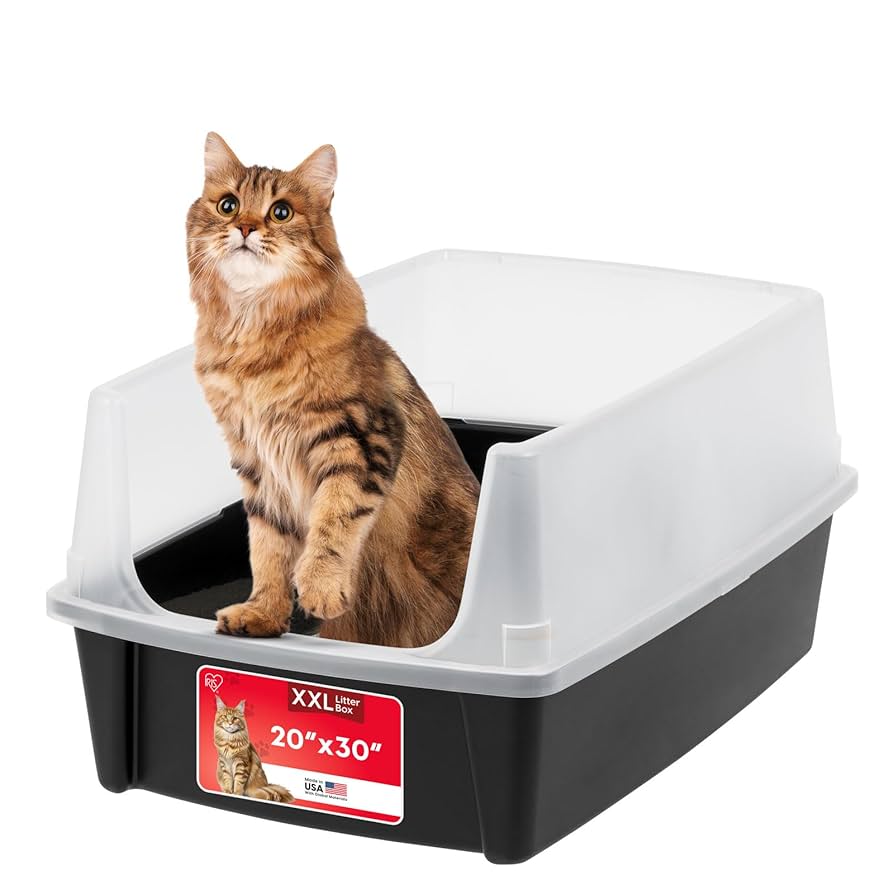
A litter box is one of the most important purchases you will make for your cat, yet it is often the most overlooked. If your cat is large, long-bodied, or simply likes to dig, a standard-sized pan can quickly become a source of stress, mess, and avoidance. The right large litter box changes that: it gives your cat room to turn, dig, and posture comfortably, while keeping more litter inside the pan and less on your floor.
This guide covers what actually matters when choosing a large litter box in 2026 — from interior dimensions and entry height to materials, placement, and training. You will learn how to measure your cat correctly, which designs reduce scatter and odor, and how to avoid the most common setup mistakes. By the end, you will be able to choose a box that works for your home and your cat’s long-term comfort. You can also read our guide on best litter box for big cats.
Why Litter Box Size Matters More Than You Think
Cats are fastidious animals. In the wild, they prefer to eliminate in open, quiet areas where they can see their surroundings and move away from waste quickly. A cramped litter box interferes with that natural behavior. When a cat cannot turn around without brushing the walls or cannot dig without hitting the sides, it may start eliminating just outside the pan, holding urine for too long, or avoiding the box altogether.
Veterinary behaviorists often use a simple guideline: the box should be at least one and a half times the length of your cat from nose to the base of the tail. The Cornell Feline Health Center has long emphasized that a cat must be able to enter, turn around, dig, and posture comfortably without touching the sides. That means for a 20-inch-long cat, a 30-inch-long box is a reasonable starting point — not a luxury. You can also read our guide on top entry cat litter box.
In practice, many owners underestimate how much interior space their cat needs. A common mistake is choosing a pan based on its exterior footprint. Storage bins and “jumbo” labels can be misleading, because thick walls, curved corners, and built-in hoods reduce the usable floor area inside. Always compare interior dimensions, not just the box’s outside measurements.
Signs Your Current Box Is Too Small
Look for these practical warning signs before you shop:
- Your cat perches on the edge of the box instead of standing inside it.
- Your cat scratches the walls or the floor next to the box after eliminating.
- You find urine or feces just outside the entrance.
- Your cat runs away from the box immediately after using it.
- Litter is constantly kicked out, even with a high-sided pan.
If you notice two or more of these behaviors, a larger or differently designed box is likely a worthwhile upgrade.
Types of Large Cat Litter Boxes
Large litter boxes come in several distinct designs. Each has clear trade-offs, and the best choice depends on your cat’s age, mobility, and bathroom habits. You can also read our guide on travel cat carrier with litter box.
| Type | Pros | Cons | Best For |
|---|---|---|---|
| Open high-sided pan | Easy access, good air circulation, simple to scoop | Can still scatter litter over low sides | Large cats that dislike enclosed spaces |
| Covered or hooded box | Contains odor and scatter, offers privacy | Can trap odor if not cleaned often, some cats refuse to enter | Shy cats and odor-sensitive homes |
| Top-entry box | Excellent scatter control, keeps dogs out | Hard for senior or arthritic cats to climb | Active cats and multi-pet homes |
| Automatic self-cleaning | Minimal daily scooping, consistent cleanliness | Higher upfront cost, some cats fear the motor | Busy owners with multiple cats |
| Sifting or tray-based | Fast litter changes, less waste | Requires compatible litter | Owners who want a quick daily routine |
Open High-Sided Pans
An open pan with tall sides is the most straightforward upgrade for a large cat. It preserves easy entry while containing digging and kicking. Look for sides that are at least 8–10 inches tall at the back, with a lower front lip so your cat can step in without jumping.
For a closer look at spacious open designs, our guide to extra-roomy litter pans breaks down what to look for in materials and dimensions. You can also read our guide on best tick medication for cats.
An open high-sided pan gives a large cat room to turn and dig without brushing the walls.
Covered or Hooded Boxes
Hooded boxes are popular for odor and scatter control, but they reduce visual space and can make a large cat feel cramped. If you choose a covered box, prioritize models with a removable hood for easy cleaning and a wide, unobstructed entrance. Some covered boxes now include carbon filters or ventilation slits to manage moisture and odor.
Top-Entry Boxes
Top-entry designs force the cat to jump in through a hole in the lid. This nearly eliminates floor scatter and keeps curious dogs out, but it is a poor choice for older cats, kittens, or cats recovering from surgery. If you have a young, agile large cat, a top-entry box can be an excellent solution. You can also read our guide on hidden cat litter box furniture.
Automatic Self-Cleaning Boxes
Automatic boxes use a rake or rotating drum to separate waste into a sealed compartment after each use. They reduce daily scooping but add a motor, sensors, and waste drawer to maintain. Some cats are startled by the cleaning cycle, so introduce the box gradually and leave it unplugged for the first few days. If you want to compare hands-off options, our breakdown of self-cleaning litter boxes covers maintenance, safety features, and long-term costs.

Covered and top-entry designs help contain litter scatter in shared living spaces.
Sifting and Tray-Based Designs
Some large pans include a sifting tray or removable liner that lets you lift out clumps without scooping. This is especially useful with clumping clay or plant-based litters. Models with a separate tray — like the options detailed in our tray-based litter box guide — can make the daily clean-up routine noticeably faster.
Key Features to Evaluate Before You Buy
Interior Dimensions vs. Exterior Footprint
Always check the inside length and width. A “large” box that measures 24 inches on the outside might only offer 20 inches of usable floor space once you account for thick plastic walls and curved corners. For most large cats, an interior length of at least 22–24 inches is a good baseline. Measure your cat first and then add 8–10 inches for comfortable turning room.
Entry Height and Accessibility
A lower front entry is easier for senior cats, cats with arthritis, and long-bodied breeds like Maine Coons or Ragdolls. If the entry is too high, your cat may hesitate to step in, even if the interior is spacious. For older cats, skip top-entry boxes and choose a pan with a low-profile entrance or a built-in ramp.
Material, Durability, and Odor Resistance
Cheap, thin plastic absorbs odors and becomes scratched over time, creating tiny crevices where bacteria collect. Look for high-density polypropylene or smooth, non-porous finishes that resist scratching and are easy to wipe down. Avoid painted or textured interiors that trap waste. A durable pan costs more upfront but lasts years longer and smells better between cleanings.
Cleaning and Maintenance Features
Removable hoods, sifting trays, and seamless corners make a significant difference. Smooth interior surfaces prevent litter from sticking. A non-stick coating or polished finish can cut down on scrubbing. If you hate scooping, consider an automatic or sifting model — but weigh that against your cat’s tolerance for moving parts.
Litter Containment and Tracking Control
High walls, a covered top, or an entry ramp with a grooved surface all reduce tracking. Some boxes include a textured lid or ramp that pulls litter from your cat’s paws as it exits. In practice, pairing a high-sided pan with a litter-catching mat outside the entrance solves most tracking problems without needing a full enclosure.

Tall walls and a smooth interior make scooping faster and keep more litter off the floor.
How to Choose the Right Size for Your Cat
Measuring Your Cat
Measure from the tip of your cat’s nose to the base of the tail while your cat is stretched out, not curled up. Multiply that number by 1.5 to get a minimum interior length. For a 20-inch cat, aim for at least 30 inches. For width, the box should be at least as wide as your cat is long from shoulder to shoulder, plus a few extra inches for digging.
Multi-Cat Households
The old rule still holds: provide one litter box per cat plus one extra. If you have two large cats, that means three boxes. Place them in different rooms so one cat cannot guard a single box. Even a very large single pan rarely replaces the need for multiple boxes in a multi-cat home, because resource guarding and territorial marking are common.
Senior Cats and Mobility Issues
For cats with arthritis, hip dysplasia, or post-surgical recovery, choose a box with a low entry under 4 inches high. Some owners cut a U-shaped opening in a high-sided pan or use a ramp. A larger interior is still important, but accessibility matters more than total height. Avoid top-entry and steep-sided covered boxes for this group.
Training Your Cat to Use a Larger Box
Switching to a new box is usually easy if you introduce it gradually. Place the new large box next to the old one for a few days with the same litter type. Once your cat uses it reliably, remove the old box. Avoid changing litter type, location, and box design all at once — that is a common reason cats reject a new setup.
If your cat is transitioning from outdoor life or has never used a pan, start with the steps in our stray cat litter training guide. For cats that keep missing the box even after an upgrade, review your litter depth and placement before assuming the box is the problem.
Placement and Setup Tips
Where you put the box matters as much as its size. Choose a quiet, low-traffic area where your cat can see the entrance and exit — not a dark corner where it feels trapped. Avoid placing the box next to washing machines, furnaces, or other loud appliances. International Cat Care recommends one box per cat plus one extra, placed in separate parts of the home to prevent guarding and reduce accidents.
For renters or anyone who wants the pan out of sight, a furniture-style litter box enclosure can hide the box while giving your cat a quiet, private entry. Just make sure the enclosure’s internal floor space still matches the size recommendations above — many stylish enclosures are too narrow for a genuinely large pan.
Maintenance and Odor Control
A large box holds more litter, but that does not mean it needs less frequent scooping. The larger surface area can actually make urine spread further if clumps are left in place. Scoop waste at least once a day, and completely empty and wash the pan every two to four weeks using warm water and a mild, unscented soap. Avoid harsh chemicals like ammonia or bleach, which can leave residues that irritate a cat’s paws and nose.
To keep odor down, maintain a litter depth of 2–3 inches for clumping litter. Deeper litter may reduce contact with the bottom but can make digging harder and waste harder to find. If you want to speed up the process, a rolling or sifting model like the one covered in our Omega Paw litter box guide can cut scooping time dramatically while keeping the pan cleaner between full changes.
Common Mistakes to Avoid
Ignoring Interior Size
Buying based on exterior dimensions is the most common error. Always verify the interior length and width before purchasing, especially for covered or top-entry boxes where the usable floor area is smaller than it looks.
Changing Too Much at Once
If you switch to a new box, new litter, and a new location in the same week, your cat may refuse the box entirely. Make changes one at a time and give your cat at least a week to adjust before adding another variable.
Placing the Box in a Stressful Spot
High-traffic hallways, noisy laundry rooms, and cramped closets are all common triggers for avoidance. A large box in the wrong place is still a failed box.
Overlooking Health Problems
If your cat suddenly starts missing the box despite a roomy, clean pan, see a veterinarian before assuming it is a behavioral issue. Urinary tract infections, kidney disease, and arthritis can all cause litter box avoidance.
If your cat is spraying or eliminating just outside the box, a training deterrent spray may help redirect the behavior while you fix the underlying setup. However, deterrents should support — not replace — proper box size, placement, and veterinary care.
Look for seamless corners and a non-porous finish to make weekly cleanings faster.
Frequently Asked Questions
What is the best large litter box for a big cat?
There is no single best model for every cat. The right choice depends on your cat’s mobility, digging habits, and your cleaning preferences. For most large cats, an open high-sided pan with at least 22–24 inches of interior length is the safest starting point.
Are covered litter boxes better for large cats?
Covered boxes can reduce odor and scatter, but many large cats feel cramped inside them. If you choose a covered box, make sure the interior floor space is still generous and the hood is removable for easy cleaning. Some cats will simply refuse a hood, so be prepared to switch to an open high-sided pan.
How often should I clean a large litter box?
Scoop daily, regardless of box size. A full litter change and pan wash every two to four weeks keeps bacteria and odor under control. Automatic boxes still need weekly drawer emptying and occasional deep cleaning.
Can two cats share one large litter box?
Even a very large single box rarely works well for two cats. Cats often guard resources, and one cat may start eliminating elsewhere to avoid conflict. Follow the one-box-per-cat-plus-one rule and place boxes in different rooms.
What litter works best in a large box?
Clumping clay or clumping plant-based litters usually work well because they make daily scooping fast and reduce odor. Use 2–3 inches of litter so urine clumps form without sticking to the bottom. Avoid heavily scented litters if your cat has respiratory sensitivities.
How do I stop my cat from kicking litter out of a large box?
High sides, a covered top, or a top-entry design all help contain scatter. A textured ramp or litter-catching mat outside the entrance reduces tracking. If your cat is a dedicated digger, a top-entry box with a grooved lid often solves the problem completely.
Conclusion
A large litter box is one of the simplest upgrades you can make for your cat’s comfort and your home’s cleanliness. Start by measuring your cat from nose to tail base, then choose an open high-sided pan, a covered box, or a self-cleaning model that fits your routine and your cat’s mobility. Prioritize interior dimensions, easy cleaning, and low-stress placement.
If your current pan is too small, you will likely notice a difference within a week of upgrading: less scatter, fewer accidents, and a cat that uses the box without hesitation. For a curated list of spacious options, see our spacious litter box picks and start with the right measurements before you buy.