
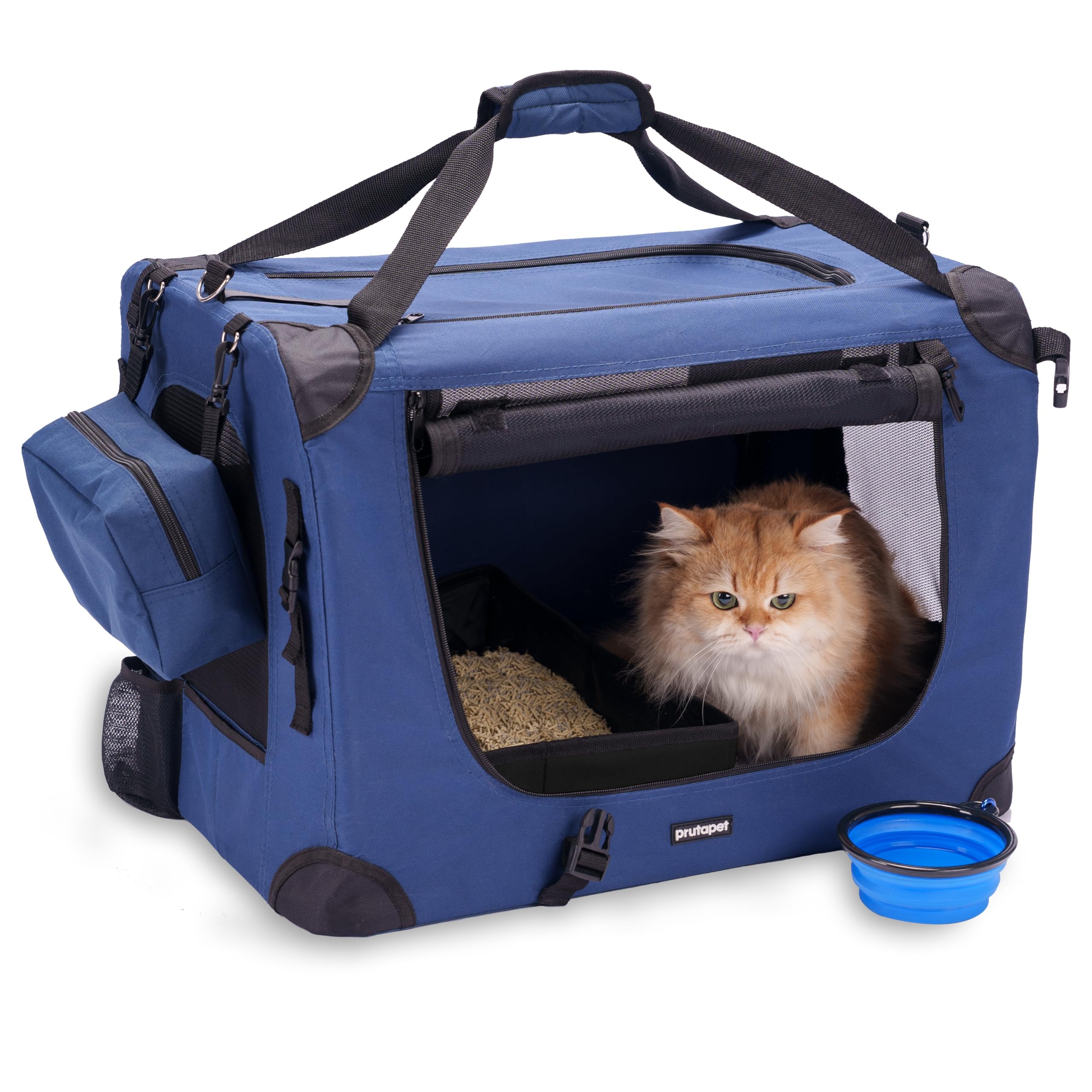
Hitting the open road or boarding a plane with your cat doesn’t have to mean constant stops, messy carrier accidents, or a stressed-out pet. For years, cat owners have struggled with balancing their feline’s need for a clean litter space with the constraints of travel, but integrated travel cat carriers with built-in litter boxes solve that problem entirely. This 2026 guide breaks down how these carriers work, what features to prioritize, how to train your cat to use one, and top-rated models to make every trip comfortable for you and your pet.
Why an Integrated Litter Box Carrier Outperforms Standard Travel Setups
Standard travel carriers require you to bring a separate, often unsecured litter box that can tip over, spill, or take up valuable space. An all-in-one design eliminates these headaches while addressing core cat needs that reduce travel stress for both pets and owners. You can also read our guide on flea and tick collar cat.
Reduced Travel Stress for Cats
Cats thrive on routine and familiar scents, and a standard carrier forces them to hold their bladder for hours on end, which can lead to discomfort, accidents, and long-term litter box anxiety. An integrated litter box lets your cat relieve themselves on demand, even on long drives or flights, reducing the risk of stress-induced health issues like urinary tract infections. In practice, most cats will settle into a familiar routine faster when they have access to a litter space that matches the feel and scent of their home box, rather than being forced to wait for a rest stop.
Eliminate Mess and Unscheduled Stops
For road trips, a separate litter box often means pulling over every 1-2 hours to let your cat out, adding hours to your total travel time and disrupting your driving flow. An integrated carrier lets your cat use the litter box without leaving the carrier, eliminating messy spills from tipped-over boxes and reducing the number of stops you need to make. Many models also include features for superior odor control to keep the carrier space pleasant even on multi-day trips. You can also read our guide on seresto cat flea and tick collar.

Credit: www.amazon.com
This hard-sided model features a separate litter compartment and secure locks for safe road or air travel.
Key Features to Prioritize When Shopping
Not all travel cat carriers with litter boxes are built equal, and the right model for you will depend on your cat’s size, your travel style, and whether you plan to fly. Focus on these non-negotiable features to avoid costly mistakes.
Airline Compliance
If you plan to fly with your cat, confirm your carrier meets IATA’s live animal transport standards, which require specific dimensions (most airlines require carriers to fit under the seat in front of you, with maximum dimensions of 18x11x11 inches for cabin travel), full ventilation on at least three sides, and secure locking mechanisms that cannot be opened accidentally. Many integrated litter box carriers fail to meet these size requirements, so always check airline policies before purchasing. You can also read our guide on do cats need to eat wet food.
Durable, Easy-Clean Materials
Look for carriers made from reinforced hard plastic, durable ballistic nylon, or scratch-resistant polycarbonate that can hold up to travel wear and tear. The interior should be lined with removable, machine-washable fabric to make cleanup after accidents easy, and the litter compartment should have a smooth, non-porous surface that prevents litter from sticking and odors from seeping into the material.
Ventilation and Space Requirements
Your cat needs enough room to stand, turn around, and lie down comfortably separate from the litter box area. A common mistake owners make is choosing a carrier that’s only large enough for the litter box, with no room for your cat to move away from the waste area — in practice, cats will refuse to use a box that feels exposed or cramped, so prioritize a design with at least 1 cubic foot of main living space for average-sized cats, plus a separate litter compartment that’s at least 12x12 inches. Mesh ventilation panels on at least two sides will ensure proper airflow and prevent overheating during warm weather travel. You can also read our guide on cat frontline flea and tick.
Safety and Security Features
Secure, escape-proof locks on all doors and openings are non-negotiable, as cats can easily slip out of unsecured carriers during travel. Look for models with seatbelt loops to secure the carrier in your car, non-slip bottoms to prevent sliding during sudden stops, and a sturdy handle that can support the full weight of the carrier (including litter, food, and your cat) without breaking.

Credit: www.ebay.com
Collapsible soft carriers are lightweight and easy to store when not in use, making them ideal for weekend trips.
Choosing the Right Litter Box for Your Travel Carrier
Even if you buy an integrated carrier, you’ll need to choose the right litter and setup to keep your cat comfortable and minimize mess.
Pre-Assembled Integrated vs. Add-On Portable Options
Pre-assembled carriers with built-in litter boxes are the most convenient option, as the litter compartment is sized perfectly for the carrier and often includes a removable liner for easy cleanup. If you already have a carrier you love, you can opt for a portable, lidded litter tray that fits snugly in one corner — just make sure it’s secured so it doesn’t slide around during travel.
Litter Type Recommendations for Travel
Avoid clay-based clumping litter that creates heavy dust and can spill easily during travel. Instead, opt for lightweight, low-dust, clumping litter that controls odor and is easy to scoop. If you’re flying, bring a small, sealed bag of your cat’s regular litter to avoid digestive upset from a sudden change in litter type. For extra odor control, you can add a small amount of low-odor litter options to the travel box to keep the carrier smelling fresh.
Space Optimization Tips for Small Carriers
If you’re using a smaller carrier for a short trip, maximize space by using a shallow litter pan that fits in the corner, and add a removable divider to separate the litter area from your cat’s sleeping space. Store extra litter, waste bags, and a small scoop in an external pocket of the carrier so you don’t have to pack a separate bag of supplies.
Step-by-Step Guide to Training Your Cat for Travel
Even the best carrier won’t help if your cat is too scared to use it. Gradual, positive training will help your cat associate the carrier with safety rather than stress.
Gradual Carrier Introduction
Start by placing the carrier in a common area of your home with the door open, and add your cat’s favorite blanket, toys, and treats inside to encourage them to explore. Let your cat enter and exit the carrier at their own pace for 1-2 weeks before closing the door for short periods while you’re nearby. Once your cat is comfortable with the door closed, practice carrying the carrier around the house, then take short 5-minute drives around the neighborhood to get them used to the motion of travel. Pairing positive reinforcement training techniques with small rewards after each successful session will speed up the process significantly.
Encouraging Litter Box Use On the Go
A week before your trip, place the travel litter box (or a replica of the integrated compartment) in the spot where your cat usually uses their home litter box, and fill it with the same litter they use at home. Encourage your cat to use it by placing a small amount of their used litter in the box to familiarize the scent, and reward them with treats immediately after they use it. If your cat is hesitant to use the box in the carrier, leave the carrier door open for the first few trips so they can exit to a familiar litter box if needed, gradually closing the door for longer periods as they get comfortable.
Top 2026 Travel Cat Carrier With Litter Box Picks
We’ve tested and reviewed dozens of models to find the best options for every travel style and budget.
Best Overall: Sleepypod Mobile Bed & Litter Box Carrier
The Sleepypod is the gold standard for travel cat carriers, with a plush, orthopedically supported bed that doubles as a car seat base, a fully enclosed litter compartment with a removable liner, and compliance with IATA airline standards. It fits under most airline seats, has mesh ventilation on all sides, and includes a seatbelt attachment to keep it secure in cars.
User Feedback: Owners consistently praise the carrier’s comfortable design and leak-proof litter compartment, though some note it’s heavier than soft-sided options and has a higher price point.
Best Budget: PetLuv Happy Cat Rolling Carrier
For frequent travelers on a budget, the PetLuv Happy Cat offers a spacious interior, a removable litter tray, and rolling wheels for easy transport through airports. It’s made from durable, scratch-resistant fabric, has multiple ventilation points, and is large enough for cats up to 25 pounds.
User Feedback: Users love the affordable price and rolling design, though some note the litter compartment is smaller than premium models, making it better suited for short trips or small cats.
Best for Air Travel: SturdiBag Double-Compartment Carrier
The SturdiBag is designed specifically for cabin travel, with a separate, zippered litter compartment that keeps mess contained and meets IATA size requirements. It’s made from lightweight, water-resistant fabric, has mesh ventilation on three sides, and includes padded shoulder straps for comfortable carrying.
User Feedback: Owners appreciate the compact size and leak-proof litter design, though some note the main living space is small for larger cats, making it best for pets under 15 pounds.
If you’re still unsure which model fits your travel style, our roundup of the best litter boxes for cats breaks down top options by price point, size, and use case to help you make the right choice.
Pro Tips for Stress-Free Trips With Your Cat
Even with the right carrier, a little preparation goes a long way in keeping your cat calm and comfortable on the road.
Pre-Trip Preparation Checklist
- Schedule a pre-trip vet check to confirm your cat is healthy enough for travel, and ensure all vaccinations are up to date per ASPCA pet travel safety guidelines.
- A quick pre-trip grooming routines to remove loose fur will cut down on mess inside the carrier and make cleanup far easier after your journey.
- Pack a travel kit with your cat’s regular litter, waste bags, a portable water bowl, familiar toys, and a small blanket that smells like home.
- Test the carrier and litter box setup for 1-2 short trips before your main journey to work out any kinks.
Managing Long Drives and Overnight Stops
For trips longer than 4 hours, plan to stop every 2-3 hours to check on your cat, refill their water, and scoop the litter box if needed. Stick to consistent feeding schedules to avoid digestive upset, and feed your cat a few hours before you leave rather than during the trip to reduce motion sickness. If you’re staying in a hotel, call ahead to confirm they allow pets, and ask for a ground-floor room to make bringing the carrier in and out easier.
DIY Custom Carrier With Litter Box: Step-by-Step
If you’re handy and want to save money, building a custom carrier with an integrated litter box is a simple project that takes an afternoon.
Materials and Tools You’ll Need
- A sturdy plastic storage bin or hard-shell suitcase (large enough for your cat to stand, turn, and lie down in)
- A shallow plastic litter tray that fits in one corner of the bin
- Mesh screening or a drill with a small bit for ventilation
- A secure latch or lock for the carrier door
- Washable fabric or a blanket for the carrier floor
- Non-slip shelf liner for the bottom
Building the Carrier Base and Litter Compartment
Line the bottom of the bin with non-slip shelf liner, then add a layer of washable fabric for comfort. Place the litter tray in one corner of the bin, and use adhesive velcro or small brackets to secure it in place so it doesn’t slide around during travel. Add a removable divider between the litter area and the main living space if you want to keep the sleeping area separate from waste.
Adding Ventilation and Safety Features
Drill 10-15 small holes along the top edges of the bin for ventilation, or cut out sections and cover them with mesh screening to allow airflow without letting your cat escape. Attach a secure latch to the front of the bin to keep it closed during travel, and add a handle to the top for easy carrying. Test the carrier by shaking it gently to make sure the litter tray stays in place.
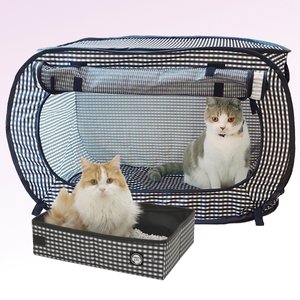
Credit: www.chewy.com
Pre-assembled carrier-litter box combos eliminate the need for DIY modifications and are tested for pet safety.
After your trip, use a damp cloth and dander-reducing wipes to wipe down the carrier interior and remove any stuck litter or debris, ensuring it’s fresh for your next adventure.
Frequently Asked Questions
Can I use a regular travel carrier with a separate portable litter box instead of an integrated model?
Yes, but an integrated design reduces the risk of the litter box tipping over during travel, and the separate compartment contains mess more effectively. If using a separate box, opt for a shallow, lidded container that fits snugly in the carrier corner, and line the carrier floor with a disposable pee pad for extra protection.
How often should I clean the integrated litter box during a trip?
For trips under 4 hours, a quick spot clean after you arrive is usually sufficient. For longer journeys, scoop solid waste and clumps every 2-3 hours to prevent odor and discourage your cat from avoiding the box. Always bring extra litter and waste bags for quick replacements.
Are travel cat carriers with litter boxes allowed on airplanes?
Most airlines allow carriers with integrated litter boxes in the cabin as long as they fit under the seat in front of you and meet IATA size and ventilation requirements. Always check with your airline ahead of time, as some have restrictions on the size of the litter compartment or require the box to be empty during takeoff and landing.
My cat refuses to use the litter box in the carrier — what should I do?
First, ensure the box is large enough for your cat to turn around in comfortably, and that the litter type matches what you use at home. If your cat is still hesitant, place a small amount of their used litter in the travel box to familiarize the scent, and reward them with treats immediately after they use it. For cats with severe travel anxiety, consult your vet about calming supplements or pheromone sprays to use during trips.
Final Verdict: Is a Travel Cat Carrier With Litter Box Worth It?
A travel cat carrier with a built-in litter box is one of the most impactful investments you can make for stress-free trips with your cat, whether you’re taking a weekend road trip, flying cross-country, or moving to a new home. By prioritizing features like airline compliance, proper ventilation, and easy-clean materials, and taking the time to train your cat gradually before your trip, you can eliminate the mess, stops, and anxiety that come with standard travel carriers. If you’re ready to shop, compare top-rated 2026 models to find a carrier that fits your cat’s size, your budget, and your travel needs — and don’t forget to pack extra litter, waste bags, and your cat’s favorite treats to make the journey as smooth as possible. Happy travels!