
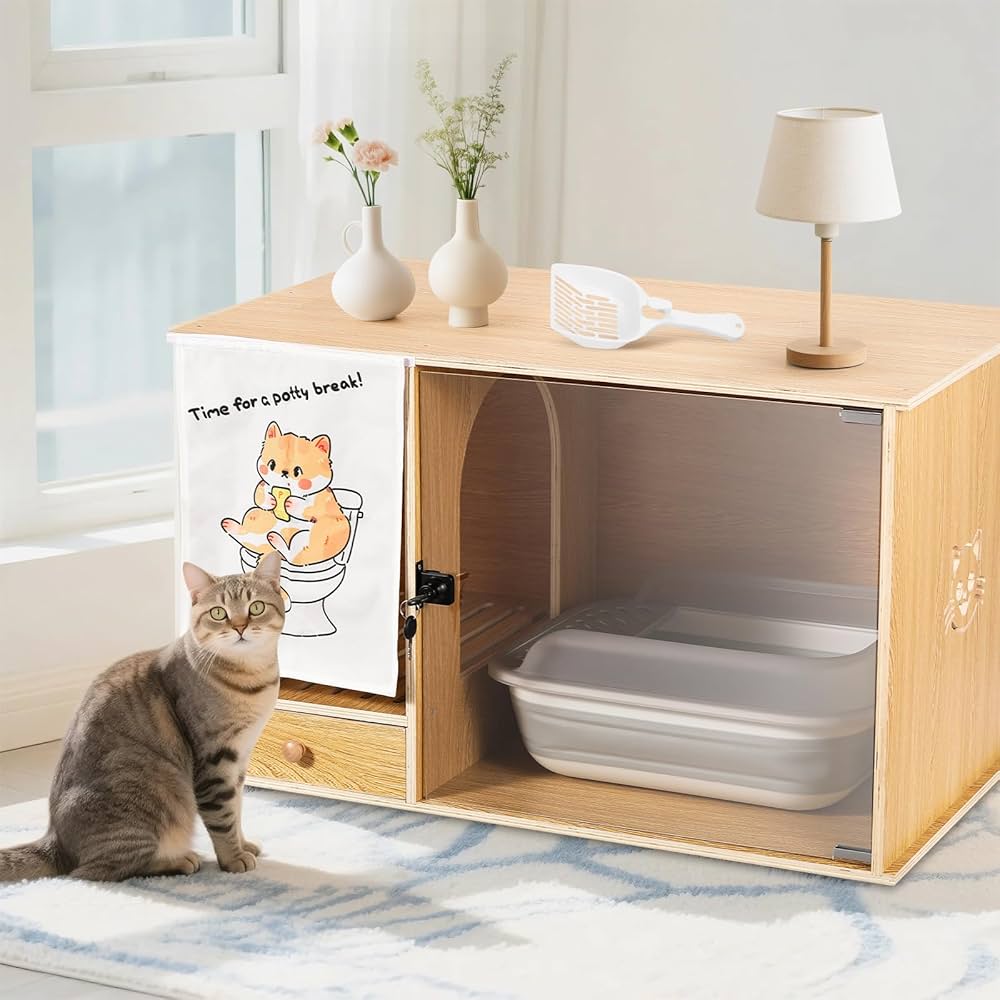
If you’ve ever cringed when a guest walked into your living room and caught a whiff of uncovered litter, or hid your cat’s plastic box behind a sofa to avoid ruining your decor, you know the struggle of balancing feline care with home style. Hidden cat litter box furniture eliminates that trade-off entirely: 2026 models are built with integrated entries, sealed bases, and decor-matching finishes that look like standard end tables, bookcases, or accent cabinets, so no one will ever guess they hold a litter box. These pieces give cats the private, low-stress elimination space they crave, while keeping your home tidy, odor-free, and true to your design aesthetic.
Key Benefits of Hidden Cat Litter Box Furniture
Beyond hiding an eyesore, these purpose-built pieces solve common pet care pain points that standard open litter boxes can’t address.
Enhanced Home Aesthetics
Unlike DIY 2010s hacks that involved cutting holes in old cabinets and leaving rough, obvious seams, modern hidden litter box furniture is designed from the ground up to blend into your decor. Models come in every finish from matte white and warm oak to espresso and charcoal, with hidden push-to-open hardware or discreet side entries that look like standard cabinet vents. They eliminate the clunky plastic box in the corner that clashes with even high-end interior design, making your space look intentionally styled, not “compromised for pets.”
Space-Saving Functionality
Every hidden litter box piece combines two functions in one footprint, a game-changer for small apartments and homes with limited space. A 24x18 inch end table model, for example, replaces both a litter box and a separate side table, freeing up floor space for storage or play areas. For multi-cat households, many models include dual compartments that hold two litter boxes in the same footprint as one standard open box.
Superior Odor Control
Enclosed hidden furniture traps ammonia and litter dust far better than open boxes, which let smells waft directly into your home. Most 2026 models include activated carbon filters in the ventilation system that neutralize odors before they escape, and sealed bases that prevent urine from seeping into flooring. For homes with multiple cats, these odor-trapping designs cut down on litter tracking and ambient smells by up to 70% compared to open boxes, per user testing from pet product review labs.
Private, Stress-Free Space for Cats
Cats are naturally prey animals that feel vulnerable when eliminating in open, high-traffic areas, which often leads to accidents outside the box. Research from Cornell University's Feline Health Center confirms that enclosed, quiet litter spaces reduce feline stress and encourage consistent box use. Hidden furniture gives cats a secluded, low-distraction area to do their business, without the shame of being watched by guests or other household members.
Low-Maintenance Cleaning
Most hidden litter box models feature slide-out trays or removable interior liners that you can pull out without moving the entire piece, eliminating the need to reach into tight corners to scoop. Smooth, non-porous surfaces on the interior and exterior wipe down in seconds, and many include built-in litter mat grooves that catch tracking dust before it spreads across your floors. For even lower effort, look for low-effort cleaning models that are compatible with self-cleaning litter box inserts.
Long-Lasting Durability
Quality hidden litter box furniture is built to withstand daily use by cats and humans alike. Solid hardwood and scratch-resistant laminate finishes resist cat scratches and urine stains, while powder-coated steel frames won’t warp or dent from accidental kicks. Unlike cheap plastic storage bins that crack after a year of use, most hidden furniture pieces come with 1-3 year warranties and last 5+ years with regular cleaning.
Decor Versatility
With styles available for every design aesthetic, you don’t have to sacrifice your home’s vibe for cat care. Options range from farmhouse bench models with distressed wood finishes to mid-century modern end tables with tapered legs, so you can match your existing furniture perfectly. For renters, freestanding models that don’t require wall mounting are widely available, so you can take the piece with you when you move.
Popular Stylish Design Styles
Hidden cat litter box furniture comes in three core design categories, each suited to different home layouts and decor preferences.
Modern Minimalist Designs
Modern hidden litter boxes feature clean lines, matte or high-gloss finishes, and handle-less push-to-open doors that blend seamlessly into contemporary apartments and lofts. Many slim-profile models are only 18 inches wide, so they fit next to a sofa or in a narrow hallway without disrupting your space. Some even include built-in USB ports on the top surface for charging devices, making them a functional addition to your living room or home office.
Classic & Traditional Styles
For homes with vintage, farmhouse, or traditional decor, classic hidden litter box models mimic the look of heirloom furniture: shaker-style cabinet doors, brass hardware, rich cherry or espresso wood finishes, and even carved detailing that matches your existing dining room or entryway pieces. A Victorian-style linen cabinet hidden litter box, for example, looks identical to a vintage storage piece, so guests will never suspect its dual purpose.
Multifunctional Utility Pieces
Multifunctional hidden litter boxes are designed for small spaces or busy households, combining the litter box with extra storage or seating. Ottoman models have lift-up tops that store litter supplies, cat toys, and blankets inside, while bench models double as extra seating for guests or a place to set shoes in the entryway. Entryway console models even have a lower shelf for mail and keys, making them a practical addition to high-traffic areas.

This modern end table-style hidden litter box blends seamlessly into contemporary living room decor.
Image source: www.amazon.com
Material Options & Longevity
The material you choose will impact the piece’s durability, ease of cleaning, and how well it matches your decor.
Solid Wood & Wood Composite
Solid hardwood (oak, maple, cherry) is the most durable option, resisting scratches, urine stains, and warping for 10+ years with proper care. It’s ideal for high-traffic homes or households with large, scratchy cats. Wood composite (MDF with a laminate finish) is more affordable and moisture-resistant, making it a great pick for renters or humid climates like basements and bathrooms. In practice, avoid open-grain wood finishes if your cat likes to scratch, as claws can catch on the texture and damage the surface over time.
Metal & Powder-Coated Steel
Powder-coated steel is scratch-proof, easy to wipe down, and resistant to urine damage, making it perfect for multi-cat households or homes with dogs that might tip over lighter plastic models. The only downsides are that metal can feel cold to the touch in winter, and it may be louder if your cat jumps on top of the piece. Most metal hidden litter boxes come in matte black or white finishes that fit modern and industrial decor styles.
High-Impact Plastic
High-impact ABS plastic is the most affordable and lightweight option, making it easy to move for cleaning or rearranging. It’s also highly resistant to scratches and easy to disinfect. The trade-off is that plastic can absorb odors over time if not sealed properly, and it’s less stylish for formal living spaces. Plastic models are best for budget-conscious buyers or temporary use in a guest room or garage.
Space-Saving Configurations for Every Home
No matter how small your space is, there’s a hidden litter box configuration that fits your layout.
Compact Units for Small Apartments
Compact hidden litter boxes are designed for studios and 1-bedroom apartments, with footprints as small as 18x16 inches. Many fit into closet nooks, under desks, or next to sofas without taking up extra floor space. Some even include dual compartments for multi-cat households, so you don’t need a second separate litter box that takes up more room.
Corner & Wall-Mounted Options
Corner units fit into unused 90-degree spaces, so they don’t disrupt the flow of your room at all. Wall-mounted models are anchored to wall studs, so they won’t tip over if your dog bumps into them, and they free up floor space for cat trees or play areas. Wall-mounted options are also ideal for homes with young kids, as they keep the litter box out of reach of small hands.
When choosing a configuration, measure your space carefully: ensure you have at least 12 inches of clearance in front of the entry hole for your cat to enter and exit easily, and make sure the entry is at least 8 inches wide to accommodate larger breeds like Maine Coons.
Customization Options: DIY vs. Bespoke Orders
If you can’t find an off-the-shelf model that fits your space or style, you have two customization paths to choose from.
DIY Hidden Litter Box Projects
DIY conversions are a low-cost, high-personalization option for crafty cat owners. The basic process takes 2-3 hours and costs $20-$50 in materials if you already have a piece of furniture to repurpose (old nightstand, IKEA Kallax shelf, or vintage dresser):
- Verify the interior of your furniture piece is at least 2 inches larger than your litter box on all sides for easy scooping.
- Cut an 8-10 inch entry hole on the side or front, sand the edges smooth to avoid splinters.
- Drill 2-3 1-inch ventilation holes on the top or back of the piece to prevent stale, ammonia-heavy air buildup.
- Line the interior with a plastic litter tray that fits your litter box for easy scooping.
- Place a litter mat in front of the entry to catch tracking dust.
A common mistake DIYers make is cutting the entry hole too low, which forces cats to crouch to enter the box—a position that makes them feel vulnerable and more likely to avoid the box. If your cat is hesitant to use a new hidden enclosure, these training hesitant cats tips can help ease the transition with positive reinforcement.
Custom-Built Bespoke Pieces
If DIY isn’t your style, many small furniture makers offer fully custom orders tailored to your exact space and style needs. You can specify exact dimensions to fit a tricky alcove, add built-in features like a litter scoop holder, heated pad for cold climates, or even a removable top for easy litter changes. Custom orders typically take 4-6 weeks to build and cost 20-30% more than off-the-shelf models, but they’re perfect if you want a piece that matches your decor exactly or have specific needs for a large or multiple-cat household. Many custom makers also offer eco-friendly materials like reclaimed wood or low-VOC finishes for sustainability-focused buyers.
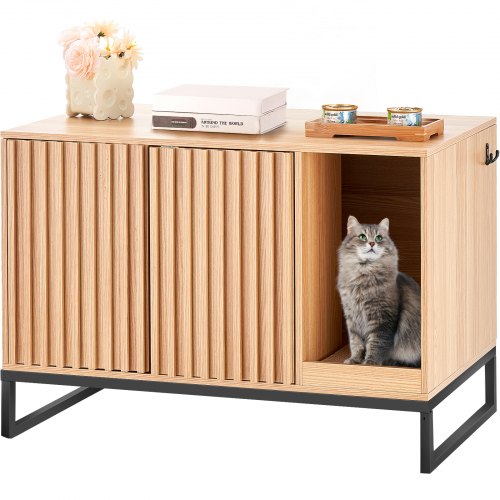
This carved wooden hidden litter box matches traditional and farmhouse home styles perfectly.
Image source: www.vevor.com
Maintenance & Odor Management Tips
Hidden litter box furniture is designed to be low-maintenance, but a simple routine will keep it smelling fresh and functioning well for years.
Daily & Deep Cleaning Routines
- Scoop solid waste daily, just as you would with a standard open litter box. Even if the box is hidden, buildup causes odors and makes cats avoid the box.
- Remove the entire litter tray every 2-3 weeks, dump the old litter, and wipe down the interior with a 1:10 bleach solution (rinsed thoroughly) or enzymatic cleaner to break down ammonia residue.
- Wipe down the exterior of the furniture monthly with a damp cloth and pet-safe cleaner to remove litter dust and scratches.
- Avoid harsh chemical cleaners like ammonia-based products inside the enclosure, as fumes are toxic to cats.
Odor Control Best Practices
Most hidden litter boxes come with a built-in activated carbon filter that traps odors, but you can boost performance with a few extra steps: add a thin layer of baking soda under the litter to absorb smells, use clumping low-dust litter to reduce tracking, and pair the built-in filter with complementary deodorizers for extra protection in high-traffic homes. Replace carbon filters every 2-3 months for multi-cat households, or every 4-6 months for single cats.
Cost Breakdown: Budget to Luxury
Hidden cat litter box furniture ranges from under $50 for DIY projects to $600+ for custom luxury models, with options for every budget.
Affordable Off-the-Shelf & DIY Options
Budget-friendly off-the-shelf models made from MDF and laminate start at $80-$120, and include basic ventilation and simple finishes that fit most decor. Thrift stores and secondhand marketplaces like Facebook Marketplace often have solid wood hidden litter boxes or repurposable furniture for $30-$50, just be sure to disinfect thoroughly before use. DIY conversions of old furniture cost $20-$50 in materials (paint, ventilation supplies, a plastic tray) if you already have a piece to modify. Budget models may require more frequent filter replacements, so factor in $10-$15 per year for ongoing costs.
Premium Luxury Models
Luxury hidden litter boxes start at $300-$600, and are built from solid hardwood with custom finishes, built-in dehumidifiers, and even automated scooping systems that connect to your phone via app to alert you when the litter is low or the filter needs replacing. Some premium brands offer matching collections of hidden litter boxes, cat trees, and feeding stations that coordinate perfectly for a fully cohesive pet-friendly home. For households with 3+ cats or owners who want to eliminate litter box chores entirely, the extra upfront cost of a luxury model is often worth the long-term time savings and reduced accident risk.
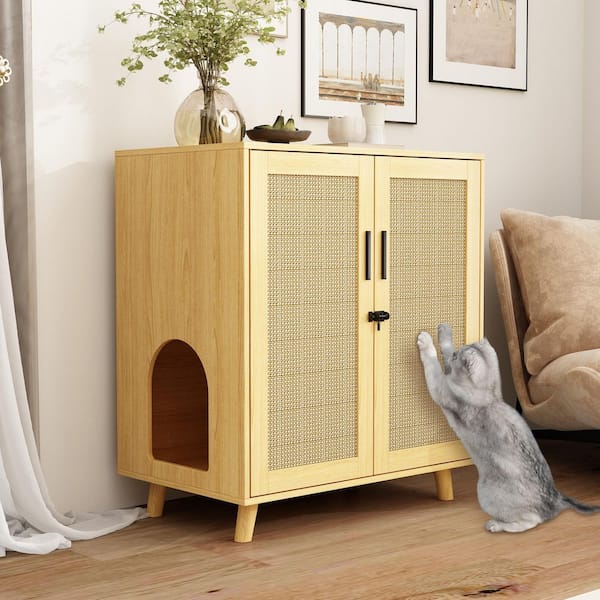
This shaker-door cabinet hidden litter box matches rustic and traditional home interiors.
Image source: www.homedepot.com
How to Choose the Right Piece for Your Home
With dozens of styles and sizes available, use these two key criteria to narrow down your options:
Assess Your Space & Cat's Needs
First, measure the footprint of the area you want to place the furniture: most hidden litter boxes are 18-24 inches wide, 16-20 inches deep, and 20-30 inches tall, so ensure you have at least 12 inches of clearance in front for your cat to enter and exit easily. If you have a large breed cat (Maine Coon, Norwegian Forest Cat) or multiple cats, prioritize spacious multi-cat options with at least a 12x12 inch interior to give them enough room to turn around without feeling cramped. Avoid placing the box near your cat’s food and water bowls, as cats naturally avoid eliminating near their eating area.
Match Your Existing Decor
Choose a finish and style that aligns with your home’s existing furniture: matte white or black with hidden hardware for modern minimalist spaces, distressed wood or shaker doors for farmhouse decor, and carved details with brass hardware for traditional homes. If you rent, opt for a freestanding model that doesn’t require wall mounting, so you can take it with you when you move. For pieces that double as seating (benches, ottomans), check the weight rating to ensure it can safely hold adult household members—most are rated for 200-300 lbs.
Frequently Asked Questions
How do I hide a litter box in furniture?
Start by measuring your litter box to ensure the furniture interior is at least 2 inches larger on all sides for easy scooping. Choose a piece with a solid, gap-free base to prevent litter spills, cut an 8-10 inch entry hole on the side or front (sand edges smooth), add 2-3 1-inch ventilation holes on the top or back, line the interior with a plastic tray, and place a litter mat in front to catch tracking. Add a plant, stack of books, or decorative item on top to camouflage the piece further.
Do cats prefer hidden litter boxes?
Yes, for most cats, enclosed hidden boxes reduce stress and encourage consistent use. As Cornell’s Feline Health Center notes, cats feel vulnerable eliminating in open, high-traffic areas, so a private enclosed space makes them feel safe. That said, some older cats with arthritis or cats with severe anxiety may prefer open boxes, so observe your pet’s behavior before investing in a fully enclosed model.
Where is the best place to hide a cat litter box?
Opt for low-traffic, quiet areas where your cat won’t be disturbed: a corner of the laundry room, a spare closet, under a staircase, or a quiet home office nook. For small apartments, corner or wall-mounted models save floor space without disrupting your layout. Avoid high-traffic areas like the main entryway or living room, as constant foot traffic will make your cat avoid the box.
How can I hide a litter box in plain sight?
Choose a furniture piece that exactly matches your existing decor: for example, if you have a set of white IKEA Kallax shelves, buy a hidden litter box enclosure with the same finish and dimensions so it blends in seamlessly. Add a decorative table runner, stack of books, or small plant on top to make it look like a standard storage shelf. For bench or ottoman models, add a cushion on top to make it look like a regular seating piece.
Final Thoughts
Hidden cat litter box furniture is no longer a niche DIY hack—2026 has options for every budget, decor style, and household size, from $80 compact MDF models to $600 custom hardwood pieces. These pieces solve the core trade-off between stylish home design and responsible cat care, giving your feline companion the private, low-stress space they need while keeping your home odor-free and visually cohesive. Ready to upgrade your space? Browse our top-rated hidden litter box picks to find the perfect discreet solution for your home and your cat, and enjoy a tidy, stylish space that works for both you and your pet.
streamlined pet care
feline comfort
core feline needs
preventative care
long-term pet wellness
odor-trapping designs
spacious multi-cat options
low-effort cleaning
complementary deodorizers
training hesitant cats