
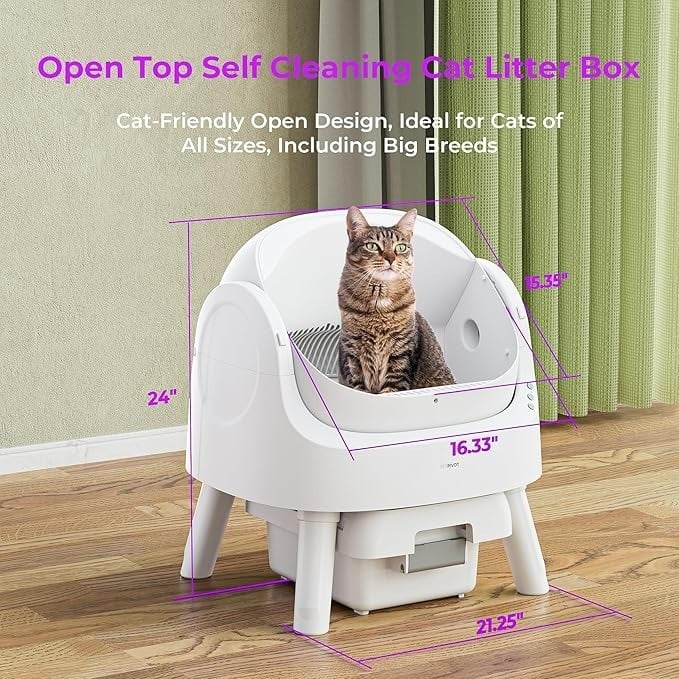
If you’ve ever come home to the sharp smell of an un-scooped litter box — or spent another ten minutes hunched over clumps at the end of a long day — you already know why automatic litter boxes have become one of the most popular upgrades for cat owners. The best automatic cat litter box removes the daily chore of scooping, keeps your cat’s bathroom fresher, and can even alert you to changes in your pet’s health before they become serious problems.
This guide explains how these machines actually work, which features matter most in 2026, how to transition a hesitant cat, what ongoing maintenance really looks like, and which household setups benefit most. We’ll also clear up common misconceptions and help you avoid the mistakes that lead owners to return or abandon these devices. Along the way, you’ll find links to our in-depth guides on related topics like litter training, cat nutrition, and multi-cat households.
Before you spend hundreds of dollars, take a few minutes to understand what separates a genuinely helpful appliance from an expensive doorstop.
Why Switch to an Automatic Cat Litter Box?
The benefits go far beyond saving a few minutes a day. A well-chosen self-cleaning box changes your daily routine, your cat’s bathroom hygiene, and even how closely you can monitor their wellbeing.
Eliminate the Daily Scooping Routine
Manual scooping typically takes five to ten minutes per session, often twice a day for multi-cat homes. Over a year, that’s dozens of hours spent on a task nobody enjoys. Automatic boxes handle waste removal on a timer or immediately after your cat exits, using sensors to detect activity and then sifting, raking, or rotating clumps into a sealed compartment. This is especially valuable for people with back or mobility limitations, remote workers who can’t step away for litter duty, and families where chores are already stretched thin. You can still spend that time with your cat — playing, brushing, or simply relaxing — instead of cleaning up after them. If you’re curious about other ways to simplify pet care routines, our guide on basic behavior training techniques offers a good starting point for cats and dogs alike.
Better Hygiene for People and Cats
Scooping a traditional box stirs up dust and bacteria-laden particles that can linger in the air. For anyone with asthma, allergies, or a compromised immune system, that’s a real concern. Automatic boxes seal waste into a covered drawer or compartment shortly after it’s deposited, reducing airborne particles and cutting down on litter scattered across the floor. Cats also notice the difference: many felines will avoid a soiled box and either hold their urine or eliminate elsewhere, which can lead to urinary tract issues and unwanted behavioral problems. The American Veterinary Medical Association notes that a clean litter box is a cornerstone of good feline health and can prevent inappropriate elimination. A closer look at how self-cleaning boxes support your cat’s comfort can help you understand why consistent cleanliness matters more than many owners realize.
Odor Control in Small Spaces
If your litter box lives in an apartment bathroom, a laundry closet, or an RV, odor management is non-negotiable. Automatic boxes tackle smell at the source with sealed waste compartments and replaceable carbon filters that absorb ammonia and volatile organic compounds. Many 2026 models go further with built-in air purifiers or optional ionizers. A common mistake is buying a box with a tiny waste drawer and then leaving it full for two weeks — the drawer itself becomes the odor problem. Look for models where the waste container seals tightly even when partially full. For additional context on what has worked for owners in compact living situations, our guide on self-cleaning models available from major online retailers reviews several space-conscious options.
Long-Term Cost Considerations
The upfront price of an automatic box ranges from about $150 for basic rake models to $600 or more for app-connected rotating drums with health tracking. That’s significantly more than a $20 plastic pan. However, many owners find the ongoing costs are lower than expected: you’ll use less litter because the box sifts only clumps, and you won’t need scented liners, deodorizers, or disposable liners as frequently. Replacement carbon filters and waste drawer liners typically run $5–$10 per month. If you currently buy premium clumping litter and replace it entirely every week, the automatic box often pays for itself within 18–24 months. The real value, though, is time saved — something a price tag doesn’t capture. Your cat’s diet also affects how much odor and waste you generate, so pairing a good box with appropriate nutritional choices can reduce the load even further.
Early Health Warning Signs
The most advanced 2026 automatic litter boxes include weight sensors and usage tracking that log when your cat enters, how long they stay, and how much they weigh. Sudden increases in urination frequency, longer-than-normal straining, or unexplained weight loss can be early indicators of diabetes, kidney disease, urinary crystals, or hyperthyroidism. Having that data in an app makes it easy to share trends with your veterinarian instead of relying on vague observations. This is not a substitute for veterinary care, but it is a powerful early-warning tool for cats predisposed to urinary problems.
Modern units use slide-out, sealed drawers to keep odor contained and make disposal a quick, no-touch task.
Credit: www.businessinsider.com
How Automatic Litter Boxes Work: Rake, Drum, and Crystal Systems
Before comparing brands, understand the three dominant cleaning mechanisms. Each has clear trade-offs in reliability, noise, litter compatibility, and capacity.
Rake-Style Automatic Boxes
A motorized arm with tines sweeps across the litter bed, pushing solid clumps into a covered waste bin at one end. The rake then retracts and the box resets. These models are generally quieter and more affordable, but they work best with hard, fast-clumping clay litter. Soft or oversized clumps can stick to the tines or jam the mechanism. If you have a cat that urinates large volumes, look for a model with an adjustable rake height or a pause function that gives clumps extra time to harden before the rake runs. In practice, budget rake boxes under $150 often struggle with sticky litter and require more frequent manual intervention.
Rotating Drum Systems
These units contain a globe or cylinder that rotates after your cat exits, using gravity and a sifting screen to separate clumps from clean litter. The waste falls into a drawer below while the clean litter returns to the bed. Drum systems handle higher waste volumes and are popular for multi-cat homes, but they tend to be louder and may briefly startle noise-sensitive cats. High-end models include safety sensors that stop rotation if a cat re-enters. Look for drum models with a “cycle delay” of 3–7 minutes so clumps have time to firm up. The trade-off is that very lightweight cats (under 5 pounds) may not trigger the weight sensor reliably, so kittens typically need a manual box until they gain weight.
Crystal Litter Systems
Instead of clumping, these boxes use disposable trays filled with silica gel crystals that absorb urine and dehydrate solid waste. A rake or comb moves solid waste into a covered compartment, while the crystals slowly become saturated over several weeks. The tray is then replaced entirely. Crystal systems produce almost no dust, control ammonia odor exceptionally well, and are extremely low-maintenance. The downside: ongoing tray costs are higher than bulk clumping litter, and some cats dislike the texture of crystals. They’re an excellent choice for single-cat homes with limited ventilation, or for owners who travel frequently.
Quick comparison table:
| System type | Best for | Noise level | Ongoing cost | Litter type |
|---|---|---|---|---|
| Rake | Single cat, budget | Low | Low–moderate | Fast-clumping clay |
| Rotating drum | Multi-cat, high volume | Moderate | Low–moderate | Clumping clay or plant-based |
| Crystal tray | Single cat, small space | Low | Moderate–high | Disposable silica tray |
Key Features to Prioritize in 2026
With dozens of models available, focus on the features that affect daily use and long-term reliability — not gimmicks.
Reliable Safety Sensors
The most critical component is the sensor system that prevents the cleaning mechanism from activating while a cat is inside. Look for redundant systems: weight sensors on the base plus an infrared beam or magnetic switch near the entry. A single point of failure can frighten or injure a curious cat. The best models also include an anti-pinch mechanism that reverses direction immediately if resistance is detected. Before buying, read reviews specifically mentioning false triggers or failure-to-stop incidents.
Odor Management That Works Beyond Marketing
Replaceable carbon filters are the minimum. For multi-cat homes or small spaces, look for sealed waste drawers with rubber gaskets, optional air purifier modules, and a “sleep mode” that delays cycling during the night to reduce noise and odor release. Avoid boxes that rely on perfumed cartridges — many cats dislike artificial scents and may avoid the box. Instead, focus on physical odor barriers: a tight-sealing drawer, a covered waste compartment, and litter that naturally neutralizes ammonia.
Litter Compatibility and Clumping Performance
Many automatic boxes fail because owners use the wrong litter. The manufacturer will specify one of three types: fast-clumping clay, plant-based clumping litter (corn, wheat, cassava), or proprietary crystals. Never use non-clumping litter, large pellets, or lightweight litter that doesn’t form a hard clump quickly — these cause rake jams, sensor errors, and unpleasant smells. If your cat has respiratory sensitivities, unscented plant-based clumping litter often performs well in drum and rake systems, though you may need to adjust the cycle delay. Always test a small bag before committing to a bulk purchase.
Waste Drawer Capacity and Ease of Emptying
This feature determines how often you’ll interact with the box. A single cat produces roughly one to two clumps per day; a drawer that holds seven days of waste means emptying weekly. For two cats, look for a drawer rated at 10–14 days. The drawer should slide out smoothly with one hand, have a handle, and accept either proprietary liners or standard small trash bags. A common frustration is a drawer that seals poorly when only partially full — inspect the gasket design carefully.
Health and Usage Monitoring
If you have a senior cat, a cat with a history of urinary tract infections, or simply want peace of mind, choose a model that logs weight, visit count, and duration. The data syncs to a smartphone app and can generate shareable reports for your vet. Individual cat recognition via microchip or weight profiling is essential for multi-cat homes; without it, you only see aggregate data. Pair these insights with vet-approved wet food choices to support urinary tract health alongside behavioral monitoring.
Accessibility for Every Cat
Entry height matters. Senior cats, arthritic cats, and breeds with short legs need a step no higher than about 6 inches. Large breeds like Maine Coons need an interior space at least 15–18 inches wide and 18–20 inches long to turn around comfortably. Covered rotating drums can feel confining to some cats; if yours is skittish or has vision loss, choose an open-top rake model or one with a large transparent globe and interior lighting. For cats with mobility challenges that extend beyond the litter box, you can find complementary low-entry feeding stations designed for the same needs.
Noise Level and Cycle Timing
Rake systems are usually quieter than drum rotation. If your box will live in a bedroom or hallway, check decibel ratings in reviews and look for a “quiet mode” or adjustable cycle delay. Most cats tolerate a soft whir, but a sudden loud motor can cause litter box aversion. In practice, running the cleaning cycle 5–10 minutes after your cat exits, rather than immediately, reduces anxiety and gives clumps time to set.
Will My Cat Accept an Automatic Litter Box?
Acceptance is the number one reason automatic boxes get returned. The good news: most cats transition within one to two weeks if you follow a gradual introduction. The bad news: a small percentage of highly anxious cats will never adjust, so always keep a backup plan.
Step-by-Step Transition Plan
- Set up the new box next to the old one, unplugged. Let your cat explore the new structure for two to three days without any movement. Place a treat or a favorite toy inside the entry to encourage investigation.
- Run the cleaning cycle manually while your cat is in another room. Do this once or twice a day so they get used to the sound. Reward calm behavior nearby with treats.
- Stop scooping the old box. Cats prefer a clean toilet, so leaving the manual box slightly soiled makes the automatic option more attractive. This is often the tipping point.
- Once your cat uses the new box consistently for 3–4 days, remove the old one. If your cat regresses, bring the old box back and slow down the process.
- For extremely nervous cats, try desensitization techniques used for cat introductions — gradual exposure, positive associations, and plenty of patience work for both new pets and new equipment.
What to Do If Your Cat Refuses
If after two weeks your cat still avoids the automatic box, don’t force it. Some cats genuinely dislike enclosed spaces or mechanical sounds. Keep a traditional box available indefinitely if needed, and consider a low-profile rake model without a cover if you still want some automation. Never punish your cat for eliminating outside the box — that only increases stress and makes the problem worse.
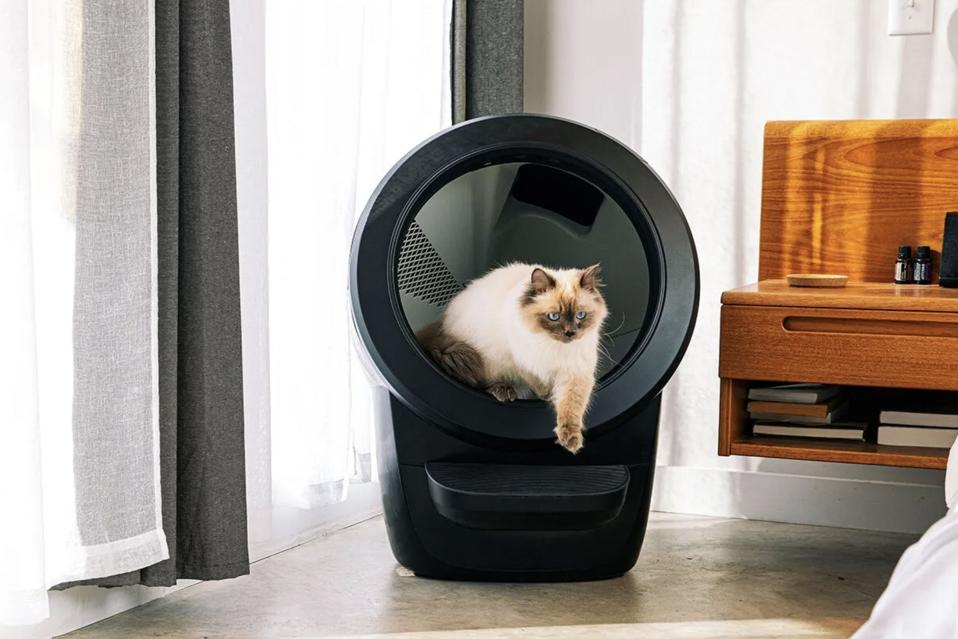
High-end rotating drum models like this one offer generous interior space and weight-based safety sensors, making them suitable for larger or multi-cat homes.
Credit: www.forbes.com
Choosing the Right Automatic Litter Box for Your Household
Match the box to your living situation, cat count, and budget. Here’s a practical framework.
Single-Cat Apartments and Small Spaces
Prioritize odor control and compact footprint. Look for a unit under 20 inches deep and 22 inches wide. A sealed waste drawer and carbon filter are essential. Crystal tray systems work exceptionally well here because they produce minimal dust and can go weeks without manual scooping. If you prefer clumping litter, choose a rake model with a quiet cycle and a delay feature. For a deeper look at how self-cleaning designs compare in real-world apartment settings, see our guide to self-cleaning box configurations.
Multi-Cat and Large-Breed Homes
For two or more cats, or one cat over 14 pounds, you need a larger drum or high-capacity rake system. Look for:
- Total weight capacity of at least 20 pounds (some models go to 30+).
- A waste drawer that holds at least one week of combined waste.
- Individual cat recognition (weight-based or microchip) to track each pet’s habits.
- A robust motor and easy disassembly for cleaning out hair and litter dust.
Managing shared litter resources can get complicated; our article on setting up litter boxes for multiple cats covers placement, number of boxes, and conflict reduction. If your cats are a bonded pair, you may also want to look at how managing shared feeding stations for bonded cats applies similar principles to litter and food zones.
Kittens and Small Cats (Under 8 Pounds)
Most automatic boxes are designed for cats weighing at least 5 pounds, because lighter animals may not trigger weight sensors. Kittens under 6 months should always use a manual box — both for safety and to establish good litter habits. If you have a small adult cat, look for models with a “kitten mode” that allows manual cycling only, or with an always-on safety beam that stops movement regardless of weight. Never use an automatic box unattended with a cat under the minimum weight threshold.
Senior Cats and Cats with Mobility Issues
Arthritis, reduced vision, and general weakness make entry height and interior comfort critical. Choose a model with a ramp or a very low step (under 5 inches is ideal), a non-slip floor, and an open top if your cat dislikes confinement. Motion-activated lighting helps visually impaired cats locate the box at night. Avoid models that rotate the entire interior while the cat is inside; instead, choose a rake system that cleans only after a long delay. For cats who also struggle with eating posture, a low-entry feeder solution can improve daily comfort across the board.
Budget-Conscious Buyers
You don’t need to spend $600 to get a reliable automatic box. Solid rake models in the $150–$250 range often perform 90% as well as premium drums for single-cat homes. Skip ultra-budget units under $100 — many use weak motors and flimsy rakes that jam constantly. Instead, look for a mid-range rake box with a 1-year warranty and widely available replacement parts. For vetted recommendations across price points, see our curated list of top-rated litter boxes.
Maintenance and Long-Term Care
An automatic box is not “set it and forget it.” Neglect maintenance and you’ll deal with jams, odors, sensor failures, and a cat who stops using it.
Weekly and Monthly Cleaning Schedule
| Frequency | Task |
|---|---|
| Every 2–4 days (single cat) / every 1–2 days (multi-cat) | Check waste drawer level; empty before it reaches 80% full. |
| Weekly | Wipe exterior surfaces and entry area with a damp cloth; check for litter scatter. |
| Monthly | Clean sensors with a dry microfiber cloth; inspect rake tines or drum sifting screen for stuck debris; check filter. |
| Every 2–3 months | Deep clean: disassemble globe/drum/tray, wash with mild unscented soap and warm water, rinse thoroughly, air dry completely, reassemble, and replace carbon filter. |
| As needed | Replace waste drawer liners or bags; recalibrate weight sensors if readings seem off. |
Important: Never use bleach, ammonia-based cleaners, or scented disinfectants on the interior. Residual fumes can irritate your cat’s respiratory tract and deter them from using the box. A 50/50 white vinegar and water solution works well for odor removal and is safe when rinsed thoroughly.
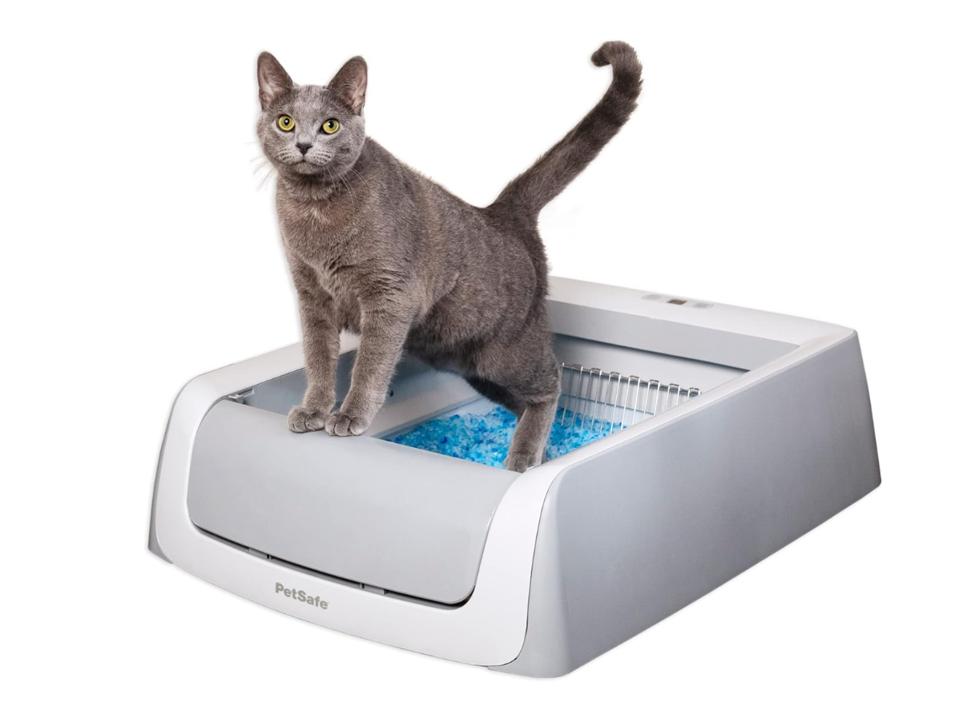
Crystal litter trays use silica gel to absorb urine and dehydrate waste, dramatically reducing odor and tracking in single-cat homes.
Credit: www.forbes.com
Troubleshooting Common Problems
Rake jams: Almost always caused by the wrong litter type, too much litter depth, or clumps that are too soft or too large. Remove the jammed waste, reduce litter level to the “max fill” line, and switch to a fast-clumping formula. If using plant-based litter, extend the cycle delay to 10–15 minutes.
Sensor errors or false cycles: Dust buildup on infrared lenses or weight sensors is the usual culprit. Wipe all sensors with a dry cloth. Ensure the unit is on a hard, level floor — carpet can shift under weight and cause inaccurate readings.
Motor runs but nothing moves: Check for litter dust caked on gears or drive shafts. Power off, disassemble the accessible drive area, and clean with compressed air or a dry brush. Reapply food-grade silicone lubricant only if explicitly recommended by the manufacturer.
Cat stops using the box after weeks or months: Rule out medical issues first with a vet visit. Then review any changes: new litter, repositioned box, new pet, louder cycle, or infrequent cleaning. Often a deep clean followed by a gradual re-introduction solves the problem.
If you’re looking for a model with a particularly large interior for a bigger cat, our guide to extra-large litter box options includes both automatic and manual picks.
Pros and Cons of Automatic Litter Boxes
Being honest about the trade-offs helps you set realistic expectations.
Advantages
- No daily scooping. The box does the unpleasant work for you.
- Cleaner environment. Less dust, less bacteria, less tracking.
- Consistent odor control. Sealed waste compartments and carbon filters outperform open pans.
- Health insights. Weight and usage tracking can flag problems early.
- Long-term time savings. Over a year, the hours add up significantly.
- Good for owners with limitations. Bending, kneeling, and scooping become unnecessary.
Disadvantages and Honest Trade-offs
- Upfront cost. Expect to spend $150–$600, not including initial litter.
- Ongoing purchases. Filters, drawer liners, and sometimes proprietary litter are recurring expenses.
- Mechanical failures. Motors, sensors, and rakes can break; warranty support varies widely by brand.
- Cat acceptance risk. A small percentage of cats will never use a mechanical box, regardless of training.
- Power dependency. Most models need continuous electricity. A power outage means a non-functional litter box unless you have a battery backup or a manual box on standby.
- Not entirely hands-off. You still empty waste, top up litter, and deep clean regularly.
In practice, the sweet spot is a mid-range model with a solid warranty and easy access to replacement parts. The cheapest options often cost more in frustration than they save in dollars.
Common Myths About Automatic Litter Boxes
Myth: They are completely maintenance-free.
Reality: The box handles scooping, but you still empty the drawer, top up litter, clean sensors, and deep clean every couple of months. Think of it as a dishwasher — it saves labor but still needs loading and occasional cleaning.
Myth: All cats will adapt given enough time.
Reality: Most do, but a minority of highly anxious or sound-sensitive cats never accepts a moving litter box. Always keep a manual backup during the transition period.
Myth: You can use any clumping litter.
Reality: Many clumping litters — especially those with large granules, added botanicals, or slow clumping action — will jam rake systems or create dusty sensor failures. Always follow the manufacturer’s litter guide. When in doubt, use the litter the brand recommends or tests with their machine.
Myth: Automatic boxes are always quieter than manual scooping.
Reality: The motor sound can be noticeable, especially drum rotations. If your cat is easily startled, look for models with a quiet mode or user-adjustable cycle delay, and place the box away from high-traffic areas.
Myth: They eliminate all litter box odor.
Reality: They reduce it substantially, but no system is 100% odor-free. A full waste drawer, a saturated filter, or the wrong litter can still produce smells. Regular maintenance is the real odor killer.
Automatic Litter Boxes and Cat Health: What to Monitor
A self-cleaning box should never replace daily observation. Use the data to complement, not substitute for, your own eyes and veterinary guidance. The American Veterinary Medical Association’s litter box guidance stresses the link between box cleanliness and urinary health, and the ASPCA’s litter box best practices remind owners that changes in elimination habits often signal underlying medical issues.
Watch for these changes in your app’s log or your own observations:
- More frequent trips with little output — possible urinary tract infection or bladder inflammation.
- Straining or vocalizing in the box — could indicate a urethral blockage, especially in male cats. This is an emergency.
- Sudden weight loss or gain — weight sensors can pick up trends before you notice visually.
- Avoiding the box entirely — often behavioral or pain-related; don’t ignore it.
If anything seems off, collect a week of usage data and share it with your veterinarian. The objective numbers can speed up diagnosis. Pairing automated monitoring with high-quality wet food recommended by vets supports hydration and urinary health, two factors that automatic box data can help you track.
Frequently Asked Questions
What is the highest-rated automatic cat litter box in 2026?
While no single model works for every home, two designs consistently earn strong owner and expert reviews: the Litter-Robot 4 for multi-cat households and tech-forward features, and the PetSafe ScoopFree Crystal Pro for single-cat homes seeking minimal mess and near-zero dust. Both have been on the market long enough to have widely available replacement parts and active user communities. Instead of chasing “best” overall, match the system type to your cat count and space.
Do veterinarians recommend automatic litter boxes?
Veterinarians generally endorse any system that keeps the litter box consistently clean, because a dirty box contributes to urinary tract problems and house soiling. The AVMA’s litter box guidelines note that a clean box reduces stress and inappropriate elimination. However, vets also remind owners that automated cleaning doesn’t replace daily observation — if your cat’s habits change, see a veterinarian promptly. Always mention the automatic box during wellness exams so your vet considers mechanical aversion as a possible behavioral factor.
What are the biggest disadvantages?
The three complaints owners mention most often are: high initial and ongoing costs, occasional mechanical or sensor failures that require troubleshooting, and the chance that a particular cat will refuse the machine. For some households, buying a high-quality sifting manual box and scooping daily is a simpler, cheaper solution. Understand your own tolerance for maintenance before committing.
What cat litter is safe for automatic litter boxes?
Always follow the manufacturer’s approved litter list. In general:
- Rake and drum systems: hard-clumping, unscented clay litter; some plant-based clumping litters work if you extend the cycle delay.
- Crystal systems: only the brand’s proprietary crystal trays; do not add clay or plant litter.
- Avoid: non-clumping litter, lightweight litter, large pellets, and any formula that doesn’t form a firm clump within 5 minutes.
Can I use an automatic litter box for a kitten?
Wait until your kitten weighs at least 5 pounds and is roughly 6 months old. Until then, use a low-sided manual tray and focus on basic litter training techniques. Even after transitioning, engage any safety lock or “kitten mode” that prevents automatic cycling when you’re not home, and supervise initial use.
What happens during a power outage?
Most automatic boxes stop working entirely without electricity. Keep a simple manual litter pan in storage for emergencies. Some high-end models offer optional battery backups, but those rarely last more than a few hours. If you live in an area with frequent outages, consider a non-electric self-cleaning option or simply plan for a manual fallback.
Final Tips for Long-Term Success
- Keep the box in a quiet, private location — not next to noisy appliances, busy walkways, or your cat’s food and water bowls.
- Stick to one litter type consistently. Switching formulas confuses the sensors and your cat.
- Set a calendar reminder for filter changes and deep cleans. Consistency prevents most mechanical failures.
- Leave a backup manual box available for the first month, and always keep one stored away for emergencies.
- Register your product immediately to lock in warranty coverage and receive firmware updates.
- Watch your cat, not just the app. The best sensor data can’t tell you if your cat seems stressed or uncomfortable.
For a hand-picked selection of automatic and semi-automatic boxes tested for different household sizes and budgets, explore our vetted litter box recommendations. You’ll find detailed comparisons, real user feedback, and guidance on matching a model to your cat’s personality — because the right box is the one your cat will actually use, every day.
Conclusion
The best automatic cat litter box is not a luxury; for many owners, it’s a practical upgrade that removes one of the least pleasant parts of cat care, improves household air quality, and provides a cleaner, more consistent bathroom for your cat. The right model will save you hours each month, reduce litter waste, and even offer a window into your pet’s health that a manual pan never could.
That said, no automatic box is perfect for every cat or every home. Take time to match the cleaning mechanism, capacity, and features to your specific situation. Introduce the box gradually, maintain it faithfully, and keep a manual backup on hand. With realistic expectations and a little patience, you and your cat can enjoy a fresher, easier daily routine — no scooping required.