
Cats turning their nose up at a freshly filled bowl is a universal frustration for pet owners. The debate over wet vs. dry cat food is one of the most common questions in feline care, and the answer is rarely as simple as “cats prefer X.” Preference is shaped by evolutionary biology, early life exposure, age, health status, and individual taste—while the right choice also depends on your budget, lifestyle, and cat’s specific nutritional needs. This guide breaks down the science of feline food preference, the pros and cons of each food type, top 2026 product picks for every need, and expert guidance to help you make the best choice for your furry friend.
The Science of Feline Food Preference: What Do Cats Actually Want?
As obligate carnivores, cats have evolved to derive most of their moisture and nutrients from animal-based prey in the wild, not plant matter. Veterinary nutritionists note that cats have far fewer taste buds than dogs or humans, but they are highly attuned to animal protein aromas and moisture content—two factors that drive food preference far more than flavor variety alone. The American Association of Feed Control Officials (AAFCO) sets mandatory nutritional standards for all commercial cat food sold in the U.S., ensuring every product meets baseline feline dietary requirements regardless of texture. You can also read our guide on is fancy feast wet food good for cats.
In practice, most cats show an innate preference for wet food when given a choice, as its high moisture content and strong meaty aroma align with their natural feeding instincts. That said, cats introduced to dry kibble as kittens often develop a strong preference for its crunchy texture over time. Environmental factors like meal timing, bowl placement, and past negative experiences with certain textures can also shape long-term preference.
Wet Cat Food: Benefits, Drawbacks, and Top 2026 Picks
Wet cat food, also called canned food, contains 70–80% moisture, compared to just 5–10% in dry kibble. This core difference drives most of its unique benefits and trade-offs for cat owners. You can also read our guide on do cats need wet food and dry food.
Key Benefits of Wet Food
The high moisture content of wet food is its most significant advantage for feline health. Cats have a low innate thirst drive, meaning they rarely drink enough water to meet their needs if fed only dry food. Wet food boosts daily water intake, reducing the risk of dehydration, urinary tract disease, and chronic kidney disease—two of the most common and costly health issues in pet cats, per the American Veterinary Medical Association. Wet food also tends to be higher in animal-based protein and lower in carbohydrates than dry food, aligning closely with an obligate carnivore’s dietary needs. Its soft, smooth texture is ideal for kittens, senior cats with dental disease, and cats with missing teeth or jaw pain. Finally, its strong, meaty aroma makes it a reliable option for picky eaters or cats with a reduced sense of smell, a common side effect of aging.
Potential Drawbacks of Wet Food
Wet food’s high moisture content also creates some practical challenges. Once opened, it can only be left at room temperature for 2 hours before harmful bacteria like Salmonella begin to grow, so leftovers must be refrigerated in an airtight container for up to 24 hours. Wet food is also more expensive per serving than dry food, and its soft texture does not provide the abrasive chewing action that helps scrape tartar off teeth, so cats eating only wet food may need more frequent dental cleanings. For busy owners, portioning and serving wet food can also be more time-consuming than pouring dry kibble into a bowl.
Top Wet Food Options for Every Need
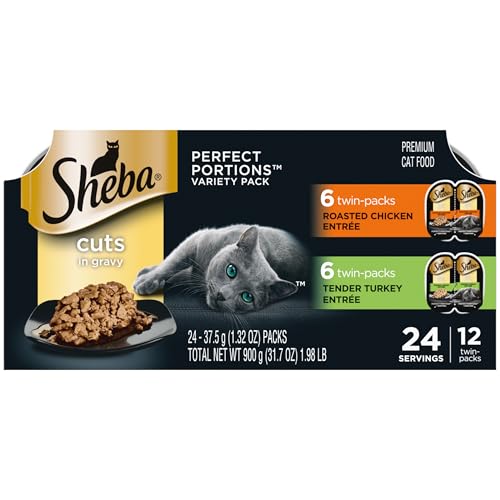
Best for Picky Eaters: Sheba Perfect Portions Cuts in Gravy Variety Pack

Portion-controlled twin trays minimize waste and reduce spoilage for finicky cats
Sheba’s Perfect Portions line solves a common pain point for owners of picky cats: wet food left in a bowl for more than an hour goes to waste. The 2.6 oz twin-pack trays let you serve only the portion your cat will eat, cutting down on spoilage and mess. The cuts-in-gravy formula combines tender roasted chicken and turkey with savory gravy, boosting both palatability and hydration. While it carries a higher price point than bulk wet food options, the convenience and low waste make it a top pick for owners of cats who turn their nose up at leftovers.
If you’re tired of portioning meals by hand, automated wet food dispensers can dispense fresh portions on a schedule to keep picky cats satisfied.
Shop the Sheba Perfect Portions variety pack on Amazon
Best for Grain-Sensitive Cats: Purina ONE High Protein Grain-Free Pate Variety Pack

Smooth pate texture is easy to digest for cats with sensitive stomachs
Formulated without corn, wheat, or soy, this Purina ONE variety pack is ideal for cats with diagnosed grain sensitivities or allergies. The high-protein pate formula meets AAFCO standards for complete nutrition, with four rotating flavors to reduce mealtime boredom. The smooth, soft texture is also easy for cats with dental sensitivities to eat. Note that grain-free food is only necessary for cats with confirmed grain allergies, which affect less than 1% of the feline population—most cats can safely digest whole grains as part of a balanced diet.
Shop the Purina ONE grain-free pate variety pack on Amazon
Best Budget Bulk Option: 9Lives Seafood & Poultry Favorites Variety Pack
The 9Lives Seafood & Poultry Favorites wet cat food, available in a standard 5.5 oz serving size, is a cost-effective choice for multi-cat households or owners on a tight budget. The 24-can pack includes a mix of seafood and poultry flavors to keep cats interested, and the larger 5.5 oz cans mean fewer cans to open per meal than standard 3 oz portions. While it contains some filler ingredients and is not grain-free, it meets AAFCO nutritional standards for adult cats and provides the high moisture content needed to support urinary health.
For multi-cat homes, pairing affordable food with a high-capacity litter box keeps feeding and litter areas low-stress.
Shop the 9Lives Seafood & Poultry variety pack on Amazon
Best for Gourmet-Loving Cats: Purina Fancy Feast Creamy Delights Poultry & Seafood Collection

Creamy texture and diverse flavors cater to even the most discerning feline palates
Fancy Feast’s Creamy Delights line is formulated for cats who turn up their nose at standard pate or chunky wet food. The smooth, creamy texture and rotating poultry and seafood flavors make it a reliable option for picky eaters or cats who get bored of their meals quickly. Each 3 oz can is perfectly portioned for single servings, and this nutritionally complete wet formula is designed to provide essential nutrients that support overall health, including a balanced mix of proteins and vitamins sourced from quality ingredients. The only downside is that some cats may be sensitive to certain flavors in the variety pack, so you may need to test individual flavors to find your cat’s favorite.
Shop the Purina Fancy Feast Creamy Delights pack on Amazon
Best for Urinary Health Support: Wonder Bound Seafood & Salmon in Gravy Variety Pack

High-moisture gravy formula supports daily hydration and urinary tract function
Formulated with real tuna, salmon, and seafood in a savory gravy base, this Amazon brand wet food is an affordable option for cats prone to urinary crystals or chronic kidney disease. The high moisture content helps dilute urine and reduce the risk of crystal formation, while the omega-3 fatty acids from salmon support overall inflammation reduction. For cats with diagnosed kidney disease, specialized kidney support diets offer tailored nutrient profiles to further support renal function.
Shop the Wonder Bound Seafood & Salmon variety pack on Amazon
Best High-Protein All-Life-Stages Option: Purina Pro Plan High Protein Pate Variety Pack

All-life-stages formula provides balanced protein for cats of every age
This Purina Pro Plan variety pack is formulated to meet AAFCO nutritional standards for cats of all ages, making it a versatile choice for multi-cat households with kittens, adults, and seniors. The high-protein pate formula supports lean muscle mass and overall vitality, while the smooth texture is easy for cats of all ages to eat. The rotating classic entree flavors keep mealtime interesting, and the 3 oz pull-top cans make serving quick and mess-free. Overall, this nutrient-dense wet option supports a healthy, happy feline lifestyle through high protein content and thoughtful formulation.
Shop the Purina Pro Plan high protein variety pack on Amazon
Best Novel Protein for Allergies: Merrick Purrfect Bistro Grain-Free Rabbit Pate

Rabbit as a novel protein reduces risk of allergic reactions in sensitive cats
For cats with allergies to common proteins like chicken, beef, or fish, Merrick’s Purrfect Bistro Rabbit Recipe offers a novel protein source that is less likely to trigger an immune response. The grain-free formula contains no artificial preservatives, colors, or flavors, and the smooth pate texture is easy for cats with digestive sensitivities to process. The 5.5 oz cans provide larger portions than standard 3 oz options, making it a cost-effective choice for cats on restricted diets.
Shop the Merrick rabbit pate variety pack on Amazon
Best for Cats with Dental Sensitivities: Whole Paws Chicken Loaf Dinner

Smooth loaf texture is ideal for cats with dental sensitivities or who prefer soft food
The Whole Paws Chicken Loaf Dinner features a soft, smooth loaf texture that is easy for cats with missing teeth, gum disease, or jaw pain to chew and digest. The 3 oz portion-controlled cans are perfectly sized for single meals, reducing waste, and the high moisture content supports hydration and urinary health. It is a no-frills, affordable option for owners of cats who struggle with chunky wet food or dry kibble.
Shop the Whole Paws Chicken Loaf Dinner on Amazon
Dry Cat Food: Benefits, Drawbacks, and Top 2026 Picks
Dry cat food, or kibble, is defined by its low moisture content and crunchy texture. It is the most common cat food format due to its convenience, long shelf life, and lower cost, but it comes with unique trade-offs for feline health.
Key Benefits of Dry Food
The most obvious advantage of dry food is its convenience: it can be left out in a bowl all day without spoiling, requires no refrigeration, and is easy to store in a pantry or closet. It is also far more budget-friendly than wet food, with a per-serving cost that is often 50–70% lower than comparable wet options. The crunchy, abrasive texture of kibble helps scrape plaque and tartar off cats’ teeth as they chew, reducing the risk of dental disease when paired with regular dental care. Finally, dry food is compatible with automatic feeders, making it a great choice for busy owners who want to ensure consistent portion control even when they are not home.
Potential Drawbacks of Dry Food
Dry food’s extremely low moisture content (5–10%) is its biggest downside. Cats fed a dry food-only diet are at significantly higher risk of dehydration, which is a leading risk factor for urinary tract disease and chronic kidney disease. Dry food is also often higher in carbohydrates than wet food, as it uses starch to hold its shape; overfeeding high-carb dry food can contribute to obesity and type 2 diabetes, especially in less active indoor cats. Lower-quality dry foods also often contain fillers like corn, wheat, and soy, which offer little nutritional value and may trigger allergies in sensitive cats. Finally, its mild aroma is less appealing to picky eaters or cats with a reduced sense of smell.
Top Dry Cat Food Option for 2026
Best for Budget-Friendly Daily Feeding: Purina Friskies Gravy Swirl'd Adult Dry Cat Food

Gravy-coated kibble combines the convenience of dry food with the flavor appeal of wet food
Purina Friskies Gravy Swirl’d solves a common pain point for owners of cats who prefer the taste of wet food but want the convenience of dry kibble. The chicken and salmon flavored kibble is coated in a savory gravy layer, making it far more palatable than standard dry food for picky eaters. The 16 lb bag offers excellent value for multi-cat households, and the crunchy texture helps reduce tartar buildup as cats chew. It meets AAFCO nutritional standards for adult cats, though it does contain some grain fillers, so it is not ideal for cats with grain sensitivities. For consistent portion control with dry food, many owners rely on self-cleaning litter boxes to make litter maintenance much easier, as dry food produces firmer, less messy stool.
Shop the Purina Friskies Gravy Swirl'd 16 lb bag on Amazon
Wet vs Dry: Which Is Right for Your Cat?
There is no universal “better” option between wet and dry food—the right choice depends on your cat’s age, health, lifestyle, and personal preference. Here is a breakdown of common use cases:
- Kittens (under 1 year): Wet food is recommended as the primary diet, as its high protein and moisture content supports rapid growth and development. Small amounts of dry kibble can be added to help with teething and introduce texture variety.
- Healthy adult cats (1–7 years): Most healthy adult cats thrive on either a wet-only, dry-only, or mixed diet. Inactive indoor cats prone to weight gain benefit from the higher protein and lower carb content of wet food, while active cats on a budget can do well on high-quality dry food. A mixed diet (e.g., 1 wet meal per day, dry kibble for snacking) is a popular middle ground that balances hydration, dental health, and cost.
- Senior cats (7+ years): Wet food is strongly recommended as the primary diet for senior cats, as they are at higher risk for dehydration and kidney disease. Their lower activity levels also mean they need fewer carbohydrates, which wet food provides in lower quantities than dry food.
- Cats with special needs: Cats with food allergies benefit from limited-ingredient wet or dry food with a novel protein source. Cats with dental disease do best with soft wet food or specially formulated dental dry kibble. Cats with urinary issues require high-moisture wet food as a core part of their diet.
Common Myths About Wet and Dry Cat Food, Debunked
Misinformation about cat food is widespread, leading many owners to make choices that don’t align with their cat’s needs. Here are the most common myths, debunked:
- Myth: Dry food is better for cats’ teeth. While the abrasive texture of kibble can help reduce tartar buildup, it is not a substitute for regular dental brushing or professional veterinary cleanings. Wet food does not cause dental disease, but cats eating only wet food may need more frequent dental checkups to monitor for plaque and gingivitis.
- Myth: Wet food is too “fattening.” Wet food is often lower in carbohydrates and higher in protein than dry food, making it a better choice for weight management when portioned correctly. Overfeeding any type of food, regardless of texture, leads to weight gain.
- Myth: You can’t mix wet and dry food. Many cats thrive on a mixed diet, as long as you account for total daily calorie intake to avoid overfeeding. Mixing textures and flavors also adds variety to prevent mealtime boredom, a common issue in cats fed the same food daily.
- Myth: Grain-free food is always healthier. Grain-free food is only necessary for cats with diagnosed grain allergies or sensitivities, which are extremely rare. For most cats, whole grains like rice and oatmeal provide easily digestible fiber and carbohydrates that support digestive health, and grain-free options are often significantly more expensive with no added benefit for healthy cats.
Expert Tips for Transitioning Your Cat’s Food
If you decide to switch your cat’s food, a slow transition is critical to avoid digestive upset and food refusal:
- Transition over 7–10 days: Start with 75% of your cat’s current food mixed with 25% new food, then gradually increase the new food ratio by 25% every 2–3 days until you are feeding 100% new food.
- Monitor for signs of intolerance: Vomiting, diarrhea, or complete refusal to eat means you should slow the transition or consult your veterinarian to rule out underlying health issues.
- Keep fresh water available at all times, especially if feeding dry food, to reduce dehydration risk.
- Avoid sudden diet changes, which can cause stress and gastrointestinal distress in cats, who thrive on routine.
- Consult your veterinarian before making major diet changes, especially if your cat has pre-existing health conditions like kidney disease, diabetes, or allergies.
Frequently Asked Questions
Do cats naturally prefer wet or dry food?
In practice, most cats show an innate preference for wet food due to its higher moisture content and stronger animal-based aroma, which aligns with their evolutionary diet of prey. However, cats introduced to dry kibble as kittens often develop a preference for its crunchy texture over time. Individual preference varies based on early exposure, age, and health status.
Is wet food really better for a cat’s hydration?
Yes. Wet food contains 70–80% moisture, compared to just 5–10% in dry kibble. Cats have a low thirst drive by nature, so most of their daily water intake comes from food. Feeding wet food as even 50% of their diet can significantly reduce dehydration risk, which is linked to urinary tract disease and chronic kidney disease.
Can I feed my cat only dry food?
Yes, if your cat has unlimited access to fresh water and eats a high-quality, nutritionally complete dry food that meets AAFCO standards. However, dry food-only diets are associated with a higher risk of dehydration and urinary issues, especially in older cats or those with pre-existing kidney conditions. Many veterinarians recommend adding at least one wet food meal per day to boost moisture intake.
Do grain-free wet foods provide better nutrition for cats?
Grain-free wet food is only beneficial for cats with diagnosed grain allergies or sensitivities, which affect less than 1% of the feline population. For most cats, grains like rice and oatmeal provide easily digestible carbohydrates and fiber that support digestive health. The most important factor in any cat food is that it meets AAFCO’s nutritional standards for your cat’s life stage, not whether it is grain-free.
How do I know if my cat is allergic to their food?
Common signs of food allergies in cats include chronic itching, skin redness, ear infections, vomiting, and diarrhea. If you suspect an allergy, consult your veterinarian to rule out other causes like parasites or environmental allergies. They may recommend a hypoallergenic diet or novel protein trial to identify the trigger.
Is it okay to leave wet food out for my cat all day?
No. Wet food left at room temperature for more than 2 hours can grow harmful bacteria like Salmonella and Listeria, which can make both your cat and your family sick. Serve wet food fresh at each meal, and refrigerate any leftovers in an airtight container for up to 24 hours. If your cat grazes throughout the day, consider automated portion-controlled feeders that dispense fresh portions on a schedule.
Conclusion
There is no universal answer to whether cats prefer wet or dry food—preference is shaped by early exposure, age, health, and individual taste, and the right choice depends on your cat’s unique needs and your lifestyle. For most cats, a mixed diet of wet food for hydration and meals, paired with dry kibble for snacking and dental health, offers the best balance of nutrition and convenience. If your cat has specific health needs like kidney disease or allergies, work with your veterinarian to choose a specialized formula that supports their long-term health. Ready to find the perfect food for your feline? Check out our guide to nutritionally complete cat food to make an informed choice for your cat’s long-term health.