
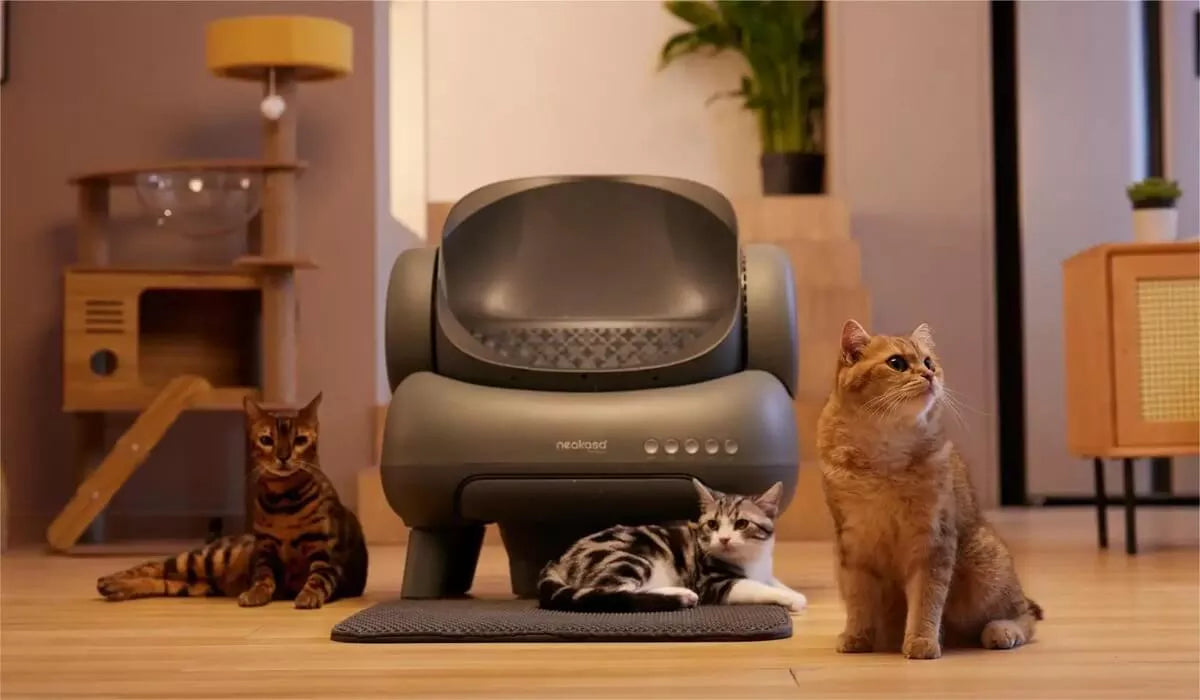
If you’ve ever walked into your living room to be hit with the sharp, ammonia-like smell of an overwhelmed litter box, or found a puddle of urine on the couch because one cat was guarding the only available bathroom, you’re not alone. Managing litter boxes for multiple cats is one of the most common pain points for multi-cat households, but it doesn’t have to be a source of constant stress—for you or your feline family members.
The right setup does more than just keep your home smelling fresh. It reduces inter-cat tension, prevents accidents outside the box, and supports your cats’ overall well-being. Below, we’ll break down evidence-based, stress-free solutions to build a litter box routine that works for every cat in your home.
The 1+1 Rule: Why Quantity Matters More Than You Think
The single most impactful change you can make for a multi-cat household is following the 1+1 litter box rule: provide one box per cat, plus one extra. This guideline is supported by veterinary behaviorists at the Cornell Feline Health Center, who note that shared litter boxes are a top trigger for inter-cat stress and elimination outside the box Cornell Feline Health Center.
Even cats that get along famously have separate bathroom preferences. Sharing a box forces them to cross paths with rivals in a vulnerable position, which can lead to guarding, anxiety, and accidents in hidden spots around your home. The extra box gives every cat a guaranteed option, no matter the household dynamic.
Common Misconceptions About Shared Boxes
Many owners assume that bonded cats can share a single box, but this is rarely true long-term. While two cats that have lived together their entire lives may tolerate sharing for a short period, even minor changes (a new pet, a move, a health issue) can turn that tolerance into conflict. The 1+1 rule is a baseline to prevent problems before they start, not a rule only for cats that don’t get along.
Choosing the Right Boxes for Your Multi-Cat Household
Not all litter boxes are built for multi-cat homes. The right design reduces maintenance, prevents territorial disputes, and accommodates cats of all ages and sizes.
Size and Design Priorities
Start with size: the minimum dimensions for any litter box should be 1.5 times the length of your longest cat, measured from the tip of their nose to the base of their tail. For a typical 10-pound domestic cat, that means a box at least 18 inches long; for larger breeds like Maine Coons, opt for boxes 30 inches or longer to give them room to dig and turn around without feeling confined.
For multi-cat homes, consider a mix of box types to accommodate different preferences: high-sided boxes to contain litter scatter from enthusiastic diggers, low-entry boxes for senior cats or cats with arthritis, and extra-wide models that let multiple cats use the same box comfortably if needed. If you’re shopping for purpose-built top-rated multi-cat models, look for options with dual compartments or extra-deep bases to reduce cross-contamination between cats.
Covered vs. Uncovered: No One-Size-Fits-All
Covered boxes contain odor and give cats a sense of privacy, but they can also make timid cats feel trapped, especially if a dominant cat is waiting outside the entrance. Uncovered boxes let cats see approaching threats, which makes many feel safer, but they offer no odor containment and can scatter litter across your floor.
The best approach for multi-cat homes is to offer a mix of both. If you use covered boxes, ensure they are large enough for the cat to turn around fully inside, and avoid lids with small flaps that can trap a nervous cat. For odour-controlling designs that work for both covered and uncovered setups, look for models with built-in carbon filters or antimicrobial coatings to reduce smell between cleanings.
Strategic Placement to Reduce Tension
Where you put litter boxes is just as important as what kind you buy. Poor placement is a top cause of litter box avoidance and inter-cat conflict.
The Golden Rules of Litter Box Location
Follow these guidelines to make boxes appealing and low-stress for all your cats:
- Never place boxes near food or water bowls. Cats instinctively avoid eliminating near their eating area, and close proximity can make them skip the box entirely.
- Avoid high-traffic areas like hallways, entryways, or busy living rooms, but also don’t hide boxes in isolated, dark spots like a distant basement closet. Cats need to feel safe, but they also need easy access.
- Place boxes on every level of your home if you have multiple floors, so senior cats or cats with mobility issues don’t have to climb stairs to use the bathroom.
- Ensure each box has at least two exit routes, so a cat doesn’t feel cornered if another cat approaches while they’re using it.
Creating Private, Low-Stress Zones
For timid cats or households with a dominant cat that guards resources, create private zones around boxes using tall houseplants, room dividers, or even a covered box tucked into a quiet corner. If you notice one cat avoiding a specific box, try moving it to a more secluded spot. Many versatile single-cat box options work well for these nook-and-cranny placements, with compact designs that fit into small, quiet spaces.
Litter Selection for Multi-Cat Homes
The right litter reduces odor, minimizes tracking, and encourages consistent use. For multi-cat households, prioritize ease of maintenance and cat comfort above all else.
Clumping vs. Non-Clumping: The Maintenance Trade-Off
Clumping litter (made from bentonite clay, silica gel, or plant-based materials) forms solid clumps when wet, letting you scoop waste daily and only replace litter every 2-3 weeks with regular maintenance. For multi-cat homes, this is almost always the better choice, as waste builds up quickly and non-clumping litter requires full box changes every 3-4 days for 3+ cats to control odor.
Non-clumping litter absorbs urine evenly but doesn’t form solid clumps, so it’s only recommended for cats with specific medical needs (like recent urinary tract surgery) where you need to monitor urine volume precisely, or for owners who prefer to change litter frequently to avoid dust.
Scented vs. Unscented: Follow Your Cat’s Lead
Scented litters use artificial fragrances to mask odors, but many cats find these scents overwhelming and will avoid the box entirely. Unscented litter is the safest default for multi-cat homes. If you want extra odor control, add a thin layer of baking soda to the bottom of the box before adding litter—this neutralizes ammonia odors without adding fragrance that will deter cats. If you do choose scented litter, opt for mild, natural scents like pine or lavender, and test it first to ensure no cats reject it.
Dust-Free and Low-Tracking Options
Dust from clay litter can cause respiratory irritation in both cats and humans, especially in multi-cat homes where litter is stirred up constantly during use. Low-dust litters (made from silica gel, wood pellets, or tofu) reduce this risk and minimize litter tracking around your home. For households with allergy sufferers or cats with asthma, low-dust litter is a non-negotiable investment.
Maintenance Routines That Actually Work for Multiple Cats
Consistent maintenance is the difference between a fresh-smelling home and constant odor battles. For multi-cat households, you’ll need a more rigorous routine than single-cat homes.
Daily and Weekly Cleaning Schedules
Scoop all litter boxes at least twice a day: once in the morning and once in the evening. If you have 4 or more cats, you may need to scoop three times a day to prevent waste buildup and odor. For weekly deep cleans, empty each box completely, scrub with warm water and a mild, unscented soap (avoid harsh chemicals like bleach, which leave toxic residues that irritate cats’ paws and noses), dry thoroughly, and refill with fresh litter.
Replace litter boxes entirely every 1-2 years, as scratched plastic harbors bacteria and odors that even thorough scrubbing can’t remove.
Odor Control Without Harsh Chemicals
To keep odors at bay between cleanings, use vet-approved methods that won’t deter your cats:
- Place a small open container of baking soda in the room with the litter boxes (not inside the boxes, as some cats avoid the texture) to absorb ambient ammonia odors.
- Use a HEPA air purifier in the litter box area to capture airborne litter dust and odor particles.
- Avoid scented plug-in air fresheners or sprays near the boxes, as these can make cats avoid the area entirely.
- For extra odor control, sprinkle a thin layer of activated charcoal on top of the litter once a week—this is safe for cats and traps odor-causing bacteria.
You can find vet-safe deodorizing options designed specifically for multi-cat households that won’t irritate your cats’ sensitive noses.
Reducing Inter-Cat Tension Around Litter Boxes
Even with the perfect setup, conflicts can arise if cats feel their access is being threatened. Addressing these issues early prevents long-term behavior problems.
Spotting and Stopping Box Guarding
Box guarding occurs when a dominant cat loiters near or in front of a litter box to prevent other cats from using it. Signs include hissing or swatting at other cats near the box, a timid cat avoiding the box entirely, or one cat lingering nearby when another approaches.
To stop guarding:
- Confirm you have the full 1+1 number of boxes, placed in separate rooms if possible.
- Gently redirect the guarding cat with a toy or treat when you see them loitering near a box, then reward the timid cat for using the box.
- Use feline pheromone diffusers (like Feliway) in the litter box area to reduce overall tension.
If guarding persists, consult a veterinary behaviorist, as it can be a sign of deeper inter-cat conflict that needs professional intervention.
Accommodating Special Needs Cats
Multi-cat households often include cats with different needs: senior cats with arthritis need low-entry boxes or ramps, blind cats need boxes placed in consistent, easy-to-find locations away from obstacles, and kittens need shallow boxes with low sides to climb into easily. If you have a cat with a urinary tract condition, provide an extra box in a quiet, easily accessible spot so they don’t have to travel far when they need to go urgently. Using positive reinforcement training tips can also help reinforce good litter box habits for cats that are hesitant to use new or shared boxes.
Self-Cleaning Boxes: Are They Worth It for Multi-Cat Homes?
Self-cleaning litter boxes automate waste removal, sifting waste into a sealed compartment on a set schedule. For multi-cat homes, they can cut down on the time you spend scooping multiple boxes each day, and many models include usage tracking that alerts you to changes in your cats’ bathroom habits (a key early warning sign for health issues like UTIs or kidney disease).
That said, they are not a replacement for the 1+1 rule. Many cats are wary of the noise and moving parts of self-cleaning boxes, and most only work with clumping litter. If you’re considering one, choose a model with a quiet rake mechanism and place it in a low-traffic area to avoid scaring timid cats. For households with 3+ cats, a self-cleaning box can be a great addition to your setup, but you’ll still need enough traditional boxes to meet the 1+1 requirement. Our top-rated self-cleaning models are tested for compatibility with multiple cats and quiet operation.

This app-controlled model automates waste removal for households with multiple cats
Credit: www.walmart.com
Introducing New Litter Boxes to Your Home
Adding a new box (or switching to a new type of box) can be stressful for cats that thrive on routine. Follow this step-by-step transition plan to avoid accidents and resistance:
- Place the new box next to the existing box(es) for 3-5 days, so cats can sniff and explore it without pressure. Add a small amount of used litter from the old box to the new one to transfer familiar scents.
- Once you see cats using the new box, move it 1-2 feet closer to your desired permanent location each day, until it’s in the right spot.
- Once the new box is in place, remove the old box gradually over 2-3 days to avoid upsetting cats that are attached to the old one.
Reward cats with high-value training treats or praise whenever you see them use the new box to create positive associations. If a cat has an accident during the transition, slow down the process and give them more time to adjust—punishment will only make them more anxious about the new box.
Common Mistakes That Cause Litter Box Stress
Even well-meaning owners make avoidable errors that lead to litter box issues. Avoid these common pitfalls to keep your multi-cat household harmonious:
- Clustering all boxes in one location: While it’s convenient to put all boxes in a single laundry room or bathroom, this creates a bottleneck where a dominant cat can guard all access points. Spread boxes across different rooms and levels of your home to give timid cats safe access.
- Using harsh cleaning products: Ammonia-based cleaners, bleach, and strong-scented disinfectants leave residues that irritate cats’ sensitive noses and paws, and can be toxic if ingested while cats groom themselves. Stick to mild, unscented soap and warm water for all box cleaning.
- Ignoring individual preferences: Cats have unique preferences for litter depth, texture, and box style. If you notice a cat scratching the walls of the box or eliminating right outside the box, experiment with adjusting these factors to match their needs.
Frequently Asked Questions
Can multiple cats share one litter box?
While two very bonded cats may tolerate sharing a box short-term, veterinary behaviorists strongly recommend the 1+1 rule for all multi-cat households. Shared boxes increase the risk of territorial guarding, stress, and accidents, especially as the number of cats increases. For 3+ cats, sharing a single box is almost guaranteed to cause behavior issues.
What’s the best litter box setup for 3 cats?
For 3 cats, you need a minimum of 4 litter boxes, placed in separate, quiet locations across different areas of your home. Prioritize a mix of covered and uncovered boxes, low-entry options for senior cats, and large enough boxes for your biggest cat to turn around comfortably. Scoop all boxes twice daily, and deep clean weekly.
Why is my cat guarding the litter box?
Box guarding is almost always a sign of stress or territorial insecurity. It can be triggered by not having enough boxes, boxes being placed in high-traffic areas, or underlying inter-cat tension. To fix it, add an extra box in a separate location, use calming pheromones, and reward all cats for using the boxes peacefully. If guarding persists, consult a veterinary behaviorist to rule out deeper conflict.
Do self-cleaning litter boxes work for multi-cat homes?
Self-cleaning boxes can reduce your maintenance workload, but they are not a replacement for the 1+1 rule. Many cats are wary of the noise and moving parts of self-cleaning boxes, so you’ll still need to provide enough traditional boxes to meet your cats’ needs. If you do use a self-cleaning box, choose a model with a quiet rake mechanism and place it in a low-traffic area to avoid scaring cats.

Clumping litter makes daily scooping fast and reduces ammonia odors in high-traffic boxes
Credit: www.amazon.com
Conclusion
Building a stress-free litter box routine for multiple cats comes down to three core principles: meet the 1+1 box rule, accommodate each cat’s individual preferences, and maintain a consistent, low-stress cleaning schedule. These steps do more than just keep your home smelling fresh—they reduce inter-cat tension, prevent messy accidents, and support your cats’ physical and emotional well-being.
If you’re struggling with litter box issues in your multi-cat home, start by counting your current boxes against the 1+1 rule: adding just one extra box often resolves most tension and accidents overnight.

Placing boxes in separate rooms prevents dominant cats from guarding all access points
Credit: www.amazon.com
If you’re currently using fewer boxes than the 1+1 guideline, try adding one extra box this week and monitor your cats’ behavior for reduced tension and fewer accidents. For owners dealing with persistent guarding or avoidance, pairing extra boxes with calming pheromone diffusers and consistent daily scooping often resolves issues within 2-3 weeks. If problems persist after adjusting your box count, placement, and cleaning routine, schedule a check-up with your veterinarian to rule out underlying medical conditions like urinary tract infections or arthritis that can make litter box use painful.
Ready to build a lower-stress litter routine for your multi-cat home? Explore our top-rated picks for durable, multi-cat friendly litter boxes built to handle heavy use while keeping odors and mess to a minimum.