
Imagine your cat, the master of napping and play, suddenly seems a bit off. You notice changes in their behavior or health, but can't quite put your finger on what's wrong.
Could it be nutritional stress? This often-overlooked issue can affect your feline friend more than you might think. Understanding nutritional stress in cats is crucial for their well-being. By the end of this article, you'll discover how to spot the signs, prevent potential problems, and ensure your cat lives a happy, healthy life.
Stay with us to uncover the secrets of your cat's diet that might be causing more stress than you realize.
Nutritional Stress In Cats
Cats are known for their independent nature and curious personalities. But beneath their confident exterior, they can suffer from nutritional stress, which may go unnoticed by many cat owners. Understanding nutritional stress is crucial for ensuring the well-being of your feline friend. This type of stress occurs when a cat's diet lacks essential nutrients or when they struggle to digest and utilize the nutrients they consume.
It's easy to assume your cat is getting everything they need from their food. But have you ever wondered if your furry companion is truly thriving? Nutritional stress can manifest in various ways, affecting your cat’s energy levels, coat condition, and overall health. A cat that's stressed nutritionally might become lethargic or show signs of digestive issues.
Think about the last time your cat seemed off. Did you notice changes in their eating habits or weight? These could be indicators of nutritional stress. Cats require a balanced diet rich in proteins, vitamins, and minerals. Missing out on these essential nutrients can lead to deficiencies that compromise their health.
Consider your own diet. When you don't eat well, your body feels it, right? The same goes for cats. They need a diet that supports their active lifestyles and playful antics. Have you checked the ingredient list on your cat’s food lately? Look for high-quality proteins and essential fatty acids that promote a shiny coat and strong muscles.
Are you aware of how much water your cat drinks? Hydration plays a significant role in preventing nutritional stress. Cats often need encouragement to drink more water, especially if they primarily consume dry food. Adding a water fountain or offering wet food can help keep your cat hydrated.
How can you ensure your cat is free from nutritional stress? Regularly reviewing their diet and observing their behavior can offer valuable insights. If you notice any changes, it might be time to consult with a veterinarian to tailor a diet that meets your cat’s specific needs.
Common Causes
Nutritional stress in cats often arises from imbalanced diets, lack of essential nutrients, or poor-quality food. These issues can lead to weight loss, lethargy, and overall poor health. Understanding and addressing these common causes can help maintain your cat's well-being.
Understanding the common causes of nutritional stress in cats is vital for their well-being. Cats require specific nutrients to thrive, and any disruption in their diet can lead to stress. Let's explore the common causes of nutritional stress in cats.
Poor Diet Quality
Cats need high-quality food for optimal health. Low-quality diets often lack essential nutrients. They may include fillers and artificial additives. These ingredients can lead to health issues over time.
Sudden Dietary Changes
Abrupt changes in diet can upset a cat's digestive system. Cats prefer consistency in their meals. Switching foods suddenly can cause stress and digestive problems. Gradual changes are more suitable.
Nutrient Deficiencies
A lack of vital nutrients can cause stress in cats. Essential vitamins and minerals are crucial for their health. Deficiencies can lead to physical and mental issues. Regular checks ensure nutrient balance.
Overfeeding And Obesity
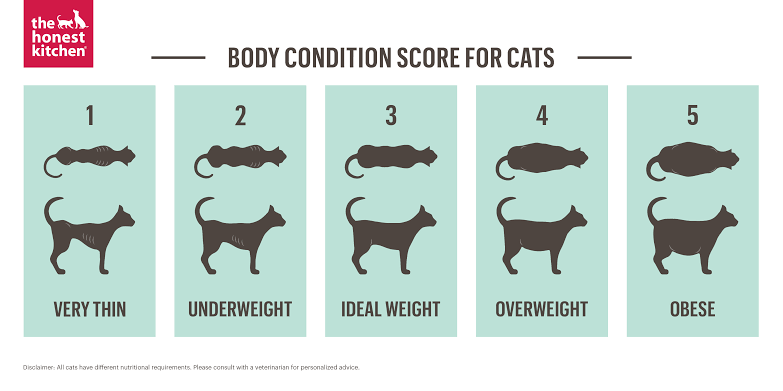
Excessive feeding leads to weight gain and obesity. Obesity is a significant stress factor for cats. It can result in health complications. Portion control is key to preventing overfeeding.
Food Allergies And Intolerances
Some cats have allergies to certain foods. These allergies can cause stress and discomfort. Identifying and eliminating allergens is important. Intolerances can also lead to digestive problems. Regular monitoring helps manage these issues.
Identifying Nutritional Stress
Understanding nutritional stress in cats is crucial for their well-being. Cats need a balanced diet for a healthy life. Poor nutrition can lead to stress in cats. Identifying this stress early can help in taking timely action.
Behavioral Signs
Cats may show changes in behavior when stressed. They might become more aggressive or withdrawn. Sudden changes in appetite are also common. A stressed cat might overeat or avoid food altogether. Increased vocalization can also be a sign. Pay attention to changes in your cat's daily routine.
Physical Symptoms
Physical symptoms offer clues about a cat's nutritional health. Weight loss or gain can indicate stress. A dull coat or excessive shedding may also occur. Digestive issues like vomiting or diarrhea are warning signs. Monitor your cat's energy levels. Lethargy or hyperactivity can both signal stress.
Veterinary Assessment
A vet can help identify nutritional stress. Routine check-ups are important for monitoring health. Blood tests can reveal nutrient deficiencies. The vet might suggest dietary changes or supplements. Regular vet visits ensure your cat stays healthy and stress-free.
Dietary Adjustments
Dietary adjustments play a crucial role in managing nutritional stress in cats. Identifying and implementing the right changes can significantly improve their health. Nutrition impacts a cat's mood, energy, and overall well-being. Understanding what adjustments to make is vital for every cat owner.
Balanced Nutrient Intake
Cats need a diet rich in proteins, fats, and essential vitamins. These nutrients help maintain their immune system and energy levels. A balanced diet also supports skin and coat health. It's important to choose cat foods that meet these needs. Check the label for a complete nutrient profile. Consult with a veterinarian for specific dietary recommendations.
Gradual Diet Transitions
Changing a cat's diet should be a slow process. Rapid changes can lead to digestive issues. Start by mixing a small amount of new food with the old. Gradually increase the new food over several days. This helps the cat's digestive system adapt. Watch for any signs of discomfort during the transition.
Tailored Feeding Plans
Each cat has unique dietary needs based on their age and health. A tailored feeding plan ensures they receive the right nutrients. Consider factors like activity level and weight. Older cats may need more protein for muscle maintenance. Consult a vet to create a personalized feeding schedule. Regular check-ups help adjust the plan as needed.
Role Of Supplements
Supplements can help manage nutritional stress in cats by providing essential vitamins and minerals. They support a balanced diet, promoting overall health and well-being. Adjusting a cat's nutrient intake can alleviate stress-related health issues.
Cats need proper nutrition for a healthy life. Sometimes, their diet lacks essential nutrients. Supplements can help fill these gaps. They provide extra vitamins and minerals. They support digestive health too. Knowing when to use supplements is crucial.
Essential Vitamins And Minerals
Cats need vitamins A, D, E, and B-complex. These vitamins support their skin, bones, and energy. Minerals like calcium and phosphorus keep their bones strong. Zinc helps their immune system. Without these, cats may face health issues. Supplements can ensure they get enough.
Probiotics And Digestive Aids
Good digestion is vital for cats. Probiotics can improve gut health. They add beneficial bacteria to the digestive system. This helps in better nutrient absorption. Digestive aids can reduce stomach discomfort. They can lead to better overall health. Cats feel more energetic with a healthy gut.
When To Consider Supplements
Not all cats need supplements. Watch for signs like dull coat or low energy. If these appear, consult a vet. They can recommend suitable supplements. It is important to choose the right type. Always follow the vet's advice for dosage. Proper use of supplements can improve your cat's well-being.

Credit: petreleaf.com
Preventive Measures
Nutritional stress in cats can lead to weight loss and poor coat health. Ensuring a balanced diet with essential nutrients helps prevent these issues. Regular check-ups and monitoring food intake are crucial preventive measures.
Preventive Measures Nutritional stress in cats can lead to a variety of health issues, making prevention crucial. By adopting a proactive approach, you can ensure your feline friend remains healthy and happy. Consider the following preventive measures to keep nutritional stress at bay.
Regular Vet Check-ups
Routine visits to the vet are essential for early detection of any nutritional deficiencies. These check-ups allow veterinarians to assess your cat’s overall health and provide dietary recommendations tailored to their needs. Think of it as a wellness plan that keeps your cat in top shape.
Monitoring Weight And Health
Keeping an eye on your cat’s weight is more important than you might think. Sudden weight loss or gain can be a sign of nutritional stress. Regularly weigh your cat and observe any changes in their eating habits. Consider keeping a health journal for your cat. Note any changes in their behavior, appetite, or energy levels. This record can be invaluable during vet consultations.
Creating A Stress-free Environment
A calm and comfortable environment can do wonders for your cat’s well-being. Stress can affect their appetite and overall health. Create a cozy space where your cat feels safe and secure. Have you noticed how your cat behaves in different environments? Pay attention to their stress signals and adjust their surroundings accordingly. Simple changes like providing quiet resting areas can significantly reduce stress levels. By taking these preventive steps, you're not just preventing nutritional stress but fostering a healthier, happier life for your feline companion.
Consulting A Veterinarian
Consulting a veterinarian is a crucial step when dealing with nutritional stress in cats. Many cat owners may feel overwhelmed when their furry friends show signs of distress, but a professional can provide the guidance needed. Veterinarians can offer insights into dietary adjustments and pinpoint underlying issues that might not be apparent to the untrained eye.
When To Seek Professional Help
Recognizing the signs of nutritional stress early can make a significant difference. If your cat experiences symptoms such as unexpected weight loss, digestive issues, or changes in coat quality, it's time to consult a vet. Prompt action can prevent more serious health complications down the line.
It's natural to hope that minor issues will resolve themselves, but waiting too long can exacerbate the problem. Think about how often you delay visiting a doctor, hoping your ailment will clear up on its own. Why risk it with your cat's health?
Finding A Nutrition Specialist
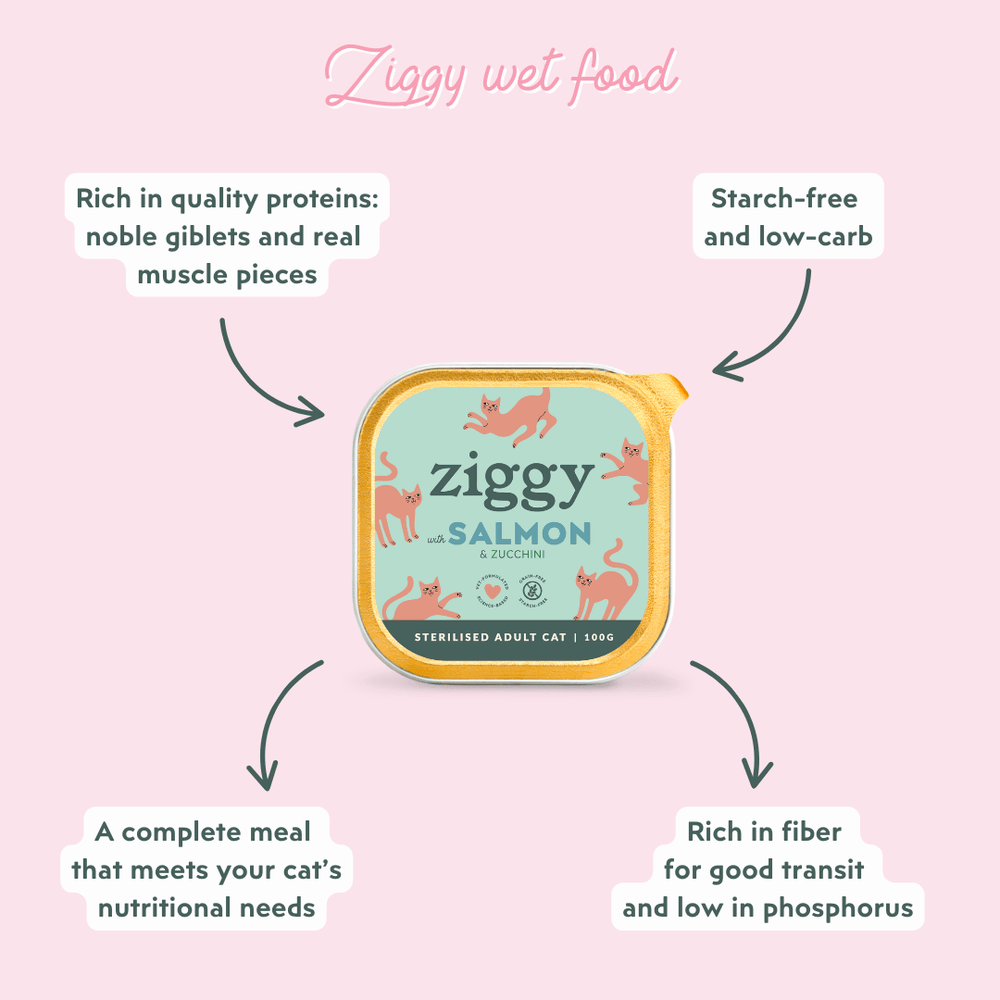
Not all veterinarians are nutrition specialists, so it might be worth seeking out one who is. A nutrition specialist can tailor a diet plan specifically for your cat's needs. This ensures your pet gets the right balance of nutrients to combat stress.
Use online resources or ask your vet for recommendations to find a qualified nutrition specialist. You wouldn't settle for a generalist for your dietary concerns; why should your cat? Ensure the specialist has experience and positive reviews to ensure your cat receives the best care possible.
Credit: ziggyfamily.com

Credit: weareallaboutcats.com
Frequently Asked Questions
What Are The Signs Of Stress In A Cat?
Cats show stress through excessive grooming, hiding, reduced appetite, or unusual aggression. They may vocalize more or use the litter box improperly. Changes in sleep patterns or increased scratching can also indicate stress. Keep an eye on these behaviors to ensure your cat's well-being.
What Is The Most Common Nutritional Disorder In Cats?
The most common nutritional disorder in cats is obesity. It occurs from overeating and lack of exercise. Obesity can lead to health problems like diabetes and arthritis. Maintaining a balanced diet and regular vet check-ups can prevent obesity.
How To Remove Stress From A Cat?
Create a calm environment with a cozy space for your cat. Offer interactive toys and regular playtime. Ensure a consistent routine and provide scratching posts. Use calming pheromone diffusers or sprays. Consult a vet if stress persists.
Can Stress Cause Cats To Not Eat?
Stress can make cats stop eating. Changes in environment or routine often trigger this reaction. Monitor your cat's behavior closely. Consult a vet if the issue persists. Keeping a calm and stable environment can help encourage normal eating habits.
Conclusion
Understanding nutritional stress in cats helps improve their well-being. Proper diet and regular vet check-ups are crucial. Cats need balanced nutrition for energy and health. Watch for signs like weight loss or dull coat. Consult your vet for the best dietary plan.
Each cat's needs may differ. Pay attention to changes in behavior or appetite. A healthy cat is a happy cat. Prioritize their nutrition and observe any health issues. This ensures a long, joyful life for your feline friend.
