
Are you looking to provide your feline friend with the best possible nutrition? You’re in the right place!
Cats are not just pets; they're family. Ensuring they receive balanced nutrition can be a game-changer for their health and happiness. You might wonder, "What exactly should I cook for my cat? " Or "How can I make meals that meet all their nutritional needs?
" Imagine your cat bouncing with energy, boasting a shiny coat, and staying active well into their golden years. The secret? It lies in what you serve them. This guide will unravel the mystery of cat nutrition, offering you easy, practical tips to whip up meals that your cat will not only love but thrive on. Keep reading, and unlock the secrets to crafting a diet that ensures your beloved feline enjoys a long, healthy life by your side. Your cat deserves the best, and you have the power to give it to them.
Importance Of Balanced Nutrition
Creating balanced meals for cats ensures they receive essential nutrients. Include protein, fats, and carbohydrates in their diet. This supports growth, energy, and overall health.
Cats need a balanced diet to stay healthy and active. Proper nutrition helps them maintain a shiny coat, strong muscles, and sharp vision. It also boosts their immune system, reducing the risk of diseases. Feeding your cat the right nutrients ensures they live a long, happy life.
Understanding Essential Nutrients For Cats
Cats are obligate carnivores. They require certain nutrients from animal sources. Proteins are vital for muscle growth and repair. Amino acids like taurine are crucial for heart and eye health. Cats also need vitamins and minerals for overall wellness. Fats provide energy and help absorb vitamins.
Role Of Protein In A Cat's Diet
Protein is the main component of a cat’s diet. It supports their active lifestyle. Meat, fish, and poultry are excellent protein sources. High-quality protein aids in muscle development and tissue repair. Ensure your cat gets enough protein daily.
Importance Of Hydration
Cats often don’t drink enough water. Dehydration can lead to urinary problems. Wet food can help increase their water intake. Ensure fresh water is always available. Monitor their drinking habits to prevent dehydration.
Avoiding Harmful Ingredients
Certain foods are dangerous for cats. Chocolate, onions, and garlic can be toxic. Grapes and raisins should be avoided too. Always check labels for harmful additives. Keep your cat’s diet free from these substances.
Monitoring Portion Sizes
Overfeeding can lead to obesity. Measure your cat’s food to control portions. Adjust their diet based on activity level and age. Regularly check their weight to ensure they're healthy. Portion control prevents weight-related issues.
Essential Nutrients For Cats
Providing balanced nutrition for your cat is crucial for their health and happiness. Cats require specific nutrients to thrive. Understanding these essential nutrients helps you make informed decisions about their diet. A well-rounded diet can boost their energy, improve their coat, and support their immune system.
Proteins And Amino Acids
Proteins are vital for cats. They help build muscles and repair tissues. Cats need more protein than dogs. Animal-based proteins are best. They contain essential amino acids. These acids are crucial for body functions. Taurine is one essential amino acid. Without it, cats can develop heart problems. Include chicken or fish in their meals. These are excellent sources of taurine.
Fats And Fatty Acids
Fats provide energy and support cell growth. They help cats absorb vitamins. Omega-3 and Omega-6 are key fatty acids. They improve skin and coat health. These acids also support brain function. Fish oil is a great source of Omega-3. Ensure your cat's diet includes healthy fats. Avoid overfeeding fatty foods. Balance is important to prevent obesity.
Vitamins And Minerals
Vitamins and minerals are necessary for overall health. Vitamin A supports vision and immune health. B vitamins help energy production. Minerals like calcium strengthen bones. Magnesium supports muscle function. Ensure your cat gets a variety of vitamins. Fresh fruits and vegetables can be sources. But cats need meat-based nutrients most. Balance is key in their diet.
Homemade Cat Food Recipes
Creating homemade cat food recipes ensures balanced nutrition for your feline friend. Focus on proteins like chicken or fish, combined with vegetables and grains. These ingredients support your cat’s health, providing essential nutrients for a happy life.
Creating homemade cat food is a rewarding venture that allows you to ensure your feline friend receives balanced nutrition tailored to their needs. Store-bought options can be convenient, but homemade recipes offer the chance to control every ingredient, providing fresh, wholesome meals. Dive into the world of homemade cat food recipes and explore how you can craft meals that not only satisfy your cat’s palate but also support their health.
Protein-rich Meals
Cats are obligate carnivores, meaning they thrive on a diet rich in protein. Think chicken, turkey, or fish as primary ingredients. These proteins are vital for maintaining muscle health and energy levels. A simple recipe could involve boiling chicken breast, shredding it, and mixing it with a little water for moisture. Avoid seasoning the meat; herbs and spices may upset your cat's stomach. Consider rotating different protein sources weekly to keep meals exciting. Have you ever noticed how your cat perks up at the smell of fish? Incorporate it occasionally to keep their taste buds delighted.
Grain-free Options
Many cat owners prefer grain-free diets due to potential allergies or digestive issues. You can skip grains like rice or corn and focus on meat and water. An easy option is a beef stew made with lean beef chunks and carrots simmered in water. Grain-free meals can help maintain a healthy weight and reduce bloating. Keep an eye on how your cat reacts to these meals; their energy levels and coat condition can be great indicators. Isn't it fascinating how some cats thrive without grains?
Vegetable Additions
While cats primarily need protein, vegetables can offer essential vitamins and minerals. Consider adding cooked carrots, peas, or spinach in moderation. These veggies can improve digestion and provide a fiber boost. Chop vegetables finely and mix them into the protein base to ensure they’re easy for your cat to eat. Always cook vegetables thoroughly to enhance digestibility and ensure safety. Have you tried experimenting with different veggie combinations to find your cat’s favorite? Crafting homemade meals for your cat not only strengthens your bond but also ensures they receive optimal nutrition. Be adventurous with recipes and attentive to your cat's preferences, ensuring mealtime is a joyous occasion for both of you.

Credit: www.pinterest.com
Foods To Avoid
When preparing meals for your feline friend, it's crucial to understand which foods can be harmful. Cats have unique dietary needs, and certain ingredients can be toxic or cause allergies. Knowing what to avoid is just as important as knowing what to include in their diet.
Toxic Ingredients
Cats are particularly sensitive to some common household foods that can be toxic. Chocolate, for instance, contains theobromine, which is harmful to cats. Even small amounts can lead to serious health issues.
Onions and garlic, often found in homemade dishes, can damage a cat's red blood cells. This can lead to anemia, a condition that requires urgent veterinary care.
Another surprising toxic ingredient is grapes and raisins. While they might seem harmless, they can cause kidney failure in cats. Always keep these out of reach.
Common Allergens
Just like humans, cats can have food allergies. Dairy is a common allergen, even though many cats love milk. Most adult cats are lactose intolerant, which can lead to digestive issues.
Wheat and other grains can also trigger allergic reactions in some cats. Opt for grain-free food options if you notice symptoms like itchy skin or gastrointestinal problems.
Chicken, a staple in many cat foods, can also be an allergen. If your cat shows signs of an allergy, consider trying novel protein sources like duck or venison.
Are you aware of what you're feeding your cat? Checking ingredients and understanding potential allergens can make a big difference in your cat's health and happiness.
Portion Control And Feeding Schedule
Portion control ensures cats get the right amount of nutrients. A regular feeding schedule helps maintain their health. Balanced meals with protein, fats, and vitamins support their well-being.
Portion control and feeding schedules are crucial for your cat's health. Cats need the right amount of food to stay fit. Overfeeding can lead to obesity and health problems. Undernourishment affects their energy and growth. Establishing a feeding routine helps maintain a healthy weight. Consistency in meals reduces anxiety and helps digestion.
Determining Portion Sizes
Portion sizes depend on your cat's age, weight, and activity level. Check the food packaging for guidelines. Consult your vet for personalized advice. Measure portions accurately using a kitchen scale. Avoid free-feeding, as it leads to overeating. Adjust portions based on your cat's health and lifestyle.
Establishing A Feeding Routine
Cats thrive on routine. Feed them at the same time daily. This helps regulate their metabolism. Divide meals into two or three servings. Morning and evening are good times. Keep the feeding area quiet and comfortable. Remove uneaten food after 30 minutes. This prevents overeating and keeps the food fresh.
Monitoring Your Cat's Health
Monitoring your cat's health is crucial to ensure they receive balanced nutrition. Just like humans, cats need a well-rounded diet to thrive. By paying attention to their health, you can catch any nutritional deficiencies early and take action. While feeding your feline friend, consider: Are they getting everything they need? This question is the starting point for assessing their overall well-being.
Signs Of Nutritional Deficiency
Recognizing signs of nutritional deficiency in cats is vital. Look for symptoms like dull fur, unexplained weight loss, or lethargy. These can be indicators that your cat's diet lacks essential nutrients. If your cat starts to scratch excessively or develops flaky skin, it might be a sign of low omega fatty acids. Keeping a close eye on these signs can help you adjust their diet promptly.
Regular Vet Check-ups
Regular vet check-ups are an essential part of monitoring your cat's health. A vet can assess your cat's condition and recommend dietary changes if needed. During visits, ask specific questions about your cat's nutrition. Are they getting enough protein? Is their weight healthy? These questions can guide you in creating a balanced diet. Remember, vets can catch problems that might not be visible to you.
Supplements For Cats
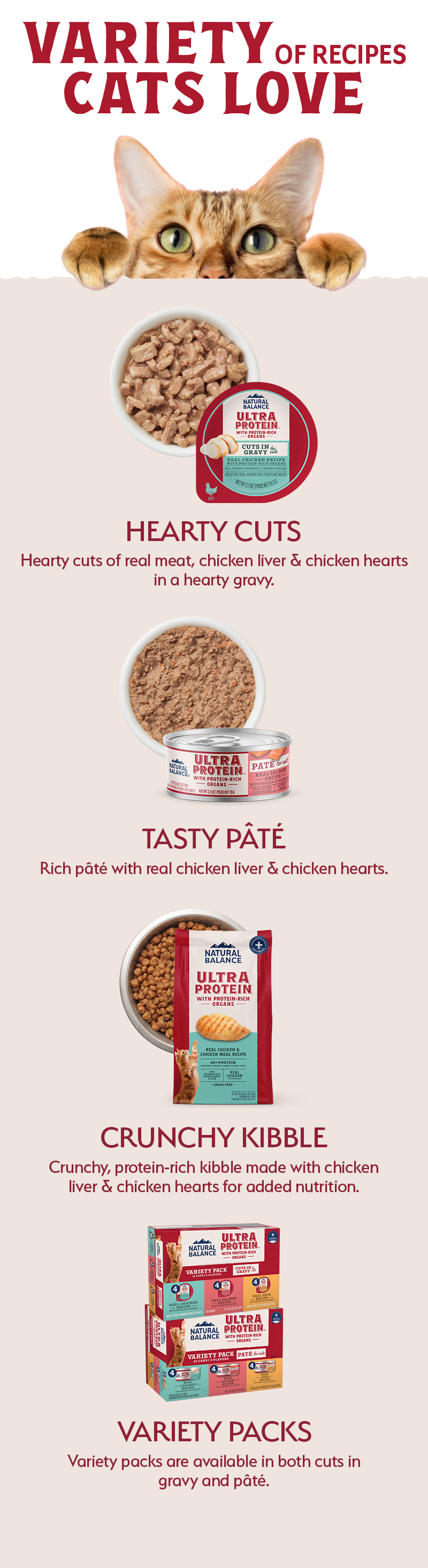
Ensuring balanced nutrition for cats includes cooking meals with essential supplements. Consider fish for omega-3 fatty acids. Add chicken for protein, and include vegetables for vitamins and minerals.
Cats thrive on a balanced diet rich in essential nutrients. Sometimes, their regular meals may lack certain vitamins or minerals. This is where supplements come into play. They can fill nutritional gaps and support your cat's health. But it's crucial to know when and what supplements to consider.
When To Consider Supplements
Some cats have specific dietary needs. Older cats may need extra nutrients for joint health. Pregnant or nursing cats also have increased nutritional demands. If your cat is recovering from illness, supplements might help. Always consult a vet before adding supplements to your cat's diet. They can recommend the best options based on your cat’s health.
Types Of Supplements
There are various supplements available for cats. Each serves a different purpose.
- Omega-3 Fatty Acids:These support skin and coat health.
- Probiotics:They promote digestive health and balance gut bacteria.
- Vitamins:B vitamins boost energy and overall health.
- Glucosamine:Helps maintain healthy joints, especially in older cats.
- Taurine:An essential amino acid for heart and eye health.
Choose supplements based on your cat's specific needs. Always ensure they are safe and high-quality.
Credit: www.naturalbalanceinc.com

Credit: www.petfoodprocessing.net
Frequently Asked Questions
What Is The Healthiest Homemade Food For Cats?
The healthiest homemade food for cats includes cooked chicken, turkey, or fish with added vegetables like carrots or peas. Ensure the meal is balanced by including a small portion of rice or oats. Avoid seasoning and ensure all ingredients are cat-safe.
Always consult your vet before changing your cat's diet.
What Is A Good Balanced Diet For A Cat?
A good balanced diet for a cat includes high-quality protein, essential fats, vitamins, and minerals. Provide fresh water daily. Opt for commercial cat food that meets AAFCO standards. Include occasional wet food for hydration. Avoid toxic foods like chocolate, onions, and garlic.
Consult a vet for personalized dietary advice.
How Do I Help My Cat Get The Right Nutrition?
Provide a balanced diet with high-quality cat food. Ensure proper portion sizes to avoid overfeeding. Include wet food for hydration. Consult your vet for specific dietary needs or supplements. Keep fresh water available at all times. Avoid feeding human foods or treats high in fat and salt.
What To Add To Cat Food To Make It More Nutritious?
Add cooked lean meats like chicken or turkey for protein. Include small portions of cooked vegetables like carrots. Mix in fish oil for omega-3 fatty acids. Sprinkle nutritional yeast for added vitamins. Ensure any additions are safe for cats.
Conclusion
Crafting nutritious meals for cats is vital. It keeps them healthy and happy. Balance protein, carbs, and fats. Include vitamins and minerals. Homemade meals offer control over ingredients. They ensure freshness and quality. Consult a vet for guidance. Cats have unique dietary needs.
Regular check-ups help adjust diets. Watch for allergies or sensitivities. Always prioritize your cat's well-being. Simple recipes can make a big difference. Embrace cooking as a bonding activity. Your cat will love your effort. Nutritious meals lead to a joyful cat.
Keep their needs in mind. Happy cooking for your furry friend!
