

Imagine this: your cat, with its charming purr and playful antics, is more than just a pet; it's a beloved family member. As a responsible cat owner, you want to ensure your feline friend is not only happy but also healthy.
One critical aspect of cat care that often sparks curiosity is their diet, particularly the role of wet food. Have you ever found yourself pondering how often your cat should enjoy this tasty treat? You’re not alone. Many cat owners like you seek the right balance to support their pet's well-being.
You'll discover how wet food fits into your cat's nutritional needs, and the frequency that's best for their health and lifestyle. Get ready to unlock the secrets to a well-fed and content kitty, ensuring every meal is a step towards a healthier life. Dive in to find out more!
Benefits Of Wet Food
Cats thrive on wet food for hydration and nutrients. Feeding them wet food daily or several times a week ensures balanced nutrition and supports kidney health. Regular wet food intake also aids in maintaining a healthy weight and reduces urinary tract issues.
Feeding your cat wet food can be a delightful treat that goes beyond just satisfying their taste buds. There are several benefits to including wet food in your feline’s diet, which can significantly improve their health and well-being. Understanding these benefits can help you make informed decisions about your pet's nutrition, potentially enhancing their quality of life.
Improved Hydration
Cats often don't drink enough water on their own, which can lead to dehydration. Wet food contains a high moisture content, which naturally aids in keeping your cat hydrated. Ensuring your cat stays hydrated can prevent common urinary tract issues and promote overall kidney health.
Enhanced Palatability
Many cats find wet food more appealing than dry kibble due to its aroma and texture. If you've ever struggled to get your cat to eat, you might find that wet food piques their interest. The rich flavors and tender chunks can make mealtime more enjoyable for your feline friend.
Better Weight Management
Wet food can be a strategic part of managing your cat’s weight. It often contains fewer carbohydrates and more protein, which is closer to a cat's natural diet. This can help maintain lean body mass and prevent obesity, a common issue among indoor cats.
Improved Digestion
Wet food is generally easier for cats to digest, especially for those with sensitive stomachs. The soft texture can be less taxing on their digestive system compared to dry food. If your cat has ever shown signs of digestive discomfort, trying wet food might be a beneficial change.
Dental Health Considerations
While wet food is softer, it can still play a role in dental health. It doesn’t stick to teeth as much as dry food, which can reduce tartar buildup. Complementing wet food with regular dental care can keep your cat's teeth healthy. Feeding your cat wet food offers numerous benefits, but it’s essential to balance it with other dietary needs. How often do you include wet food in your cat’s meal plan? Adjusting the frequency based on these benefits might just be the positive change your feline needs.

Credit: www.facebook.com
Nutritional Needs Of Cats
Cats benefit from wet food about 2-3 times a week. It helps with hydration and provides essential nutrients. Balancing wet and dry food ensures a healthy diet.
Cats have unique nutritional needs. These needs help them stay healthy and active. Understanding these needs ensures your cat gets the right food. Wet food can be an important part of their diet. It offers hydration and essential nutrients.
Understanding Basic Nutritional Requirements
Cats are obligate carnivores. They need protein from animal sources. Wet food often contains high-quality proteins. These proteins support muscle health. Cats also need fats for energy. Wet food provides these fats in the right amount.
Importance Of Hydration
Cats can be prone to dehydration. Wet food helps maintain hydration. It contains moisture that dry food lacks. Proper hydration supports kidney function. It also helps prevent urinary tract issues.
Vitamins And Minerals
Wet food is rich in vitamins. These include vitamins A, D, and E. These vitamins keep your cat's coat shiny. Minerals like calcium and phosphorus are vital. They support bone health and growth.
Digestive Health
Wet food is easier to digest. It contains fewer carbohydrates. This makes it gentle on the stomach. Cats with sensitive stomachs benefit from wet food. It reduces the risk of digestive issues.
Balancing Wet And Dry Food
Wet food should be part of a balanced diet. It complements dry food in the right proportions. Offering both types ensures complete nutrition. This balance helps meet all of your cat's needs.
Comparing Wet And Dry Food
Cats often benefit from regular wet food due to its hydration and nutrient-rich profile. Feeding wet food two to three times a week can support their health and well-being. Balancing wet and dry food ensures they receive a complete diet.
Comparing Wet and Dry Food Choosing between wet and dry food for your cat can sometimes feel overwhelming. Each type of food offers different benefits, and understanding these can help you make the best decision for your feline friend. Let's dive into some key aspects to consider when comparing wet and dry cat food.
Hydration Levels
Wet food contains a high moisture content, which can be crucial for your cat’s hydration. Cats naturally have a low thirst drive, so wet food can help ensure they get enough water in their diet. Consider how often your cat drinks from their water bowl—if it's infrequent, wet food might be a great way to supplement their water intake.
Caloric Density
Dry food tends to be more calorie-dense than wet food. This means that your cat gets more energy from a smaller amount of dry food. If your cat is prone to overeating, wet food might be a better option as it allows them to eat larger portions with fewer calories.
Dental Health
There's a common belief that dry food can help clean a cat’s teeth. The crunchy texture might help reduce tartar buildup. However, it's not a substitute for regular dental care. Have you ever noticed your cat's eating habits? If they tend to gulp down their food without much chewing, the dental benefits of dry food might be less significant. In balancing the pros and cons of wet versus dry food, think about your cat’s individual needs and lifestyle. Do they prefer crunch or savor the meaty textures of wet food? Your choice can significantly impact their overall health and happiness.

Credit: www.instagram.com
Frequency Of Wet Food Feeding
Feeding your cat the right amount of wet food is essential. It helps maintain their health and happiness. Wet food offers hydration and valuable nutrients. But how often should you serve it? The answer depends on several factors.
Age And Life Stage
Kittens need more frequent meals. They have smaller stomachs and high energy needs. Offer them wet food three to four times daily. Adult cats may only need two servings per day. Senior cats could require more frequent meals to support health.
Health Conditions
Some cats have specific health needs. Cats with kidney issues benefit from more wet food. It provides extra moisture. Cats with obesity may need controlled portions. Consult your vet for tailored feeding advice.
Activity Level
Active cats burn more energy. They might need more wet food to fuel their day. Less active cats require fewer calories. Adjust their portions to match their lifestyle. Observe your cat's weight and adjust as needed.
Transitioning Between Food Types
Transitioning between food types can be a delicate process for cats. Their digestive systems are sensitive to changes in diet. Introducing wet food can offer numerous benefits like increased hydration. It's important to switch foods thoughtfully to avoid stomach upset.
Gradual Introduction
Start with small amounts of wet food mixed with dry food. Gradually increase the proportion of wet food over several days. This helps your cat adjust without digestive issues. Observe how they react to the new texture and taste. Some cats might be picky eaters.
Monitoring Reactions
Watch for any signs of discomfort or allergies. These can include vomiting, diarrhea, or refusal to eat. If these occur, pause the transition and consult a vet. Keep track of changes in energy levels and coat condition. Wet food can improve both, but each cat is unique.
Signs Your Cat Needs More Wet Food
Understanding the dietary needs of your feline friend is crucial for their health. Wet food can play a significant role, but how do you know if your cat needs more? Cats, just like humans, exhibit signs when their diet isn't quite right. Observing your cat's behavior and physical condition can give you insight into whether they need more wet food.
Weight Management
If your cat seems to be gaining weight despite following their usual diet, it might be time to assess their food intake. Wet food typically contains fewer calories than dry food, making it an excellent option for weight control. On the flip side, if your cat is losing weight or appears underweight, they may benefit from the higher moisture content and palatability of wet food, encouraging them to eat more and maintain a healthy weight.
Hydration Issues
Is your cat drinking less water than usual? This could be a sign they need more wet food. Cats are naturally not big water drinkers, and wet food provides the hydration they may lack from dry kibble. If your cat seems dehydrated, has dry skin, or is experiencing urinary tract issues, increasing their wet food intake can help boost their hydration levels.
Have you ever noticed your cat avoiding their water bowl? Observing these subtle changes can guide you in adjusting their diet. By paying attention to these signs, you can ensure your cat gets the right balance of nutrition and hydration.
Common Mistakes In Cat Feeding
Feeding your cat might seem straightforward, but it's easy to make mistakes that could affect your feline friend's health. Understanding common pitfalls can help you provide a balanced diet. Let's explore some typical errors cat owners make.
Overfeeding
Many cat owners fall into the trap of overfeeding their pets, thinking they're being generous. Cats don't require as much food as some might think. Overfeeding can lead to obesity and related health issues like diabetes. It's crucial to follow recommended serving sizes and consider your cat's activity level. Always check with your vet if you're unsure about the right amount.
Ignoring Preferences
Cats, much like humans, have their food preferences. Ignoring these can lead to uneaten meals and wasted food. Pay attention to what your cat likes and dislikes. Does your cat prefer salmon over chicken? Adjust accordingly to keep them interested in their meals. This not only ensures they're eating well but also makes meal times more enjoyable. Have you ever noticed your cat's enthusiasm when you serve their favorite food?
Consulting A Veterinarian
Cats have unique dietary needs. Consulting a veterinarian ensures your feline gets proper nutrition. Vets provide guidance based on your cat’s health, age, and lifestyle. This advice helps in deciding the right balance of wet and dry food.
Nutritional Advice
Veterinarians assess your cat's diet needs. They consider age, weight, and activity level. This information helps them suggest the right food. Wet food offers hydration, which is crucial for cats. A vet can recommend how often to include it in meals. They might suggest wet food daily or a few times a week.
Addressing Health Concerns
Certain health issues require specific diets. Cats with kidney problems may need more wet food. It contains more moisture, helping kidney function. Cats with obesity might need a different plan. Vets can adjust feeding schedules to manage weight. Regular check-ups ensure your cat's diet meets health needs.
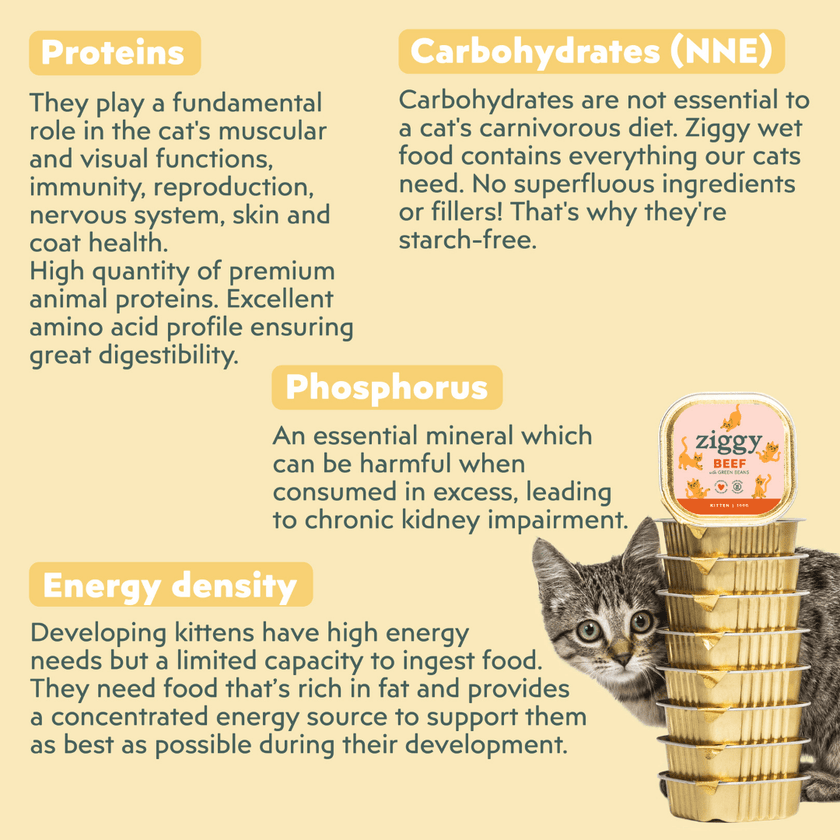
Credit: ziggyfamily.com
Frequently Asked Questions
How Often Should I Give Wet Food To My Cat?
Feed your cat wet food daily, dividing it into two or more meals. Adjust portions based on your cat's age, weight, and activity level. Consult your veterinarian for personalized advice to ensure balanced nutrition. Always provide fresh water alongside meals for optimal hydration and health.
Do Cats Need Wet Food Daily?
Cats benefit from wet food daily due to its moisture content. It helps hydration and supports urinary health. Wet food also offers high protein levels essential for muscle maintenance. However, portion size depends on your cat's age, weight, and activity level.
Consult your vet for personalized feeding advice.
Is Wet Food Better Than Dry Food?
Wet food is often better for hydration and urinary health. It has higher moisture content, aiding kidney function. It also tends to be more palatable, encouraging picky eaters. Dry food is convenient and helps dental health. A balanced diet often includes both types, depending on individual needs.
How Much Wet Food Should Cats Eat?
The amount of wet food depends on your cat's size and activity level. Generally, adult cats need about 3-5 ounces per day. It's important to check the calorie content on packaging. Adjust portions based on your cat's weight and health needs.
Always consult a vet for precise dietary recommendations.
Conclusion
Wet food plays a crucial role in your cat's diet. It offers hydration. Cats may need wet food daily. It's essential for their health. Observe your cat's preference. Some enjoy wet food more. Balance is key. Mix wet and dry options.
Consult your vet for advice. Tailor feeding to your cat's needs. Every cat is unique. Prioritize their well-being. Adjust portions based on activity. Wet food can enhance their nutrition. Keep their diet varied. Happy, healthy cats lead to joyful homes.
Your furry friend deserves the best care.