

Are you a cat parent wondering if your furry friend needs both wet and dry food? You’re not alone.
Many cat owners find themselves puzzled over what’s best for their beloved pet. Understanding your cat's dietary needs is crucial for their health and happiness. You'll uncover the benefits of wet and dry food, and how each can play a role in your cat's nutrition.
Imagine the peace of mind that comes with knowing you're providing the best for your cat. Keep reading to discover how a balanced diet can lead to a healthier, happier cat. Your curiosity is the key to unlocking the secrets of feline nutrition.
Nutritional Needs Of Cats
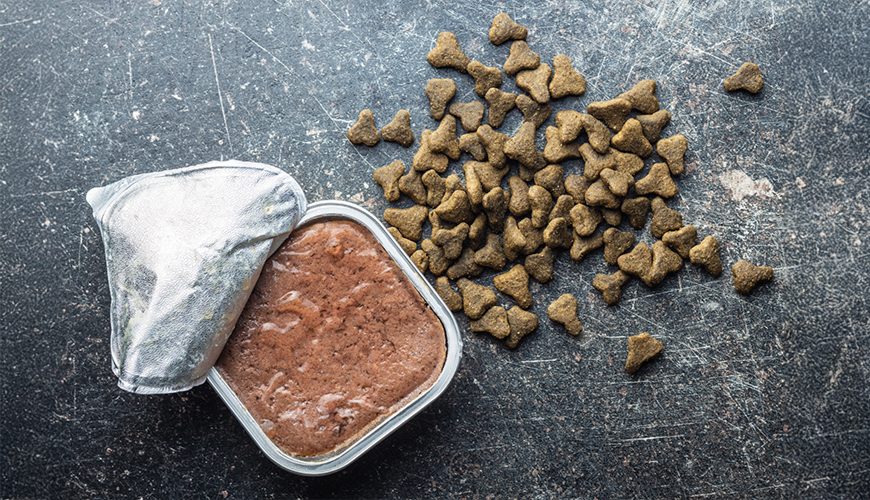
Balancing wet and dry food ensures cats get necessary moisture and nutrients. Wet food helps with hydration, while dry food supports dental health. Both types together meet a cat's diverse dietary needs.
Understanding the nutritional needs of your cat is crucial to their overall health and happiness. Cats are obligate carnivores, which means they rely heavily on a diet rich in meat. Their bodies are designed to thrive on nutrients that are predominantly found in animal tissues. This unique dietary requirement makes choosing the right food for your feline friend an essential task.
Protein Requirements
Cats need a high-protein diet to maintain their muscle mass and energy levels. Protein is the building block of their diet, supporting everything from healthy skin to a shiny coat. Have you noticed your cat's sleek fur? That's protein at work. Wet food often contains higher levels of protein compared to dry food, making it a great choice for meeting this nutritional need.
Essential Fats And Fatty Acids
Fats are not just about providing energy. They play a critical role in maintaining your cat’s skin health and reducing inflammation. Omega-3 and Omega-6 fatty acids are particularly important. They are found in higher concentrations in wet food. Ever wondered why your cat's coat is so glossy? It’s likely thanks to these fats.
Vitamins And Minerals
Cats need a range of vitamins and minerals to support their immune system and overall well-being. Taurine, a vital amino acid found in animal tissue, is one such necessity. It is abundant in both wet and dry foods. However, ensuring the food is specifically formulated for cats is key. Does your cat have bright eyes and boundless energy? A balanced intake of vitamins and minerals might be the reason.
Hydration Considerations
Hydration is often overlooked, but it's vital for your cat's kidney function and overall health. Wet food naturally contains a higher moisture content, which can help keep your cat hydrated. If your cat isn’t a big water drinker, wet food could make a significant difference. Have you ever seen your cat turn their nose up at the water bowl? Wet food might be the perfect solution to ensure they get enough fluids.
Balancing Wet And Dry Food
The choice between wet and dry food doesn't have to be an either/or decision. You can offer a balanced mix of both to provide a variety of textures and flavors. This approach can cater to your cat's personal preferences while covering their nutritional bases. Are you wondering how to keep your cat’s diet exciting yet nutritious? A combination of wet and dry food might just be the answer.
Listening To Your Cat's Needs
Each cat is unique, and their dietary preferences can vary widely. Pay attention to how your cat responds to different types of food. Do they seem more satisfied with wet food or do they enjoy the crunch of dry kibble? Observing their behavior and health can guide you in fine-tuning their diet. After all, who knows your cat better than you do?

Credit: www.facebook.com
Benefits Of Wet Food
Wet food offers hydration and essential nutrients for cats. Dry food helps in maintaining dental health and is convenient. A balanced diet incorporating both types can support overall health and well-being.
Wet food offers several benefits for cats. It can support hydration, provide higher protein content, and enhance palatability. These advantages make it a valuable part of a balanced diet for felines. Understanding these benefits can help pet owners make informed choices about their cat's nutrition.
Hydration Support
Wet food has high moisture content. This helps keep cats hydrated. Many cats do not drink enough water. Wet food can supplement their water intake. Proper hydration supports kidney health. It also aids digestion and overall well-being.
Higher Protein Content
Wet food often contains more protein than dry food. Protein is essential for muscle development. It also supports energy levels and immune function. Cats are obligate carnivores. They need a diet rich in animal proteins. Wet food can help meet these nutritional needs.
Palatability And Taste
Cats generally find wet food tastier. Its texture and aroma appeal to their senses. This can be beneficial for picky eaters. Cats enjoy variety in their diet. Wet food can provide exciting flavors and textures. A happy cat is more likely to eat well.
Advantages Of Dry Food
Cats benefit from dry food as it promotes dental health by reducing plaque buildup. It's convenient, has a longer shelf life, and is cost-effective, providing balanced nutrition when paired with wet food.
Dry food has gained popularity among cat owners for its unique advantages. While wet food offers moisture and flavor, dry food brings its own set of benefits. Understanding these can help you make informed choices about your cat's diet.
Dental Health Benefits
Dry food can help maintain your cat's dental health. The crunchy texture helps reduce plaque and tartar buildup. Cats naturally bite into dry kibble, which can act like a toothbrush. This can lead to healthier teeth and gums. Regular dental check-ups are still necessary, but dry food can be a helpful addition to your cat's oral care routine.
Convenience And Storage
Dry cat food is easy to store and serves as a convenient option for busy pet owners. Unlike wet food, it doesn’t require refrigeration. You can leave it out without worrying about spoilage. This makes it ideal for cats who graze throughout the day. Plus, it’s perfect for travel or when you’re away from home.
Cost-effectiveness
Dry food is generally more affordable than wet food. It often comes in larger quantities and lasts longer. If you're on a budget, this can be an economical choice. You can find high-quality dry food options that fit your financial plans. When purchasing, compare brands and ingredients to get the best value. Choosing the right food for your cat involves balancing these advantages with your pet's needs. Have you noticed any changes in your cat's health when switching between wet and dry food?
Combining Wet And Dry Food
Cats benefit from both wet and dry food for balanced nutrition. Wet food provides hydration and is easy to digest. Dry food maintains dental health and offers convenience.
Combining wet and dry food offers cats a balanced diet. It blends the benefits of both types. Wet food provides hydration, while dry food ensures dental health. This combination caters to diverse nutritional needs. It also keeps meal times exciting for your feline friend. Let's delve into the advantages of this feeding approach.
Balancing Nutritional Requirements
Cats need protein, fat, vitamins, and minerals. Wet food is rich in moisture and protein. Dry food often contains fiber and carbohydrates. Both types together offer a balanced nutrition. They help maintain a healthy weight and energy levels. Each type complements the other, fulfilling dietary needs.
Preventing Food Boredom
Cats enjoy variety in their meals. Mixing wet and dry food keeps them interested. It reduces the risk of food boredom. Different textures and flavors stimulate their appetite. They eagerly anticipate mealtime, ensuring they eat well.
Ideal Feeding Schedule
Create a feeding schedule that suits your cat. Offer wet food in the morning for hydration. Provide dry food in the evening for dental health. Adjust portions based on their age and activity level. Consistency helps maintain their health and happiness.
Special Dietary Considerations
Cats benefit from both wet and dry food in their diet. Wet food provides hydration and is easier to chew. Dry food helps maintain dental health and is convenient for storage. Balancing both types ensures a well-rounded nutritional intake for your feline friend.
Special dietary considerations are crucial when deciding whether to feed your cat wet or dry food. Cats, much like humans, have unique nutritional needs based on their age, health, and lifestyle. Tailoring their diet to meet these needs can significantly impact their overall health and well-being. Let's explore some key factors you should consider.
Age And Life Stage Needs
Kittens, adults, and senior cats have different dietary requirements. Kittens, for example, need a diet rich in proteins and fats to support their rapid growth and development. Wet food can be particularly beneficial for kittens as it's easier to chew and digest. Adult cats require a balanced diet to maintain their weight and health. A mix of wet and dry food can provide the necessary nutrients while preventing obesity. Senior cats, on the other hand, might benefit more from wet food due to its moisture content, which can support kidney function and prevent dehydration.
Health Conditions And Dietary Restrictions
If your cat has specific health issues, such as diabetes, kidney disease, or urinary tract problems, their diet will need special adjustments. Cats with diabetes often require a low-carbohydrate diet, which can be found in certain wet foods. For cats with kidney disease, a diet low in phosphorus and protein is often recommended. Wet food is generally lower in phosphorus, making it a suitable choice. Always consult your vet to customize your cat’s diet to their health needs.
Allergies And Sensitivities
Food allergies and sensitivities can also dictate whether you choose wet or dry food. Some cats are sensitive to certain proteins or grains commonly found in dry food. Opting for a wet food with limited ingredients may help in identifying and eliminating allergens. If your cat shows signs of allergies, like itching or gastrointestinal issues, you might need to switch their diet. Pay attention to ingredient labels and consider hypoallergenic options. Have you noticed any unusual reactions in your cat after meals? It might be time to reassess their diet. Understanding these special dietary considerations can help ensure your feline friend stays healthy and happy throughout their life stages. Your cat’s unique needs should always guide your dietary choices.
Common Mistakes To Avoid
Feeding your cat a balanced diet is crucial. Mistakes can lead to health issues. Understanding common pitfalls helps you make better choices. Let's explore some common mistakes to avoid.
Overfeeding Risks
Many cat owners overfeed their pets. This can cause obesity. Obesity leads to diabetes and heart problems. Portion control is essential. Follow feeding guidelines on packaging. Adjust portions based on your cat's activity level. Avoid free-feeding as it encourages overeating.
Ignoring Nutritional Labels
Nutritional labels provide vital information. Many ignore these details. Check protein content for healthy muscles. Ensure the food has essential vitamins and minerals. Avoid foods with high fillers like corn and wheat. These offer little nutritional value. Prioritize quality ingredients for optimal health.
Inadequate Water Intake
Water is crucial for cats. Dry food lacks moisture. Ensure your cat drinks enough water. Provide fresh water daily. Consider a cat fountain to encourage drinking. Wet food helps boost hydration levels. Monitor your cat's water intake closely.
Consulting With A Veterinarian
Consulting with a veterinarian is crucial for your cat's diet. Cats have specific nutritional needs. A vet provides guidance tailored to these needs. Balancing wet and dry food requires expert advice. This ensures your cat stays healthy and happy. Let's explore the benefits of consulting a vet.
Tailored Nutritional Advice
Each cat is unique, with different dietary needs. A veterinarian assesses your cat's health. This helps in creating a specific diet plan. Wet and dry food both have benefits. A vet can recommend the right balance. This ensures your cat gets the nutrients it needs.
Regular Health Check-ups
Regular vet visits keep your cat in good health. These check-ups help monitor any changes in your cat's condition. Early detection of issues can prevent serious problems. Discussing your cat's diet during these visits is essential. Adjustments can be made based on health changes.
Monitoring Weight And Health
Weight management is vital for your cat's well-being. A vet helps track your cat's weight and health. This ensures your cat maintains a healthy weight. Adjustments to their diet can be made as needed. Consulting a vet ensures your cat's diet supports its overall health.

Credit: www.facebook.com
Credit: petbarnkw.com
Frequently Asked Questions
Do I Need To Feed My Cat Wet And Dry Food?
Feeding both wet and dry food offers balanced nutrition for cats. Wet food provides hydration and variety, while dry food supports dental health. Consult with your veterinarian to determine the best diet for your cat's specific needs. Always ensure fresh water is available.
Do Vets Recommend Dry Or Wet Cat Food?
Vets often recommend a balanced mix of dry and wet cat food. Dry food helps maintain dental health, while wet food ensures hydration. Consult your vet for personalized advice based on your cat's needs.
What Are The Disadvantages Of Wet Cat Food?
Wet cat food can spoil quickly if left out. It often costs more than dry food. Some cats may overeat, leading to weight gain. Wet food can also cause dental issues due to lack of crunch. Always ensure proper storage to maintain freshness.
Is Combination Feeding Good For Cats?
Combination feeding can benefit cats by offering variety and balanced nutrition. Mixing wet and dry food helps maintain hydration and dental health. Ensure the diet meets your cat's specific nutritional needs. Consult a vet for personalized advice to ensure your cat thrives on combination feeding.
Conclusion
Cats thrive with both wet and dry food. Each offers unique benefits. Wet food hydrates and boosts flavor. Dry food promotes dental health and is convenient. Balance is key. Monitor your cat's health and preferences. Adjust the diet as needed.
A happy cat enjoys its meals and stays healthy. Consult your vet for personalized advice. Every cat is different. Tailor the diet to suit its needs. Keep experimenting with options. Your furry friend deserves the best care. Healthy food choices lead to a happier pet.
Your cat's diet is crucial for its well-being.