
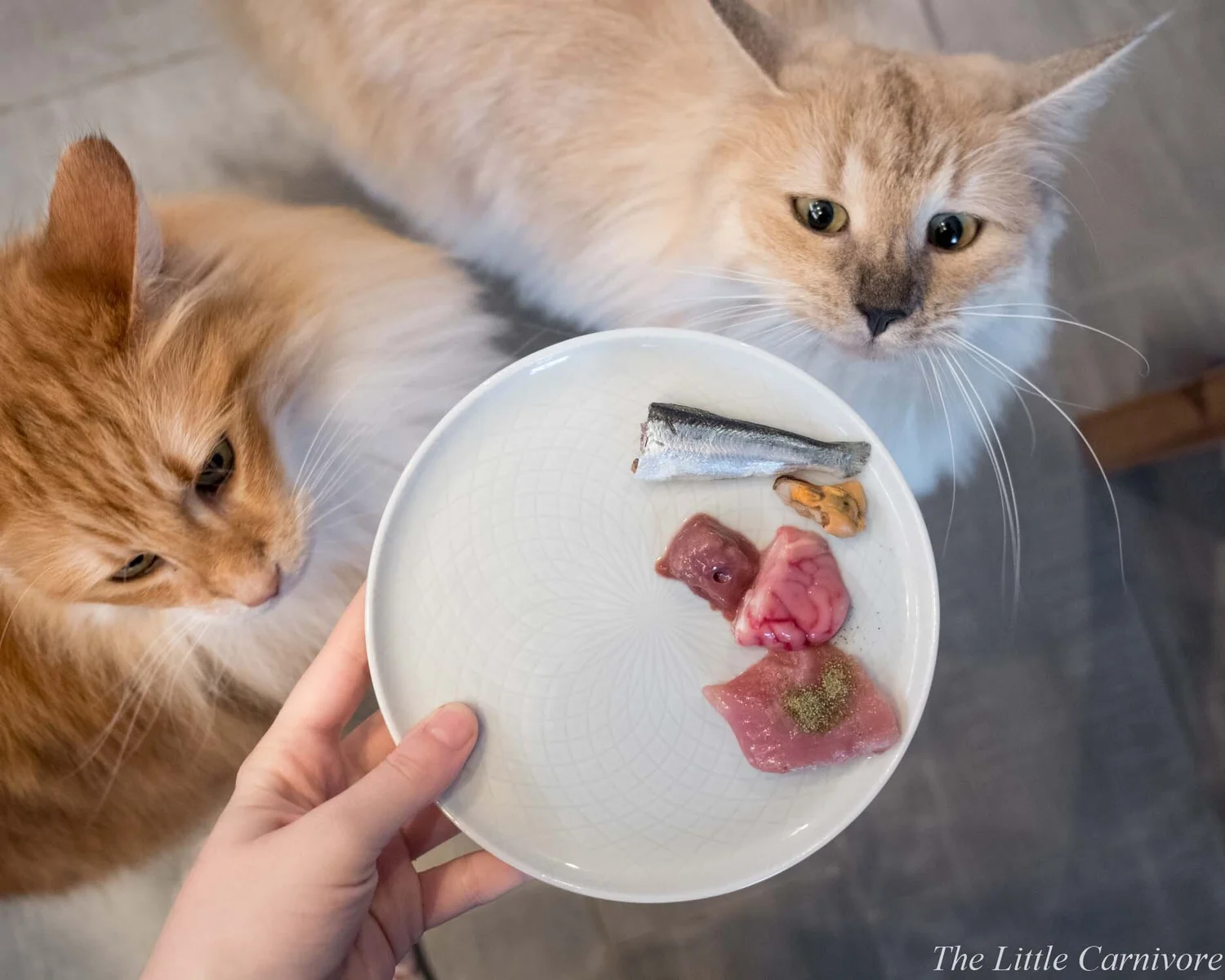
If you’ve ever stared at your cat’s food label and wondered about the mysterious “crude fiber” line, you’re not alone. As a cat owner, you know your feline companion is an obligate carnivore, built to thrive on meat, not plants — so it’s reasonable to ask: do cats actually need dietary fiber? The short answer is yes, but in small, carefully balanced amounts. Too little fiber can lead to digestive upset, hairballs, and weight gain, while too much can interfere with nutrient absorption and cause gastrointestinal distress. This guide breaks down exactly what fiber does for cats, how much they need, the best sources to include in their diet, and red flags to watch for, all aligned with current veterinary nutrition guidance. As noted by the Cornell University College of Veterinary Medicine, cats are obligate carnivores, meaning their digestive systems are evolutionarily optimized to derive most of their nutrients from animal tissue, not plant matter.
Are Cats Even Designed to Digest Fiber?
The Obligate Carnivore Digestive System
Cats have a short, acidic gastrointestinal tract and produce minimal carbohydrase enzymes, the compounds needed to break down plant-based carbs for energy. They also lack salivary amylase, the enzyme that starts carb digestion in humans and omnivores. This means cats cannot extract meaningful calories from fiber the way dogs or people can, which is why many owners assume it has no place in their diet at all. However, fiber still serves critical functional roles as it moves intact through the digestive tract, rather than being used as an energy source. You can also read our guide on can cats have freeze dried strawberries.
Why Small Amounts of Fiber Are Still Beneficial
Even though cats can’t digest fiber for fuel, it provides a range of health benefits when included in appropriate amounts. Fiber adds bulk to stool to stimulate regular bowel movements, slows gastric emptying to promote feelings of fullness, and ferments in the colon to produce short-chain fatty acids that fuel the cells lining the gut. For cats with specific health conditions like diabetes, hairball disorders, or chronic constipation, targeted fiber intake is often a core part of treatment plans recommended by veterinarians.
Types of Dietary Fiber for Cats
Not all fiber is created equal, and the type of fiber you choose will depend on your cat’s specific health needs. The three main categories of fiber used in feline nutrition each serve distinct purposes. You can also read our guide on does wet food hydrate cats.
Soluble Fiber: Benefits and Sources
Soluble fiber dissolves in water to form a gel-like substance that slows digestion and nutrient absorption. This makes it particularly useful for diabetic cats, as it prevents sharp spikes in blood sugar after meals. It also promotes feelings of satiety, which can help with weight management. Common safe sources of soluble fiber for cats include plain canned pumpkin, oat bran, and unsweetened apple pulp (avoid seeds and skin, which can cause irritation). In practice, most cats tolerate small amounts of plain pumpkin well, but avoid varieties with added spices, sugars, or sodium.
Insoluble Fiber: Benefits and Sources
Insoluble fiber does not dissolve in water and passes through the digestive tract largely intact, adding bulk to stool and speeding up intestinal transit. This makes it ideal for preventing constipation and moving ingested hair through the gut before it can be vomited up as a hairball. Common sources include cellulose, wheat bran, and dried beet pulp. Note that excessive insoluble fiber can irritate the gut lining in cats with inflammatory bowel disease, so it is not a one-size-fits-all solution. You can also read our guide on high sided cat litter box.
Fermentable Fiber: The Often Overlooked Type
Fermentable fiber is broken down by beneficial bacteria in the colon to produce short-chain fatty acids (SCFAs) that reduce gut inflammation, fuel colon cells, and support a healthy gut microbiome. A balanced microbiome is linked to better immune function and reduced risk of chronic gastrointestinal conditions in cats. Common fermentable fiber sources include chicory root, inulin, and beet pulp. Many high-quality commercial cat foods include small amounts of fermentable fiber to support long-term gut health, a detail many basic nutrition guides overlook.
Proven Benefits of Appropriate Fiber Intake
When provided in the correct amounts, fiber offers a range of evidence-based benefits for feline health.
Digestive Regularity and Hairball Reduction
Fiber increases stool bulk, which stimulates regular, painless bowel movements and prevents constipation, a common issue in sedentary or senior cats. For hairball management, insoluble fiber binds to ingested hair in the stomach and moves it through the intestines before it can accumulate into a vomit-inducing mass. While fiber helps reduce hairball frequency, it is not a replacement for regular grooming: reducing the amount of hair your cat ingests in the first place with regular at-home grooming routines will have a far greater impact on hairball severity. You can also read our guide on what sort of nutrition is needed for a sick cat.
Healthy Weight Management
Soluble fiber slows gastric emptying, so cats feel full for longer after meals, reducing begging and accidental overfeeding. For overweight cats, a high-fiber, calorie-controlled diet can support steady, safe weight loss of 0.5-1% of body weight per week, the rate recommended by veterinary nutritionists to avoid muscle loss. For cats that tend to overeat, pairing a high-fiber diet with an automated wet food feeder that dispenses measured portions at set times can help prevent accidental overfeeding while maintaining consistent nutrient intake.
Blood Sugar Regulation for Diabetic Cats
Soluble fiber slows the absorption of glucose from the intestines, preventing sharp spikes in blood sugar after meals. This can make insulin dosing more consistent and reduce the risk of dangerous hypoglycemia in diabetic cats. Any dietary changes for diabetic cats must be made in close consultation with your veterinarian to adjust insulin doses accordingly. You can also read our guide on do humans and pet dogs cats have similar nutritional requirements.
Gut Microbiome Support
Fermentable fiber feeds beneficial bacteria like Bifidobacterium and Lactobacillus in the colon, which outcompete harmful bacteria, reduce chronic gut inflammation, and support overall immune function. Veterinary nutritionists have observed that cats with a balanced gut microbiome are less likely to develop chronic conditions like inflammatory bowel disease and have more consistent stool quality over time.

High-quality commercial cat foods often include tailored fiber sources for specific health needs
Credit: researchoutreach.org
How Much Fiber Do Cats Actually Need?
The right amount of fiber for your cat depends on their age, health status, and lifestyle, but general guidelines can help you avoid common pitfalls.
General Recommendations for Healthy Adult Cats
Most commercial adult cat foods contain 1-3% crude fiber on a dry matter basis, which is sufficient for most healthy cats to reap the benefits of fiber without overwhelming their carnivore-optimized digestive system. Cats with no underlying health issues do not need supplemental fiber if they are eating a complete and balanced commercial diet.
Adjusted Needs for Kittens, Senior Cats, and Cats with Health Conditions
Kittens under 12 months old should eat diets with less than 2% crude fiber, as their digestive systems are still developing and high fiber can interfere with the absorption of essential nutrients needed for growth. Senior cats (11+ years) may benefit from slightly higher fiber (up to 4% dry matter) to support slower digestion and prevent constipation, which is common in older cats. Cats with chronic conditions like diabetes, inflammatory bowel disease, or severe hairball disorders may require prescription diets with tailored fiber levels, so always follow your veterinarian’s guidance for these cases.
Risks of Excessive Fiber Intake
Too much fiber (over 5% dry matter) can cause a range of negative side effects, including bloating, gas, soft or frequent stools, reduced absorption of protein, fat, and essential vitamins (like vitamin A and E), unintended weight loss, and increased water intake that can strain kidneys in cats with pre-existing kidney disease. A common mistake cat owners make is adding large amounts of fibrous human foods (like broccoli, spinach, or celery) to their cat’s diet, which can easily push fiber intake over the safe threshold and cause digestive upset.
Best Natural and Commercial Sources of Fiber for Cats
A balanced diet with appropriate fiber supports healthy digestion in cats
Credit: www.vetfood.pl
Whole Food Sources to Add to Meals
If your veterinarian recommends adding supplemental fiber to your cat’s diet, these whole food options are safe, affordable, and widely tolerated:
- Plain canned pumpkin (100% pumpkin, no spices or added sugar): 1 tsp per 10 lbs of body weight per day, mixed into wet food. Ideal for mild constipation or hairball relief.
- Cooked plain green beans: 1 tsp per 10 lbs of body weight per day, low in calories, good for weight management.
- Unsweetened, unflavored psyllium husk: 1/4 tsp per 10 lbs of body weight per day, mixed into food, good for cats with chronic constipation.
- Note: Avoid onions, garlic, grapes, raisins, and foods with added sugars or artificial sweeteners, all of which are toxic to cats.
Reading Cat Food Labels for Fiber Content
Crude fiber is listed on the guaranteed analysis panel of all commercial cat food labels, but the quality of fiber sources matters as much as the quantity. Look for named fiber sources (e.g., dried beet pulp, chicory root, dried pumpkin) rather than vague terms like “vegetable fiber” or “plant material” to ensure you’re choosing a nutritionally balanced commercial formula that meets your cat’s needs. Prescription diets for specific conditions will have fiber levels tailored to those needs, so don’t switch to a high-fiber over-the-counter diet without vet approval if your cat has a chronic illness.
When to Consider Fiber Supplements
Purified fiber supplements (like psyllium capsules or powdered cellulose) are useful for cats with severe gastrointestinal conditions who can’t tolerate whole food fiber sources, but they should only be given under veterinary supervision. Never give human fiber supplements that contain added flavors, sweeteners, or ingredients like xylitol, which is toxic to cats. For cats that prefer dry food, nutritionally complete wet food options often contain higher concentrations of natural, easily digestible fiber sources than standard dry kibble.

Pumpkin is a widely tolerated whole-food fiber source for cats with mild digestive upset
Credit: primalpetfoods.com
Signs Your Cat’s Fiber Intake Is Off
Many signs of imbalanced fiber intake overlap with other common feline health conditions, so always consult your veterinarian to rule out underlying issues before making dietary changes.
Signs of Inadequate Fiber
- Hard, dry stools that are difficult to pass, or visible straining in the litter box
- Frequent hairballs (more than 1-2 per week)
- Increased begging or overeating, leading to gradual weight gain
- Lethargy or low energy due to inefficient digestion
Signs of Excessive Fiber
- Loose, watery stools or diarrhea
- Frequent gas or bloating
- Unintended weight loss despite eating normal amounts
- Increased water consumption and urination
- Decreased energy or irritability due to digestive discomfort
If you’re tracking changes in your cat’s stool to assess fiber intake, a high-quality, easy-to-clean litter box will make it easier to spot inconsistencies in texture, frequency, or size early.
How to Safely Adjust Your Cat’s Fiber Intake
Step 1: Consult Your Veterinarian First
Before making any dietary changes, have your vet assess your cat’s overall health, weight, and digestive status. They can recommend the right type and amount of fiber for your cat’s specific needs, and rule out conditions that may mimic fiber deficiency (like intestinal parasites or hypothyroidism).
Step 2: Introduce Fiber Gradually
If your vet approves adding fiber to your cat’s diet, start with a tiny amount (1/4 tsp of plain pumpkin per 10 lbs of body weight) mixed into their regular food, and increase slowly over 7-10 days to avoid digestive upset. Abruptly adding large amounts of fiber is a common cause of diarrhea and bloating in cats.
Step 3: Monitor Your Cat’s Response
Track changes in their stool consistency, hairball frequency, weight, energy levels, and appetite. If you notice signs of digestive upset (diarrhea, gas, straining), reduce the fiber amount or stop entirely and consult your vet. If you’re preparing homemade meals for your cat, work with a veterinary nutritionist to ensure the diet is complete and balanced, as homemade diets often lack essential nutrients like taurine if not formulated correctly.
Frequently Asked Questions
What nutrition do cats need daily?
Cats require high levels of animal-based protein, essential amino acids (taurine, arginine, arachidonic acid), fatty acids, vitamins, and minerals every day. Fiber is a minor component of their diet, making up just 1-3% of their daily dry matter intake, and is not a required nutrient but a functional additive that supports digestive health.
Can too much fiber be bad for cats?
Yes. Excessive fiber (over 5% of dry matter) can cause digestive upset, reduced absorption of critical nutrients, unintended weight loss, and increased strain on the kidneys. Always introduce fiber gradually and follow your veterinarian’s dosage recommendations to avoid these risks.
How do I add fiber to my cat's food?
The safest way to add fiber is to mix small amounts of plain canned pumpkin, cooked green beans, or veterinarian-approved fiber supplements into your cat’s regular meals. Start with a tiny serving and increase slowly over 1-2 weeks to avoid digestive upset. Never add fibrous human foods like broccoli or celery in large amounts, as these can cause gas and bloating in cats.
Are fiber supplements good for cats?
Fiber supplements can be beneficial for cats with chronic constipation, diabetes, or inflammatory bowel disease, but they should only be used under veterinary supervision. Avoid human fiber supplements that contain added flavors, sweeteners, or toxic ingredients like xylitol.
Can fiber help with my cat’s diarrhea?
It depends on the root cause. Soluble fiber can help firm up stools in cases of mild, stress-related diarrhea, but fiber will worsen diarrhea caused by bacterial infections, parasites, or food intolerances. Always consult your veterinarian to diagnose the cause of diarrhea before adding fiber to your cat’s diet.
Final Takeaways
Fiber is a small but impactful component of feline nutrition, offering benefits for digestion, weight management, hairball control, and gut health when provided in the correct amounts. Because cats are obligate carnivores, their fiber intake should always be carefully balanced to avoid interfering with the absorption of critical animal-based nutrients they rely on. The safest approach to adjusting your cat’s diet is to work with your veterinarian to tailor fiber intake to their specific age, health status, and lifestyle. If you’re looking to upgrade your cat’s diet with high-quality, fiber-inclusive options, explore our guide to the top-rated nutritionally complete wet foods for cats to find a formula that supports their unique needs.