
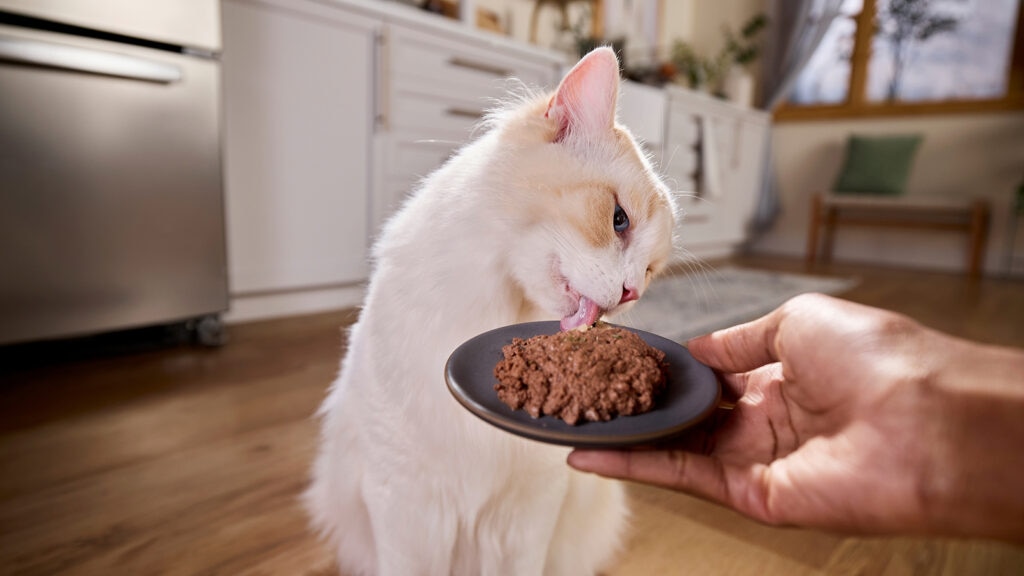
Have you ever wondered about the nutritional value of eating cat meat? This might seem like an unusual question, but it sparks curiosity about food choices that are unfamiliar to most.
As you explore this topic, you'll gain insight into cultural practices and dietary habits that are different from your own. This article dives into the nutritional content of cat meat and its potential health implications. Get ready to uncover surprising facts that challenge conventional thinking, and discover if this controversial dish is truly worth considering.
Stay with us to unravel the mystery and satisfy your curiosity.
Credit: www.facebook.com
Cultural Practices And Beliefs
Eating cat meat, though culturally significant in some regions, poses nutritional and ethical concerns. The protein content may be comparable to other meats, but health risks and ethical debates often overshadow its nutritional value. Understanding these practices requires sensitivity to cultural beliefs and ethical considerations.
Cultural practices and beliefs surrounding the consumption of cat meat vary significantly across the globe. In some regions, it's seen as a delicacy and a part of traditional culinary practices. However, this topic often stirs strong emotions and ethical debates.
Historical Context
Throughout history, cat meat has been consumed in various parts of the world. In times of scarcity, communities have turned to cats as a source of nutrition. Understanding the historical context can provide insights into current practices.
Regional Practices
Different cultures have distinct ways of preparing and consuming cat meat. In some Asian countries, cat meat is a traditional dish and is believed to bring warmth to the body during cold seasons. It might surprise you to learn how these culinary traditions have been passed down through generations.
Spiritual Beliefs
Spiritual beliefs can significantly influence dietary choices. In certain cultures, consuming cat meat is thought to bring good luck or ward off evil spirits. Have you ever wondered how deeply spiritual beliefs can impact what people eat?
Ethical Considerations
The ethical implications of consuming cat meat are a hotly debated topic. Many people view cats as beloved pets, leading to strong opposition against eating them. Where do you stand on this ethical dilemma, and how do cultural beliefs shape your perspective?
Modern Perspectives
Today, attitudes towards eating cat meat are shifting in many regions. With globalization and the rise of animal rights movements, more people are questioning traditional practices. How do these modern perspectives influence cultural traditions and dietary choices? Understanding cultural practices and beliefs around eating cat meat offers a fascinating glimpse into human behavior and societal norms. It's a topic that challenges us to consider how culture shapes our food choices and ethical standards.

Credit: www.catster.com
Nutritional Composition Of Cat Meat
Exploring the nutritional composition of cat meat unveils surprising insights into its potential dietary benefits. While it's not a common food choice in many cultures, understanding what cat meat offers nutritionally can provide a broader perspective on global dietary practices. Here, we delve into its protein content, vitamins and minerals, and caloric value to give you a comprehensive understanding.
Protein Content
Cat meat is rich in protein, a vital nutrient for building and repairing tissues in the body. It provides a comparable amount of protein to other traditional meats like chicken and beef. This makes it a potential source for those seeking alternative protein options.
If you're an adventurous eater, considering cat meat might offer a unique protein profile that could vary based on the cat's diet and lifestyle. Could this unconventional meat provide the protein diversity you've been missing?
Vitamins And Minerals
Cat meat contains essential vitamins and minerals, including iron, zinc, and B vitamins. These nutrients are crucial for maintaining healthy bodily functions, such as oxygen transport and metabolism.
Eating cat meat might offer an unexpected source of these nutrients. Have you ever wondered how different meats contribute to your vitamin intake? Exploring such options could enhance your nutritional variety.
Caloric Value
The caloric value of cat meat is relatively moderate, making it a viable option for those mindful of their caloric intake. It's similar to other lean meats, which can be beneficial for maintaining a balanced diet.
Balancing caloric intake with nutritional benefits is key to a healthy lifestyle. Could cat meat fit into your dietary plan as a unique, calorie-conscious choice?
Health Implications
Exploring the nutritional value of eating cat raises ethical and health concerns. Cats are not typically consumed as food, and their meat lacks significant nutritional benefits compared to conventional protein sources. Consuming cat meat may pose health risks due to potential diseases.
Eating cat meat, while controversial and uncommon in many cultures, raises questions about its nutritional value and health implications. Understanding the potential benefits and risks associated with consuming cat meat can help you make informed choices. Let's break it down further.
Potential Benefits
Cat meat is a source of protein, which is essential for building and repairing tissues in your body. Just like other meats, it can contribute to your daily protein intake, supporting muscle growth and overall health. Some might argue that, in certain regions where food is scarce, consuming available animals like cats might be a necessity rather than a choice. This perspective highlights how cultural and environmental factors can influence dietary habits. Cat meat might also contain essential vitamins and minerals similar to those found in more commonly consumed meats. However, the exact nutritional content can vary based on the cat's diet and lifestyle.
Risks And Concerns
Consuming cat meat poses several health risks. Cats can carry diseases like toxoplasmosis and rabies, which can be transmitted to humans. Proper cooking can reduce these risks, but it might not eliminate them entirely. There are ethical and moral concerns associated with eating cats, especially in cultures where they are considered beloved pets. This can lead to social and emotional conflict, impacting your mental well-being. The legality of consuming cat meat varies across regions. Engaging in this practice might expose you to legal issues, affecting your personal and professional life. Always ensure you understand local laws and regulations. Considering these factors, would the potential protein benefits outweigh the health risks and ethical dilemmas? The decision ultimately lies with you, weighed carefully against personal beliefs and societal norms.

Credit: www.facebook.com
Ethical And Moral Considerations
Discussing the nutritional value of eating cats raises ethical and moral questions. People have different beliefs and values about consuming animals. These considerations impact decisions and societal norms. Recognizing these factors helps understand why eating cats is controversial.
Animal Rights
Animal rights advocate for the humane treatment of all creatures. Many view cats as companions, not food. This belief is widespread in regions where cats are seen as pets. Consuming them may violate principles of compassion and respect for sentient beings. Animal rights activists argue for protecting cats from harm and exploitation. This perspective influences laws and cultural attitudes against eating cats.
Cultural Sensitivities
Different cultures have unique relationships with animals. In some, cats symbolize luck or are revered. Eating cats might offend those who hold them in high regard. Cultural sensitivities shape perceptions and practices around animal consumption. Respecting these differences fosters understanding and harmony. It’s important to be aware of how actions may affect diverse groups. Sensitivity to cultural beliefs can guide ethical decisions about food choices.
Regulatory And Legal Aspects
Exploring the legality of eating cats involves understanding regulations that vary globally. Many countries enforce strict laws to protect animal welfare. It's crucial to check local laws and ethical considerations before discussing nutritional aspects.
Regulatory and legal aspects play a critical role in determining what foods are permissible and safe to consume. When considering unconventional foods, like cat meat, understanding these regulations is essential. These laws not only protect consumers but also ensure ethical treatment of animals and environmental sustainability.
Understanding Local Laws
Before even thinking about eating cat meat, it's crucial to know the local laws. In many countries, consuming cat meat is illegal and can lead to severe penalties. Always research your local regulations to avoid any legal trouble.
International Regulations
Different countries have varying stances on eating cat meat. While some may have no specific laws, others strictly prohibit it. The World Health Organization also provides guidelines that many countries follow to ensure public health safety.
Ethical Considerations
Regulations often stem from ethical concerns about animal welfare. Consider why these laws are in place and reflect on your personal values. Would you feel comfortable consuming an animal that is commonly kept as a pet?
Food Safety Concerns
Legal restrictions often aim to protect consumers from potential health risks. Eating cat meat can pose risks if not properly handled or cooked. Regulatory bodies enforce laws to ensure that any meat consumed is safe and free from disease.
Implications For Travelers
If you're traveling and considering trying local cuisines, be aware of the legal landscape. What might be a delicacy in one culture could be illegal in another. Always double-check local laws to ensure you're not inadvertently breaking any rules. --- Understanding the regulatory and legal frameworks around unconventional foods is essential. It not only keeps you on the right side of the law but also encourages thoughtful and informed food choices. What are your thoughts on consuming unconventional meats? Would the legal aspects influence your decision?
Public Perception And Stigma
Public perception often views eating cats with stigma due to cultural and ethical reasons. Nutritional value discussions are rare, overshadowed by ethical concerns. This topic stirs strong emotions and debates about dietary choices and animal rights.
Public perception and stigma surrounding the consumption of cat meat is a topic that's both controversial and deeply emotional. In many cultures, cats are cherished companions, making the idea of eating them unsettling. Yet, in certain regions, it's a traditional practice. This cultural divide often leads to heated debates and misunderstandings.
Societal Views On Cat Consumption
In countries like China and Vietnam, cat meat has been consumed for generations. Some view it as a delicacy, while others see it as an affordable protein source. On the other hand, Western societies largely view cats as beloved pets. This stark contrast often creates a stigma that labels those who eat cat meat as unethical or cruel.
Impact Of Media And Pop Culture
Media plays a significant role in shaping public perception. Movies and television often portray cats as cute and lovable, reinforcing the idea that they should not be eaten. Social media also amplifies this, with viral cat videos further solidifying their status as family members rather than food. This portrayal heavily influences public opinion, making the idea of consuming cat meat even more taboo.
Cultural Sensitivity And Respect
Understanding the cultural context is crucial. While you may find the idea of eating cat meat uncomfortable, it's important to respect different cultural practices. Engaging in open conversations can help bridge gaps in understanding. Have you considered how your dietary choices might be perceived by others from different backgrounds?
Potential For Change
As global awareness increases, so does the potential for change in dietary habits. Animal rights organizations are working to shift perceptions and encourage alternative protein sources. Could increased global dialogue lead to a decline in cat consumption in favor of more universally accepted meats? You might be surprised at how quickly societal norms can evolve with informed discussions.
Frequently Asked Questions
Is Eating A Cat Nutritious?
Eating a cat is not recommended and is illegal in many countries. It does not provide significant nutritional benefits compared to conventional meats. Consuming domesticated animals can pose ethical, legal, and health risks. Opt for healthier, legally approved protein sources to meet nutritional needs.
How Many Calories Are In A Cat To Eat?
Cats are not meant to be eaten. Consuming a cat is illegal and unethical in many places. If you're inquiring about feeding a cat, adult cats typically need 200-300 calories daily, depending on their activity level and size. Always consult a veterinarian for specific dietary needs.
What Is The Nutrition Of A Cat?
Cats need a balanced diet rich in protein, fats, vitamins, and minerals. Their primary protein sources should be meat, fish, or poultry. They also require taurine, an essential amino acid. Fresh water is crucial for hydration. Consult a vet for specific dietary needs based on age, weight, and health.
How Nutritious Is Cat Food For Humans?
Cat food is not suitable for humans. It lacks essential nutrients required for human health. Consuming cat food can lead to nutritional imbalances. It is designed specifically to meet feline dietary needs, not human requirements. Always opt for food products meant for human consumption for a balanced diet.
Conclusion
Understanding the nutritional value of eating cat is crucial. Many cultures include it in their diet. Exploring this topic opens new perspectives. Nutritional benefits and ethical concerns come into play. Balance is key in dietary choices. Every culture has unique food traditions.
Respect and curiosity drive meaningful discussions. Awareness helps in making informed decisions. It's vital to understand cultural differences. This knowledge enriches global understanding. Make thoughtful choices about your diet. Learn and respect diverse eating habits. Embrace cultural diversity in food.
These discussions lead to a richer life experience.