

If you’ve ever caught your cat mid-meal and wondered if their wet food or crunchy kibble could pass as a human snack, you’re not alone. Social media trends, economic hardship, and curiosity have led thousands of people to test the limits of pet food as a human food source, with many asking: do humans actually gain any nutritional benefit from eating cat food, or is this a risky, unnecessary habit?
In this guide, we break down the exact nutritional composition of commercial cat food, compare feline and human dietary needs, outline proven safety risks, and address edge cases where cat food may be a last-resort option. We also debunk common myths and share safer, more nutritious alternatives for anyone considering cat food for cost or convenience reasons. You can also read our guide on what sort of nutrition is needed for a sick cat.
What’s Actually In Commercial Cat Food?
Commercial cat food is formulated exclusively to meet the nutritional requirements of obligate carnivores, not omnivorous humans. To understand if it offers any benefit for people, it’s first critical to break down its core components and how they align (or don’t) with human dietary needs.
Core Nutrient Profiles for Felines
Most commercial wet cat food contains 30-40% protein on a dry matter basis, while dry kibble ranges from 35-50% protein, far exceeding the USDA’s recommended 10-35% daily protein intake for adult humans. Cat food is also fortified with taurine, an amino acid cats cannot synthesize on their own, at levels of 1000-2000mg per kilogram of food. Humans produce taurine naturally in the liver, so excess intake offers no benefit and can cause gastrointestinal distress or liver strain over time. You can also read our guide on do cats need dietary fiber feline nutrition.
Cat food also contains 2-5x the recommended daily intake of vitamin A for humans per serving, as felines require far higher levels of this fat-soluble vitamin to support vision and immune function. Unlike humans, cats can also synthesize vitamin C in their liver, so cat food contains zero added vitamin C, a nutrient humans must consume daily to avoid scurvy.
Additives and Preservatives Not Standard For Human Food
To extend shelf life and improve palatability for cats, many commercial cat food lines contain artificial preservatives like BHA, BHT, and ethoxyquin, which are restricted in some human food products due to potential long-term health risks. Some lower-quality lines also include animal byproducts, grain fillers, and artificial flavorings that are not held to the same labeling standards as human food, meaning cross-contamination with common human allergens (like peanuts or soy) may not be disclosed. You can also read our guide on do cats need wet food and dry food.
Regulatory Differences Between Pet and Human Food
In the U.S., pet food is regulated by the FDA’s Center for Veterinary Medicine, which enforces far less stringent testing for pathogens, contaminants, and nutrient consistency than the standards required for human-grade food. Pet food batches are not required to undergo the same salmonella and listeria testing as human food, and recalls for contamination are often issued only after reports of pet illness, not proactive screening.
Commercial cat food is engineered to meet strict species-specific dietary needs that differ drastically from human requirements.

Commercial wet cat food is formulated to meet strict feline nutrient thresholds, not human dietary needs.
Credit: www.nytimes.com
Core Differences Between Human and Cat Dietary Needs
While both species require protein, fats, vitamins, and minerals to survive, the types, amounts, and forms of these nutrients are nearly opposite for cats and humans, making cat food a poor fit for human nutrition.
Metabolic Variations That Make Cat Food Unsuitable For Humans
Cats are obligate carnivores, meaning they derive nearly all their energy from animal protein and fat, with minimal need for carbohydrates. Humans are omnivores, requiring a balanced mix of protein, complex carbohydrates, and fiber to support gut health, stable energy levels, and overall bodily function. The average cat food serving contains less than 2% fiber, far below the 25-30g of daily fiber recommended for adult humans by the USDA. Regular consumption of low-fiber cat food leads to constipation, gut dysbiosis, and increased risk of colorectal issues in humans.
The USDA’s Dietary Guidelines for Americans recommend adults consume 10-35% of their daily calories from protein, 45-65% from carbohydrates, and 20-35% from fats, a balance that no cat food formulation is designed to meet.
Nutrients Cats Need That Are Toxic In Excess For Humans
As noted earlier, the high vitamin A content in cat food is a key risk for humans: the fat-soluble vitamin accumulates in the body over time, and regular consumption of cat food can lead to hypervitaminosis A, a condition that causes nausea, blurred vision, liver damage, and birth defects in pregnant people. Excess taurine from cat food can also put unnecessary strain on the kidneys, especially for people with pre-existing kidney disease.
Nutrients Humans Need That Are Missing From Cat Food
Cat food contains no vitamin C, a critical nutrient for human immune function and collagen production. It also lacks the complex carbohydrates and phytonutrients found in whole grains, fruits, and vegetables that reduce risk of chronic diseases like heart disease and type 2 diabetes. Even the protein in cat food is formulated for feline amino acid requirements, not human muscle repair and growth, so it offers no advantage over human-grade protein sources for active people.
While there is some cross-species nutrient overlap between felines and humans, the required amounts and forms of these nutrients vary widely.
Safety Risks of Regular Human Consumption of Cat Food
While a single accidental bite of cat food is unlikely to cause lasting harm for most healthy adults, regular consumption carries proven short- and long-term health risks, exacerbated by the lower safety standards for pet food production.
Short-Term Gastrointestinal Risks
In practice, most people who sample cat food out of curiosity report immediate gastrointestinal distress, including bloating, nausea, vomiting, and diarrhea, within 1-2 hours of consumption. This is due to the extremely high fat and protein density of cat food, which human digestive systems are not evolved to process in large volumes. For people with sensitive stomachs, IBS, or pancreatitis, even a small serving can trigger a severe flare-up.
Long-Term Health Implications
Regular consumption of cat food, even in small amounts, leads to gradual nutrient imbalances. The excess vitamin A and taurine accumulate in the body over months or years, increasing risk of liver damage, kidney strain, and neurological issues. The complete lack of vitamin C and fiber leads to scurvy, constipation, and increased risk of chronic disease over time.
Allergen and Contamination Risks
Unlike human food, cat food is not required to list all potential cross-contaminants on its label. Common cat food ingredients like fish, chicken, beef, and grains are top human allergens, and people with severe allergies may experience life-threatening anaphylaxis from hidden cross-contact. Additionally, the lower pathogen testing standards for pet food mean batches may carry low levels of salmonella, listeria, or mycotoxins that would trigger an immediate recall if sold for human consumption.
Pet food sold in the U.S. is regulated by the FDA’s Center for Veterinary Medicine, which enforces FDA guidelines for pet food safety and labeling that are far less rigorous than the standards required for human-grade food.
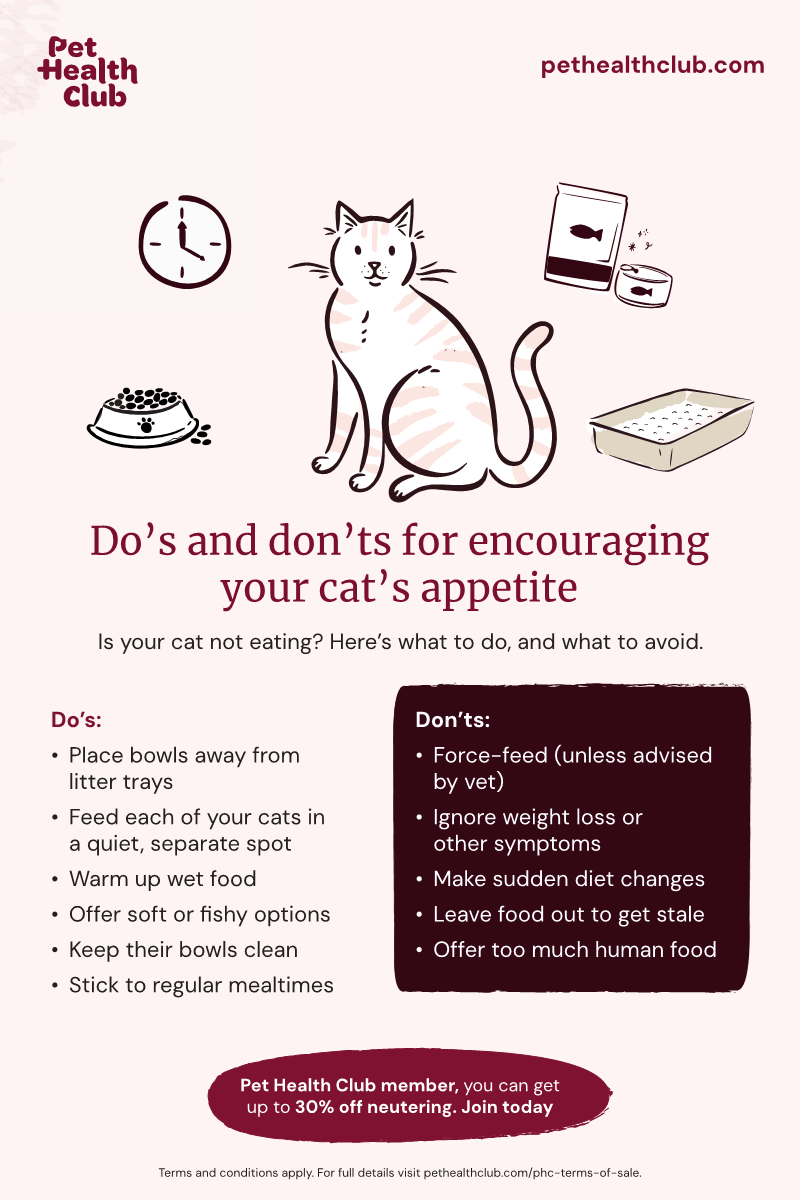
Proper feline nutrition supports healthy appetite and long-term health for cats, but these formulations offer no benefit for humans.
Credit: www.pethealthclub.com
Edge Cases: Is Cat Food Ever A Useful Nutritional Source For Humans?
While cat food is never a recommended part of a regular human diet, there is one narrow scenario where it may serve a limited purpose: emergency survival situations.
Emergency Survival Scenarios
FEMA includes shelf-stable canned cat food as a last-resort option in its emergency supply guidelines, to be used only when no human-grade food or clean water is available. Canned cat food has a shelf life of 2-5 years, is high in protein and calories, and provides more hydration than dry kibble, making it a better last resort than going without food entirely. However, it should be discarded as soon as human-grade food becomes available, and consumed in small amounts to avoid GI upset.
If you are building an emergency supply, opt for nutritionally dense wet options designed for cats, as they have a longer shelf life and higher moisture content than dry kibble. For long-term emergency storage, shelf-stable wet food paired with an automated wet food dispenser can help rotate stock and reduce waste.
Why Cat Food Is Not A Viable Option For Budget Or Convenience
Many people consider cat food as a cheap, convenient alternative to human food, but this is a false economy. The average serving of canned cat food costs $0.50-$1.00, roughly the same as a serving of canned beans, eggs, or frozen chicken, all of which are formulated for human nutrition and lack the toxic excess nutrients found in cat food. The long-term health costs of nutritional deficiencies, kidney strain, or digestive issues from regular cat food consumption far outweigh any short-term cost savings.
Many budget cat food lines contain artificial preservatives and fillers that offer no nutritional value for either species, which is why it is critical to select high-quality feline diets if you are purchasing cat food for any purpose.
Common Misconceptions About Eating Cat Food
Misinformation about pet food as a human food source is widespread online, leading many people to take unnecessary health risks. Below are the most common myths, debunked:
- Myth 1: High protein content makes cat food ideal for muscle building. Cat food’s protein is formulated for feline muscle maintenance, not human muscle synthesis. Excess protein that the human body cannot use is excreted as waste, placing unnecessary strain on the kidneys, and cat food lacks the carbohydrates and micronutrients needed to support post-workout recovery for humans.
- Myth 2: Cat food is a cheap, healthy alternative to human food. As noted earlier, cat food costs roughly the same as budget human protein sources, and its toxic excess nutrients and missing micronutrients make it far less healthy long-term.
- Myth 3: If it’s safe for cats, it’s safe for humans. Species-specific metabolic pathways mean nutrients that are essential or harmless for cats can be toxic for humans in high amounts. Vitamin A, for example, is vital for feline vision but causes liver damage and birth defects when consumed in excess by humans.
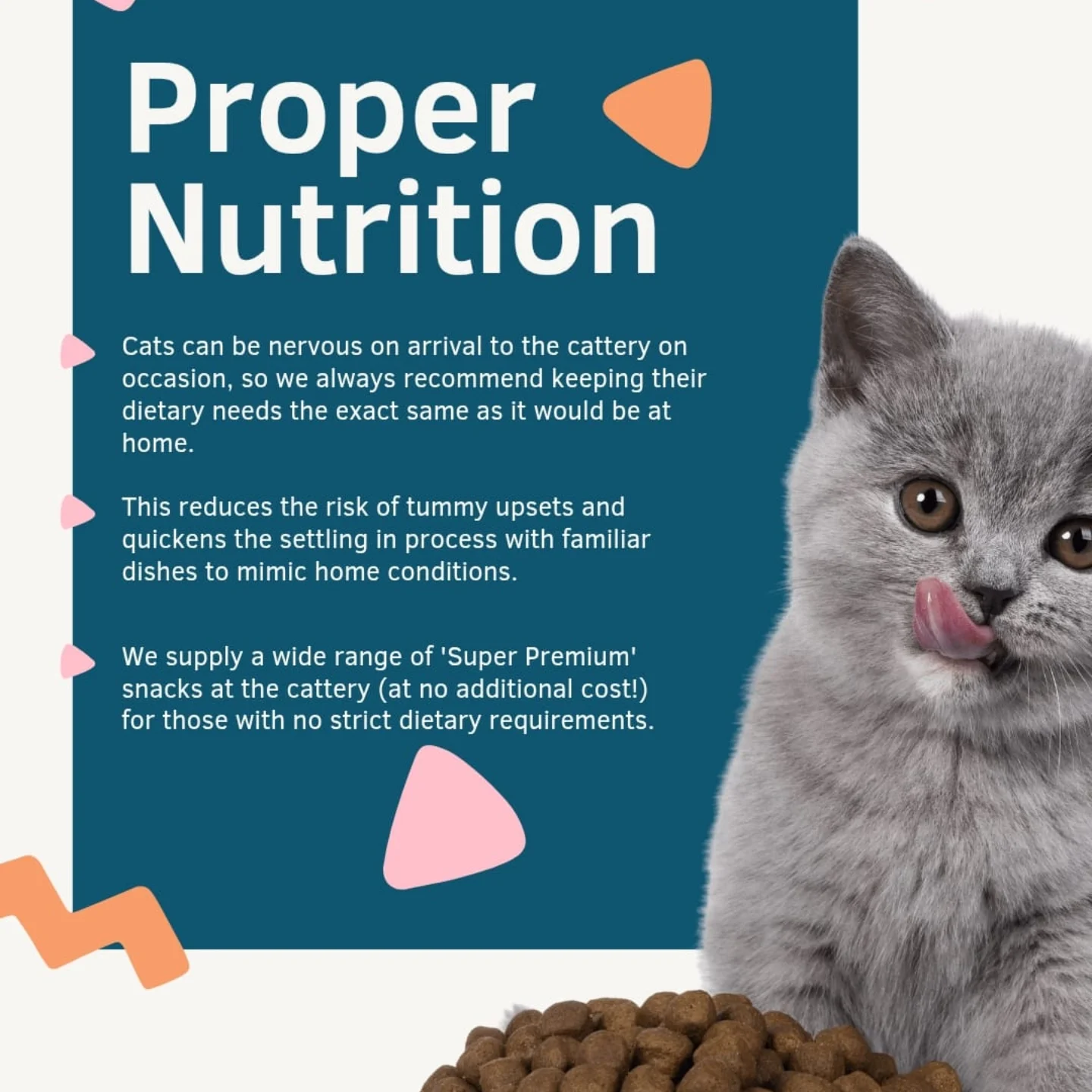
Cat food is designed to support the unique metabolic needs of obligate carnivores, not human physiology.
Credit: www.facebook.com
Better Alternatives To Cat Food For Human Nutrition
If you are considering cat food for cost, convenience, or emergency purposes, there are far safer, more nutritious alternatives formulated specifically for human dietary needs:
- Budget-friendly human-grade protein sources: Canned beans, lentils, eggs, frozen chicken breast, and canned tuna cost the same or less per serving than cat food, and are formulated to meet human nutritional requirements without toxic excess nutrients.
- Shelf-stable emergency food options: Human-grade MREs (Meals Ready to Eat), meal replacement bars, and freeze-dried meals have a shelf life of 5-25 years, are formulated to meet all human daily nutrient requirements, and are regulated to the same safety standards as all human food.
- Resources for people facing food insecurity: If you are struggling to afford consistent human food, contact your local food bank, community pantry, or 2-1-1 service to access free, safe human-grade food options. Relying on pet food long-term will lead to costly, preventable health issues.
If you are struggling to access affordable, nutritious human food, reach out to your local food bank or community support program for free, safe options tailored to human dietary needs.
Frequently Asked Questions
Can a single bite of cat food harm me?
For most healthy adults, a single accidental bite of cat food will not cause lasting harm, but may trigger mild gastrointestinal upset like nausea or bloating. Regular consumption, even in small amounts, can lead to gradual nutrient buildup (like excess vitamin A) or nutritional gaps over time.
Is any cat food approved for human consumption?
No. All commercial cat food is labeled "for animal consumption only" per FDA regulations, and no brand has received GRAS (Generally Recognized As Safe) status for human intake. No cat food is manufactured to meet human food safety standards.
Can I eat cat food in a survival situation?
Canned cat food may be used as an absolute last resort in survival scenarios when no human-grade food or clean water is available, per FEMA emergency guidelines. Prioritize canned wet food over dry kibble for hydration, and stop consumption as soon as human-grade food is accessible. Discard any cat food that is past its expiration date, smells sour, or shows signs of mold.
I can’t afford human food right now. Is cat food a safe temporary option?
No. Relying on cat food for any length of time will lead to nutritional deficiencies and health issues that are far more expensive to treat than accessing free human food. Reach out to your local food bank, community pantry, or 2-1-1 service immediately to access free, safe human-grade food options. Many communities also have SNAP benefits programs that provide monthly stipends for human food purchases.
Final Verdict: Do Humans Gain Nutrition From Cat Food?
The short answer is no: cat food provides no unique or beneficial nutritional value for humans, and regular consumption carries proven health risks. While a single accidental bite is unlikely to cause harm, cat food is formulated exclusively for the unique metabolic needs of obligate carnivores, not omnivorous humans.
The high levels of vitamin A, taurine, and animal protein in cat food offer no benefit for human health, and can cause liver damage, kidney strain, and gastrointestinal distress with regular intake. The lack of vitamin C, fiber, and complex carbohydrates in cat food also leads to dangerous nutritional gaps over time.
The only scenario where cat food may serve a limited purpose is as an absolute last resort in emergency survival situations, with no human-grade food available. For all other use cases, there are cheaper, safer, more nutritious human food alternatives available. If you are considering cat food due to cost or convenience, prioritize human-grade options that are formulated to meet your dietary needs, and reach out to local support services if you are facing food insecurity. Your long-term health depends on consuming food designed for human physiology, not the needs of your feline companion.