
Are you curious about adding a sprinkle of nutritional yeast to your cat's diet? You're not alone.
Many cat owners are exploring new ways to enhance their pet's meals with nutritious ingredients. But is nutritional yeast safe for your feline friend? We'll uncover the truth about this popular supplement and its potential benefits for your cat. You'll discover why some cat owners swear by it, while others remain cautious.
By the end, you'll have the knowledge you need to make an informed decision about whether nutritional yeast is right for your furry companion. Dive in to find out more!
Nutritional Yeast Basics
Understanding the basics of nutritional yeast can open up a world of flavor and nutrition for both humans and, surprisingly, for cats too. This versatile ingredient is often celebrated for its cheesy, nutty taste and impressive nutrient profile. But what exactly is nutritional yeast, and how can it fit into a balanced diet?
What Is Nutritional Yeast?
Nutritional yeast is a deactivated form of yeast, often derived from a strain of Saccharomyces cerevisiae. It's sold in the form of flakes or powder and is yellow in color. Unlike baker's or brewer's yeast, nutritional yeast is specifically grown to be a food product and is not alive.
This yeast is rich in B-vitamins and is often fortified with vitamin B12, making it a popular choice among vegans and vegetarians. Its savory taste and nutritional content make it a favorite addition to various recipes.
Common Uses In Human Diet
Many people sprinkle nutritional yeast on popcorn or pasta to add a cheesy flavor without the dairy. It’s also used to enhance the taste of soups, sauces, and even salads. For those seeking a dairy-free alternative, nutritional yeast can be blended into creamy dressings or dips.
During my own journey to reduce dairy intake, I discovered that adding a tablespoon of nutritional yeast to mashed potatoes created a deliciously rich flavor. Have you experimented with nutritional yeast in your meals yet?
Its versatility allows it to be an easy addition to your diet, providing a nutrient boost without altering the taste profile of your favorite dishes. Whether you’re vegan or just exploring new flavors, nutritional yeast can be a game-changer in the kitchen.
Credit: www.facebook.com
Benefits For Cats
Cats can safely enjoy nutritional yeast as a tasty treat. This natural ingredient is rich in B-vitamins, supporting healthy skin and fur. Plus, its savory flavor is appealing to cats, making it a delightful addition to their diet.
Cats can enjoy nutritional yeast as a beneficial supplement. This tasty addition offers several advantages for your feline friend. It can boost their health and provide essential nutrients.
Nutritional Content
Nutritional yeast is rich in B vitamins. It includes B1, B2, B3, and B6. These vitamins support healthy skin and coat. They also aid energy levels and metabolism. Nutritional yeast contains protein too. It helps maintain muscle strength. Amino acids in yeast are essential for growth and repair.
Potential Health Advantages
Nutritional yeast can boost a cat's immune system. It contains antioxidants that fight free radicals. This may reduce illness risk. It supports digestive health as well. Yeast can improve gut flora balance. A healthy gut aids nutrient absorption. Nutritional yeast might calm nerves too. It has calming properties for anxious cats.
Risks And Concerns
Nutritional yeast is often hailed as a superfood for humans, but when it comes to our feline friends, caution is advised. It's important to understand the potential risks and concerns associated with feeding nutritional yeast to cats. While it can offer certain benefits, there are also adverse effects you need to be aware of to keep your cat safe and healthy.
Possible Adverse Effects
Feeding nutritional yeast to cats can sometimes lead to digestive upset. This might manifest as diarrhea or vomiting. Such reactions occur because cats have sensitive digestive systems that can be overwhelmed by new or rich foods.
Moreover, nutritional yeast is high in phosphorus and magnesium. High intake of these minerals can lead to urinary issues, especially in cats with existing health problems.
Consider your cat's individual health before introducing nutritional yeast. Have you consulted your vet about any dietary changes?
Signs Of Overconsumption
While nutritional yeast might seem harmless in small amounts, overconsumption can pose significant risks. One key sign of overconsumption is excessive thirst or urination. This might indicate that your cat's kidneys are struggling to cope with the high mineral content.
Weight gain can also be a sign. Nutritional yeast is calorie-dense and can contribute to obesity if consumed in large quantities.
Watch for behavioral changes too. Is your cat more lethargic or less playful than usual? These could be red flags indicating that their diet needs adjustment.
Keeping an eye on these signs can help you make informed decisions about your cat's diet. Are you regularly monitoring your pet’s health and habits?

Credit: thelittlecarnivore.com
Safe Feeding Practices
Nutritional yeast can be a tasty treat for cats in small amounts. It's rich in B-vitamins and adds flavor. Always ensure it's free from added garlic or onions, which are harmful to cats.
Safe Feeding Practices When it comes to feeding your feline friend nutritional yeast, safety should be your top priority. This delightful sprinkle of flavor and nutrients can be a treat for your cat, but moderation and proper guidance are key. Before you start, it's wise to understand the safe feeding practices that ensure your cat enjoys the benefits without any downsides.
Recommended Amounts
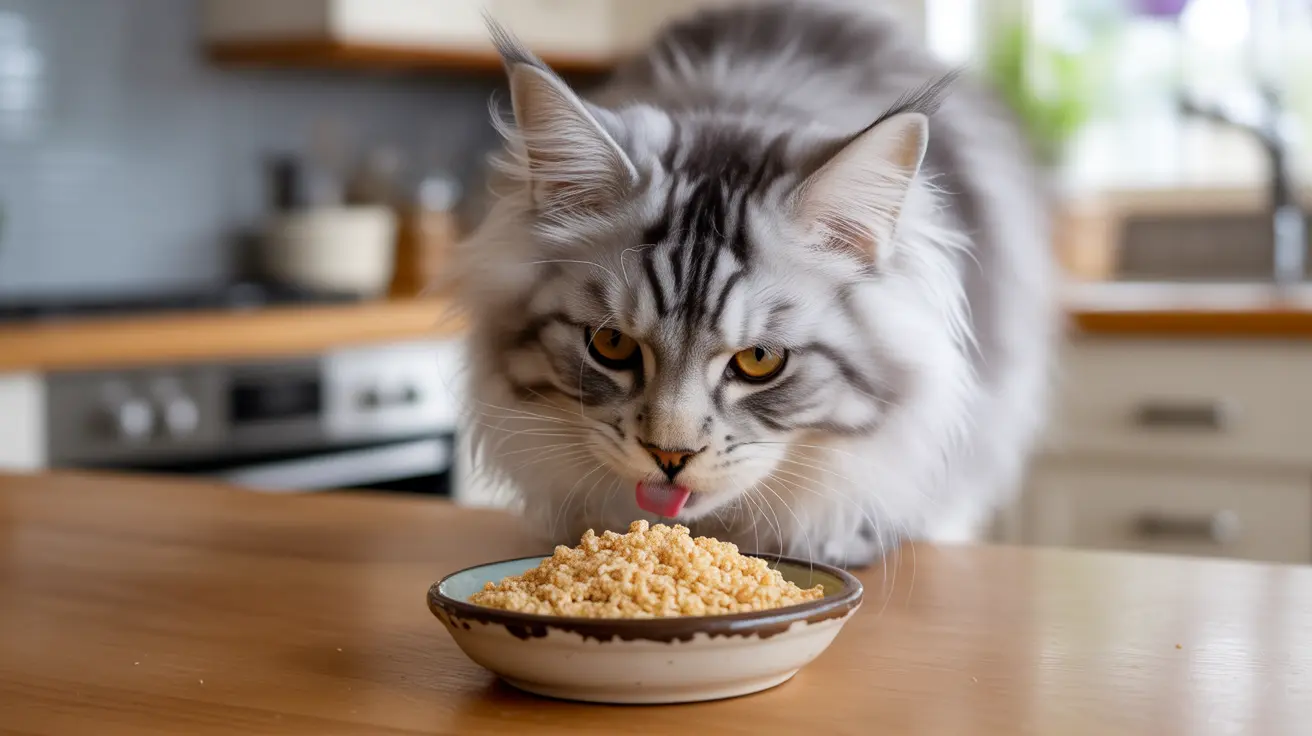
A small pinch of nutritional yeast can be enough to tantalize your cat's taste buds. Typically, a teaspoon or less is recommended per meal. Too much can lead to digestive upset or other health issues, so keep it light. A friend of mine started with a tiny sprinkle on her cat's food and found her cat loved it! Use this as a guide to find what works best for your feline.
Frequency Of Feeding
Nutritional yeast should be an occasional treat rather than a daily staple. Consider adding it to their meal once or twice a week. This frequency ensures your cat doesn't miss out on its regular nutrition from other food sources. You might wonder if your cat will miss it on other days. Cats quickly adapt to new routines, so they'll likely be just as excited when they see it again. Does your cat have a favorite food that you occasionally enhance with nutritional yeast? Share your experiences or questions below!
Alternatives To Nutritional Yeast
Cats often enjoy the taste of nutritional yeast, but some alternatives are safer. Brewer's yeast is a popular choice. It's rich in B vitamins and considered safe for cats. Flaxseed meal offers omega-3 fatty acids, supporting a healthy coat. Always consult a vet before changing your cat's diet.
If you're considering adding nutritional yeast to your cat's diet, you might be wondering about alternatives that can offer similar benefits. Nutritional yeast is popular for its rich flavor and potential health benefits, but it's not the only option. You have several other choices that can provide your feline friend with essential nutrients.
Other Supplements
Cats often benefit from supplements that can enhance their health and vitality. Brewer's yeast is a fantastic alternative. Like nutritional yeast, it contains B vitamins and can support your cat's coat and overall energy levels. Fish oil is another excellent choice. It's rich in omega-3 fatty acids, which can improve your cat's skin and joint health. Don't forget about probiotics. These supplements support digestive health and can enhance your cat's immune system. They are especially useful if your cat often experiences stomach issues.
Natural Food Sources
Incorporating natural food sources into your cat's diet can be both healthy and rewarding. Cooked chicken offers lean protein and essential nutrients that support muscle growth and repair. Eggs are another superb option. They are packed with protein, amino acids, and various vitamins and minerals that your cat needs. Consider adding salmon to your cat's meals. It's a delicious source of omega-3 fatty acids, which promote a shiny coat and healthy heart. Have you ever tried feeding your cat small amounts of pumpkin? It's high in fiber and can aid in digestion, making it a beneficial addition to their diet. Choosing the right alternative depends on your cat's specific needs and preferences. Always consult with your vet before making significant changes to ensure you're providing the best for your furry friend.
Credit: www.petscare.com
Consulting A Veterinarian
Consult a veterinarian to determine if nutritional yeast is safe for your cat. It can offer health benefits, but moderation is key. Always ensure it complements your cat's diet without causing harm.
Consulting a veterinarian before introducing new foods is essential for cat health. Nutritional yeast might benefit humans, but cats have different needs. A veterinarian can offer insights based on your cat's health. This ensures you make informed decisions about their diet.
Professional Advice
Veterinarians have extensive training in animal nutrition. They can assess whether nutritional yeast is safe for your cat. Each cat is unique, with specific dietary needs and restrictions. Professional advice helps avoid potential health risks. A vet can recommend portion sizes and frequency. This prevents overfeeding and ensures balanced nutrition.
Monitoring Cat Health
After introducing new foods, monitor your cat's health closely. Look for changes in behavior or energy levels. Keep an eye on their coat, which reflects their overall health. Any digestive issues should be addressed immediately. Regular vet check-ups help track your cat's progress. This proactive approach ensures your cat remains healthy and happy.
Frequently Asked Questions
Can You Give Nutritional Yeast To Cats?
Yes, cats can eat nutritional yeast. It is safe in moderation and can enhance flavor and provide B vitamins. Always consult your vet before adding new foods to your pet's diet to ensure safety and health.
Why Do Cats Love Nutritional Yeast?
Cats love nutritional yeast due to its savory, cheesy flavor and aroma. It contains B-vitamins, which support their overall health. The texture and taste appeal to their senses, making it a tasty treat. Always consult a vet before adding new foods to your cat's diet.
Is Nutritional Yeast Safe For Pets?
Nutritional yeast is generally safe for pets in small amounts. It offers vitamins and minerals beneficial to their health. Consult your vet before introducing new foods to your pet's diet to ensure safety. Avoid excessive quantities as it may cause digestive issues.
Is It Safe For Cats To Eat Yeast?
Cats should not eat yeast. It can cause bloating, gas, or even alcohol poisoning. Keep yeast products away from them. Always consult a vet for dietary concerns.
Conclusion
Cats can eat nutritional yeast safely in small amounts. It offers protein and vitamins that can support their health. Always check for allergies or sensitivities. Introduce new foods slowly. Watch for any changes in behavior or digestion. Consult your vet before adding new items to your cat's diet.
Nutritional yeast is not a meal replacement. It should be a treat or supplement only. Balance is key in your cat’s nutrition. Keep their diet varied and healthy. This ensures your cat stays happy and thrives.