
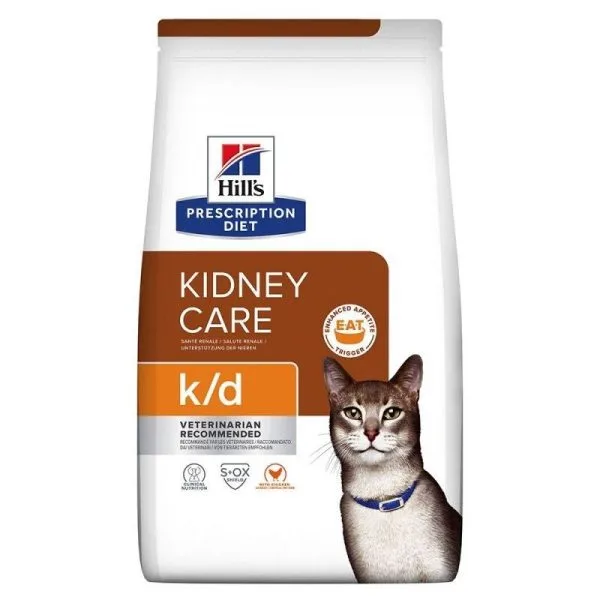
Chronic kidney disease (CKD) affects an estimated 1 in 3 cats over the age of 10, making it the leading cause of death in older felines. If your veterinarian has recently recommended Renal D for your cat, you’re likely wondering: does this specialized diet meet all of my cat’s nutritional needs, or will I need to supplement it with other foods? This guide breaks down the science behind Renal D’s formulation, its benefits and limitations, and expert guidance to help you make an informed choice for your cat’s long-term health.
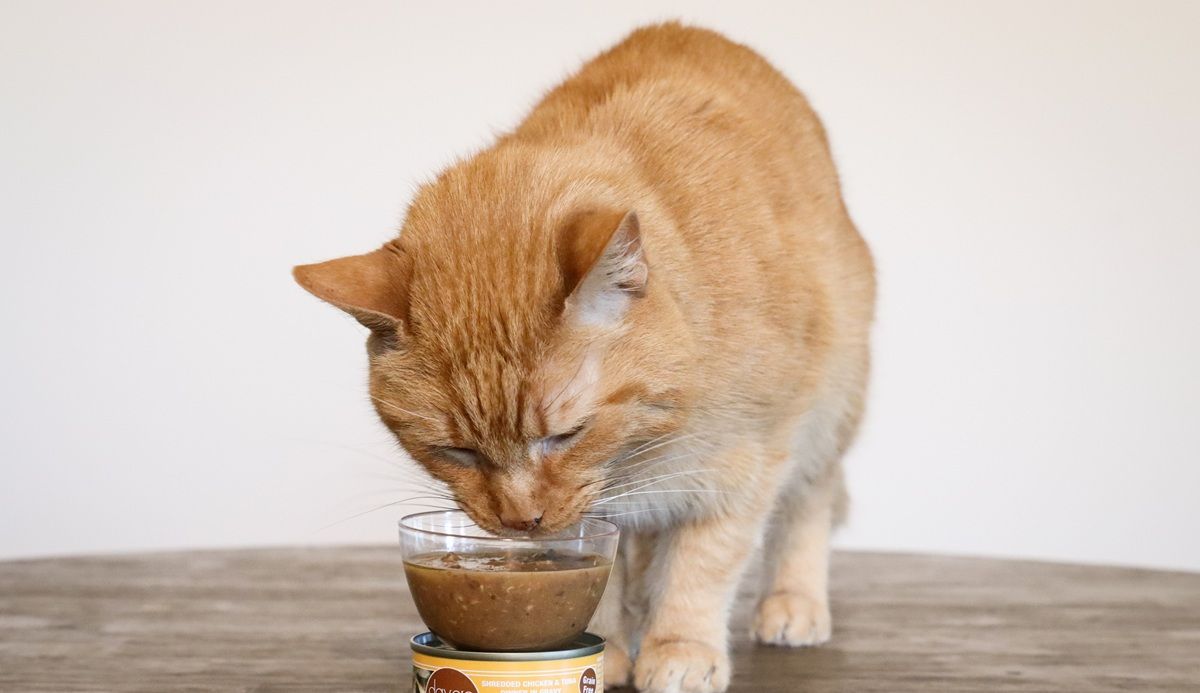
Wet food is often recommended for cats with kidney disease to boost hydration
Credit: cats.com
What Is Renal D for Cats?
Renal D is a prescription veterinary diet specifically formulated to support cats diagnosed with kidney disease, most commonly chronic kidney disease (CKD). Unlike over-the-counter standard cat foods, it is designed to reduce the workload on the kidneys while still delivering all essential nutrients a feline needs to thrive. It is available in both wet and dry formulations, with wet versions often preferred by veterinarians for their high moisture content, which supports kidney function by promoting hydration. You can also read our guide on what sort of nutrition is needed for a sick cat.
Core Formulation Principles of Renal D
Renal D is built on three core nutritional pillars tailored to renal support:
- Restricted phosphorus levels to reduce mineral buildup in the kidneys
- Moderate levels of high-quality, easily digestible protein to minimize waste product buildup
- Increased omega-3 fatty acids (EPA and DHA) to reduce inflammation in kidney tissue
Many formulations also add boosted B vitamins, as cats with CKD lose excess B vitamins in their urine, and antioxidants to combat oxidative stress that damages kidney cells over time.
Nutritional Breakdown of Renal D
To qualify as a complete and balanced diet, Renal D must meet the nutrient profiles set by the Association of American Feed Control Officials (AAFCO), the primary regulatory body for pet food in the U.S. All AAFCO-approved renal diets are formulated to provide 100% of a cat’s daily nutritional requirements for their designated life stage, with adjustments to support kidney health. You can also read our guide on how much nutritional yeast per day for cats.
Key Ingredient Profiles
Renal D uses high-biological-value protein sources (such as chicken, egg, or fish) that are easier for the body to digest and produce less nitrogenous waste for the kidneys to filter. Carbohydrate content is typically adjusted to make up for reduced protein levels, though many newer formulations use low-glycemic carb sources to avoid spikes in blood sugar. The diet also includes controlled sodium levels to support healthy blood pressure, a critical factor for cats with CKD who are at risk of hypertension.
Compliance with Feline Nutritional Standards
Per official AAFCO pet food labeling requirements, any renal diet marketed as "complete and balanced" must undergo feeding trials to prove it supports normal physiological function for its target life stage. Most Renal D formulations are approved for adult maintenance, meaning they are suitable for adult cats with CKD but not for growing kittens, pregnant/nursing cats, or cats with other unaddressed health conditions. You can also read our guide on what do cats need for nutrition.
Is Renal D a Complete and Balanced Diet for All Cats?
The short answer is: for most cats with uncomplicated CKD, yes, but there are important caveats. Renal D is formulated to meet all core nutritional requirements for adult cats with kidney disease, so it does not require supplementation for the average feline patient. That said, it is not a one-size-fits-all solution.
When Renal D Meets Full Nutritional Requirements
For cats in stages 2–3 of CKD with no other diagnosed health conditions, AAFCO-approved Renal D is a complete diet that provides all essential vitamins, minerals, amino acids, and energy a cat needs. Many veterinarians report that cats switched to Renal D early in their CKD diagnosis maintain stable weight, healthy energy levels, and improved coat condition long-term. You can also read our guide on best wet cat food for kidney disease.
Cases Where Supplemental Support May Be Needed
Cats with concurrent health conditions may require adjustments to their diet beyond what standard Renal D provides:
- Cats with diabetes may struggle with the higher carbohydrate content in many renal formulations, as reduced protein levels are often offset with carbs to maintain caloric intake.
- Cats with severe muscle wasting (cachexia), a common late-stage CKD symptom, may need additional protein supplementation that exceeds the levels in standard Renal D.
- Cats with hyperthyroidism may require adjustments to phosphorus and protein levels to account for their increased metabolic rate.
If your cat has multiple health conditions, your vet will work with you to tailor their diet to meet all their needs, which may include combining Renal D with limited supplements or alternative foods.
Proven Benefits of Renal D for Cats with Kidney Disease
When used as directed, Renal D offers targeted benefits that standard cat foods cannot match, making it a cornerstone of CKD management for most cats. You can also read our guide on does sheba cat food provide good nutrition for a cat.
Slowing CKD Progression
The restricted phosphorus and moderate protein levels in Renal D reduce the buildup of toxins in the bloodstream that accelerate kidney damage. According to the Cornell University College of Veterinary Medicine, feeding a prescription renal diet like Renal D is one of the most evidence-based interventions to slow CKD progression and extend lifespan, as outlined in their feline CKD health guide. Many cats on Renal D maintain stable kidney values for years after diagnosis, compared to the faster decline seen in cats fed standard diets.
Supporting Overall Feline Wellness
Beyond kidney support, Renal D’s balanced nutrient profile supports overall health. The omega-3 fatty acids reduce systemic inflammation, which can improve joint mobility and coat condition in older cats. The high moisture content in wet formulations reduces the risk of urinary crystals and supports healthy hydration, a critical factor for cats with CKD who are prone to dehydration. Many owners also report improved appetite in cats with CKD-related nausea, as Renal D is formulated to be highly palatable for most felines.
Many cats in early-stage CKD experience increased urination, which may require a high-capacity litter solution to accommodate their needs.
Limitations and Common Drawbacks of Renal D
While Renal D is a highly effective diet for many cats, it is important to understand its limitations before committing to it long-term.
Nutrient Trade-Offs for Cats with Concurrent Conditions
The formulation adjustments that make Renal D kidney-supportive can create gaps for cats with other health needs:
- Lower protein levels may not provide enough energy for active cats or those with muscle wasting
- Higher carbohydrate content can exacerbate blood sugar issues in diabetic cats
- Restricted phosphorus may be too low for cats with no elevated phosphorus levels, though this is rare
In practice, the most common mistake owners make is assuming Renal D is suitable for all cats with kidney issues, even those with unaddressed concurrent conditions. Always share your cat’s full medical history with your vet before starting the diet.
Palatability and Cost Considerations
Renal D is more expensive than standard cat food, with costs ranging 20–50% higher per month depending on the formulation. Additionally, some cats are picky eaters and may refuse to eat Renal D, especially if they are used to standard diets. Cats with CKD who refuse to eat for more than 24 hours are at risk of hepatic lipidosis, a life-threatening liver condition, so palatability is a critical factor to discuss with your vet before committing to the diet.
Cats with CKD often produce more dilute urine, which can lead to persistent litter box odor. Many owners find odor control products helpful for managing this side effect.
How Renal D Compares to Alternative Diet Options
Understanding how Renal D stacks up against other diet options can help you make the best choice for your cat.
vs. Standard Adult Cat Food
Standard adult cat foods are formulated for healthy cats with no kidney impairment, and typically contain 2–3 times more phosphorus than renal diets. For cats with CKD, this excess phosphorus accelerates kidney damage and shortens lifespan. While standard food is fine for healthy felines, it is not a safe alternative to Renal D for cats with diagnosed kidney disease.
vs. Other Veterinary Renal Diets
Renal D is one of several prescription renal diets on the market, alongside options from brands like Hill’s and Royal Canin. All meet AAFCO nutrient profiles for renal support, but ingredient profiles, palatability, and price point vary. Your vet will recommend the best option based on your cat’s specific needs, stage of CKD, and food preferences.
vs. Homemade or Raw Renal Diets
Homemade renal diets can be a good option for cats with severe food allergies or picky eaters, but they must be formulated by a board-certified veterinary nutritionist to avoid dangerous nutrient gaps. Unregulated homemade diets often lack essential vitamins and minerals, and raw diets carry a risk of bacterial contamination that can be life-threatening for immunocompromised cats with CKD.
Improved nutrient absorption and reduced toxin buildup often lead to a shinier, softer coat for cats on Renal D. Pairing the diet with routine coat care tips can further support skin and coat health.
Veterinarian-Recommended Use Cases for Renal D
Veterinarians typically recommend Renal D for cats with confirmed CKD, based on bloodwork showing elevated creatinine, blood urea nitrogen (BUN), or phosphorus levels.
Ideal Candidates for Renal D
Renal D is most effective for cats in stage 2 or 3 of CKD, with no other severe concurrent health conditions. It is also often recommended for cats with early-stage CKD who have elevated phosphorus levels, as dietary phosphorus restriction is one of the most effective ways to slow disease progression. If your cat has severe CKD-related nausea or appetite loss, your vet may recommend a wet formulation of Renal D for its stronger aroma and higher palatability.
Monitoring and Adjusting the Diet Long-Term
Even after switching to Renal D, regular veterinary checkups are non-negotiable. Your vet will run bloodwork every 3–6 months to monitor kidney values and adjust the diet as needed. Some cats may require supplemental phosphate binders or B vitamins to complement their Renal D diet as the disease progresses. If your cat’s kidney values stabilize or improve, your vet may adjust the formulation to better meet their changing needs.
If your cat has concurrent health conditions, your vet may adjust their diet to ensure they meet all their balanced feline nutrition guidelines beyond just kidney support.
Real-World Owner Experiences with Renal D
Owner feedback provides valuable insight into what to expect when switching your cat to Renal D.
Commonly Reported Positive Outcomes
Most owners who switch their cats to Renal D report positive changes within 4–8 weeks, including improved energy levels, reduced vomiting, and a shinier coat. Many also note that their cat’s increased urination (a common CKD symptom) becomes less frequent as kidney function stabilizes. For cats who were previously picky eaters due to CKD-related nausea, the high palatability of wet Renal D formulations often resolves food refusal.
Frequent Owner Concerns and Solutions
The most common owner concerns include palatability issues and cost. For picky eaters, warming wet Renal D slightly can enhance its aroma, and transitioning slowly over 7–10 days (mixing small amounts of Renal D with your cat’s current food) reduces the risk of GI upset. For owners concerned about cost, many veterinary clinics offer loyalty discounts, and some pet insurance plans cover prescription diet costs.
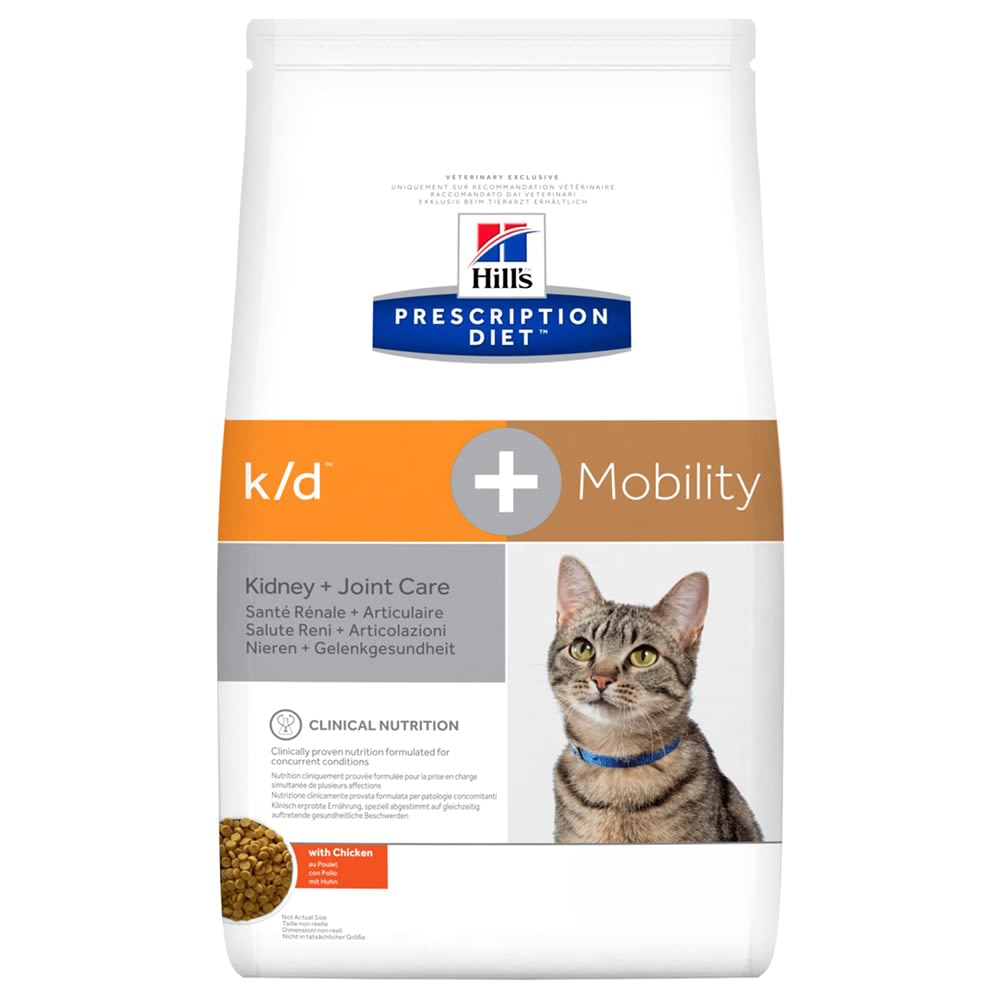
Renal D is available in both wet and dry formulations to suit different cat preferences
Credit: pet-supermarket.co.uk
Frequently Asked Questions
Can You Mix Renal D with Regular Cat Food?
Mixing Renal D with standard cat food is generally not recommended without explicit veterinary approval. Even small portions of regular food add excess phosphorus and protein that undermine the kidney-supportive benefits of Renal D, potentially accelerating CKD progression. If your cat is refusing to eat Renal D, consult your vet first to rule out underlying issues like nausea or dental pain, rather than mixing in regular food to entice them.
Does Renal D Actually Improve Kidney Function?
Yes, peer-reviewed veterinary studies and clinical experience confirm that prescription renal diets like Renal D can slow CKD progression, reduce symptoms like nausea and excessive thirst, and extend lifespan by 1–3 years for many cats when used as part of a comprehensive care plan that includes regular bloodwork monitoring and veterinary checkups. Results vary based on the stage of CKD at diagnosis and the cat's overall health status.
What Is the Difference Between Renal D and Standard Renal Cat Food?
Renal D is a specific prescription renal diet formulated with restricted phosphorus, moderate high-quality protein, increased omega-3 fatty acids, and added antioxidants to support kidney health. While all veterinary renal diets share these core formulation principles, ingredient profiles, palatability, and nutrient ratios vary between brands, so your vet will recommend the best option based on your cat's specific needs.
Is Renal D Safe for Healthy Cats?
Renal D is not recommended for healthy cats without kidney disease. Its restricted protein and phosphorus levels do not meet the higher nutritional requirements of growing kittens, pregnant/nursing cats, or active adult cats with no renal impairment, and feeding it to healthy felines long-term can lead to nutritional deficiencies.
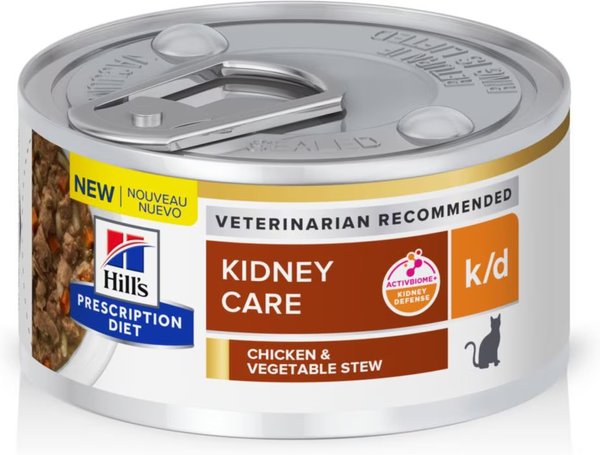
Renal D is a prescription diet formulated to meet the unique nutritional needs of cats with kidney disease
Credit: www.chewy.com
Final Verdict: Is Renal D Right for Your Cat?
For most cats with uncomplicated chronic kidney disease, AAFCO-approved Renal D formulations marketed as complete and balanced for adult maintenance or all life stages are a fully complete nutritional diet that meets all core dietary requirements while providing targeted kidney support. Its carefully balanced nutrient profile, high palatability for most felines, and evidence-based formulation make it a top recommendation from veterinarians for CKD management.
That said, Renal D is not a one-size-fits-all solution. Cats with concurrent conditions like diabetes, hyperthyroidism, or severe muscle wasting may require dietary adjustments or supplemental nutrients to meet their full health needs. Additionally, some cats may refuse to eat Renal D due to palatability preferences, requiring alternative renal diet options.
The most important step in deciding if Renal D is right for your cat is to consult your veterinarian. They can review your cat's bloodwork, stage their CKD, and recommend a diet tailored to their unique health profile. If you're considering a renal diet for your feline companion, schedule a consultation with your vet today to discuss the best path forward for their long-term health and happiness.