
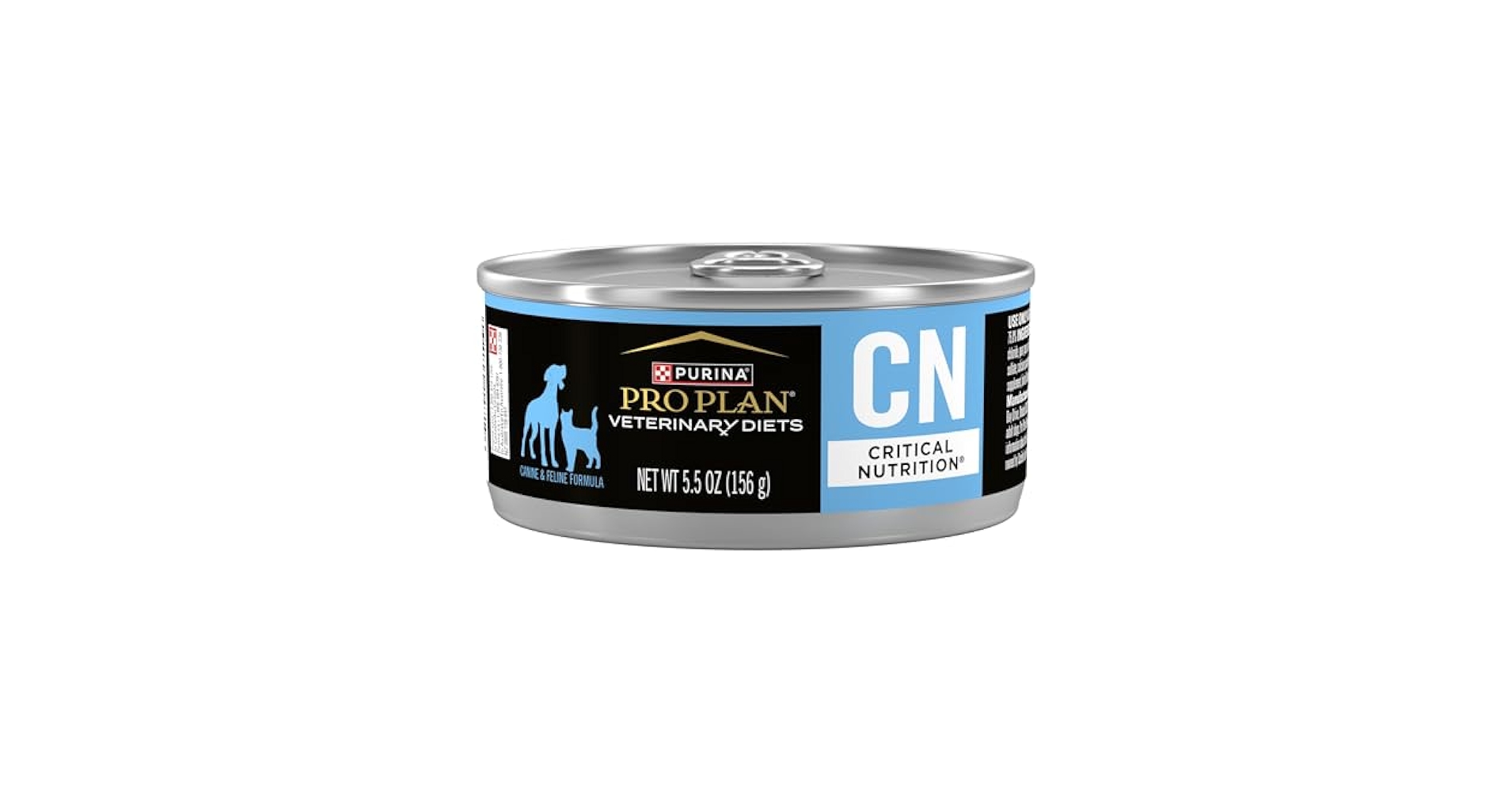
If your cat has been diagnosed with a chronic health condition, is recovering from surgery, or is struggling to maintain a healthy weight, you may have heard your veterinarian recommend critical nutrition cat food. Unlike standard over-the-counter “senior” or “sensitive stomach” formulas, this specialized therapeutic diet is formulated to manage specific medical conditions, provide targeted nutritional support, and improve your cat’s quality of life. But what exactly is critical nutrition cat food used for, and how do you know if it’s the right choice for your feline friend? This 2026 essential guide breaks down the evidence-based uses, benefits, and best practices for this prescription diet, aligned with current veterinary nutrition guidelines from the American Veterinary Medical Association and AAFCO standards.
What Is Critical Nutrition Cat Food?
Critical nutrition cat food, also called veterinary therapeutic diet, is a prescription-only cat food formulated to provide targeted nutritional support for cats with diagnosed medical conditions. Unlike general-purpose cat foods, these diets are developed by board-certified veterinary nutritionists, tested via rigorous feeding trials to prove efficacy for their labeled use case, and regulated by the U.S. Food and Drug Administration’s (FDA) Center for Veterinary Medicine. They are designed to deliver precise levels of nutrients (such as restricted phosphorus for kidney disease, or hydrolyzed proteins for allergies) that standard cat foods cannot reliably provide, and are only sold through licensed veterinarians or with a valid prescription. You can also read our guide on what is a good wet cat food.
To understand how it differs from everyday cat food, refer to the comparison below:
| Feature | Critical Nutrition (Prescription) Cat Food | Standard Over-the-Counter Cat Food |
|---|---|---|
| Prescription requirement | Required for purchase, sold via veterinarians | Available without prescription at all pet retailers |
| Formulation purpose | Formulated to manage diagnosed medical conditions | Formulated for healthy cats' general life stage needs (kitten, adult, senior) or minor lifestyle needs (indoor, sensitive stomach) |
| Regulatory oversight | Regulated by the FDA's Center for Veterinary Medicine, requires proof of efficacy for its labeled condition via feeding trials | Regulated by AAFCO for basic nutritional adequacy, no requirement to prove efficacy for specific health conditions |
| Typical use cases | Post-surgical recovery, chronic kidney disease, GI disorders, food allergies, diabetes management | Daily maintenance feeding for healthy cats |
Core Uses of Critical Nutrition Cat Food
The primary purpose of critical nutrition cat food is to deliver targeted nutritional support for cats with specific, often severe, health needs that cannot be met by standard diets. Its most common evidence-based uses include:
Post-Surgical and Acute Illness Recovery
Cats recovering from surgery, severe infections (such as upper respiratory infections or pancreatitis), or trauma have increased protein and calorie needs to support tissue repair and immune function, but often have reduced appetite or digestive sensitivity that makes eating regular food difficult. Critical nutrition recovery formulas are highly palatable, calorie-dense, and formulated with easy-to-digest proteins to minimize digestive strain while delivering the nutrients needed for healing. In practice, cats can begin to lose muscle mass in as little as 3 to 5 days of inadequate nutritional intake during recovery, making early intervention with a therapeutic diet a key part of post-operative care.
Managing Chronic Health Conditions
Critical nutrition diets are a cornerstone of long-term management for a wide range of chronic feline conditions, including:
- Chronic kidney disease (CKD): Low-phosphorus formulas reduce strain on damaged kidneys, while added omega-3 fatty acids reduce inflammation and slow disease progression. For cats with CKD, vetted renal-support options can help slow disease progression when paired with consistent veterinary care.
- Gastrointestinal (GI) disorders: Limited-ingredient or hydrolyzed protein formulas reduce exposure to allergens, while added prebiotics, probiotics, and electrolytes support gut health and reduce vomiting and diarrhea.
- Diabetes: Low-carbohydrate, high-protein formulas help stabilize blood glucose levels and reduce the need for frequent insulin dosage adjustments.
- Liver disease: Highly digestible, moderate-protein formulas reduce the liver's metabolic workload while providing adequate energy.
- Urinary tract disease: Formulations that promote urinary acidity and reduce crystal formation help manage conditions like feline idiopathic cystitis (FIC) and struvite crystals.
It is important to note that these diets are management tools, not cures: they are designed to slow disease progression, reduce symptoms, and improve quality of life when used alongside prescribed medications and veterinary care. You can also read our guide on how many ounces wet food cat.
Supporting Weight Gain in Malnourished Cats
Underweight cats may struggle to maintain a healthy weight due to chronic illness, dental pain, old age, or severe picky eating. Critical nutrition weight gain formulas provide a balanced, calorie-dense option to support healthy muscle development without excess fat gain. A common mistake owners make is feeding high-fat “people food” (like table scraps or fatty meats) to underweight cats, which can trigger life-threatening pancreatitis. Critical nutrition diets deliver extra calories from high-quality, digestible protein sources to avoid this risk.
Managing Food Allergies and Sensitivities
For cats with confirmed food allergies or suspected food sensitivities (which often manifest as itchy skin, recurring ear infections, vomiting, or diarrhea), hypoallergenic critical nutrition diets use either hydrolyzed proteins (proteins broken down into small molecules the immune system does not recognize as allergens) or novel proteins (like venison or rabbit, which the cat has never been exposed to) to eliminate allergic reactions. These are often used long-term after an elimination diet confirms the specific allergen triggering the cat's symptoms. You can also read our guide on why do cats need wet food.
How Critical Nutrition Differs From Over-the-Counter "Specialty" Cat Foods
Many cat owners confuse prescription critical nutrition diets with over-the-counter “specialty” foods marketed for senior cats, sensitive stomachs, or indoor cats. The key difference is that over-the-counter specialty foods are formulated for healthy cats with minor, non-medical needs, and are not required to prove efficacy for specific health conditions. Critical nutrition prescription diets, by contrast, undergo formal feeding trials to confirm they manage the condition they are labeled for, and are intended for use under veterinary supervision. Feeding an over-the-counter “senior” food to a cat with diagnosed CKD, for example, will not provide the restricted phosphorus levels needed to slow disease progression, and may lead to worsening health over time.
How to Choose the Right Critical Nutrition Cat Food
Selecting the right therapeutic diet requires careful consideration of your cat’s specific needs, in partnership with your veterinarian:
Match the Formula to Your Cat’s Specific Diagnosis
Never select a critical nutrition diet without a confirmed diagnosis from your veterinarian, as nutrient profiles are tailored to specific conditions and can be harmful if used for the wrong condition. For example, low-protein kidney support diets are dangerous for cats with liver disease, which requires high protein to support liver function. Always choose a formula explicitly labeled for your cat’s diagnosed condition, and confirm with your vet that it is appropriate for their age, activity level, and any other concurrent health conditions. You can also read our guide on can you feed cats wet dog food.
Prioritize Palatability and Texture
Cats with reduced appetite (common in ill or senior cats) often refuse dry food, making wet critical nutrition formulas a better choice for most cases. If your cat prefers dry food, you can warm it slightly or mix in a small amount of low-sodium broth (with your vet’s approval) to increase its aroma and palatability. If your vet approves adding variety to your cat's diet, our review of high-quality wet cat foods can help you identify palatable, nutrient-dense options to mix in small amounts.
Verify Regulatory and Veterinary Approval
Look for a statement on the food’s label confirming it meets the nutrient profiles established by AAFCO for the specific condition it is formulated to manage, and that it has undergone AAFCO feeding trials for that condition. You can confirm a food meets AAFCO's official pet food standards to ensure it is safe and nutritionally adequate for your cat's condition. Reputable brands will also have their formulas reviewed by board-certified veterinary nutritionists, and may publish supporting research in peer-reviewed veterinary journals. You can also read our guide on do cats need wet food.
Feeding Guidelines and Best Practices
Proper feeding is critical to ensuring critical nutrition cat food delivers its intended benefits:
Follow Your Vet’s Tailored Instructions
Critical nutrition diets have different serving sizes and nutrient ratios than standard cat food, so always follow the feeding instructions provided by your veterinarian rather than the general guidelines on the packaging. Your vet will calculate the exact daily amount based on your cat’s weight, age, activity level, and specific health condition to avoid overfeeding or underfeeding.
Transition Slowly to Avoid Digestive Upset
Switch to the new critical nutrition diet gradually over 7 to 10 days, mixing increasing proportions of the new food with your cat’s old food to avoid vomiting, diarrhea, or refusal to eat. For cats with severe GI sensitivity, extend the transition period to 2 weeks to minimize digestive upset. If your cat refuses the new food entirely, contact your vet for palatability tips rather than switching to a different formula without professional guidance.
Monitor Your Cat’s Progress Closely
Track your cat’s weight, appetite, energy levels, stool quality, and condition-specific symptoms (such as water intake for cats with CKD, or blood glucose levels for diabetic cats) to assess how well the diet is working. Schedule regular veterinary check-ups every 3 to 6 months for cats with chronic conditions, as your vet may need to adjust the diet as your cat’s health changes. If your cat needs small, frequent meals to maintain consistent intake, wet-food compatible automatic feeders can help you stick to a schedule even when you're away from home.
Use Treats Strategically (With Vet Approval)
For cats who are reluctant to eat critical nutrition diets, small amounts of compatible treats can be used as a food topper to boost palatability, but only with your veterinarian’s approval to avoid introducing allergens or excess nutrients that conflict with your cat’s condition. For cats who need extra encouragement to eat, training-specific cat treats can be used as a low-calorie topper to boost palatability, as long as your vet approves.
Potential Risks and Considerations
While critical nutrition cat food offers significant benefits for cats with special needs, there are important risks to be aware of:
Not a Replacement for Medical Treatment
Critical nutrition cat food is a supportive tool, not a cure for medical conditions. It must be used alongside prescribed medications, treatments, and regular veterinary care to effectively manage your cat’s health. Skipping vet visits or medications while only feeding critical nutrition will not slow disease progression or support recovery.
Risk of Nutritional Imbalance if Misused
Feeding a critical nutrition diet formulated for one condition to a cat with a different condition (or a healthy adult cat) can lead to harmful nutrient excesses or deficiencies. For example, feeding a low-protein kidney support diet to a growing kitten or a cat with liver disease can cause muscle wasting and organ damage. Always use prescription therapeutic diets only for their intended purpose, under veterinary supervision.
Cost and Access Considerations
Prescription critical nutrition diets are typically 2 to 3 times more expensive per pound than standard cat food, due to their specialized formulation and rigorous testing. However, most pet insurance plans cover the full cost of these diets when they are prescribed by a veterinarian for a diagnosed medical condition, making them more accessible for many owners. Note that these diets cannot be purchased at standard pet retailers without a valid prescription, to ensure they are used appropriately.
Allergic Reactions
Even prescription critical nutrition diets can trigger allergic reactions in cats sensitive to one of their ingredients. Signs of an allergic reaction include itching, skin rashes, hives, vomiting, or diarrhea. If you notice these symptoms after starting a new diet, contact your veterinarian immediately to switch to a different formula, such as a hydrolyzed protein option.
Frequently Asked Questions
How do I know if cat food is nutritionally complete?
Look for an AAFCO statement on the label that the food is "complete and balanced" for your cat's specific life stage (kitten, adult, senior) or specific health condition. For critical nutrition diets, the statement should specify that it is formulated to meet the nutritional requirements for the management of the listed condition, and ideally has undergone AAFCO feeding trials for that condition. You can also confirm with your veterinarian that the food meets your cat's unique needs, especially if they have multiple concurrent health conditions.
What is gastrointestinal cat food used for?
Gastrointestinal (GI) critical nutrition cat food is formulated to manage vomiting, diarrhea, gas, bloating, and other digestive upset in cats with conditions like inflammatory bowel disease (IBD), pancreatitis, or food sensitivities. It typically uses highly digestible protein sources, limited ingredients to reduce allergen exposure, added prebiotics and probiotics to support healthy gut flora, and increased levels of electrolytes to prevent dehydration. It is often used short-term during acute flare-ups, or long-term for cats with chronic GI conditions.
What is low phosphorus cat food used for?
Low phosphorus critical nutrition cat food is specifically formulated for cats with chronic kidney disease (CKD) or other renal conditions. Excess phosphorus puts additional strain on damaged kidneys, accelerating disease progression. These diets restrict phosphorus levels (usually to 0.2-0.3% on a dry matter basis) while maintaining adequate levels of other essential nutrients, and often include added omega-3 fatty acids to reduce kidney inflammation and B vitamins to replace those lost in urine. For cats with CKD, vetted renal-support options can be a key part of a comprehensive management plan.
Is Purina CN a prescription?
Yes, Purina CN (now part of the Purina Pro Plan Veterinary Diets line) is a prescription therapeutic diet. It is formulated for the dietary management of a range of conditions, including post-surgical recovery, gastrointestinal upset, and renal disease. It is only sold through licensed veterinarians or with a valid prescription, as it is intended for use under veterinary supervision to ensure it is appropriate for your cat's specific health needs.
Conclusion
Critical nutrition cat food is a vital, evidence-based tool for supporting cats with diagnosed medical conditions, aiding post-surgical recovery, managing chronic disease, and improving quality of life for felines with special nutritional needs. Unlike generic over-the-counter specialty foods, these prescription diets are formulated to deliver precise, condition-specific nutrients under veterinary supervision to avoid harmful imbalances. While they come with higher costs and require a vet prescription, the benefits for cats with serious health needs are well-documented by veterinary nutrition experts. For expert guidance on selecting the right therapeutic diet for your cat’s unique condition, refer to AVMA guidance on therapeutic pet diets. If your cat has been diagnosed with a chronic health condition or is recovering from surgery, schedule a conversation with your veterinarian to discuss whether critical nutrition cat food is right for their care plan.
Therapeutic wet food is often more palatable for cats with reduced appetite or dental issues.
Image source: www.1800petmeds.com

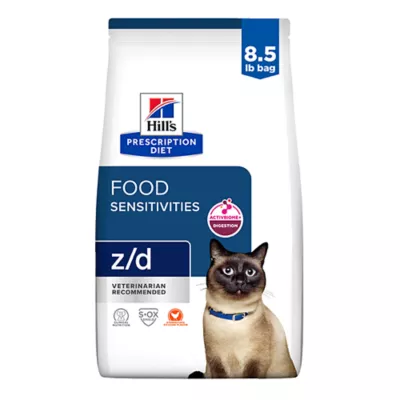
Prescription critical nutrition diets are formulated to manage specific diagnosed health conditions.
Image source: www.hillspet.com
Prescription critical nutrition diets are sold through veterinarians or with a valid prescription.
Image source: www.petsmart.com
Supporting Recovery Beyond the Food Bowl
A therapeutic diet works best when the rest of your cat's environment supports easy eating, drinking, and elimination. Cats managing kidney disease, diabetes, or GI illness drink and urinate far more than healthy cats, so monitoring the litter tray becomes a diagnostic tool as much as a chore. A low-sided, easy-entry tray matters for arthritic or post-surgical cats who cannot comfortably climb into a high-walled box, and increased urine volume makes keeping household smells down a practical concern rather than a cosmetic one. If you need to log output precisely for your vet, a manual box you scoop yourself gives clearer data than hands-off scooping systems, which clear clumps before you can count them.
Grooming also slips when a cat feels unwell. Cats with chronic illness often stop self-grooming, leading to a greasy, matted coat and, in long-haired breeds, painful mats around the hindquarters. Gentle wipe-downs and short brushing sessions help, and for cats with weepy eyes or facial folds, regular eye cleaning prevents secondary skin irritation while your cat conserves energy for healing.
Combining Therapeutic Diets With Everyday Nutrition Knowledge
Understanding what makes any cat food good helps you evaluate a prescription option intelligently rather than accepting it on faith. The same principles — named animal protein first, adequate taurine, appropriate moisture, no unnecessary fillers — still apply to a therapeutic formula; it simply adjusts one or two nutrients for a medical purpose. Reviewing what drives overall dietary quality gives you the vocabulary to ask your vet better questions, such as why phosphorus is capped at a specific level or why a formula uses hydrolyzed soy instead of chicken.
Moisture deserves special attention. Cats evolved as desert animals with a low thirst drive, and dry therapeutic kibble alone can worsen dehydration in cats with kidney or urinary disease. Where a canned version of the prescribed formula exists, most veterinarians prefer it. If your cat tolerates only a portion of their calories from the therapeutic diet and your vet approves supplementing, comparing premium canned options or other well-reviewed moist meals helps you find something palatable that will not undermine the prescription. For kidney patients specifically, the renal formulas we've assessed illustrate what appropriate phosphorus restriction looks like in a real product label.
Getting a Reluctant Cat to Accept a New Diet
Refusal is the single biggest reason therapeutic diets fail in practice. A few techniques that reliably help:
- Warm the food. Heating wet food to roughly body temperature (never hot) releases aroma and dramatically improves acceptance in cats with reduced smell from congestion or age.
- Serve on a flat, wide dish. Deep bowls cause whisker fatigue; many cats eat more from a shallow plate.
- Feed small amounts often. Four to six tiny meals beat two large ones for nauseated cats. Consistency matters more than volume, and timed portion dispensers make that realistic on a workday.
- Never force-feed by syringe without instruction. Aspiration is a genuine risk, and forced feeding can create a lasting food aversion to the exact diet your cat needs long term.
- Reward, don't bribe. Pairing the bowl with a positive cue works better than coaxing. Some owners have success using clicker-based gentle behaviour shaping to build a calm, predictable mealtime routine, and a handful of low-calorie reward morsels crumbled over the top can bridge the gap during transition — with veterinary sign-off first.
A common mistake is abandoning a diet after two or three refusals. Cats frequently accept a food on the fifth or sixth offering once the novelty stress passes. Give it a fair trial, but tell your vet immediately if your cat eats nothing at all for more than 24 hours — feline hepatic lipidosis can develop quickly in cats that stop eating, and it is far more dangerous than the original condition in many cases.
Working With Your Veterinary Team
Therapeutic nutrition is a prescription, and it should be reviewed as regularly as any medication. Ask your vet to recheck bloodwork and body condition score at the intervals appropriate to your cat's condition, and bring your feeding log to every appointment: brand, exact daily grams or cans, refusals, treats given, and weight trend. If your cat has two conflicting conditions — kidney disease plus diabetes is a classic example — ask for a referral to a board-certified veterinary nutritionist, who can build a compromise plan or a balanced home-cooked recipe rather than forcing one diet to do two incompatible jobs.
For background on how veterinary diets and pet food safety are overseen in the United States, the FDA's Center for Veterinary Medicine publishes current guidance and recall notices worth checking periodically, and the American Veterinary Medical Association maintains owner-facing resources on nutrition and chronic disease management.
Next step: book a nutrition-focused recheck with your veterinarian, bring two weeks of feeding and weight notes, and ask specifically which therapeutic formula is indicated for your cat's diagnosis — a fifteen-minute conversation can add years of comfortable life to a cat with a manageable chronic condition.