

Are you wondering if your beloved feline needs wet food in their diet? You're not alone.
Many cat owners face this question, unsure if their furry friend is missing out by sticking to dry kibble. The answer isn't as simple as a yes or no. It involves understanding your cat's health needs, preferences, and even their instincts.
In this post, we'll dive into the benefits and drawbacks of wet food. We'll explore how it can impact your cat's hydration, digestion, and overall well-being. By the end, you'll have the insight needed to make the best choice for your cat. Keep reading, because your cat's health might depend on it!

Credit: www.instagram.com
Wet Vs. Dry Cat Food
Many cats benefit from wet food due to its high moisture content. This helps keep them hydrated. It can also support urinary health. Dry food, though convenient, lacks moisture and may lead to dehydration.
Deciding between wet and dry cat food can feel overwhelming. Each type offers unique benefits and considerations. Understanding the differences can help you make the best choice for your feline friend. Let's explore some key aspects of wet and dry cat food.
Nutritional Differences
Cats require a diet rich in protein and fat, with minimal carbohydrates. Wet cat food generally contains higher protein and fat content compared to dry food. This makes it a closer match to a cat's natural dietary needs. Dry food often has a higher carbohydrate content due to the grains and fillers used. While some cats thrive on dry food, others may benefit from the richer nutrients found in wet food. It's essential to read labels and choose a high-quality option.
Moisture Content
One of the primary benefits of wet food is its high moisture content. Cats naturally have a low thirst drive, so wet food can help them stay hydrated. This is particularly important for cats with kidney issues or urinary tract problems. Dry food, on the other hand, has very low moisture content. While it can be convenient to store and serve, it may not provide the hydration some cats need. Consider your cat's health and lifestyle when deciding which type of food will keep them in optimal condition. Have you noticed any changes in your cat's health or behavior when switching between wet and dry food? Understanding their preferences and needs can help you choose the right balance.
Benefits Of Wet Cat Food
Wet cat food isn't just a treat for your feline friend; it offers numerous benefits that can improve their overall health and well-being. From hydration support to weight management and even enhanced palatability, wet cat food can be an essential part of your cat’s diet. But what are the specific advantages of incorporating wet food into your cat's meals?
Hydration Support
If you've ever watched your cat drink water, you know that they aren't always eager to hydrate. Wet cat food is a fantastic way to ensure your cat stays hydrated. It contains higher water content compared to dry kibble, which naturally boosts their fluid intake. This is crucial for preventing urinary tract issues and maintaining healthy kidney function. Have you noticed your cat drinking less water lately? Wet food might just be the solution they need.
Weight Management
Wet cat food can also play a significant role in weight management. It often contains fewer calories per serving than dry food, making portion control easier and more effective. The higher moisture content helps your cat feel fuller without consuming extra calories, aiding in weight loss or maintenance. If your cat is on the chubbier side, switching to wet food could help them slim down without sacrificing their happiness.
Palatability
Let's face it, cats can be finicky eaters. Wet cat food generally offers a more enticing aroma and flavor compared to dry kibble, making it more appealing to picky cats. The variety of textures and tastes available can help keep mealtime exciting and encourage your cat to eat consistently. Have you ever tried serving your cat a new flavor only to watch them turn up their nose? Wet food might just be the key to satisfying their sophisticated palate.
Potential Drawbacks Of Wet Food
Wet food is often a popular choice for cat owners, thanks to its moisture content and palatability. However, it's essential to be aware of the potential drawbacks that come with feeding your feline friend this type of diet. From cost concerns to storage issues, understanding these challenges can help you make an informed decision for your cat's dietary needs.
Cost Implications
Wet food is typically more expensive than dry kibble. This can add up quickly, especially if you have multiple cats or a large breed with a hearty appetite. It's crucial to weigh the benefits against the higher price tag and determine if it fits within your budget.
Consider whether you're getting the best value for your money. Some premium wet foods offer high-quality ingredients and nutrition, but they come at a premium price. Evaluate if these options provide the health benefits that justify the cost.
Storage Challenges
Storing wet food can be more complicated than dealing with dry kibble. Once opened, cans or pouches need refrigeration to maintain freshness. This can be inconvenient if your fridge space is limited.
If you're like me, you may have found yourself digging through the fridge in search of a missing can of cat food. Ensuring you have a dedicated space for your cat's meals can help avoid this common frustration. Think about how you'll manage storage before committing to a wet food diet for your cat.
Have you considered how much space you're willing to dedicate to your cat's meals? Proper storage is vital to prevent spoilage and ensure your cat always has access to fresh food. Balancing convenience with practicality is key when deciding on your cat's diet.
Balancing Wet And Dry Food
Cats benefit from eating wet food for hydration and nutrition. It helps maintain urinary health and supports their overall well-being. Balancing wet and dry food can provide a complete diet, ensuring your cat gets essential nutrients.
Balancing wet and dry food for your cat is crucial for their overall health and happiness. Each type of food offers unique benefits that can complement each other when combined effectively. Wet food provides hydration and can be more palatable, while dry food helps maintain dental health and is convenient for feeding.
Mixed Feeding Strategies
Many cat owners find success in using mixed feeding strategies. You can offer wet food in the morning and dry food at night, creating a routine that your cat anticipates. Mixing wet and dry food together in one meal can also work wonders. This method not only combines the nutritional benefits but also keeps your cat engaged with different textures. Consider what works best for your lifestyle and your cat's preferences. Are mornings hectic? Dry food might be easier then, with a leisurely wet food dinner.
Transitioning Between Food Types
Transitioning between food types should be done gradually. Sudden changes can upset your cat’s stomach and lead to refusal. Start by adding a small amount of wet food to your cat's regular dry food, gradually increasing the proportion over time. This helps your cat adjust to the new texture and flavor. Listen to your cat's feedback. If they seem disinterested or experience digestive issues, slow down the transition. Is your cat more eager during mealtime? That could be a sign you’re on the right path.
Special Dietary Needs
Wet food offers hydration and essential nutrients for cats. It can support their overall health and digestion. Balancing wet and dry food ensures a well-rounded diet.
Cats, like humans, can have specific dietary needs that vary throughout their lives. Understanding these needs can help you make better food choices for your feline friend. Wet food often plays a critical role in meeting these unique requirements. Cats may prefer dry food, but wet food can provide essential hydration and nutrients. Knowing when to prioritize wet food in your cat's diet can enhance their health and happiness. Let’s explore some of these special dietary needs.
Senior Cats
As cats age, their dietary needs change. Senior cats often face decreased kidney function, making hydration more important than ever. Wet food can offer the moisture necessary to support kidney health, helping your senior cat stay active and comfortable. Older cats can also experience dental issues, making dry kibble difficult to chew. Soft, wet food is easier on their teeth and gums. It may even encourage them to eat more, ensuring they get the calories and nutrients they need.
Medical Conditions
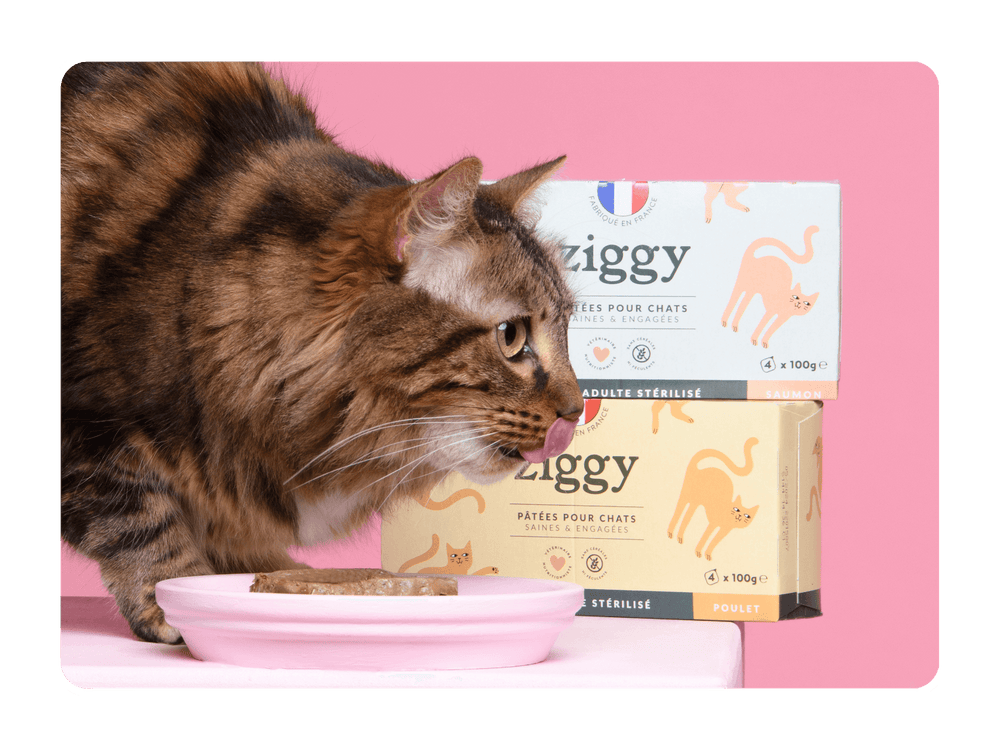
Certain medical conditions require special dietary attention. Cats with urinary tract issues benefit from the increased moisture content of wet food, which helps reduce the risk of urinary crystals and stones. Does your cat have diabetes? Wet food often contains fewer carbohydrates, which can help manage blood sugar levels. Wet food can also be crucial for cats recovering from illness or surgery. Its palatable texture and aroma can stimulate appetite, ensuring they get vital nutrients during recovery. Always consult with your veterinarian to tailor your cat’s diet to their specific medical needs. Providing the right nutrition through wet food can address these special needs and contribute to your cat's overall well-being. Are you giving your cat the best possible diet? Consider their unique needs and see if wet food might be the answer.
Credit: ziggyfamily.com
Choosing The Right Food
Choosing the right food for your cat can feel overwhelming, especially with so many options available. As you navigate the aisles, it's essential to consider what you're putting in your cat's bowl. Wet food is a popular choice among many cat owners, but how do you decide if it's the right option for your feline friend?
Ingredient Analysis
Understanding the ingredients in your cat's food is crucial. Look for foods that list real meat as the primary ingredient. Cats are obligate carnivores, meaning they thrive on animal protein. Avoid foods with excessive fillers like corn and wheat.
It's also wise to check for artificial additives. Preservatives and colors can be harmful. Opt for brands that prioritize natural ingredients and minimal processing. This can help keep your cat healthy and active.
Brand Considerations
Not all cat food brands are created equal. Some focus on high-quality ingredients, while others may cut corners. Research brands that have a good reputation and positive reviews from other cat owners.
Consider the company's history and commitment to pet health. Brands that are transparent about their sourcing and manufacturing processes often provide better quality food. You might pay a bit more, but investing in your cat's well-being is worth it.
Common Feeding Mistakes
Feeding cats might seem straightforward, but many owners make common mistakes. These errors can affect a cat's health and well-being. Understanding these mistakes helps in providing better care.
Overfeeding Risks
Overfeeding is a frequent mistake among cat owners. It can lead to obesity and related health issues. Cats often appear hungry even when they've eaten enough. They might beg for food, but giving in can harm their health. It's vital to stick to recommended portion sizes. Consult with a vet to determine the right amount for your cat. This helps in maintaining a healthy weight.
Ignoring Labels
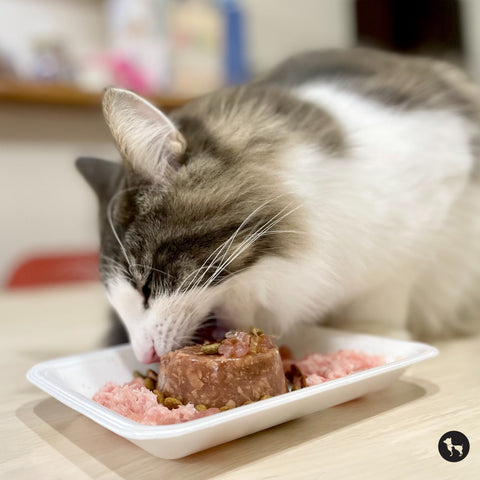
Many owners overlook the importance of reading food labels. Labels provide essential information about nutritional content. Some wet foods contain high levels of sodium or preservatives. These can be harmful over time. It's crucial to choose foods with natural ingredients. Check for labels that mention balanced nutrition. A vet can recommend specific brands or ingredients to look for. Paying attention to labels ensures your cat gets the nutrition it needs.
Credit: headsupfortails.com
Frequently Asked Questions
Is It Okay If My Cat Only Eats Dry Food?
Cats can eat only dry food, but balance is crucial. Ensure they get sufficient nutrients and hydration. Consider consulting a vet to determine the best diet for your cat's health. Wet food can help maintain hydration and prevent urinary issues.
Always monitor your cat's overall health and behavior.
Do Vets Recommend Wet Food For Cats?
Yes, vets often recommend wet food for cats. Wet food provides hydration and can support urinary health. It usually contains fewer carbohydrates and more protein, aligning with a cat's natural diet. Always consult your vet for personalized advice based on your cat's health needs.
Should Cats Get Wet Food Every Day?
Cats benefit from wet food daily as it provides hydration and essential nutrients. Ensure it complements their diet. Always choose high-quality options. Consult your vet for personalized advice.
Why Do Indoor Cats Need Wet Food?
Indoor cats need wet food for hydration and balanced nutrition. Wet food helps maintain healthy weight and urinary tract. It provides essential nutrients, supporting overall health and well-being. Cats may prefer its taste and texture, encouraging them to eat more.
Wet food complements dry kibble, offering variety in their diet.
Conclusion
Wet food offers health benefits for cats. It provides essential moisture. Cats need it for hydration and kidney health. It also supports a healthy weight. Wet food can be tasty for picky eaters. It often contains higher quality ingredients. Each cat is different, though.
Some cats may prefer dry food. Monitor your cat’s health and preferences. Talk to your vet if unsure. Balance wet and dry food for best results. Your cat’s diet impacts their overall well-being. Choose wisely for a happy, healthy cat.