
Are you curious about whether nutritional yeast is safe for your feline friend? As a loving cat owner, you want the best for your pet, and understanding what foods are beneficial or harmful is crucial.
Nutritional yeast, often praised for its health benefits in humans, is gaining popularity among pet owners as a potential supplement for cats. But is it truly safe for your furry companion? Before you sprinkle some of that cheesy-flavored yeast on your cat's meal, let's uncover the truth about its effects.
This article will guide you through the possible risks and benefits, helping you make informed decisions for your cat’s well-being. Stick around to ensure you're doing right by your beloved pet!
Credit: www.petscare.com
What Is Nutritional Yeast?
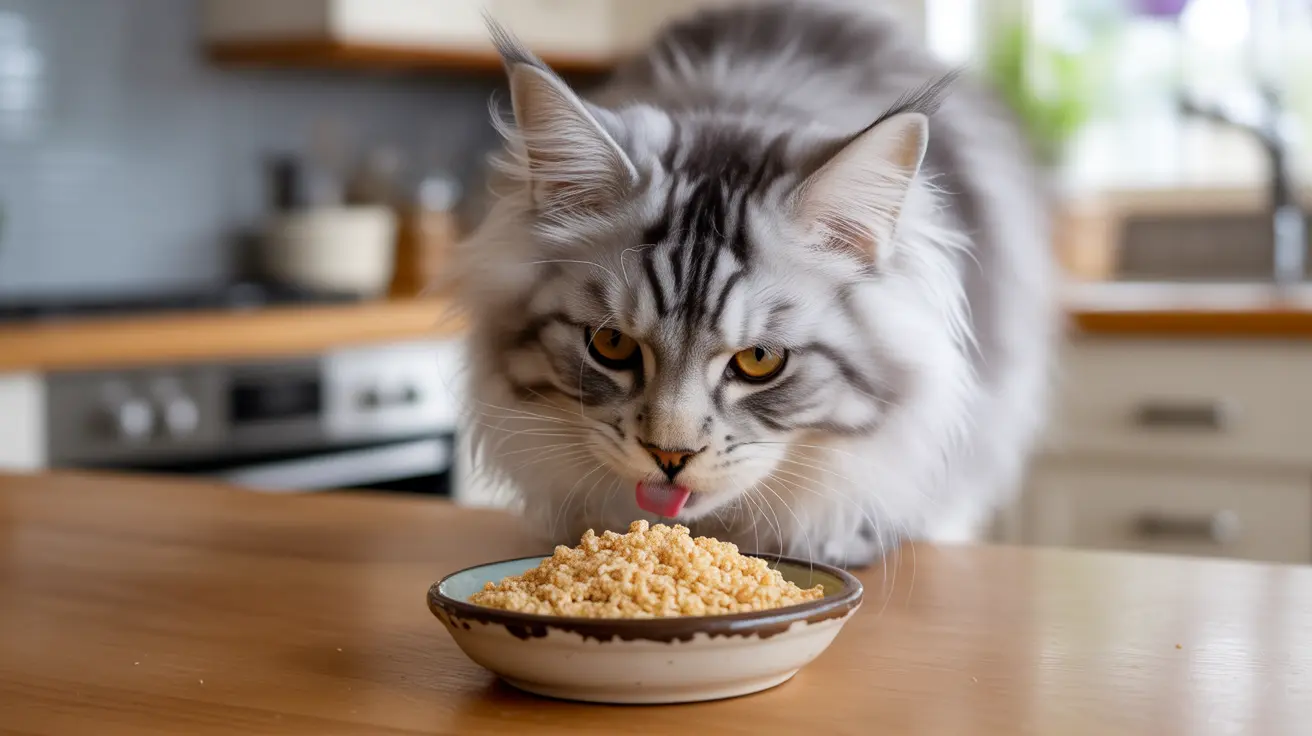
Nutritional yeast is a deactivated yeast rich in vitamins and minerals, often used as a dietary supplement. While it's safe for humans, cats might experience digestive issues if consumed in large amounts. Always consult a vet before adding it to your pet's diet.
Nutritional yeast is a fascinating ingredient that has gained popularity among health-conscious individuals, and you might wonder if it's safe for your feline friend. It's a deactivated form of yeast, often used as a cheese substitute due to its nutty, cheesy flavor. But what exactly is nutritional yeast, and why has it become such a staple in many kitchens?
Understanding Nutritional Yeast
Nutritional yeast is derived from a single-celled organism, Saccharomyces cerevisiae, grown on molasses. After harvesting, it's washed and dried with heat to deactivate it, meaning it won't leaven like baking yeast. This process not only makes it safe for consumption but also enhances its nutritional profile, making it a powerhouse of essential vitamins and minerals.
Nutritional Components
A standout feature of nutritional yeast is its rich B-vitamin content. It includes B1, B2, B6, and sometimes B12, making it particularly beneficial for those on a plant-based diet. Besides vitamins, it's also an excellent source of protein and fiber, adding nutritional value to your meals.
Common Uses In Human Diet
People sprinkle nutritional yeast on popcorn, pasta, and salads, or blend it into sauces for an umami kick. Its versatility makes it a favorite among vegans and vegetarians. Have you ever tried it as a seasoning? Its unique taste can transform simple dishes into something special. While primarily a human food, some pet owners consider giving nutritional yeast to their cats due to its appealing flavor and potential health benefits. It might enhance the taste of your cat's food, encouraging picky eaters to indulge more. But is it truly safe for them?
Important Considerations
Before serving nutritional yeast to your cat, it's crucial to consult with a veterinarian. Cats have different dietary needs and sensitivities compared to humans. Wouldn't you want to ensure that you're making the best choice for your furry companion? Understanding what nutritional yeast is can help you make informed decisions about your cat's diet. While it might offer some benefits, ensuring your cat's safety and health should always come first. So, next time you're considering a new treat for your pet, remember to think about what truly suits their unique dietary needs.
Credit: www.pethonesty.com
Nutritional Yeast In Pet Foods
Nutritional yeast is a popular ingredient in pet foods. It provides a savory flavor and has health benefits. Many pet owners wonder if it's safe for cats. Let's explore its use in pet foods and understand its impact.
Nutritional Benefits Of Yeast For Cats
Nutritional yeast is rich in B vitamins. These vitamins support energy levels and overall health. It contains minerals like zinc and selenium. They contribute to immune function and skin health. Yeast also has protein, which helps muscle development.
Safety Concerns
Moderation is key when feeding cats nutritional yeast. Overconsumption might lead to digestive issues. Some cats may be allergic. Always monitor for any adverse reactions. Consult your vet before adding it to your cat's diet.
Common Uses In Pet Foods
Nutritional yeast enhances flavor in cat foods. It acts as a natural supplement. Often used in treats and kibble. Helps improve taste without artificial additives. Many pet brands include it for its health benefits.
Potential Benefits For Cats
As a cat owner, you're always looking for ways to improve your feline friend's health and happiness. Nutritional yeast, often hailed for its health benefits in humans, might just be the secret ingredient your cat's diet needs. But what makes nutritional yeast potentially beneficial for cats? Let's dive into its advantages.
Rich In B Vitamins
Nutritional yeast is packed with B vitamins, essential for maintaining your cat's overall health. These vitamins play a crucial role in energy production, which helps your cat stay active and playful. B vitamins also support healthy skin and coat, making your furry friend look and feel their best. Have you noticed any improvement in your cat's energy levels after adding nutritional yeast?
Immune System Support
A strong immune system is vital for your cat's well-being. Nutritional yeast can bolster your cat's immune system, thanks to its antioxidants and essential nutrients. These components help protect against illnesses and improve your cat's resilience. Consider this: if your cat tends to catch colds easily, nutritional yeast might just be the immune booster they need.
Palatability Enhancer
Getting your cat to eat their food can sometimes be a challenge. Nutritional yeast serves as a natural flavor enhancer, making meals more enticing. Its cheesy taste can appeal to even the pickiest of eaters, ensuring your cat gets the nutrition they need. Have you ever tried sprinkling a bit on your cat's kibble to see their reaction?
Incorporating nutritional yeast into your cat's diet might be a simple way to enhance their health and happiness. Why not give it a try and observe the positive changes in your feline friend?
Possible Risks And Concerns
Nutritional yeast is popular among health enthusiasts. Many pet owners wonder if it's safe for their cats. While it offers benefits, there are potential risks to consider. Understanding these concerns can help you make informed choices for your feline friend.
Allergic Reactions
Some cats might react to nutritional yeast. It can trigger allergies. Symptoms include itching, sneezing, and skin irritation. Watch for unusual behavior after introducing it. If you notice any signs, consult your veterinarian.
Digestive Issues
Nutritional yeast might upset a cat's stomach. Some cats experience digestive problems. Symptoms include diarrhea or vomiting. It's important to monitor your cat's reaction. Start with small amounts to see how they tolerate it.
Sodium Content Warnings
Nutritional yeast can contain sodium. Cats need low-sodium diets. High sodium levels may lead to health problems. Check the label for sodium content before adding it to their diet. Always aim for a balanced diet for your pet.
Safe Usage Guidelines
Introducing nutritional yeast to your cat's diet can be beneficial, but it's essential to follow safe usage guidelines. Cats have different dietary needs compared to humans, and what works for us might not be suitable for them. Keeping your feline friend healthy and happy means knowing the right way to use this supplement.
Recommended Dosage
Start by sprinkling a small pinch of nutritional yeast over your cat's regular food. A teaspoon is often a good starting point for most adult cats. Always ensure it doesn't exceed 5% of their total diet to avoid any potential health issues.
Monitoring Your Cat's Reaction
After introducing nutritional yeast, watch your cat closely for any changes. Look for signs of digestive upset, such as vomiting or diarrhea. Notice if your cat seems more energetic or if their coat appears shinier, which can indicate a positive reaction.
Consulting A Veterinarian
Before making significant changes to your cat's diet, talk to your veterinarian. They can provide specific advice tailored to your cat's health needs. If your cat has underlying health conditions, professional guidance becomes even more critical.
Alternative Supplements For Cats
Exploring nutritional yeast as a supplement for cats raises concerns. While rich in B vitamins, excessive amounts may lead to digestive issues. Moderation is key to ensuring it benefits feline health without negative effects.
Cats need proper nutrition to stay healthy. Some supplements can boost their diet. Let's explore safe alternatives that can benefit your feline friend.
Fish Oil Benefits
Fish oil is a great source of omega-3 fatty acids. These fatty acids support a cat's coat and skin health. They also help with joint inflammation. Including fish oil in your cat's diet can promote a shiny coat. It may also reduce shedding and skin irritation.
Taurine Supplements
Taurine is vital for cats. It supports heart health and vision. Cats cannot produce enough taurine on their own. A taurine supplement ensures they get the right amount. It helps prevent heart disease and vision issues.
Probiotics For Digestive Health
Probiotics aid in maintaining a healthy gut. They balance good bacteria in the digestive system. Cats with digestive problems can benefit from probiotics. These supplements can enhance nutrient absorption. They also support overall digestive health. Providing these supplements can support your cat's well-being. Always consult a vet before adding new supplements to your cat's diet.
Expert Opinions
Nutritional yeast is a popular ingredient for humans, but its effects on cats are less clear. Many pet owners wonder if this yeast is safe for their feline friends. To address these concerns, we turn to expert opinions in the field of veterinary medicine and pet nutrition.
Veterinarian Insights
Veterinarians are cautious about giving nutritional yeast to cats. They stress that cats have unique dietary needs. Nutritional yeast is not part of a typical feline diet. While some vets acknowledge its potential benefits, they advise moderation. Cats require a balanced diet tailored to their species. Introducing new foods should be carefully monitored. Consultation with a vet is recommended before making dietary changes.
Pet Nutritionists' Views
Pet nutritionists often see nutritional yeast as a supplement. They note its rich content in B vitamins. This can be beneficial for cats with specific dietary deficiencies. Yet, they warn against overuse. Excessive amounts could lead to digestive issues. Nutritionists suggest observing your cat’s response when introducing nutritional yeast. A gradual approach is preferred to ensure your pet’s health remains optimal.
Credit: twocrazycatladies.com
Frequently Asked Questions
How Much Yeast Is Toxic To Cats?
Cats can become sick from consuming even small amounts of yeast. Just one teaspoon may cause harmful effects. Keep yeast away from your cat to ensure safety. If your cat ingests yeast, contact a veterinarian immediately.
Are There Negative Side Effects Of Nutritional Yeast?
Nutritional yeast may cause digestive discomfort for some individuals. High histamine content can trigger allergic reactions. It might contain tyramine, which can affect blood pressure. Always consult a healthcare provider before adding new supplements to your diet. Moderation is key to avoiding potential side effects.
Is Nutritional Yeast Bad For Animals?
Nutritional yeast is generally safe for animals in small amounts. It provides vitamins and proteins. Avoid feeding large quantities, as it can cause digestive issues. Always consult your veterinarian before introducing new foods to your pet's diet.
Why Can't Cats Have Yeast?
Cats shouldn't consume yeast because it can cause digestive issues like bloating or gas. Yeast ingestion may lead to alcohol poisoning due to fermentation. Always consult a vet before introducing new foods to your cat's diet.
Conclusion
Nutritional yeast offers benefits for cats, but moderation is key. It boosts their immune system and provides essential nutrients. Some cats may enjoy its flavor. Always consult your vet before introducing new foods. Watch for any allergic reactions or digestive issues.
Not all cats will respond the same. Nutritional yeast should complement a balanced diet. It’s not a substitute for proper cat food. Keep your furry friend’s health in mind. Their wellbeing matters most. Make informed decisions for their nutrition. A happy, healthy cat is the ultimate goal.
