

Ever caught your cat eyeing your food with that curious, irresistible gaze? If you're a cat owner, you know that feeling all too well.
You want to share everything with your feline friend, but not everything is safe for them. That's where nutritional yeast comes into play. You might have heard about its benefits for humans, but can you give it to cats? Imagine having a simple, natural way to boost your cat's health and happiness.
This article will unlock the secrets of nutritional yeast and its surprising effects on your furry companion. Get ready to discover whether this popular supplement is a healthy treat or something to avoid. You won't want to miss the insights that could transform your cat's diet and well-being!
Nutritional Yeast Basics
Cats can enjoy nutritional yeast in small amounts. It offers protein and B vitamins, supporting overall health. Always consult a vet before adding new supplements to your cat's diet.
Nutritional yeast is a popular supplement among health enthusiasts, and you might be wondering if it's safe for your feline friend. Known for its cheesy and nutty flavor, nutritional yeast is often used by vegans as a cheese substitute. But what exactly is nutritional yeast, and is it beneficial for cats?
Nutritional Yeast: What Is It?
Nutritional yeast is a deactivated yeast, which means it doesn't grow or cause bread to rise like baker's yeast. It's typically grown on molasses and then harvested, washed, and dried. The result is a flaky or powdery texture that’s packed with nutrients.
Rich In B Vitamins
One of the key benefits of nutritional yeast is its high B vitamin content. B vitamins are crucial for energy metabolism and maintaining a healthy nervous system. For cats, these vitamins can support their overall health and vitality.
Contains Amino Acids
Nutritional yeast is also a source of essential amino acids. These are the building blocks of protein, which are vital for muscle maintenance and repair. Including amino acids in your cat's diet can help them maintain strong muscles and a healthy coat.
Low In Calories
If you're concerned about your cat's weight, nutritional yeast might be a good option. It's low in calories, so it won't contribute to weight gain when used in moderation. This makes it an appealing choice for cats who need to watch their waistline.
How To Introduce Nutritional Yeast To Your Cat
Start by sprinkling a small amount on their food and observe their reaction. Some cats might love the taste, while others may need time to get accustomed to it. Always consult your veterinarian before making any significant changes to your cat's diet. The idea of feeding nutritional yeast to cats might sound unconventional, but it can be a healthy addition to their diet. Have you ever tried giving it to your cat? What was their reaction? Share your experiences in the comments below!
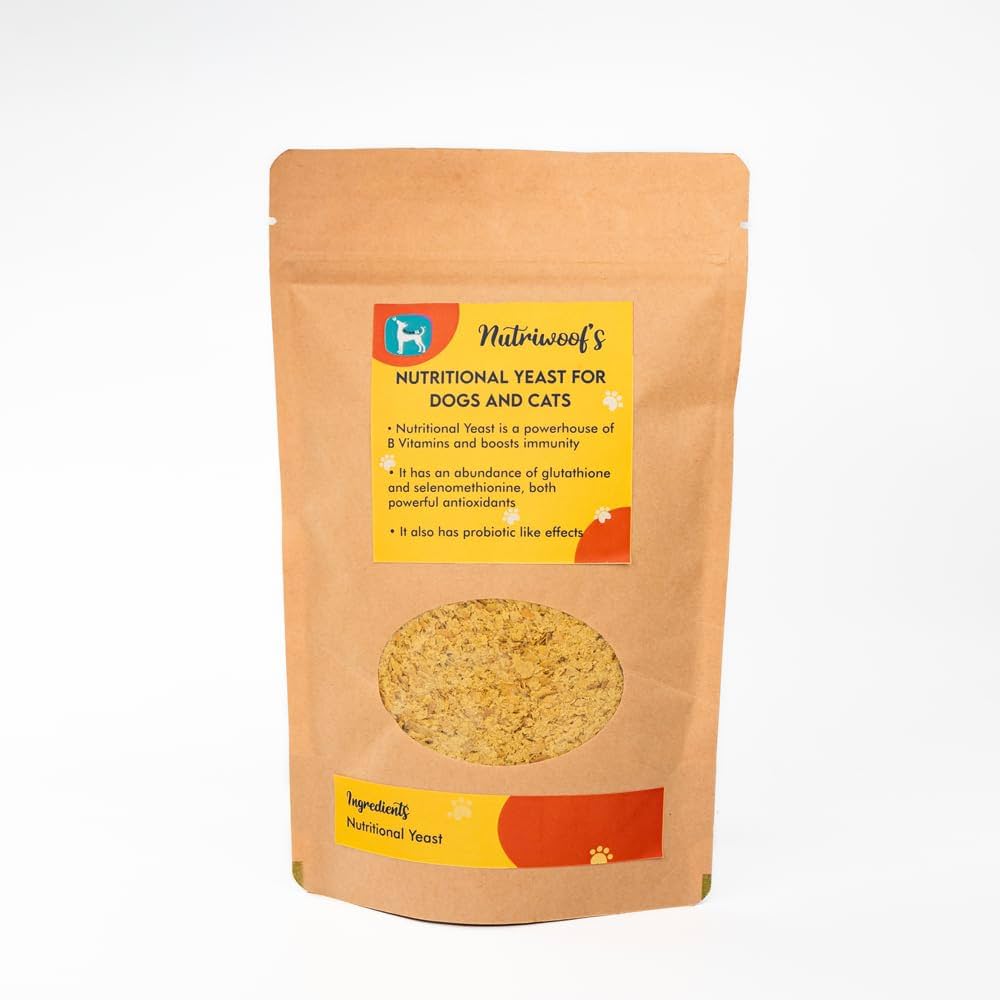
Credit: www.amazon.in
Health Benefits For Cats
Nutritional yeast is gaining popularity as a health supplement for cats. It is packed with essential nutrients and can improve their well-being. Including it in your cat's diet offers several health benefits.
Rich In B Vitamins
Nutritional yeast is a great source of B vitamins for cats. These vitamins are vital for energy production and maintaining a healthy metabolism. B vitamins also support your cat's nervous system and promote healthy skin and fur.
Protein Source
Nutritional yeast contains protein, which is important for muscle health. It provides amino acids needed for growth and repair. Adding it to meals helps ensure your cat gets sufficient protein intake.
Immune System Support
Nutritional yeast can boost your cat's immune system. It contains antioxidants that help fight free radicals. This support helps prevent illnesses and keeps your cat healthy and active.
Potential Risks
Introducing your feline friend to nutritional yeast might seem like a clever idea given its potential health benefits. However, it's crucial to be aware of the potential risks associated with this supplement. Understanding these risks can help you make informed decisions about your cat's diet and overall well-being.
Allergic Reactions
Cats, much like humans, can have allergies to certain foods. Nutritional yeast could trigger an allergic reaction, leading to symptoms such as itchiness, swelling, or difficulty breathing. Have you ever noticed your cat scratching excessively or acting uncomfortable after trying a new food?
If you suspect an allergy, it's always wise to consult your vet immediately. They can offer guidance and possibly recommend allergy testing to identify the specific allergen.
Digestive Issues
Introducing a new supplement like nutritional yeast can sometimes upset your cat's stomach. Digestive issues may manifest as vomiting, diarrhea, or a noticeable change in appetite. Pay attention to your cat's litter box habits and eating patterns.
Consider starting with a small amount of nutritional yeast and gradually increasing if your cat tolerates it well. This cautious approach can help prevent any uncomfortable digestive disturbances.
Overconsumption Concerns
While nutritional yeast can be beneficial, overconsumption could lead to issues due to its high phosphorus content. Excessive phosphorus intake can strain your cat's kidneys over time. Balance is key when incorporating new elements into your cat's diet.
Have you ever given your cat a treat they loved so much they wouldn't stop begging for more? It's essential to monitor portion sizes to ensure they don't overindulge. Keep an eye on how much yeast your cat consumes, and remember moderation is crucial for maintaining health.

Credit: www.reddit.com
Feeding Guidelines
Cats can enjoy nutritional yeast in small amounts. It offers B vitamins and a cheesy flavor they love. Always check with your vet before adding new foods to their diet.
Feeding Guidelines Introducing nutritional yeast into your cat's diet can be a beneficial choice, but it's crucial to follow proper feeding guidelines. This ensures your feline friend gets all the benefits without any unwanted side effects. Here, we'll explore the recommended dosage, how to seamlessly add it to your cat's meals, and how to monitor their reaction to this new addition.
Recommended Dosage
Determining the right amount of nutritional yeast is key. Generally, a pinch or about 1/4 teaspoon per day is enough for most cats. Always start with a smaller amount and gradually increase to this level, observing how your cat responds. You might wonder why such a small amount. Cats are sensitive creatures, and even a little nutritional yeast can make a big difference in their diet. If you're unsure, consulting your vet can provide personalized advice.
Incorporating Into Diet
Adding nutritional yeast to your cat's meals can be a simple process. Sprinkle the recommended amount over their regular food, whether it's wet or dry. You might find that your cat enjoys the cheesy flavor, making mealtime more exciting. Mix it well to ensure even distribution. This avoids any overwhelming taste that might deter your cat from eating. If your cat is initially hesitant, try mixing it with a small treat they love.
Observing Cat's Reaction
Monitoring your cat's reaction is essential when introducing any new food. Watch for any changes in behavior or digestion, such as increased energy or unusual stool. These could indicate how well your cat is adjusting to nutritional yeast. Be attentive to any signs of allergies, like excessive scratching or sneezing. If you notice any adverse reactions, stop the yeast and consult your vet. Remember, every cat is unique, and their response can vary. Feeding your cat nutritional yeast can be a rewarding experience if done carefully. Have you tried it with your feline friend? What changes did you notice?
Consulting With Veterinarians
Consulting veterinarians can clarify if nutritional yeast is safe for cats. They assess potential benefits and risks. Each cat's health and diet needs are unique, requiring expert advice for optimal care.
Consulting with a veterinarian is essential before introducing new foods to your cat. This includes nutritional yeast. Cats have specific dietary needs. A professional can guide you on safe choices. They consider your cat's health history. This ensures the new addition won't cause harm.
Understanding Your Cat's Dietary Needs
Cats are obligate carnivores. They require certain nutrients from meat. Nutritional yeast might not provide these essentials. A veterinarian can explain your cat's dietary requirements.
Potential Benefits And Risks
Nutritional yeast has benefits for humans. But, for cats, it can be different. Some cats might benefit from it. Others might experience health issues. A veterinarian can evaluate these risks.
Importance Of Professional Guidance
Veterinarians know the ins and outs of feline nutrition. They offer advice based on science. This ensures your cat remains healthy and happy. Always consult them before making dietary changes. This helps prevent unwanted health problems.
Questions To Ask Your Veterinarian
Prepare questions for your vet visit. Ask if nutritional yeast is safe for your cat. Inquire about the appropriate amount to give. Discuss any observed changes in your cat's behavior or health.
Alternatives To Nutritional Yeast
Finding alternatives to nutritional yeast for your cat can be a rewarding journey. Nutritional yeast is often loved for its rich source of B-vitamins, but there are other ways to nourish your feline friend. Exploring these alternatives can not only diversify their diet but also cater to unique dietary needs.
Other Vitamin Sources
Providing your cat with other vitamin-rich options can be simple. Leafy greens like spinach or kale can be minced into their meals, offering a natural source of vitamins A and C. Consider fruits like blueberries, which are packed with antioxidants and can be a refreshing treat.
Don't forget about fish oils. Adding a small amount of salmon oil can boost their omega-3 intake, supporting healthy skin and fur. These alternatives can be both nutritious and enjoyable for your pet, enhancing their overall well-being.
Protein Alternatives
Protein is crucial for your cat's health, and there are plenty of options beyond nutritional yeast. Lean meats such as chicken or turkey can be cooked and shredded, providing a tasty protein source. If you're looking for plant-based options, try lentils or chickpeas, which can be mashed and mixed into their food.
Eggs are another excellent choice. Scrambled or boiled eggs can offer a high-quality protein boost. Always ensure proteins are adequately cooked to avoid any health risks. Experimenting with these alternatives can help you discover new favorites for your feline companion.
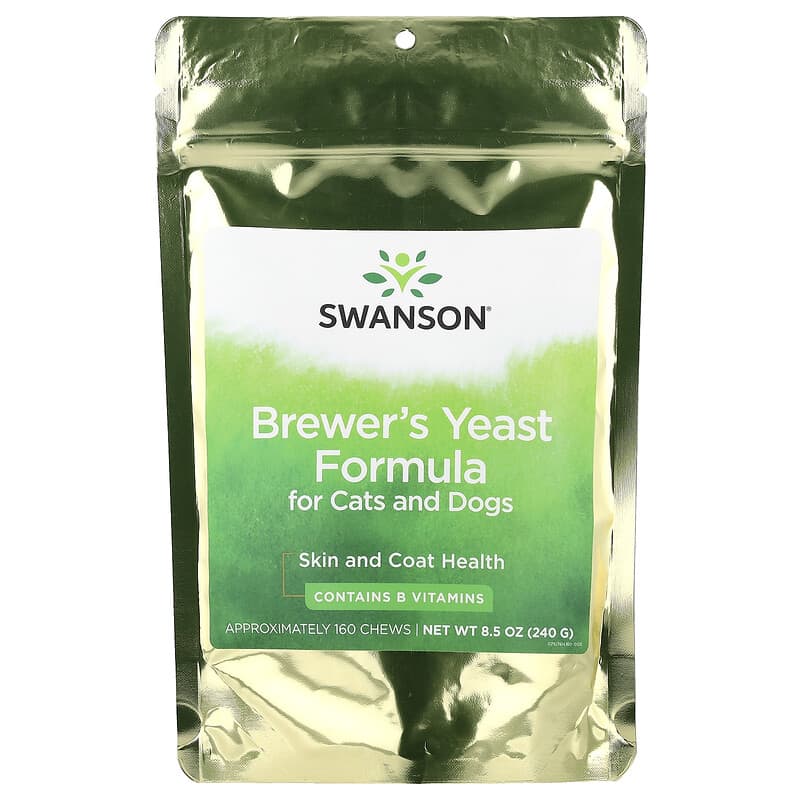
Credit: se.iherb.com
Frequently Asked Questions
Can Pets Eat Nutritional Yeast?
Pets can eat nutritional yeast in small amounts. It is safe and offers B vitamins and protein. Always consult a vet before adding new foods to your pet's diet. Some pets might have allergies or sensitivities. Moderation is crucial to avoid potential health issues.
Is There A Downside To Nutritional Yeast?
Nutritional yeast can cause digestive discomfort in some people. It might also trigger headaches in those sensitive to tyramine. High intake could lead to excess fiber, causing bloating or gas. Moderation is key to avoiding potential side effects. Always consult with a healthcare professional if unsure.
Is It Safe For Cats To Eat Yeast?
Cats should avoid eating yeast. It can cause digestive issues and bloating. Yeast dough can expand in their stomachs. Always consult a vet before introducing new foods to your cat's diet.
Does Nutritional Yeast Keep Fleas Off Cats?
Nutritional yeast is not proven to repel fleas from cats. It may support overall health due to its nutrients, but using vet-recommended flea treatments is essential for effective flea control. Consult your veterinarian for safe and effective flea prevention methods for your cat.
Conclusion
Feeding cats nutritional yeast can be safe in small amounts. It offers some health benefits like vitamins and minerals. Always watch for any allergic reactions. Consult your vet for advice on quantities. Cats have unique dietary needs. Nutritional yeast should not replace main meals.
Use it as a treat or supplement. Your cat's health is a priority. Being informed helps make better choices. Keep your feline friend happy and healthy. Regular check-ins with the vet ensure safety. Nutritional yeast can be an interesting addition.
Always prioritize your cat’s well-being.
