
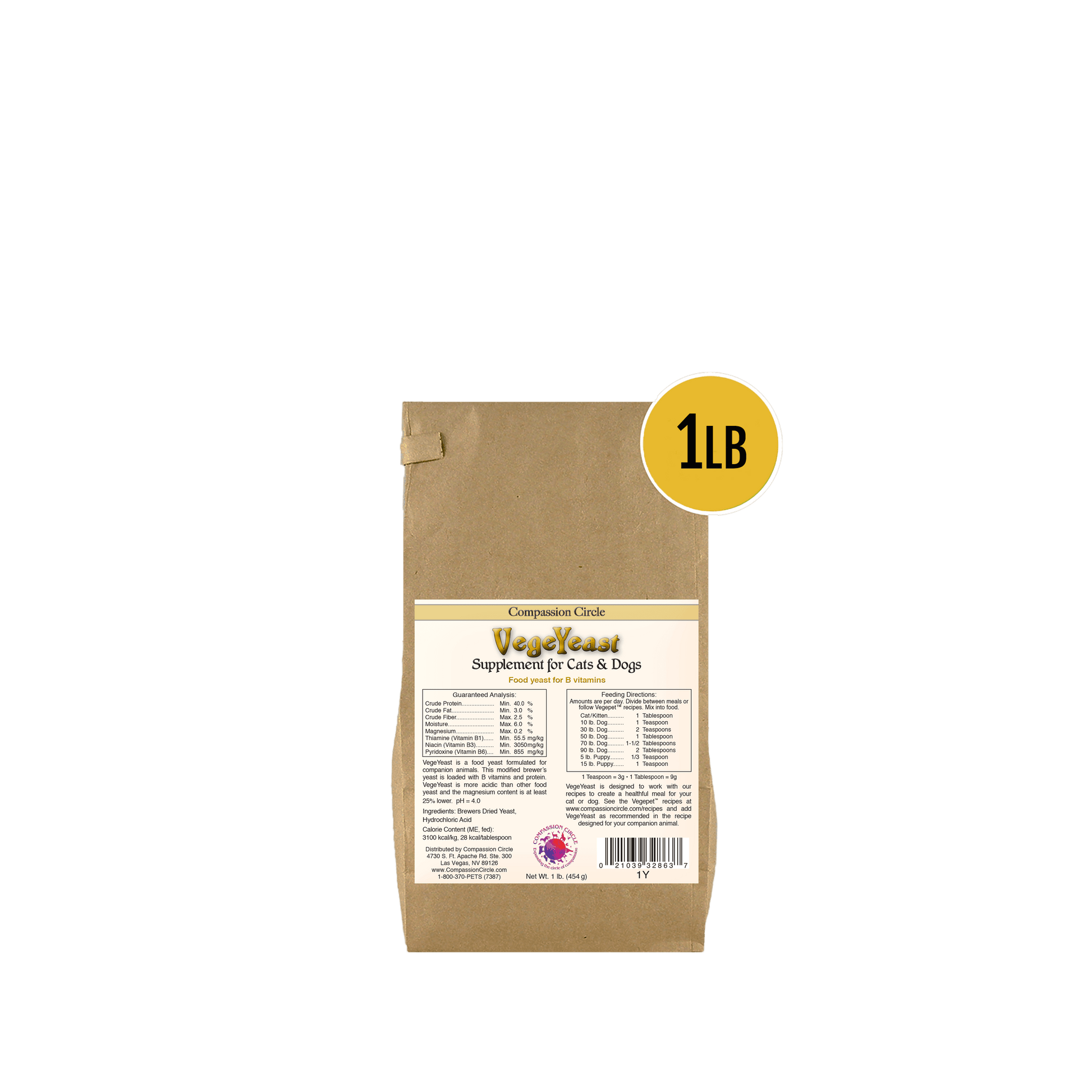
If you’ve ever sprinkled nutritional yeast on your popcorn or pasta and wondered if your cat could enjoy a taste too, you’re not alone. The umami, cheesy-flavored supplement is a staple in many human pantries, especially for vegan and plant-based eaters, and its strong aroma often piques feline curiosity. But as a pet owner, it’s critical to separate human "superfood" hype from what’s actually safe and beneficial for your obligate carnivore. As of 2026, veterinary consensus on nutritional yeast for cats is clear on core safety guidelines, though individual cat health factors can change the equation. By the end of this guide, you’ll have a clear, vet-aligned answer to whether you should share this pantry staple with your pet, plus actionable steps for safe use if you choose to do so.
What Is Nutritional Yeast, Exactly?
Nutritional yeast is a deactivated strain of Saccharomyces cerevisiae yeast, grown on molasses or sugarcane and heat-treated to halt fermentation. Unlike active baking yeast, it cannot rise or ferment in a cat’s digestive tract, a critical distinction many pet owners miss. It is sold as yellow flakes or fine powder, with a nutty, cheesy, umami flavor that many cats find highly appealing. You can also read our guide on what sort of nutrition is needed for a sick cat.
How It Differs From Baking Yeast
Active baking yeast (the kind used for bread, pizza dough, and brewing) is living, and when ingested by cats, it ferments in the stomach, producing alcohol and carbon dioxide. This can cause life-threatening bloating, alcohol poisoning, and even gastric dilatation volvulus (GDV), a fatal condition where the stomach twists. Deactivated nutritional yeast does not carry this risk, but it is still not a necessary part of a cat’s diet. Many commercial nutritional yeast varieties also contain added flavors, garlic, onion, or excess salt — all of which are toxic to cats even in small amounts, so ingredient labels must be checked carefully before any use.
Core Nutrient Profile
One tablespoon of plain nutritional yeast contains roughly 30 calories, 2 grams of plant-based protein, and a full spectrum of B vitamins: thiamine (B1), riboflavin (B2), niacin (B3), pyridoxine (B6), folate (B9), and cobalamin (B12). It also includes trace minerals like zinc and selenium, and is gluten-free and low in fat. While B12 is a nutrient cats cannot synthesize on their own, most complete commercial cat foods already include synthetic B12 to meet feline requirements, per core feline nutrient requirements.

Only plain, unsweetened, unflavored nutritional yeast is safe for cats, as additives like garlic, onion, or excess salt are toxic.
Credit: thelittlecarnivore.com
Is Nutritional Yeast Safe for Cats? The Short Answer
Plain, unflavored deactivated nutritional yeast is non-toxic to cats in very small, occasional amounts, but it is not a necessary or recommended regular part of their diet. Cats are obligate carnivores, meaning they require animal-based protein and specific nutrients that are only found in meat sources to thrive. Any supplemental food, including nutritional yeast, should never exceed 5% of your cat’s daily caloric intake, and should never replace a complete, balanced cat food diet.
Potential Benefits of Nutritional Yeast for Cats
While nutritional yeast is not a required supplement for healthy cats, it may offer minor benefits in specific scenarios:
B Vitamin Support
B vitamins play a key role in energy metabolism, nerve function, and healthy skin and coat. For cats with diagnosed B12 deficiencies (often caused by chronic digestive issues that impair nutrient absorption), small amounts of nutritional yeast may help fill gaps, but only under veterinary guidance. Most healthy cats eating complete commercial food will already meet their B vitamin needs.
Low-Calorie Flavor Booster
The strong umami flavor of nutritional yeast makes it a useful tool for encouraging picky cats to eat their regular meals, or for stimulating appetite in cats with reduced hunger due to stress or mild illness. It adds virtually no extra calories, making it a better option than high-fat toppers for cats who need to maintain a healthy weight.
Supplementary Plant-Based Protein
While plant-based protein is far less bioavailable for cats than animal protein, the small amount of protein in nutritional yeast can provide a minor boost for cats on restricted diets, though it should never replace meat-based protein sources.
Real Risks and Red Flags to Watch For
The risks of nutritional yeast for cats are often overlooked in casual pet owner discussions, and can be severe for cats with underlying health conditions:
High Purine Content
Nutritional yeast is naturally high in purines, which break down into uric acid in the body. For cats with kidney disease, a history of urinary crystals, or other urinary tract issues, this can worsen symptoms and accelerate kidney damage. Even healthy cats can develop urinary issues if fed high-purine foods regularly.
Additive Toxicity
Flavored nutritional yeast varieties (often marketed as "cheese seasoning" or "vegan parmesan") almost always contain garlic, onion, chives, or excessive sodium — all of which are highly toxic to cats, even in small amounts. Even unflavored varieties may contain preservatives or fillers that cause digestive upset in sensitive cats.
Digestive Imbalance and Allergic Reactions
Even plain nutritional yeast can cause vomiting, diarrhea, gas, or reduced appetite in cats with sensitive digestive systems, especially if introduced too quickly. Rarely, cats may have an allergic reaction to yeast proteins, leading to itching, hives, swelling, or difficulty breathing. Watch for changes in your feline behavioral cues such as lethargy, hiding, or excessive grooming, which may signal an adverse reaction.
Nutrient Imbalances from Overfeeding
Cats have extremely narrow dietary nutrient requirements. Overfeeding nutritional yeast can throw off the balance of other nutrients in your cat’s diet, leading to long-term health issues like bone disorders or metabolic imbalances.
Below are some potential risks associated with feeding feline nutritional supplements like nutritional yeast to your cat.

Anecdotal advice from online pet owner communities is not a substitute for veterinary guidance, as individual cat health needs vary widely.
Credit: www.reddit.com
Safe Feeding Practices If You Choose to Offer Nutritional Yeast
If your vet approves the occasional use of nutritional yeast for your cat, follow these evidence-based guidelines to minimize risk:
Recommended Serving Sizes
For an average 10-pound adult cat, limit intake to no more than 1/8 to 1/4 teaspoon of plain, unflavored nutritional yeast per serving, no more than 2 to 3 times per week. For reference, established safe dosing guidelines for average adult cats recommend this maximum to avoid digestive upset and nutrient imbalances.
How to Introduce It Gradually
- Select 100% plain, unsweetened, unflavored nutritional yeast with no added ingredients.
- Mix a pinch (less than 1/8 teaspoon) into your cat’s regular wet or dry food for 3 to 5 days.
- Monitor for signs of digestive upset (vomiting, diarrhea, reduced appetite) or allergic reactions.
- If no adverse effects occur, you can increase to the maximum recommended amount, but never feed it daily long-term.
What to Do If Your Cat Has a Reaction
If your cat shows signs of illness after eating nutritional yeast, stop feeding it immediately. Offer fresh water to prevent dehydration, and contact your veterinarian if symptoms persist for more than 24 hours, or if you notice swelling, difficulty breathing, or severe lethargy. Tracking changes in your cat’s stool is easier with a low-odor, easy-to-clean litter box that lets you spot abnormalities quickly.
Veterinary Perspectives on Nutritional Yeast for Cats
As noted in FDA Center for Veterinary Medicine guidance on pet supplements, all supplemental foods for cats should be discussed with a veterinarian before introduction to avoid adverse interactions with existing health conditions or medications. Most veterinary nutritionists do not recommend nutritional yeast as a regular supplement, as complete commercial cat food already meets all of a cat’s nutritional needs.
When Vets Recommend Against It
Vets specifically advise against nutritional yeast for cats with pre-existing kidney disease, urinary tract issues, food allergies, or sensitive digestive systems, due to its high purine content and potential for additive-related toxicity. For cats with these conditions, even small amounts can worsen symptoms, so always consult your vet before offering yeast for renal-sensitive cats.
When It May Be Appropriate
In rare cases, vets may recommend small amounts of nutritional yeast as a temporary flavor booster for cats with severe appetite loss due to illness or stress, or as a supplement for cats with diagnosed B12 deficiencies that are not resolved by their regular diet. Always follow your vet’s specific dosing instructions in these cases, and never use nutritional yeast as a replacement for prescribed medications or therapeutic diets.
Vet-Approved Alternatives to Nutritional Yeast
If you’re looking to add nutritional value or flavor to your cat’s diet, these options are safer and more aligned with feline nutritional needs:
- Cooked egg yolk: A great source of B12, biotin, and easily digestible protein, feed 1 small yolk 1 to 2 times per week.
- Cooked chicken liver: Rich in B vitamins and vitamin A, feed no more than 1 teaspoon per week to avoid vitamin A toxicity.
- Canned salmon (in water, no added salt): High in omega-3 fatty acids, which support coat and skin health, a more effective option than nutritional yeast for coat benefits.
- Commercial cat treats formulated with added B vitamins: These are balanced for feline nutrition, and often used as positive reinforcement training treats to encourage good behavior.
- Vet-approved wet food toppers: Many cat-specific wet food toppers are designed to add flavor and nutrients without the risks of human supplements, and are a more reliable option for picky eaters than nutritional yeast.
If you’re looking to support your cat’s coat and skin health, regular use of dander-reducing grooming wipes alongside a balanced diet is more effective than nutritional yeast supplements.
Nutritional yeast is never a replacement for a complete, balanced cat food diet, which is formulated to meet all of your cat’s obligate carnivore nutrient requirements.
Credit: cattime.com
Frequently Asked Questions
How much nutritional yeast can I safely give my cat?
For an average adult cat, no more than 1/8 to 1/4 teaspoon of plain, unflavored nutritional yeast, 2 to 3 times per week at most. Always introduce it slowly and monitor for adverse reactions. If you’re unsure of the right amount for your cat’s size and health status, consult your veterinarian.
Why do some cats love the taste of nutritional yeast?
Nutritional yeast has a strong, cheesy, umami flavor that many cats find appealing, as it mimics the taste of animal protein. It can be a useful tool for encouraging picky eaters to finish their meals, but should only be used as an occasional topper, not a regular meal additive.
Is nutritional yeast toxic to cats?
Plain, unflavored deactivated nutritional yeast is not toxic to cats in very small amounts. However, flavored varieties containing garlic, onion, or excessive salt are toxic, and active baking yeast (the kind used for bread) is highly toxic and can cause life-threatening alcohol poisoning and bloating. If you suspect your cat has eaten active yeast, contact your vet immediately.
Can nutritional yeast help with my cat's upset stomach?
There is no scientific evidence that nutritional yeast improves digestive health in cats. In fact, it can cause or worsen digestive upset in cats with sensitive stomachs. If your cat has recurring digestive issues, consult your vet to rule out underlying conditions like food allergies or inflammatory bowel disease.
Is nutritional yeast safe for kittens or senior cats?
Kittens have very specific, delicate nutritional needs, and any supplemental food can throw off their growth diet, so nutritional yeast is not recommended for kittens. Senior cats may have underlying kidney or urinary issues that make the high purine content of nutritional yeast risky, so always consult your vet before offering it to older cats.
Final Verdict: Is It Worth It?
For most cats, the small potential benefits of nutritional yeast do not outweigh the risks, especially since complete commercial cat food already meets all of their nutritional needs. If you do choose to offer it, stick to plain, unflavored varieties, feed no more than 1/4 teaspoon 2 to 3 times per week, and always monitor your cat for adverse reactions. Prioritize a balanced, species-appropriate diet above all else, and consult your vet before introducing any new foods or supplements.
If you’re looking for safe, vet-approved ways to support your cat’s nutrition or encourage picky eating, explore our guides to high-quality wet cat food options and positive reinforcement training treats to keep your feline friend healthy and happy.