
Nutritional yeast has quietly become one of the most-used "food toppers" in cat households — a cheesy-smelling flake that convinces reluctant eaters to clean the bowl and adds a hit of B vitamins along the way. The problem is that almost nobody agrees on the dose. Advice online ranges from "a pinch" to "a full tablespoon," which is a huge gap when you're feeding an animal that weighs less than a bag of flour.
This guide gives you specific, weight-based serving amounts, a 10-day introduction schedule, the warning signs of overdoing it, and the short list of cats that should skip nutritional yeast entirely. It's written for real kitchens, not lab conditions — including the mistakes that show up most often when owners start sprinkling.
Quick Answer: Safe Daily Amounts by Cat Weight
For a healthy adult cat, nutritional yeast is a garnish, not a supplement course. Start at roughly a pinch and cap most cats at half a teaspoon per day.
| Cat's weight | Starting dose (days 1–3) | Typical daily amount | Absolute daily ceiling |
|---|---|---|---|
| Kitten (over 12 weeks) or under 5 lb / 2.3 kg | Tiny pinch (~1/16 tsp) | 1/16 tsp | 1/8 tsp |
| 5–8 lb (2.3–3.6 kg) | 1/16 tsp | 1/8 tsp | 1/4 tsp |
| 9–12 lb (4–5.4 kg) | 1/8 tsp | 1/4 tsp | 1/2 tsp |
| 13 lb+ (5.9 kg+) | 1/8 tsp | 1/4–1/2 tsp | 1/2 tsp |
The governing rule: all extras combined — yeast, treats, broth toppers, licks of tuna — should stay under 10% of your cat's daily calories. A typical 10-lb indoor cat eats around 200–250 kcal a day, so the extras budget is roughly 20–25 kcal. That fills up fast.
A level teaspoon of nutritional yeast flakes weighs only about 1.5–2 grams and carries somewhere in the region of 6–8 calories, so half a teaspoon is calorically trivial. Powdered yeast is denser — the same teaspoon can weigh nearly double — so if you're using powder, measure by weight or use half the volume.
What Nutritional Yeast Actually Is (and What It Isn't)
Nutritional yeast is Saccharomyces cerevisiae grown on a sugar substrate (usually molasses or beet sugar), then heat-deactivated, washed, dried and flaked. Deactivation matters: the yeast is no longer alive, so it can't ferment in the gut or contribute to the "yeast overgrowth" people worry about.
Its flavour comes from naturally occurring glutamates and nucleotides — the same savoury compounds that make aged cheese and cured ham smell irresistible. That's exactly why cats respond to it, and it's the single best reason to keep a jar in the cupboard.
Nutritional yeast vs. brewer's yeast vs. baker's yeast
| Type | What it is | Safe for cats? |
|---|---|---|
| Nutritional yeast | Purpose-grown, deactivated, mild and cheesy | Yes, in small amounts |
| Brewer's yeast | By-product of beer brewing, bitter, deactivated | Generally yes, but bitterness puts many cats off |
| Baker's yeast (active/instant) | Live yeast for dough | No — live yeast can ferment and produce gas and alcohol in the stomach |
| Yeast extract / spreads | Concentrated, heavily salted | No — sodium load is far too high |
A common mistake is grabbing whatever yeast jar is in the baking cupboard. Read the label: you want the words "inactive," "deactivated," or "nutritional yeast."
What's Actually in It (and Why the Sodium Myth Is Wrong)
Plain, unseasoned nutritional yeast is roughly 45–50% protein by weight, with meaningful fibre (mostly beta-glucans and mannan-oligosaccharides from the cell wall) and a dense B-vitamin profile.
Per level tablespoon (~5 g) of typical flakes, you can expect approximately:
- ~20 calories
- ~2.5–3 g protein
- ~1–2 g fibre
- Very little sodium — plain versions usually contain single-digit milligrams
- Notable phosphorus and potassium
- B vitamins: thiamine, riboflavin, niacin, B6, folate — plus B12 only if the product is fortified
You'll still see articles claiming nutritional yeast is "high in sodium" and causes excessive thirst. That's a mix-up with yeast extract spreads and seasoned nutritional yeast blends. Unseasoned flakes are low-sodium. The nutrient worth watching in cats is phosphorus, not salt — more on that below.
One honest caveat: the yeast's protein is a plant-derived protein, not a substitute for meat. Cats are obligate carnivores, and no topper corrects a diet that's already unbalanced. If you're rethinking the base meal, start with how a feline diet is built rather than layering supplements on top of a weak foundation.
Realistic Benefits — and What the Evidence Does Not Support
What it genuinely does well
1. It gets food eaten. This is the strongest, most repeatable benefit. Cats recovering from illness, dental work, or a stressful move often stall on food, and a light dusting of yeast over warmed wet food is one of the cheapest appetite triggers available. Appetite loss in cats is never harmless — 48 hours of not eating can begin to damage the liver — so tools that restart eating matter. If you're managing a cat who's off their food, our notes on feeding a cat who's under the weather pair well with this approach.
2. It supplies B vitamins. B vitamins are water-soluble and are among the first nutrients lost in cats with polyuria, chronic diarrhoea, or reduced intake. A small daily dose is a gentle top-up.
3. It carries prebiotic fibre. Yeast cell walls contain beta-glucans and mannan-oligosaccharides, which are used commercially as prebiotics in pet foods. In practice, owners most often report firmer, more consistent stools after a couple of weeks — though a subset of cats go the other way, which is exactly why you introduce it slowly.
What it does not do
- It does not repel fleas. The yeast-for-fleas idea has circulated for decades and controlled evidence has never supported it. Use veterinary parasite prevention that actually works instead.
- It won't "boost immunity" in any measurable way at a quarter-teaspoon dose. Beta-glucans are studied in animal nutrition, but the doses used in research aren't what's landing on your cat's dinner.
- It doesn't replace taurine, arachidonic acid, or preformed vitamin A — nutrients cats can only get in adequate amounts from animal tissue or a properly formulated food. Complete diets are formulated against the nutrient profiles maintained by the Association of American Feed Control Officials, and no topper substitutes for that.
How to Introduce Nutritional Yeast: A 10-Day Plan
Rushing the introduction is the number one cause of "my cat got diarrhoea from nutritional yeast." Almost always, the yeast wasn't the problem — the jump in volume was.
Days 1–3 — Sniff test.
Offer a barely visible dusting (about 1/16 tsp) on top of a normal meal. Don't stir it in yet. You're checking two things: does she eat it, and is the stool unchanged the next day?
Days 4–6 — Half dose, mixed.
Move to roughly half the target amount and stir it into wet food so it can't be eaten separately or licked off in one mouthful.
Days 7–10 — Target dose.
Reach the daily amount from the table above. Split it across two meals rather than one large serving — smaller doses are better tolerated and keep the flavour novel.
Day 11 onwards — Hold and observe.
Give it two full weeks at the target dose before deciding whether it's helping. Watch appetite, stool consistency, coat, water intake and litter box output.
Keep a two-line diary. Date, amount, stool score. In practice this is the difference between knowing something worked and guessing. Litter box changes are also easier to spot when the box itself isn't masking odour — a setup that controls smell makes daily monitoring far more honest.
The Best Ways to Serve It

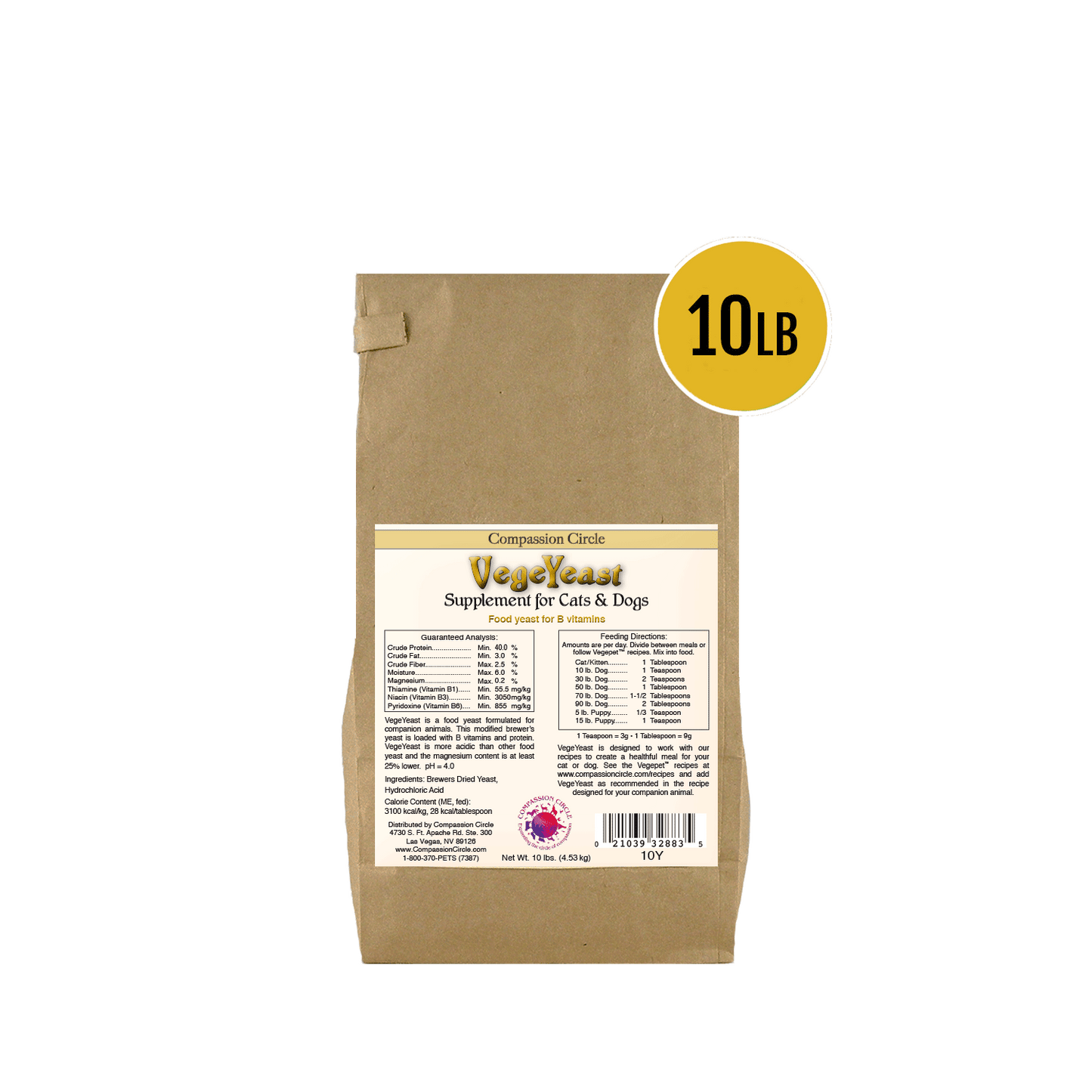
Owners frequently compare brands — the deciding factors are fortification and whether anything else is on the ingredient list.
Credit: www.reddit.com
Stir it into warmed wet food. The most reliable method. Warming canned food to roughly body temperature releases aroma, and the yeast dissolves into the gravy instead of sitting on top as a dry layer that some cats find off-putting. If you feed high-moisture meals, our roundup of premium canned options is a sensible starting point for the base food.
Make a slurry for dry-food eaters. Mix the yeast with a teaspoon of warm water or unsalted bone broth until it's a thin paste, then toss the kibble in it. Dry flakes on dry kibble mostly end up at the bottom of the bowl.
Use it as a training reward. Rub a whisper of yeast onto a favourite treat to raise its value. Owners doing clicker work often find that the same treat works twice as well "seasoned." That approach fits neatly with structured reward-based sessions and with the broader idea that cats respond to cue training far better than their reputation suggests.
Use it on a lick mat. A thin smear of wet food dusted with yeast turns a two-minute meal into a ten-minute enrichment activity — useful for fast eaters and cats that vomit after gulping.
One thing to avoid: don't pre-load an automatic feeder with yeast-topped wet food and leave it for hours. The topper doesn't spoil faster than the food itself, but wet meals in general need cooling and timing control. If you rely on scheduled feeding, choose a chilled dispenser built for wet meals and add the yeast at serving time.

Pet-marketed toppers are usually unfortified flakes — check the panel rather than trusting the front label.
Credit: www.amazon.com
Choosing the Right Product
Fortified vs. unfortified
Fortified nutritional yeast has synthetic B vitamins (especially B12, folic acid and niacin) sprayed on after processing, at levels calculated for a 150-lb human. Unfortified contains only the B vitamins the yeast produced itself.
For daily use in a cat already eating a complete diet, unfortified is the safer default. B vitamins are water-soluble and excess is largely excreted, but there's no benefit in repeatedly stacking human-scale fortification onto a diet that already meets requirements. If your vet has flagged a specific B12 issue, they'll prescribe cobalamin properly rather than relying on a food topper.
Flakes vs. powder vs. granules
- Flakes — lightest, easiest to portion by eye, best for sprinkling. Preferred by most cats.
- Powder — dissolves best into wet food and slurries, but is roughly twice as dense by volume. Halve your teaspoon measurement.
- Granules — coarse and crunchy; some cats spit them out.
Read the ingredient panel
The panel should say one thing: inactive/dried yeast (plus added vitamins if fortified). Reject anything containing:
- Added salt, garlic powder or onion powder — alliums are toxic to cats
- "Cheese seasoning," "vegan cheese blend," or any spice mix
- Sugar, maltodextrin, or artificial flavours
- Xylitol (rare here, but always worth a scan)
Human-grade jars are fine and often cheaper per gram than pet-branded ones — the ingredient list matters far more than the shelf it came from. If you want to check how a specific pet product is regulated or whether it's been subject to a recall, the U.S. Food and Drug Administration maintains the authoritative pet food and animal supplement information.
Storage: seal tightly, keep dark and dry, and use within about three months of opening. Yeast is hygroscopic; clumped, stale-smelling flakes lose aroma, and aroma is the whole point.
Signs You're Giving Too Much
Cut back or stop if you see any of the following:
Loose stool or soft, pudding-like faeces. The earliest and most common sign. Usually resolves within 24–48 hours of reducing the dose by half.
Increased gas or gurgling. A fibre-load reaction, not an allergy. Reduce, then rebuild more slowly.
Vomiting shortly after meals. Stop the yeast entirely, feed plain food for three days, then reassess. Persistent vomiting is a vet visit, not a dosing tweak.
Food refusal or turning away from a previously loved bowl. Ironically, too much yeast makes food unpalatable. Heavy dusting overwhelms the very cats it's meant to tempt.
Itching, ear inflammation, over-grooming, facial swelling. Rare, but yeast is a recognised (if uncommon) food allergen in pets. Stop immediately and call your vet.
Creeping weight gain. Yeast itself is low-calorie, but it's usually being added on top of full portions plus treats. If the number on the scale drifts up, the extras budget has been blown.
A note on thirst: if your cat is suddenly drinking noticeably more, don't blame the yeast — plain flakes are low in sodium. Increased thirst warrants screening for kidney disease, diabetes and hyperthyroidism. That's a vet call, promptly.
Cats That Should Skip Nutritional Yeast
This is where a lot of generic advice falls short. Nutritional yeast is not universally appropriate.
Cats with chronic kidney disease (CKD). Yeast is comparatively high in phosphorus, and phosphorus restriction is one of the few dietary interventions with clear survival benefit in feline CKD. Don't add it without explicit veterinary approval — and if renal disease is on the table, the base diet matters far more, which is why phosphorus-controlled renal formulas exist in the first place.
Cats with urate or ammonium biurate stones, or a portosystemic liver shunt. Yeast is rich in purines, which metabolise to uric acid.
Cats with known yeast or mould sensitivity, or diagnosed food allergy. Skip it, or trial only under veterinary supervision after an elimination diet.
Cats with IBD or chronic diarrhoea in an active flare. Adding fermentable fibre mid-flare tends to make things worse. Wait for stability.
Kittens under 12 weeks. They need calories and complete nutrition, not toppers. Their appetite rarely needs bribing anyway.
Cats on prescription therapeutic diets. These are formulated to tight nutrient targets, and toppers undermine that precision. Ask before you add anything.
Cats taking MAO-inhibiting medications (rarely, selegiline in some behavioural or endocrine protocols) — yeast contains tyramine. Confirm with your vet.
Five Mistakes Owners Make Most Often
- Measuring by eye with a soup spoon. Buy a 1/8 and 1/16 teaspoon measure. Guessing consistently drifts upward.
- Adding it to fix a food the cat already dislikes. If a cat rejects a food outright, yeast buys you a few meals, not a solution. Switch to a moist food they'll genuinely eat instead of masking the problem.
- Starting two new things at once. Yeast plus a new probiotic plus a new food means you learn nothing when something goes wrong.
- Feeding the same amount to a 6-lb senior and a 15-lb Maine Coon. Dose by body weight and appetite, not by habit.
- Assuming "natural" means "unlimited." It doesn't. Nutritional yeast is a concentrated food, and cats have small bodies.
Alternatives and Complements Worth Knowing
Nutritional yeast isn't the answer to every gap. Here's how it stacks up against the other common additions:
| Supplement | Best used for | Practical notes |
|---|---|---|
| Omega-3 (EPA/DHA fish oil) | Skin, coat, joints, inflammation | Dose by EPA+DHA milligrams, not drops; refrigerate; rancid oil is worse than none |
| Feline probiotics | Post-antibiotic gut recovery, stress diarrhoea | Choose strains validated in cats; refrigerated or shelf-stable per label |
| Taurine | Heart and retinal health | Complete commercial diets already meet needs; only supplement on veterinary advice |
| Glucosamine / chondroitin | Older cats with stiffness | Slow-acting; judge over 6–8 weeks, not days |
| Brewer's yeast | B vitamins, coat | Cheaper, but bitter — expect refusals |
| Multivitamins | Homemade or unbalanced diets | Unnecessary and potentially harmful alongside a complete diet |
A word on "natural" treats generally: cats need very few plant extras. Some are harmless in trace amounts, some aren't. If you're curious about produce-based snacks, our take on dried berry treats explains where the line sits.
Warmed wet food is the ideal carrier — the aroma does most of the work before the yeast is even added.
Credit: cattime.com
When to Talk to Your Vet
Book a conversation — not just an email — if:
- Your cat has any diagnosed kidney, liver, urinary or gastrointestinal condition
- Appetite loss is the reason you're reaching for yeast in the first place (that's a symptom, not a preference)
- Stool changes persist more than 72 hours after you stop the yeast
- Your cat is on a prescription diet or long-term medication
- You're feeding a homemade diet — in that case, a board-certified veterinary nutritionist is the right call, and yeast is the least of what needs balancing
Bring your two-line diary. "Quarter teaspoon daily for eleven days, stool score 2 to 4 from day six" is far more useful to a vet than "she's been a bit off."
Frequently Asked Questions
How much nutritional yeast can a cat have per day?
Most healthy adult cats do well on 1/8 to 1/4 teaspoon of flakes daily, with half a teaspoon as an upper ceiling for larger cats. Start at a pinch, increase over about ten days, and keep all extras under 10% of daily calories.
Can kittens have nutritional yeast?
Wait until at least 12 weeks, then use no more than 1/16–1/8 teaspoon. Kittens have high calorie and nutrient demands that must be met by a complete growth diet, not toppers.
Is nutritional yeast the same as brewer's yeast?
No. Both are inactive S. cerevisiae, but nutritional yeast is grown specifically for food and tastes mildly cheesy, while brewer's yeast is a brewing by-product and is distinctly bitter. Nutritional yeast is far more likely to be accepted by cats.
Does nutritional yeast keep fleas off cats?
No. Despite the persistence of this claim, there's no reliable evidence that dietary yeast repels fleas. Use a veterinary-recommended preventive product on the schedule your vet advises.
Can nutritional yeast cause diarrhoea in cats?
Yes — usually from too much, too fast. The fibre content is the culprit more often than the yeast itself. Halve the dose, hold for a week, then rebuild slowly.
Should I choose fortified or unfortified nutritional yeast?
Unfortified is the safer everyday choice for a cat already eating a complete, balanced diet. Fortified versions are dosed for human requirements and offer no advantage in a small carnivore.
Do all cats like the taste?
No — acceptance is high but not universal. Roughly speaking, most cats take to it and a meaningful minority ignore or actively avoid it. If you want a fuller picture of feline reactions to the flavour, our piece on whether the flavour appeals to felines covers what owners typically report.
Can I give nutritional yeast to a cat on a prescription diet?
Ask your vet first. Therapeutic diets are formulated to precise nutrient limits — particularly phosphorus and protein — and even small additions can undermine them.
The Bottom Line
Nutritional yeast is a low-risk, low-cost tool with one standout use: making food more appealing to a cat who isn't enthusiastic about eating. The B vitamins and prebiotic fibre are a genuine bonus, but they're the supporting act, not the headline.
Get three things right and you'll avoid almost every problem:
- Dose by weight — 1/8 to 1/4 teaspoon for most adult cats, half a teaspoon maximum.
- Introduce over ten days, not overnight, and split the dose across meals.
- Check the label — inactive yeast only, no salt, no garlic or onion, no seasoning blends.
And keep the priorities straight: a topper can never rescue a poor base diet. If your cat's appetite, coat or stools genuinely need work, the food in the bowl is where the fix lives.
Next step: before you buy another jar of flakes, spend ten minutes auditing what your cat actually eats every day — our guide to choosing a nutritionally complete food will tell you in one read whether a topper is a nice extra or a patch over a real gap.