
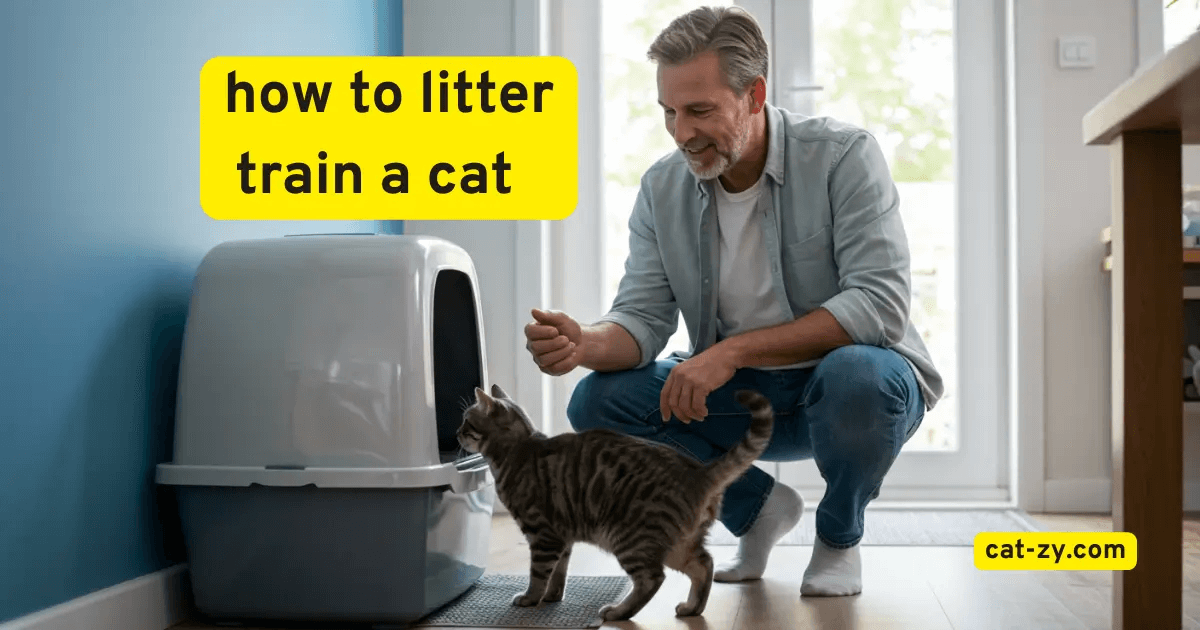
Stepping in an unexpected puddle of cat urine, finding half-buried waste on your carpet, or dealing with persistent odors from a poorly maintained box are among the most frustrating parts of cat ownership. The good news? Litter training is far simpler than most people assume, because cats have an innate, hardwired instinct to bury their waste to hide their scent from predators and mark their territory. Whether you’re bringing home a new kitten, adopting an adult cat from a shelter, or troubleshooting accidents from a long-time pet, this guide provides actionable, vet-backed steps to help your cat use their litter box consistently, no punishment or stress required.
Why Litter Training Comes Naturally to Most Cats
According to the Cornell Feline Health Center's resources on feline elimination behavior, cats have an innate instinct to bury their waste to hide their scent from predators and mark their territory, which is why most cats adapt to litter boxes with very little formal training. Most kittens learn proper elimination habits from their mother as early as 3 weeks old, so by the time they’re 8 weeks and ready to go to a new home, they already understand the concept of using a designated spot for waste. Adult cats, even those who have never used a litter box before, will almost always take to a properly set up box with minimal guidance, as the soft, diggable texture of litter mimics the soil, sand, or leaves they would use outdoors. The only time litter training requires extra work is when the box setup, location, or litter type doesn’t align with your cat’s natural preferences. You can also read our guide on can you train cats like dogs.
Step 1: Choose the Right Litter Box for Your Cat’s Needs
The right litter box is the foundation of successful training. A box that’s too small, hard to access, or placed in a stressful location will deter even the most well-behaved cat from using it, leading to accidents and long-term aversion.
Size and Design
As a general rule, your cat’s litter box should be at least 1.5 times their full length (measured from the tip of their nose to the base of their tail) to give them enough space to move, dig, and turn around comfortably. For context, a 10-pound average domestic shorthair is roughly 18 inches long, so they need a box that’s at least 27 inches long. High sides work well for cats that kick litter aggressively, but entry points should be no higher than 2-3 inches for kittens under 4 months old, senior cats with arthritis, or cats with mobility issues. Avoid boxes with complicated built-in features like attached ramps, decorative tops, or non-removable liners, as these make cleaning harder and can feel confusing or restrictive to your cat. Many purpose-built cat-specific design features prioritize ergonomic access and easy cleaning over generic pet store options. You can also read our guide on automatic self cleaning cat litter box.
Covered vs. Uncovered Boxes
Covered litter boxes are marketed as odor-controlling and private, but they come with significant downsides for most cats. The enclosed space traps ammonia and waste odors inside, which can be overwhelming for cats with sensitive noses, leading them to avoid the box entirely. Covered boxes also block your cat’s line of sight, making them feel vulnerable to ambushes from other pets or sudden noises, which is especially stressful in multi-cat households. Uncovered boxes are the better choice for almost all cats, as they provide easy access, full visibility, and better airflow. If you need extra odor control or have limited space, opt for a covered box with a fully removable top so your cat can exit quickly if startled, and you can clean the interior easily.
Special Considerations for Kittens and Senior Cats
Kittens under 4 months old need low-entry boxes with sides no higher than 1 inch, so they can climb in without struggling. Avoid deep litter at this stage, as kittens may try to eat it, posing a choking hazard. For senior cats with joint pain or arthritis, look for boxes with low, wide entry points and non-slip surfaces to prevent falls when they climb in and out. Ramps can also help cats with limited mobility access the box without jumping. You can also read our guide on how to handle aggressive cat behavior.
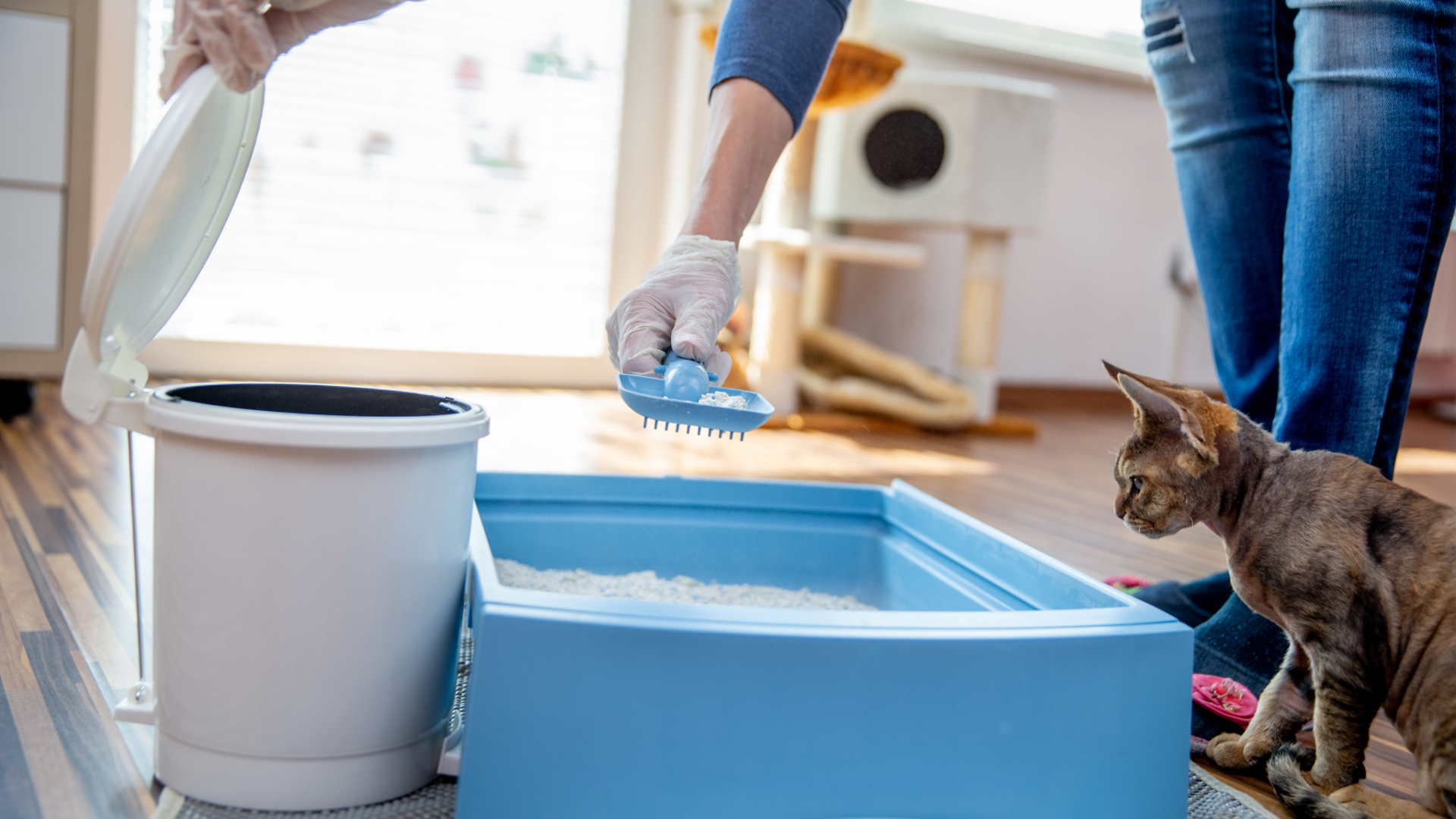
A kitten exploring a low-entry litter box designed for young cats
Credit: www.petsradar.com
Step 2: Pick the Ideal Cat Litter
Litter texture, scent, and material play a huge role in whether your cat will use their box consistently. Cats have sensitive paws and noses, so even small differences in litter can turn them off from using the box entirely.
Litter Material Comparisons
There are four main types of cat litter, each with distinct pros and cons for different households and cat needs:
| Litter Type | Pros | Cons | Best For |
|---|---|---|---|
| Clumping clay | Affordable, easy to scoop, widely available | Dusty, non-biodegradable, can track on paws | Most average households, cats without respiratory issues |
| Silica gel | Low dust, excellent odor control, lasts 2-4x longer than clay | Expensive, some cats dislike the gritty texture | Cats with allergies, owners who want less frequent litter changes |
| Natural (pine, corn, wheat) | Biodegradable, low dust, mild natural scent | More expensive, may not clump as well as clay | Eco-conscious owners, cats with sensitive paws |
| Paper | Extremely soft, dust-free, non-toxic | Poor odor control, needs to be changed 2-3x more often than clay | Kittens, post-surgery cats, cats with severe allergies or paw injuries |
Scented vs. Unscented
Scented litter may seem like a good solution for masking odors, but strong artificial fragrances can irritate a cat’s sensitive nasal passages, and many cats avoid boxes with unfamiliar scents because they can’t mask their own odor effectively. Unscented litter is the safest, most reliable choice for almost all cats, especially during the initial training period. If you need extra odor control, sprinkle a thin layer of baking soda under the litter each time you change it instead of relying on scented products. You can also read our guide on cat litter box mats best.
Litter Depth Best Practices
Most cats prefer 2-3 inches of litter, deep enough to dig and fully bury their waste, but not so deep that it spills over the sides when they kick. Kittens under 6 months old only need 1 inch of litter to reduce the risk of them eating it, which can cause intestinal blockages. If your cat is kicking litter all over the floor, try reducing the depth by half an inch to see if that resolves the issue.
Step 3: Place the Litter Box in the Perfect Spot
Even the best litter box and litter won’t work if it’s in the wrong location. Cats are picky about their bathroom spots, and placement is often the make-or-break factor for litter training success.
Privacy First
Cats are vulnerable when using the bathroom, so they need a spot where they won’t be startled by loud noises, other pets, or passing family members. Avoid placing the box near appliances that make sudden noises (washing machines, furnaces, dryers) or in high-traffic areas like hallways, entryways, or kitchens. Cats also refuse to use a box placed directly next to their food and water bowls, as they associate eating and bathroom areas with separate spaces in the wild.
Accessibility Rules
The litter box should be on the same floor as where your cat spends 80% of their time, with no obstacles (tight spaces, closed doors, steep stairs) blocking access. For multi-story homes, place at least one box on each floor so your cat doesn’t have to travel far when nature calls. If you have a kitten or senior cat, make sure the path to the box is well-lit at night, as cats are crepuscular and may need to use the box after dark.
Spots to Avoid at All Costs
Never place the litter box in a laundry room, garage, or basement unless it’s the only option, as these areas are often cold, damp, or have strong chemical smells (from cleaning products, paint, or gasoline) that deter cats. Avoid corners where your cat can be trapped by other pets or people, and don’t hide the box in a closet or cabinet, as cats need to feel like they have an escape route. If you need superior odor containment for a box in a visible area, opt for a model with a built-in carbon filter rather than a fully enclosed cover that stresses your cat.
An uncovered litter box placed in a low-traffic, private area of the home
Credit: www.instagram.com

Step 4: Introduce Your Cat to the Litter Box
Introductions don’t need to be a big production – most cats will explore the box on their own if it’s in a quiet, accessible spot. But tailored guidance for kittens vs. adult cats can speed up the process and reduce accidents.
Kitten vs. Adult Cat Introductions
For kittens under 12 weeks old, place them in the litter box 10-15 minutes after meals, after waking up from naps, and after active playtime – these are the times they’re most likely to need to eliminate. Gently scratch the litter with your finger to demonstrate the digging motion, then let them explore on their own. Never force a kitten into the box, as this will create a negative association. For adult cats, especially rehomed rescue cats, place the box in a small, quiet enclosed space (like a spare bathroom or bedroom) for the first few days, so they can get used to the scent and location without feeling overwhelmed. Let them explore the space freely, and place the box in its permanent location once they’re comfortable in the home.
Positive Reinforcement Techniques
Punishing your cat for accidents outside the box will only make them fear you and avoid the box even more, as cats don’t connect punishment with past actions. Instead, reward them immediately (within 2 seconds of them finishing in the box) with a small, high-value training reward like a soft treat or gentle praise. If you use clicker training, click the moment they finish using the box, then give the treat, so they associate the sound with the correct behavior. Reward every successful use for the first 2-3 weeks to build a strong positive habit.
What to Do If Your Cat Resists
If your cat sniffs the box and walks away, or eliminates right next to it, first check for three common issues: the box is dirty, the litter is a type they dislike, or the location is too stressful. You can also add a small amount of your cat’s own waste to the box to encourage them to use it, as the familiar scent will signal that it’s a designated bathroom spot. If they still resist, try a different litter type or move the box to a new quiet location.
Step 5: Maintain a Clean Litter Box Routine
Cats are fastidious about cleanliness, and a dirty box is the number one cause of litter box avoidance. A consistent cleaning routine keeps the box inviting and prevents odors from spreading through your home.
Daily, Weekly, and Monthly Cleaning Tasks
Scoop solid waste and clumps at least once per day, twice a day if you have multiple cats. Completely empty and refill the litter once a week, washing the box with mild, unscented soap and warm water to remove stuck-on waste and bacteria. Never use harsh chemicals like bleach or ammonia, as the strong smells will deter your cat from using the box. Once a month, do a deep clean: scrub the box with a mixture of equal parts water and white vinegar, rinse thoroughly, and let it air dry completely before adding new litter.
Odor Control That Won’t Deter Your Cat
Avoid plug-in air fresheners, scented sprays, or scented liners near the box, as these can overwhelm your cat’s sensitive nose and make them avoid the area. Instead, sprinkle a thin layer of baking soda under the litter each time you change it to neutralize odors without adding fragrance. If you struggle to keep up with daily scooping, a self-cleaning model that automatically removes waste after each use reduces odor and keeps the box consistently inviting for your cat, making it a great investment for busy households.
Troubleshooting Common Litter Training Setbacks
Even with a perfect setup, you may run into occasional issues. Most setbacks have simple, fixable causes, so don’t panic if your cat has an accident or starts avoiding their box.
Litter Box Avoidance
If your cat is consistently eliminating outside the box, the first step is to rule out medical issues: urinary tract infections, kidney disease, constipation, and arthritis can all cause cats to avoid the box because they associate the pain of urinating or defecating with the box. As noted by the ASPCA's guidance on litter box problems, the first step in addressing litter box avoidance is ruling out medical causes, as pain or discomfort during elimination is the most common reason cats abandon their box. Take your cat to the vet for a checkup first. If they’re healthy, check for stressors: a new pet, new family member, or moved furniture near the box can make cats anxious and avoid the box. Try moving the box to a new quiet spot, or adding a second box in a different location to give them options.
Multi-Cat Household Challenges
In homes with multiple cats, territorial guarding is a common cause of litter box avoidance. The standard rule is one litter box per cat, plus one additional box, placed in separate, private locations around the home. This prevents a dominant cat from blocking access to boxes for more timid cats. If you notice one cat bullying another near the box, place the boxes in separate rooms with multiple exits so the timid cat can escape if needed. You may also need to use different litter types in different boxes if your cats have conflicting preferences. For households with 3+ cats, a purpose-built multi-cat household model with extra space and multiple entry points can reduce conflicts and give each cat their own designated space.
Accidents Outside the Box
If you find an accident, clean it immediately with an enzymatic cleaner that breaks down the waste scent – regular soap or household cleaners won’t remove the odor markers, and your cat will be drawn back to the same spot to go again. Never rub the accident in, as this spreads the scent further into carpets or furniture. If your cat is consistently going on soft surfaces like beds or couches, they may prefer a softer litter texture – try adding a small amount of paper litter to their box to see if that resolves the issue.
Expert Tips for Long-Term Success
Small, consistent habits make litter training stick for the long term, and help you avoid common mistakes that lead to setbacks:
- Stick to a consistent feeding and play routine, so you can predict when your cat will need to use the box, and reward them immediately after successful use. Using positive reinforcement training methods will build a strong positive association with the box faster than any other approach.
- Avoid switching litter types suddenly. If you need to change litter, mix a small amount of the new litter in with the old over 7-10 days, gradually increasing the ratio of new litter, so your cat doesn’t reject the unfamiliar scent or texture.
- Keep the litter box at least 10 feet away from your cat’s food and water bowls, as cats will not eliminate near where they eat.
- For kittens, confine them to a small room (like a bathroom or laundry room) with their box, food, water, and bed for the first 1-2 weeks, so they can’t have accidents elsewhere in the house and learn to associate the box with the bathroom spot. This is one of the most common mistakes new cat owners make, letting kittens roam the whole house before they’re fully trained.

Positive reinforcement with treats helps cats associate litter box use with rewards
Credit: www.purina.com
Frequently Asked Questions
How long does it take to litter train a cat?
Most kittens learn to use the litter box consistently within 3-4 weeks, while adult cats may take 1-2 weeks to adjust to a new box in a new home. Kittens under 8 weeks old may need up to 6 weeks of consistent guidance, as they have less control over their bladder and bowels. If your cat hasn’t learned after a month, check for medical issues or stressors in their environment.
Are cats easy to litter train?
Yes, roughly 90% of cats take to litter training with minimal effort, thanks to their natural instinct to bury waste. The remaining 10% usually have an underlying issue: an unclean box, disliked litter, stressful location, or medical problem, all of which are fixable with small adjustments.
What is the fastest way to litter train a kitten?
The fastest method is to confine the kitten to a small, enclosed space (like a bathroom) with their litter box, food, water, and bed for the first 7-10 days. Place the kitten in the box immediately after meals, naps, and playtime, and reward them with a treat every time they use it. Scoop the box at least twice a day to keep it clean, and keep it in the same permanent spot the entire time. After 10 days, if they’re using the box consistently, you can let them explore the rest of the house.
How do I encourage my cat to pee in the litter box?
If your cat is peeing outside the box but pooping in it, they may have a urinary tract issue, so take them to the vet first for a checkup. If they’re healthy, make sure the box is large enough for them to turn around in, and that you’re scooping it frequently – many cats avoid boxes that have urine clumps sitting in them. You can also try adding a second box in a different quiet location, as some cats prefer to pee and poop in separate boxes.
Why is my cat scratching the floor next to the litter box?
This usually means the box is too small, the litter is too shallow, or the litter texture is uncomfortable for your cat. Try adding 1-2 inches more litter, switching to a softer material like paper or natural litter, or upgrading to a larger box. If the behavior continues, it may be a sign of stress or a medical issue, so consult your veterinarian.
Final Thoughts
Litter training is one of the easiest parts of cat ownership for most people, thanks to your cat’s natural instinct to bury waste. The key to success is aligning your setup with your cat’s preferences: a large, accessible box, unscented litter they like, a quiet private location, and a consistent cleaning routine. Avoid punishment for accidents, as this will only create fear and make the problem worse. If you’re still facing challenges after trying these steps, schedule a veterinary checkup to rule out underlying health issues, or connect with a certified cat behaviorist for personalized guidance tailored to your cat’s unique needs.