
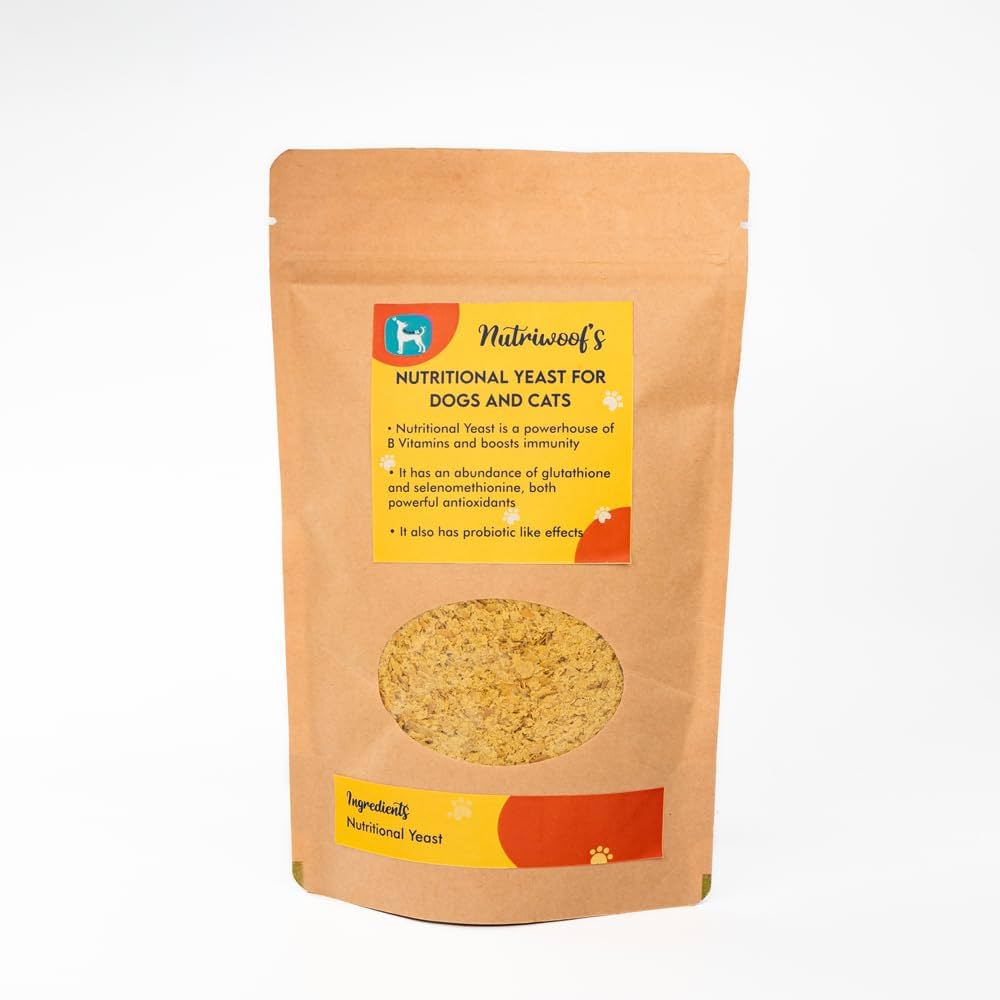
If you’ve scrolled through pet wellness forums or heard fellow cat owners rave about the human superfood nutritional yeast, you’re probably wondering: can cats have nutritional yeast, and is it actually a healthy treat option? As a popular deactivated yeast staple in vegan and vegetarian kitchens, nutritional yeast’s cheesy, umami flavor and high nutrient density have made it a trending supplement for pets in recent years—but it’s not a one-size-fits-all addition to your cat’s diet.
Veterinarians regularly field questions about this ingredient, as owners look for safe, natural ways to boost their cat’s nutrition or entice picky eaters. While plain nutritional yeast is low-risk for most healthy cats in small amounts, there are important safety considerations, potential benefits, and clear guidelines to follow before adding it to your pet’s meals. In this guide, we’ll break down exactly what nutritional yeast is, how it impacts feline health, when to avoid it, and how to incorporate it safely if it’s a good fit for your cat. You can also read our guide on what is critical nutrition cat food used for.
What Is Nutritional Yeast?
Nutritional yeast is a deactivated form of the yeast strain Saccharomyces cerevisiae, grown specifically for its nutrient content rather than leavening properties, per the National Center for Complementary and Integrative Health overview of nutritional yeast. Unlike active baking yeast used for bread or brewer’s yeast (a bitter byproduct of beer production), it is heat-treated to render it inactive, so it will not ferment or rise when added to food.
It is most commonly sold as yellow flakes or a fine powder, with a distinct nutty, cheesy, umami flavor that makes it a popular vegan cheese substitute. Its nutrient profile includes B vitamins (thiamine, riboflavin, niacin, B6, and often fortified B12), complete plant-based protein, dietary fiber, and immune-supporting beta-glucans. Most plain varieties are also low in sodium, sugar, and fat, which is part of why it has gained popularity as a health supplement for people. You can also read our guide on do cats like nutritional yeast.
In human diets, nutritional yeast is most often sprinkled on popcorn, pasta, salads, and soups, or used as a base for vegan cheese sauces. Its mild, savory flavor and high nutrient density are the same traits that have led cat owners to experiment with adding it to their pet’s meals.

Plain, unflavored nutritional yeast is the only safe variety for cats, as flavored options often contain toxic additives.
Credit: www.reddit.com
Is Nutritional Yeast Safe For Cats?
The short answer is: plain, unflavored nutritional yeast is considered low-risk for healthy adult cats when fed in strict moderation, per most small animal veterinarians. That said, it is not safe for all cats, and there are important distinctions between nutritional yeast and other yeast products that pet owners often confuse. You can also read our guide on what sort of nutrition is needed for a sick cat.
The most critical safety note is that nutritional yeast is deactivated, so it does not pose the same risks as active baking yeast or raw yeast dough. Active yeast ferments in a cat’s stomach, producing gas and alcohol that can cause life-threatening bloating, distress, and alcohol toxicity. Nutritional yeast does not ferment, so this specific risk does not apply.
That said, there are still risks to consider before feeding it to your cat:
- High purine content: Nutritional yeast is rich in purines, which break down into uric acid. For cats with chronic kidney disease, lower urinary tract disease, or a history of urate crystal formation, this can worsen existing conditions. Guidance from the Cornell University Veterinary Medicine guide to feline kidney disease notes that high-purine foods are a known risk factor for urinary and kidney complications in susceptible cats.
- Toxic added ingredients: Many commercial nutritional yeast brands are flavored with garlic, onion, cheese, or excess salt—all of which are toxic to cats. Even small amounts of garlic or onion can cause red blood cell damage in felines.
- Allergic reactions: While rare, some cats may be sensitive to yeast, with symptoms including itching, hives, vomiting, or diarrhea. Discontinue use immediately and consult your vet if these occur.
- Overconsumption: Even for healthy cats, more than 1 teaspoon per day can cause digestive upset (gas, bloating, soft stool) due to its high fiber and purine content.
Potential Benefits For Cats
For healthy cats with no pre-existing health conditions, plain nutritional yeast can offer a small number of benefits when used as a supplement (never a meal replacement):
- B vitamin support: The B vitamin complex in nutritional yeast supports energy metabolism, nervous system function, and healthy skin and coat. This can be particularly useful for cats on unbalanced homemade diets that may be deficient in these nutrients.
- Immune support: Nutritional yeast contains beta-glucans, polysaccharides that have been shown to support immune function in animals. While not a replacement for veterinary care, this can be a small added benefit for healthy cats.
- Palatability for picky eaters: The umami, cheesy flavor of nutritional yeast is appealing to many cats, making it a useful tool for enticing finicky eaters to finish their regular food, or for cats with reduced appetite due to stress or mild illness.
- Low-calorie protein boost: As a complete plant-based protein, it adds a small amount of protein to your cat’s diet without excess calories, which can be helpful for cats on weight management plans.
It is critical to prioritize a nutritionally complete cat food formulas as the foundation of your cat’s diet, however. Cats are obligate carnivores that require animal-based protein to thrive, and no plant-based supplement can replace the core nutrients they get from meat-based meals. You can also read our guide on can cats have freeze dried strawberries.
Risks And Precautions To Consider
While nutritional yeast is low-risk for most healthy cats, it is not appropriate for all pets, and overfeeding can cause harm. Keep these precautions in mind:
- Avoid for cats with kidney or urinary issues: As noted earlier, its high purine content makes it unsuitable for cats with chronic kidney disease, lower urinary tract disease, or a history of urinary crystals. If your cat has been diagnosed with any of these conditions, avoid nutritional yeast entirely, and stick to low-purine treats as part of their kidney-friendly dietary options.
- Only use plain, unflavored varieties: Always check ingredient labels to ensure the nutritional yeast has no added garlic, onion, salt, artificial flavors, or seasonings. Even small amounts of garlic or onion powder can be toxic to cats.
- Start with a test dose: Introduce nutritional yeast slowly, starting with 1/8 teaspoon mixed into your cat’s food. Monitor for 2–3 days for signs of digestive upset or allergic reaction before increasing to a full serving.
- Never overfeed: For average adult cats, limit intake to no more than 1/2 teaspoon per day. Kittens, senior cats, and cats with pre-existing health conditions should only have nutritional yeast under direct veterinary guidance.
- Check for medication interactions: If your cat is on MAO inhibitors (rarely prescribed for behavioral or neurological issues) or urinary medications, consult your vet before feeding nutritional yeast, as its tyramine and purine content can interact with some drugs.
How To Safely Add Nutritional Yeast To Your Cat's Diet
If your veterinarian approves nutritional yeast for your cat, follow these simple steps to incorporate it safely:
- Choose the right product: Opt for plain, unflavored, unsalted nutritional yeast with no added ingredients. Avoid brewer’s yeast, which is more bitter and higher in purines, and never use active baking yeast.
- Mix into regular food: The easiest way to serve nutritional yeast is to mix the recommended dose into your cat’s daily wet or dry food. If you use an automatic wet food wet food automatic feeders to serve your cat’s meals, mix the yeast in thoroughly to ensure even distribution across servings.
- Use as a treat topper: For picky eaters, sprinkle a tiny amount of nutritional yeast atop their food to encourage them to eat. You can also mix small amounts into homemade cat treats (ensure all other ingredients are cat-safe).
- Monitor your cat’s reaction: Watch for signs of digestive upset (vomiting, diarrhea, gas) or allergic reactions (itching, hives) after introducing the yeast. Discontinue use and consult your vet if any symptoms occur.
- Never use it as a meal replacement: Nutritional yeast is a supplement only, and should make up no more than 1% of your cat’s daily caloric intake.
If your cat is a finicky eater, you may find our guide to encouraging consistent eating habits helpful alongside supplement use.
Veterinary Perspectives On Nutritional Yeast
Most small animal veterinarians view plain nutritional yeast as a low-risk, low-reward supplement for healthy cats. It is not a necessary part of a feline diet, as cats can get all the B vitamins they need from a balanced, meat-based commercial or veterinary-formulated diet. That said, some vets may recommend it as a safe topper for picky eaters or cats with mild appetite loss due to stress or mild illness. You can also read our guide on how much nutritional yeast for cats.
A common mistake many owners make is assuming that because nutritional yeast is a health staple for humans, it is automatically safe and beneficial for cats in large quantities. Cats have very different nutritional requirements than humans, and excess supplementation can do more harm than good. For example, cats cannot absorb plant-based B12 as efficiently as humans, so the B12 boost from nutritional yeast is minimal for felines.
Veterinarians consistently advise against feeding nutritional yeast to cats with kidney disease, urinary issues, or a history of food allergies, and emphasize that it should never replace a nutritionally complete base diet. If you’re shopping for a complete meal, our roundup of the best quality wet cat food options can help you pick a formula that meets your cat’s core nutritional needs.
Healthy Alternatives To Nutritional Yeast
If your cat can’t have nutritional yeast due to allergies, health conditions, or taste preferences, these vet-approved alternatives are great options to add variety and nutrition to their diet:
- Plain cooked chicken or turkey: Lean, highly palatable animal protein that is low-risk for most cats. Always serve unseasoned, with no bones or skin.
- Freeze-dried salmon or sardines: Rich in omega-3 fatty acids, which support skin, coat, and joint health. Choose varieties with no added salt or preservatives.
- Plain scrambled egg: A complete protein source with vitamins A, D, and E. Serve unseasoned, and limit to 1–2 times per week to avoid excess fat intake.
- Small amounts of cooked chicken liver: Rich in B vitamins and vitamin A, but limit to 1/2 teaspoon per week to avoid vitamin A toxicity.
| Treat Option | Key Benefits | Considerations |
|---|---|---|
| Plain nutritional yeast | B vitamins, beta-glucans, high palatability, low calorie | High in purines, only for healthy cats in moderation |
| Plain cooked chicken | High animal protein, highly palatable, low risk for most cats | Must be unseasoned, no bones, not a replacement for balanced food |
| Freeze-dried salmon | Omega-3 fatty acids, supports skin/coat/joint health | High in fat, feed in small amounts, avoid added salt |
| Plain scrambled egg | Complete protein, vitamins A, D, E | Must be unseasoned, limit to 1-2 times per week to avoid excess fat |
For low-calorie, training-friendly treats that work for cats of all ages and health statuses, check out our guide to the best cat treats for training to find species-appropriate options your cat will love.
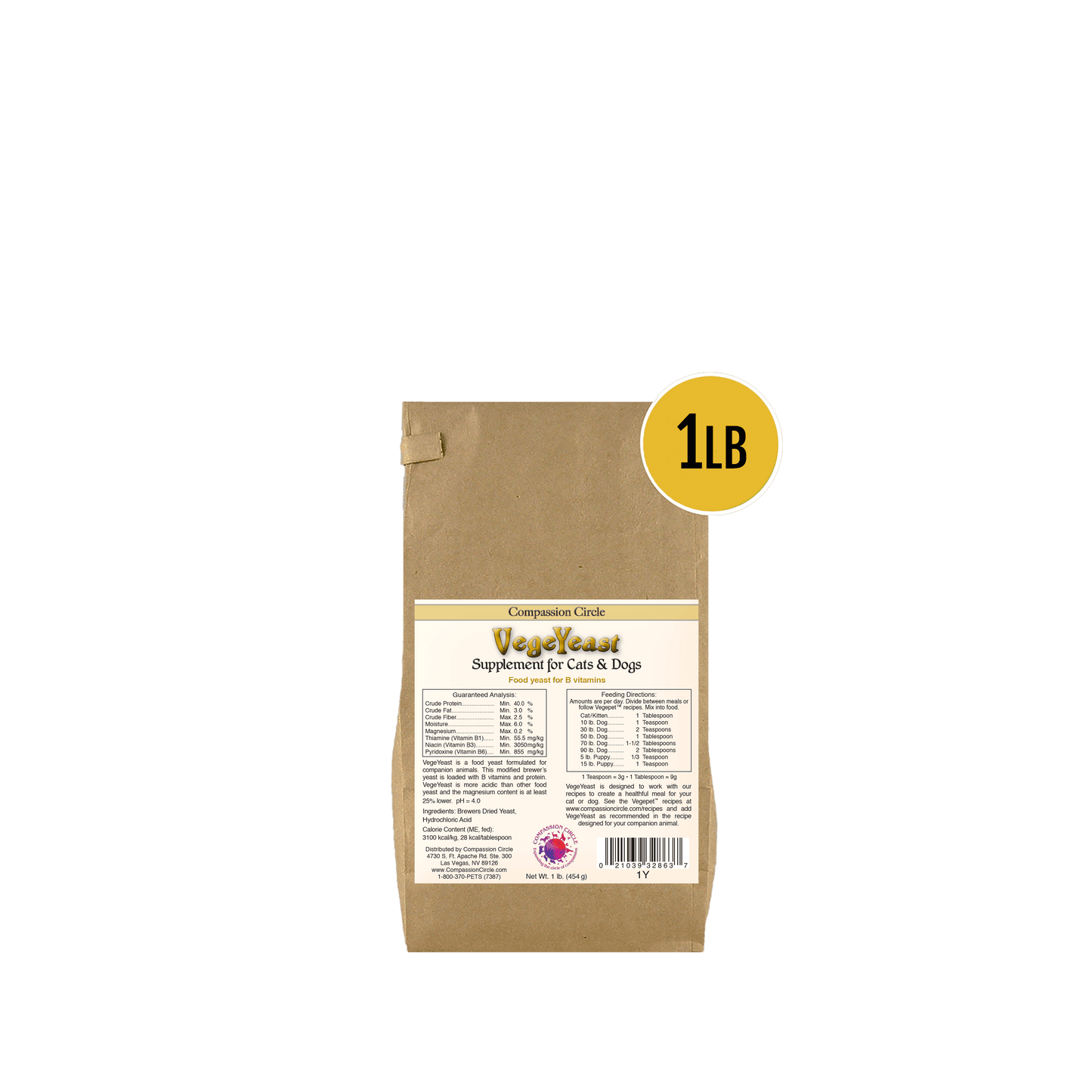
Always check the ingredient label to ensure nutritional yeast has no added garlic, onion, or excess salt before feeding to cats.
Credit: vecado.com
Frequently Asked Questions
Can cats eat active baking yeast or brewer's yeast?
No. Active baking yeast ferments in a cat’s stomach, producing gas and alcohol that can cause life-threatening bloating, distress, and alcohol toxicity. Nutritional yeast is deactivated, so it does not pose this risk, but always confirm you are using plain, deactivated nutritional yeast before feeding it to your cat.
Is nutritional yeast safe for cats with kidney disease?
No. Nutritional yeast is high in purines, which break down into uric acid. For cats with compromised kidney function, this can increase the risk of urate crystal formation in the urinary tract and worsen kidney health. Cats with kidney disease should avoid nutritional yeast entirely.
How much nutritional yeast can I give my cat?
For healthy adult cats, limit intake to no more than 1/2 teaspoon per day, mixed into their regular food. Always start with a test dose of 1/8 teaspoon and monitor for 2–3 days for any signs of digestive upset or allergic reaction before increasing the amount.
Can nutritional yeast repel fleas in cats?
There is no peer-reviewed evidence supporting the claim that nutritional yeast repels fleas. While some anecdotal reports exist, it should never replace veterinarian-recommended flea prevention treatments, which are proven safe and effective.
Are there any downsides to feeding nutritional yeast to cats?
For healthy cats, the only downsides are the risk of digestive upset from overconsumption and the high purine content, which makes it unsuitable for cats with kidney or urinary issues. For cats with sensitivities, it can also trigger allergic reactions. There are no long-term benefits to feeding it in large amounts, as cats cannot absorb plant-based B12 as efficiently as humans, so the nutrient boost is minimal compared to a balanced diet.
Conclusion
The bottom line: plain, unflavored nutritional yeast can be a safe, low-calorie supplement for healthy adult cats when fed in strict moderation, offering small benefits in the form of B vitamins, immune support, and palatability for picky eaters. It is not a necessary part of your cat’s diet, however, and should never replace a nutritionally complete base of animal-based protein. If your cat has kidney disease, urinary issues, or a history of food sensitivities, avoid nutritional yeast entirely, and always consult your veterinarian before introducing any new food or supplement to your pet’s routine.
If you’re looking for other vet-approved, species-appropriate treats to round out your cat’s diet, explore our guide to the best cat treats for training to find low-calorie, high-palatability options perfect for rewarding good behavior or enticing finicky eaters.
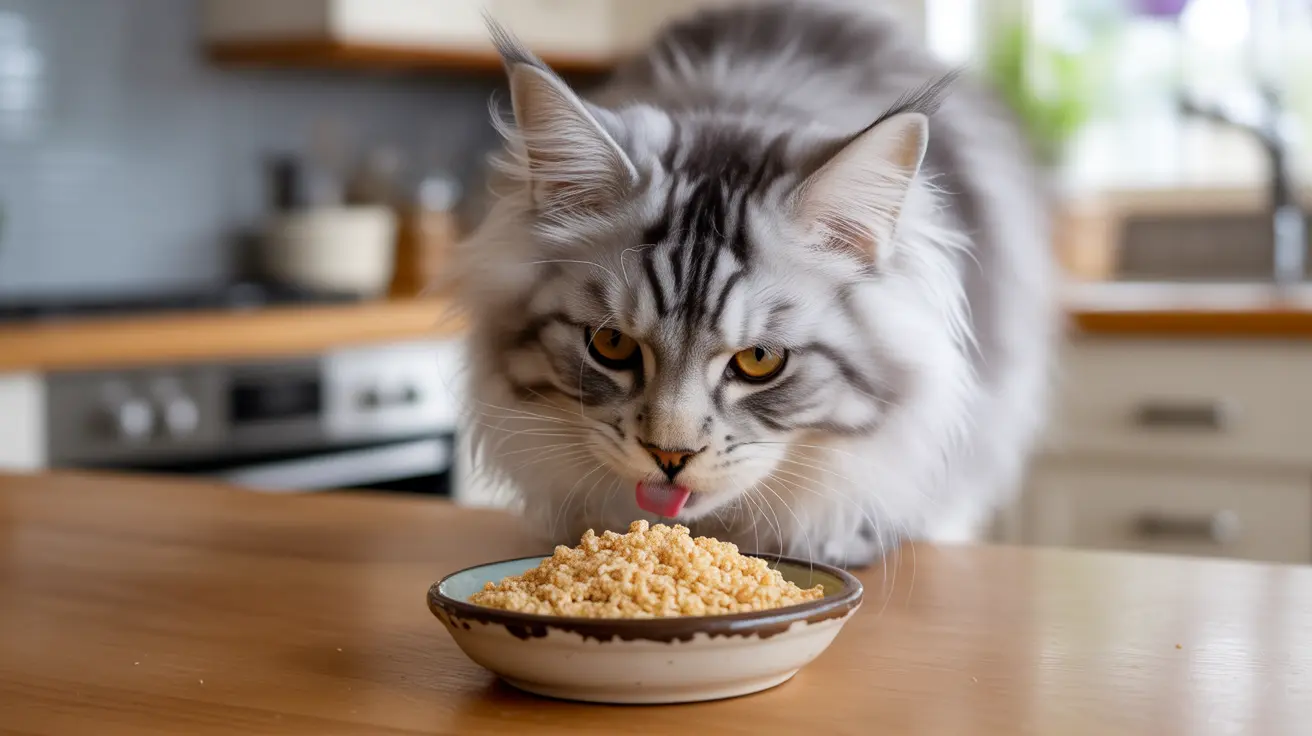
Nutritional yeast can be sprinkled atop your cat's regular kibble or wet food for a nutrient boost.
Credit: www.petscare.com
Storing Nutritional Yeast For Cat Use
Proper storage ensures nutritional yeast stays fresh and safe for your cat, while preventing spoilage or contamination that could cause digestive upset. Follow these simple guidelines to keep your supply in top condition:
- Store plain nutritional yeast in an airtight container in a cool, dark pantry, away from direct sunlight and heat sources. Exposure to light and moisture can degrade its B vitamin content over time.
- Once opened, most plain nutritional yeast stays fresh for 6–12 months. Check the product’s expiration date regularly, and discard it if you notice clumping, discoloration, or a sour, off smell.
- Never store nutritional yeast near strong-smelling foods (like onions or garlic) in your pantry, as it can absorb odors that may be unappealing or even harmful to your cat if ingested.
If you’re unsure about whether a new supplement fits into your cat’s routine, our guide to feline nutrition basics breaks down how to evaluate safe, beneficial additions to your pet’s diet. For cats with sensitive stomachs or dietary restrictions, premium wet food options often include added B vitamins and are formulated to be easy to digest, eliminating the need for extra supplements in many cases.