
If you’ve ever sprinkled nutritional yeast on your pasta, popcorn, or vegan cheese sauce and caught your cat staring longingly at your plate, you’re not alone. This savory, cheesy human supplement has piqued the curiosity of cat owners everywhere, who wonder if their finicky feline friends would enjoy the taste, and if it offers any health perks. As an obligate carnivore with very specific dietary needs, your cat’s diet requires careful consideration, so it’s natural to question whether this trendy human staple has a place in their bowl. This guide breaks down exactly what nutritional yeast is, whether cats like it, its potential benefits, safe feeding guidelines, and vet-approved best practices to keep your cat healthy and happy.
What Is Nutritional Yeast, Exactly?
Nutritional yeast is a deactivated form of Saccharomyces cerevisiae, the same species as active baker’s yeast, but it is heat-treated after harvesting to kill all live cultures. Grown on a molasses or sugarcane base, it is washed, dried, and processed into flakes, granules, or a fine powder with a distinct nutty, umami, cheese-like flavor. Unlike active yeast, it will not ferment or rise in your cat’s digestive tract, and it is free of the alcohol produced during yeast fermentation. Most commercial varieties are fortified with vitamin B12, making it a popular supplement for plant-based human diets, and it is low in calories and fat with no added sugar in its plain form. You can also read our guide on what should i feed my cat a complete guide to cat nutrition.
Do Cats Actually Enjoy the Taste of Nutritional Yeast?
For most cats, the appeal of nutritional yeast comes down to its strong umami flavor. Cats are obligate carnivores with specialized taste receptors tuned to detect umami, the savory taste found in meat, fish, and cheese. Nutritional yeast is naturally high in glutamates, the compounds that create that rich, savory taste, so it often triggers the same pleasure response in cats as their favorite animal-based proteins. That said, feline taste preferences are highly individual: some cats will go crazy for a sprinkle of nooch on their food, while others will turn their nose up at it entirely.
The Science Behind Feline Umami Preference
Cats have far fewer taste buds than humans (around 470 compared to our 9,000), but they have a heightened sensitivity to umami, which evolved to help them identify nutrient-dense animal proteins in the wild. The cheesy, nutty aroma of nutritional yeast mimics the scent of many of their favorite foods, making it an attractive option for many picky eaters. Texture also plays a role: fine, powdery nooch is far more palatable to most cats than coarse, gritty flakes, which may feel unappealing in their mouth. If your cat already loves cheese, tuna, or other savory treats, they are far more likely to enjoy the taste of nutritional yeast. You can also read our guide on flea and tick treats for cats.
Key Benefits of Nutritional Yeast for Cats
When fed in moderation as a supplement (not a meal replacement), plain nutritional yeast can offer a range of mild, vet-supported benefits for healthy cats:
Essential B Vitamin Boost
Nutritional yeast is rich in thiamine (B1), riboflavin (B2), niacin (B3), pyridoxine (B6), and often fortified B12. These vitamins support critical feline energy metabolism, nervous system function, and immune health. Thiamine is especially important for cats, as they cannot synthesize it on their own and must get it from their diet. Per AVMA feline nutrition guidelines, consistent B vitamin intake helps prevent deficiencies that can lead to neurological issues and poor coat quality.
Coat and Skin Health Support
The B vitamins and trace minerals (zinc, selenium) in nutritional yeast support healthy skin cell turnover and fur follicle function. Many cat owners report noticeable improvements in coat shine and softness after 4–6 weeks of consistent daily use. For cats with dry, flaky skin, pairing a small daily sprinkle of nooch with regular dander-reducing grooming can further reduce shedding and improve coat condition. You can also read our guide on do cats need wet food and dry food.
Natural Appetite Stimulant
For picky eaters or cats recovering from mild illness, the savory umami flavor of nutritional yeast can make regular meals more appealing. It works especially well for cats bored of their standard food rotation, and can be mixed into wet or dry food to encourage consistent eating. Pairing nooch with scheduled wet food feeders can help establish a predictable mealtime routine that further supports healthy appetite.
Mild Flea Deterrent Support
Sulfur compounds naturally present in nutritional yeast may make a cat’s blood less appealing to fleas, according to anecdotal reports from small animal veterinarians. It is not a replacement for vet-recommended flea prevention, but can serve as a complementary addition for cats with mild, seasonal flea issues. You can also read our guide on can you feed cats wet dog food.
Safe Feeding Guidelines for Cats
Nutritional yeast is safe for most healthy cats when fed in strict moderation, but following evidence-based guidelines is critical to avoid adverse effects. Cornell University veterinary guidance recommends introducing any new supplement gradually over 1–2 weeks to monitor for sensitivity.
Recommended Daily Amounts
For an average adult cat (8–10 lbs), the safe daily serving is ¼ to ½ teaspoon of plain, unsalted nutritional yeast mixed into their regular food. Start with an ⅛ teaspoon serving for the first 7–10 days to test for tolerance, and gradually increase to the full recommended amount if your cat shows no adverse reactions. Kittens, senior cats, and cats with chronic health conditions require lower amounts, so always consult your vet before introducing nooch to their diet. Never exceed 1 teaspoon per day, as excess consumption can cause gastrointestinal upset.
How to Introduce It Safely
- Mix a tiny pinch (⅛ tsp) of plain nooch into a small amount of your cat’s favorite wet food or a high-value treat.
- Monitor your cat for 24 hours for signs of vomiting, diarrhea, itching, or lethargy.
- If no adverse reaction occurs, gradually increase the serving size to the full recommended amount over 7–10 days.
- If your cat turns their nose up at the flavor, do not force it: not all cats enjoy the taste, and that is perfectly normal.
Signs of Overconsumption or Sensitivity
Watch for these clear signs that your cat has had too much nutritional yeast or is sensitive to it:
- Vomiting or diarrhea
- Excessive gas or bloating
- Itchy skin, swelling around the face or paws, or hives
- Lethargy or refusal to eat
If any of these symptoms occur, stop feeding nutritional yeast immediately and contact your veterinarian.
Potential Risks and Important Considerations
While nutritional yeast is low-risk for most cats, there are key considerations to keep in mind to avoid harm:
It Is Not a Replacement for a Balanced Diet
Nutritional yeast is a supplementary topper, not a meal replacement. Cats require a complete, balanced diet that meets AAFCO standards to get essential nutrients like taurine, arachidonic acid, and preformed vitamin A, which they cannot get from plant-based sources alone. Nooch should never make up more than 5% of your cat’s daily caloric intake.
Avoid Flavored or Additive-Loaded Varieties
Many human-grade nutritional yeast products contain added garlic, onion, salt, artificial flavors, or preservatives, all of which are toxic to cats. Always opt for plain, unflavored, unsalted nutritional yeast with no added ingredients, and check the label carefully before purchasing.
Contraindications for Cats with Specific Health Conditions
Cats with hyperthyroidism, kidney disease, urinary tract issues, or active yeast infections (such as candida) should avoid nutritional yeast unless explicitly approved by their vet. The high B vitamin and mineral content (including selenium) can interfere with thyroid medication or exacerbate kidney and urinary issues. For cats with pre-existing kidney conditions, pair any supplement with a vet-approved renal-support diet to avoid excess mineral intake.
Creative Ways to Add Nutritional Yeast to Your Cat’s Routine
If your cat enjoys the taste of nutritional yeast, there are more ways to incorporate it than just sprinkling it on their regular food:
Meal Topper for Picky Eaters
A small pinch of nooch mixed into nutrient-dense wet options or dry food can make meals more appealing for cats that are bored of their usual diet. For extra fussy eaters, mix it with a small amount of plain tuna juice or unsalted chicken broth (no onion or garlic) to mask the yeast flavor if needed. For cats that are wary of new foods, use positive reinforcement training to encourage them to try nooch-topped meals, offering a small training-friendly snack as a reward for tasting it.
Homemade Cat Treats
For a high-value, nooch-infused treat your cat will love, try this simple recipe:
- ½ cup plain nutritional yeast
- 1 cup cooked, unseasoned pureed chicken
- 1 large egg
- ¼ cup oat flour (optional, for cats that tolerate grains)
Mix all ingredients together, roll into small ½-inch balls, and bake at 350°F for 10–12 minutes. Let cool completely, and store in an airtight container in the refrigerator for up to 7 days. These treats are perfect for training sessions or as an occasional snack.
Interactive Toy Filler
Mix a small amount of nutritional yeast with your cat’s regular dry food to fill food puzzles or slow feeders. The added flavor will encourage even uninterested cats to engage with the toy, providing mental stimulation and slowing down fast eaters.
Veterinarian Guidance on Nutritional Yeast for Cats
Most small animal veterinarians agree that plain nutritional yeast is safe for most healthy adult cats in small, moderate amounts, and can offer mild benefits for coat health and appetite. A common observation in vet clinics is that cats with dull coats or low appetites often respond well to a small daily sprinkle of nooch, with no adverse effects when fed correctly. That said, vets emphasize that it should never replace a complete, balanced diet, and owners should always check with their vet before introducing any new supplement, especially for cats with chronic health conditions.
When to Skip Nutritional Yeast Altogether
Vets advise against feeding nutritional yeast to cats with known yeast allergies, active yeast infections, hyperthyroidism, or advanced kidney disease. If your cat is on long-term medication for any condition, consult your vet before adding nooch to their diet to avoid potential interactions.
Frequently Asked Questions
Is nutritional yeast safe for all cats?
No. It is safe for most healthy adult cats in strict moderation, but cats with yeast allergies, hyperthyroidism, kidney disease, or urinary tract issues should avoid it unless approved by their vet. Always use plain, unflavored, unsalted varieties with no added garlic or onion, both of which are toxic to cats.
Why do some cats love nutritional yeast while others hate it?
Feline taste preferences are highly individual. Cats that already enjoy umami flavors (cheese, fish, meat) are far more likely to enjoy the cheesy, nutty taste of nooch, while cats used to a limited diet may be wary of new flavors. Texture also matters: fine powder is almost always more palatable than coarse flakes.
Can nutritional yeast replace my cat’s regular vitamins?
No. While nutritional yeast is rich in B vitamins, it does not provide all the essential nutrients cats need, including taurine, arachidonic acid, and preformed vitamin A, which cats can only get from animal sources. It is a supplementary topper, not a replacement for a complete diet or vet-prescribed supplements.
How long does it take to see benefits from feeding nutritional yeast?
For coat health improvements, most owners report noticeable shine and softness after 4–6 weeks of consistent daily use. For appetite stimulation, you may see results in as little as 1–2 meals. If you notice no improvement after 2 weeks, or your cat shows signs of dislike, discontinue use.
Can kittens eat nutritional yeast?
Kittens can have tiny amounts (no more than ⅛ teaspoon per day) of plain nutritional yeast once fully weaned onto solid food, but always consult your pediatric vet first. Kittens have extremely sensitive digestive systems, so introduce it gradually, and stop immediately if you notice any vomiting, diarrhea, or signs of discomfort.
Conclusion
Most cats enjoy the savory, umami flavor of nutritional yeast, and when fed in strict moderation, it can offer mild benefits for coat health, appetite, and overall nutrient intake. The key to success is prioritizing a complete, balanced base diet, using only plain additive-free varieties, and introducing it gradually to monitor for sensitivity. Always consult your veterinarian before adding any new supplement to your cat’s diet, especially if they have pre-existing health conditions. With the right approach, nutritional yeast can be a safe, fun addition to your cat’s mealtime routine.
Ready to support your cat’s health with safe, vet-approved dietary additions? Browse our guides to balanced feline nutrition and low-stress mealtime routines to keep your feline friend happy and thriving.

Cat investigating a meal sprinkled with nutritional yeast
Credit: www.reddit.com
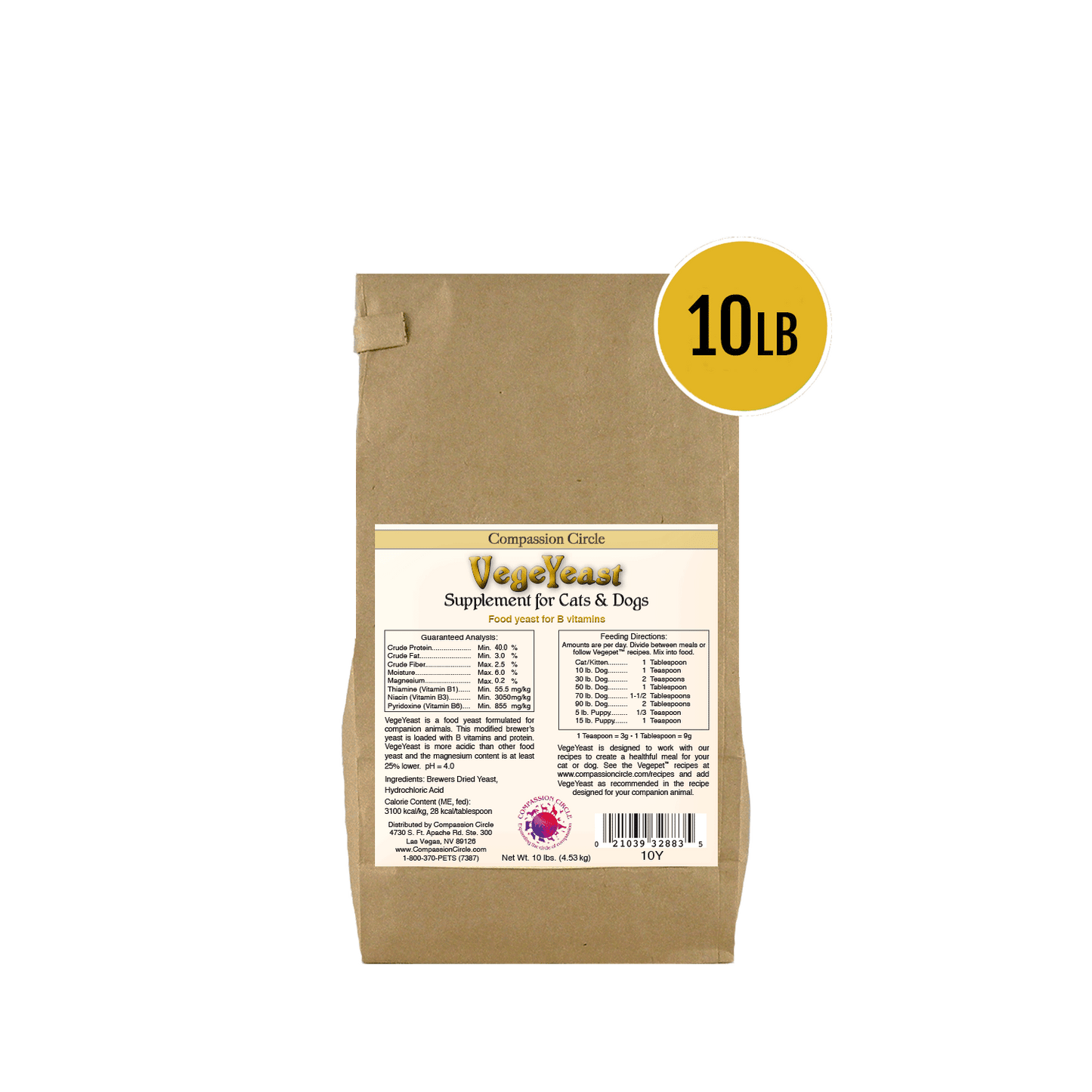
Opt for plain, additive-free nutritional yeast for your cat
Credit: vecado.com
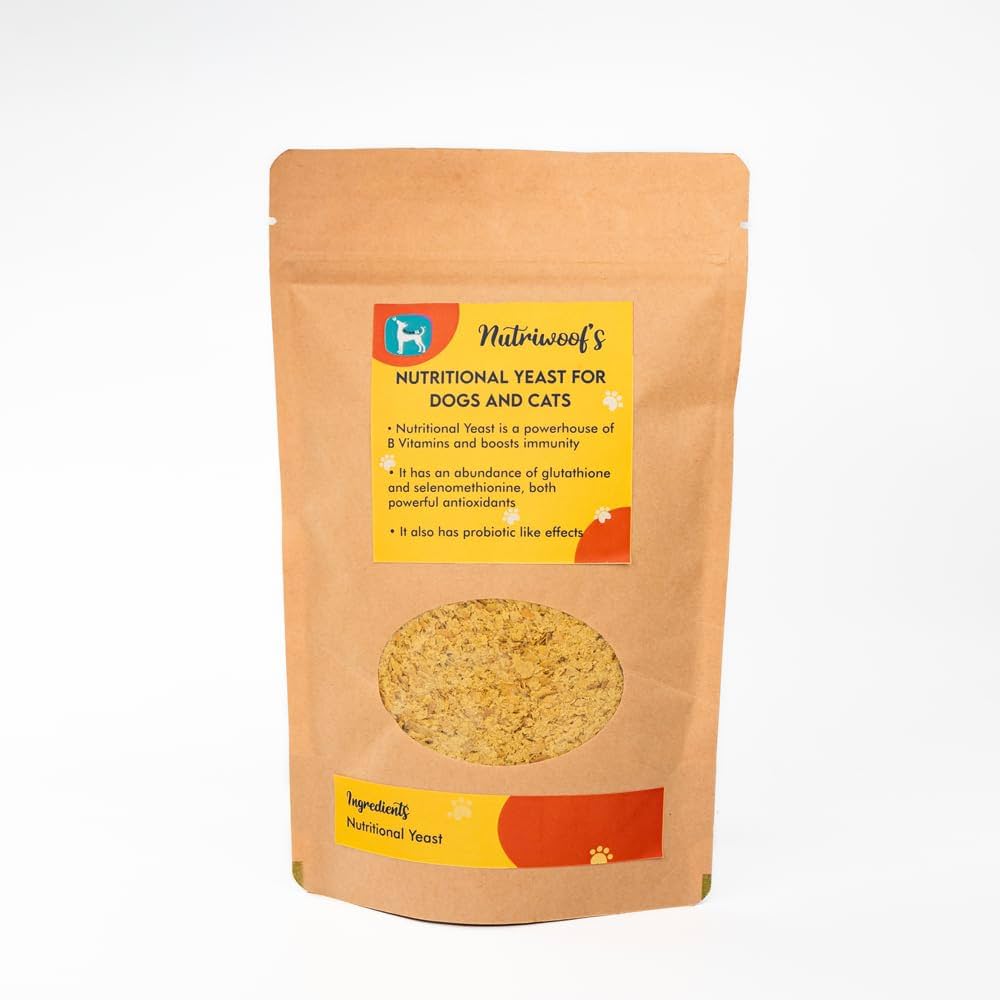
Always check ingredient labels to avoid toxic additives like garlic or onion
Credit: www.amazon.in
When To Consult A Vet
While nutritional yeast is low-risk for most healthy cats, there are specific scenarios where veterinary input is non-negotiable before adding it to their diet. If your cat has a diagnosed chronic condition such as hyperthyroidism, chronic kidney disease, or a history of urinary tract crystals, the high B vitamin and mineral content in nooch could interact with medications or exacerbate underlying issues. Cats with known yeast allergies or active fungal infections (like ringworm or candida overgrowth) should avoid nutritional yeast entirely, as it could trigger inflammatory reactions. Additionally, if your cat is on a prescription therapeutic diet for conditions like diabetes or liver disease, even small supplement additions can disrupt the carefully balanced nutrient profile designed for their specific needs. A quick 10-minute consultation with your vet can confirm whether nooch is safe for your cat’s unique health profile, and help you determine a safe serving size if approved. For cats with pre-existing kidney conditions, pairing any supplement with a vet-approved kidney-supportive wet food can help avoid excess mineral intake.
Frequently Asked Questions
Is nutritional yeast safe for all cats?
No. It is safe for most healthy adult cats in strict moderation, but cats with yeast allergies, hyperthyroidism, kidney disease, or urinary tract issues should avoid it unless explicitly approved by their vet. Always use plain, unflavored, unsalted varieties with no added garlic or onion, both of which are toxic to cats.
Why do some cats love nutritional yeast while others hate it?
Feline taste preferences are highly individual. Cats that already enjoy umami flavors (cheese, fish, meat) are far more likely to enjoy the cheesy, nutty taste of nooch, while cats used to a limited diet may be wary of new flavors. Texture also matters: fine powder is almost always more palatable than coarse, gritty flakes that may feel unappealing in their mouth.
Can nutritional yeast replace my cat’s regular vitamins?
No. While nutritional yeast is rich in B vitamins, it does not provide all the essential nutrients cats need, including taurine, arachidonic acid, and preformed vitamin A, which cats can only get from animal sources. It is a supplementary topper, not a replacement for a complete diet or vet-prescribed supplements.
How long does it take to see benefits from feeding nutritional yeast?
For coat health improvements, most owners report noticeable shine and softness after 4–6 weeks of consistent daily use. For appetite stimulation, you may see results in as little as 1–2 meals. If you notice no improvement after 2 weeks, or your cat shows signs of dislike, discontinue use.
Can kittens eat nutritional yeast?
Kittens can have tiny amounts (no more than ⅛ teaspoon per day) of plain nutritional yeast once fully weaned onto solid food, but always consult your pediatric vet first. Kittens have extremely sensitive digestive systems, so introduce it gradually, and stop immediately if you notice any vomiting, diarrhea, or signs of discomfort.
Conclusion
Most cats enjoy the savory, umami flavor of nutritional yeast, and when fed in strict moderation as a supplement to a complete, balanced diet, it can offer mild benefits for coat health, appetite, and overall B vitamin intake. The key to safe use is choosing only plain, additive-free varieties, introducing it gradually to monitor for sensitivity, and consulting your veterinarian before adding it to your cat’s routine—especially if they have pre-existing health conditions. With the right approach, nutritional yeast can be a fun, nutritious addition to your cat’s mealtime, adding variety and supporting their overall well-being without compromising their dietary needs.
Ready to make mealtime more engaging and nutritious for your feline friend? Explore our guides to balanced feline nutrition and low-stress feeding routines to keep your cat happy, healthy, and excited for every meal.