
Are you puzzled by the myriad of cat food options and their complicated labels? You're not alone.
Understanding what goes into your feline friend's food is crucial for their health and happiness. But those nutrition labels can be a maze of jargon and numbers. Imagine the peace of mind you'll feel knowing exactly what's inside the food you're feeding your beloved pet.
By mastering the art of reading cat food nutrition labels, you can make informed choices that ensure your cat gets the best diet possible. You'll learn the secrets to decoding those labels, empowering you to make smart and healthy decisions for your furry companion. Stick around and discover how easy it can be to become a cat food connoisseur!

Credit: www.purina.com
Decoding Cat Food Labels
Understanding cat food labels helps in selecting the healthiest option for your pet. Check ingredients and nutritional values for balanced meals. Focus on protein sources, vitamins, and minerals to ensure your cat's diet supports their well-being.
Understanding cat food labels can be a bit like reading a foreign language, but it’s essential for your feline friend’s health. As a cat owner myself, I once spent hours in the pet store aisle, confused by the myriad of terms on those brightly colored packages. But deciphering these labels isn't just about choosing the tastiest-looking one; it's about ensuring your cat gets the nutrition they need. Let’s break it down together.
Understanding Ingredients List
The ingredients list is your roadmap to knowing what your cat is really eating. Ingredients are listed by weight, so the first few items are the most significant. Look for real meat like chicken or fish as the first ingredient, rather than by-products or fillers.
Deciphering Nutritional Adequacy Statement
This statement tells you if the food meets the nutritional levels established by the AAFCO. It's like a seal of approval ensuring your cat gets a balanced diet. Check if the food is suitable for your cat's life stage, whether it’s kitten, adult, or senior.
Analyzing Guaranteed Analysis
This section lists the minimum percentages of crude protein and fat, along with maximum percentages of fiber and moisture. Aim for a higher protein content, as cats are obligate carnivores. Consider the moisture content as well, especially if your cat doesn't drink much water.
Evaluating Feeding Guidelines
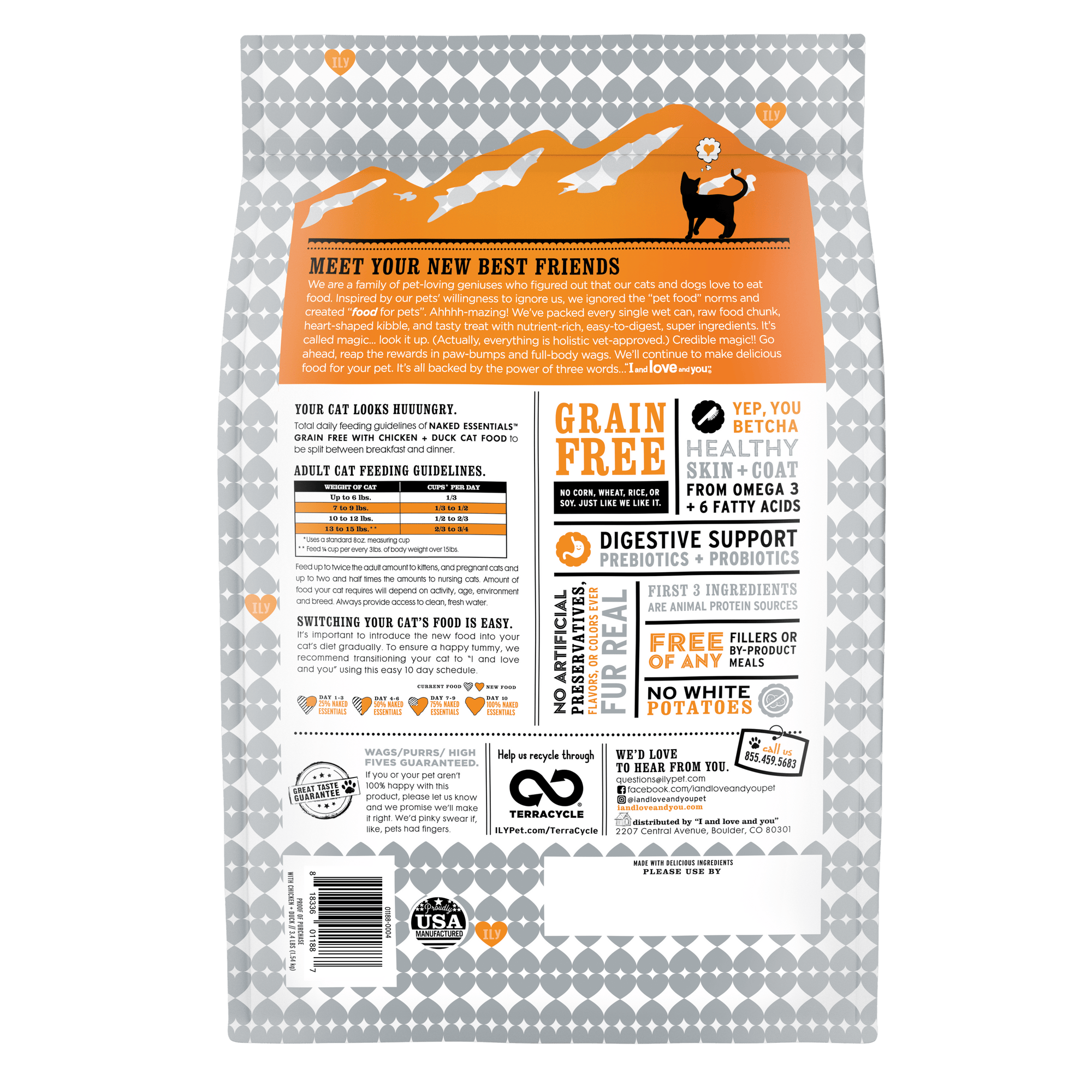
Feeding guidelines suggest how much food your cat needs daily. These are general recommendations and might need adjustment based on your cat's size, age, and activity level. Always start with the recommended amount and observe your cat's weight and health.
Identifying Additives And Preservatives
Look for natural preservatives like vitamin E (tocopherols) instead of artificial ones. Avoid foods with unnecessary artificial colors and flavors. A simple ingredient list often indicates a healthier choice for your cat. By taking a closer look at these elements, you can make informed decisions that benefit your cat’s health. Next time you're in the pet food aisle, you'll be armed with the knowledge to choose the best option for your furry companion. What's the most surprising thing you've discovered about your cat's favorite food?
Key Nutrients To Look For
Understanding cat food nutrition labels can be daunting, but knowing the key nutrients to look for can make it easier. Cats have specific dietary needs that differ from humans and even dogs. Ensuring your feline friend receives the right balance of nutrients is essential for their health and wellbeing. So, what should you focus on when examining these labels?
Proteins And Amino Acids
Proteins are the building blocks of your cat's muscles, skin, and fur. Look for high-quality sources like chicken, fish, or beef. These proteins are rich in essential amino acids, which your cat cannot produce on their own.
Consider the protein percentage on the label. Cats thrive on diets high in protein, so aim for a food that lists a significant protein content. Taurine is an essential amino acid that should be prominently listed—it supports heart health and vision.
Fats And Fatty Acids
Fats are a crucial energy source for cats, helping maintain healthy skin and coat. Quality cat foods include fats from animal sources like chicken fat or fish oil. These provide omega-3 and omega-6 fatty acids, which are beneficial for inflammation and cognitive function.
Review the fat content, but be wary of excessive amounts that might lead to obesity. The right balance of fats will keep your cat active and lively without compromising their weight.
Vitamins And Minerals
Vitamins and minerals are vital for your cat's immune system and overall health. Essential vitamins like A, D, and E should be present in their food. These support eye health, bone development, and antioxidant protection.
Minerals such as calcium and phosphorus are necessary for bone strength, while zinc and iron contribute to a robust immune system. Check the label to ensure these nutrients are included in sufficient amounts.
As you consider these nutrients, ask yourself: Is your cat receiving a balanced diet that supports their lifestyle? Reading labels attentively can make a significant difference in their health journey.
Ingredients List Importance
Understanding cat food labels helps ensure your pet's health. Pay attention to protein, fat, and fiber amounts. Ingredients listed in order of weight reveal the food's nutritional value.
Understanding the ingredients list on your cat’s food is crucial for their health and well-being. It tells you what’s actually in the food, helping you ensure your feline friend gets the nutrients they need. Knowing how to read it can make all the difference in choosing the right diet for your pet.
What Does The First Ingredient Reveal?
The first ingredient on the list is the most abundant in the food. This means it should ideally be a source of high-quality protein, like chicken or fish. If you see something like corn or wheat listed first, it might indicate the food is more filler than nutrition.
Watch Out For By-products And Fillers
By-products can be controversial, as they may include parts of animals that are less nutritious. While some by-products can be acceptable, fillers like corn and soy often offer little nutritional value. Always look for foods with minimal fillers to ensure your cat gets the best nutrition.
Understanding Additives And Preservatives
Additives and preservatives are often included to enhance flavor or shelf-life. Some cats might be sensitive to artificial additives, leading to allergies or digestive issues. Choosing foods with natural preservatives like vitamin E or vitamin C can be a healthier choice for your cat.
The Importance Of Taurine
Taurine is an essential amino acid for cats, crucial for heart and eye health. Ensure it’s listed in the ingredients, as a deficiency can lead to serious health issues. Double-checking this can prevent potential long-term problems for your furry companion.
Decoding Unfamiliar Ingredients
Ever come across an ingredient you can't pronounce? It might be a synthetic vitamin or mineral. Research unfamiliar ingredients to make informed decisions, as some might be beneficial, while others could be unnecessary additives.
How To Identify Quality Brands
Brands that prioritize transparency and quality ingredients often list detailed sourcing information. This can be a good indicator of the brand’s commitment to your cat’s health. Don’t hesitate to reach out to customer service for clarification on any ingredient concerns. Reading cat food labels can feel overwhelming, but it's worth it for your pet's health. What’s one surprising ingredient you found on a label?
Understanding Guaranteed Analysis
Understanding Guaranteed Analysis Deciphering cat food labels is key to ensuring your pet's health. Look for protein, fat, fiber, and moisture percentages. Compare these values to choose the best nutrition for your cat.
Understanding the Guaranteed Analysis of cat food labels is crucial for ensuring your feline friend is getting the nutrition they need. This section of the label provides a snapshot of the nutrient content in the food. It's a bit like reading the nutrition facts on human food packaging, but tailored specifically for cats. Understanding these numbers can help you make informed choices and avoid potential pitfalls.
What Is Guaranteed Analysis?
The Guaranteed Analysis is a breakdown of the minimum or maximum levels of key nutrients in cat food. It usually includes protein, fat, fiber, and moisture content. But what do these numbers mean for your cat's health? It's essential to pay attention to these values to ensure your pet gets a balanced diet.
Why Protein Matters
Cats are obligate carnivores, meaning they rely heavily on protein for energy. A higher protein percentage in the Guaranteed Analysis often indicates a more suitable diet for cats. When you look at the protein content, consider your cat's age and activity level to determine what's best for them.
Don't Ignore Fat Content
Fat is another critical component. It provides energy and helps with nutrient absorption. The Guaranteed Analysis will list the minimum fat content, which is vital for maintaining your cat's healthy coat and skin. Be wary of foods with excessively high fat content, as they can lead to weight issues.
Fiber And Its Role
Fiber is essential for digestive health. While cats don't need as much fiber as humans, a reasonable amount can prevent constipation and improve overall gut health. The Guaranteed Analysis will specify fiber levels, helping you choose food that supports your cat's digestion.
Moisture Levels
Moisture content is particularly important if you feed your cat dry kibble. Cats naturally get most of their hydration from their food, so understanding moisture levels can help prevent dehydration. If you notice a low moisture percentage, consider supplementing with wet food or ensuring fresh water is always available.
Reading Between The Lines
Have you ever wondered why some cat food labels seem so similar? While the Guaranteed Analysis provides essential information, it doesn't tell the whole story. Ingredients and sourcing also play a significant role. Always consider the whole package when choosing food for your cat. Understanding the Guaranteed Analysis can be the difference between a healthy cat and one that's struggling. Take the time to read and compare labels. Your cat relies on you to make the best choices for their nutrition.
Aafco Standards
Understanding cat food labels can be tricky. The AAFCO standards provide guidance. They ensure your cat's food is balanced and nutritious. AAFCO stands for the Association of American Feed Control Officials. They create guidelines for pet food nutrition. These standards help you make informed choices.
Nutritional Adequacy Statement
The nutritional adequacy statement is crucial. It tells you if the food meets AAFCO standards. This statement assures you the food is complete and balanced. It should meet a cat's nutritional needs. Look for phrases like "complete and balanced." These words indicate the food meets AAFCO guidelines.
Life Stage Requirements
Cats have different nutritional needs at each life stage. AAFCO standards consider these differences. Life stages include kitten, adult, and senior. The label should specify which stage the food supports. This helps ensure your cat gets the right nutrients. Always match the food to your cat's life stage.
Interpreting Caloric Content
Understanding how to read cat food nutrition labels is essential for pet owners. Learn to interpret caloric content to ensure your cat's diet meets their energy needs. Look for key nutritional information to provide balanced meals for your feline friend.
Understanding the caloric content in cat food is crucial for ensuring your feline friend maintains a healthy weight. Just as humans count calories to manage their diet, cats need the right amount of energy to stay fit and active. Misjudging this can lead to obesity or malnourishment. Taking a closer look at the caloric content on cat food labels can provide insights into your cat’s dietary needs. But what do all those numbers really mean?
Understanding Calories And Kilocalories
Calories in cat food are often listed as kilocalories (kcal). One kcal is equivalent to one calorie in the context of pet food. This can be confusing, but rest assured, it's just a different way of expressing the same measurement.
Locating Caloric Information
Usually, the caloric content will be found on the back or side of the packaging. Look for phrases like "calories per cup" or "kcal per can."
Assessing Daily Caloric Needs
Your cat's caloric needs depend on their size, age, and activity level. For example, a sedentary indoor cat may need fewer calories than an active outdoor cat. Generally, adult cats require around 20 calories per pound of body weight each day.
Adjusting Based On Life Stages
Kittens, pregnant, or nursing cats have different nutritional requirements. They may need more calories to support growth and development. Always adjust portions based on your cat's life stage.
Using Caloric Content To Monitor Weight
Monitoring your cat's weight is essential for health. Use the caloric content to adjust food portions if your cat gains or loses weight unexpectedly. Aim for steady, healthy weight maintenance.
Practical Example: Calculating Daily Intake
If the label states 300 kcal per cup and your cat needs 250 kcal daily, you’ll serve slightly less than a cup. Measure your cat’s food accurately to avoid overfeeding.
Consulting A Veterinarian
A vet can offer personalized advice based on your cat's health profile. They can help determine the perfect caloric intake for your cat's specific needs. Reading and understanding cat food labels might seem daunting at first. But with practice, you'll become adept at making informed decisions for your pet's health. What challenges have you faced while choosing the right cat food?
Identifying Allergens And Additives
Deciphering cat food labels helps identify potential allergens and additives that might affect your cat's health. Check ingredient lists for common allergens like grains or artificial additives. Understanding these labels ensures you choose a safe and nutritious option for your feline friend.
Identifying what's in your cat's food is crucial for their health and happiness. Understanding the nutrition label can help you avoid allergens and unnecessary additives. Many cat owners, including myself, have faced the daunting task of choosing the right food. One wrong ingredient could lead to an upset tummy or a full-blown allergy. Let's break down how to spot these pesky ingredients and keep your feline friend purring.
Common Allergens In Cat Food
Cats can be allergic to a variety of ingredients commonly found in cat food. Proteins like chicken, beef, or fish are typical culprits. Grains such as corn and wheat might also trigger reactions. When checking labels, look for terms like "chicken meal" or "corn gluten." These could be potential allergens. If your cat shows symptoms like itching or digestive issues, it might be time to switch their food.
Understanding Additives And Preservatives
Additives are often used to enhance flavor or prolong shelf life. However, not all additives are beneficial. Artificial colors and flavors might make the food more appealing, but they offer no nutritional value. Preservatives like BHA, BHT, and ethoxyquin are often used to prevent spoilage. While they help keep the food fresh, some studies suggest they might be harmful in large quantities. Opt for cat food with natural preservatives like vitamin E or C when possible.
Reading The Ingredient List
The ingredient list is your best friend in deciphering cat food labels. Ingredients are listed in order of weight, with the primary ingredient first. This means if chicken is listed first, it is the most abundant ingredient. Keep an eye out for vague terms like "meat by-products" or "animal digest." These often indicate lower-quality ingredients. Aim for clear, specific ingredient names like "salmon" or "sweet potatoes" for better quality assurance.
Consulting With Your Veterinarian
If you're unsure about certain ingredients, your vet is a valuable resource. They can help you pinpoint allergens and recommend suitable alternatives. A vet once helped me identify that my cat was allergic to beef, which I had never suspected. A quick consultation saved us from months of discomfort and countless vet visits.
Trial And Observation
Sometimes, identifying allergens requires a bit of trial and error. Introduce new foods gradually and observe your cat's reaction. Note changes in their behavior, coat condition, and stool. This can provide clues about how well they are tolerating the new diet. Have you ever considered keeping a food diary for your cat? It might sound excessive, but it can be a game-changer in identifying problematic ingredients. By being proactive and informed, you can ensure your cat enjoys meals that are both safe and satisfying.
Comparing Wet Vs. Dry Food Labels
Understanding cat food nutrition labels is crucial for comparing wet and dry options. Check protein, fat, and carbohydrate levels. Assess ingredient quality and look for any additives or fillers.
Comparing wet and dry cat food labels might seem daunting at first, but understanding the differences can help you make informed choices for your feline friend. Both types of food offer unique benefits, and their labels provide specific insights into what your cat is consuming. By examining these labels closely, you can ensure your pet gets the nutrition they need.
Understanding Moisture Content
Wet cat food typically contains a higher moisture content, often ranging between 70% to 85%. This is beneficial if your cat doesn't drink enough water, as it helps keep them hydrated. On the other hand, dry food usually contains around 10% moisture, making it a more concentrated source of nutrients and calories.
Evaluating Protein Sources
Protein is a crucial component of your cat's diet. Wet foods often list whole meats like chicken or fish as the first ingredient, providing high-quality protein sources. Dry foods might list meat meals or by-products, which are also nutritious but processed differently.
Comparing Caloric Density
Dry cat food tends to be more calorie-dense, meaning you can feed smaller portions. This is great for cats who like to graze throughout the day. Wet food, with its higher water content, generally has fewer calories per serving, making it suitable for portion control and weight management.
Analyzing Ingredient Lists
Both wet and dry foods should have a clear, understandable ingredient list. Look for foods where meat is the first ingredient and avoid those with excessive fillers like corn or soy. Shorter ingredient lists often indicate fewer additives and preservatives.
Assessing Nutritional Guarantees
Check for the AAFCO (Association of American Feed Control Officials) nutritional adequacy statement on the label. This ensures that the food meets the nutritional requirements for your cat's life stage. Whether wet or dry, a balanced diet is essential for your cat's health. Understanding these differences can make a significant impact on your cat’s well-being. Next time you're in the pet food aisle, take a moment to compare these labels closely. You might be surprised at how much information is right at your fingertips. What have you noticed about your cat's preferences?
Tips For Choosing Quality Cat Food
Choosing the right cat food is crucial for your feline's health. Understanding the labels can make a big difference. Here's how to pick quality cat food by reading nutrition labels carefully.
Look For High-quality Protein Sources
Cats need protein to thrive. Check the label for named animal protein sources like chicken, beef, or fish. Avoid products with vague terms like "meat by-product."
Check For Balanced Nutrients
Good cat food has a balanced mix of proteins, fats, and carbohydrates. Ensure the food meets AAFCO standards for balanced nutrition.
Avoid Fillers And Artificial Additives
Fillers like corn and soy offer little nutrition. Artificial colors and preservatives can harm your cat. Opt for foods with natural ingredients.
Verify The Ingredient List Order
Ingredients are listed by weight. The first few should be quality proteins and essential nutrients. Watch out for grains listed first.
Consider Your Cat's Specific Needs
Cats have different dietary needs. Kittens, adults, and seniors require varied nutrients. Choose food formulated for your cat's life stage.

Credit: www.amazon.com
Credit: iandloveandyou.com
Frequently Asked Questions
Is 40% Protein Too Much For Cats?
40% protein is generally suitable for most cats. Cats are obligate carnivores and require high protein. Consult your vet for specific needs, as factors like age and health can influence dietary requirements. Always ensure balanced nutrition in their diet for optimal health.
What Does Min And Max Mean On Cat Food?
Min and max on cat food labels indicate the minimum and maximum guaranteed nutrient levels. These help ensure cats get proper nutrition. For example, protein levels might be listed as minimum, while fiber could be maximum, guiding pet owners in choosing balanced meals for their cats.
How To Correctly Read A Nutrition Label?
Start with serving size and servings per container. Check calories and nutrients like fats, carbs, and proteins. Look at daily value percentages for essential nutrients. Identify added sugars and sodium levels. Compare ingredients for whole foods over processed additives.
How To Know If Cat Food Is Nutritionally Complete?
Check for an AAFCO statement on the packaging. Verify ingredients and nutritional values match your cat's needs.
Conclusion
Reading cat food labels helps keep your pet healthy. Choose food with clear ingredients. Avoid fillers or artificial additives. Opt for balanced nutrition. Look for proteins, fats, and vitamins. Check for taurine, an essential amino acid. Compare brands for the best value.
Monitor your cat's weight and health. Adjust food choices as needed. A careful selection ensures your cat's well-being. You make a difference in their life. Your attention keeps them thriving. Prioritize their nutritional needs. A healthy cat is a happy cat.
Keep them energetic and playful. Your love shows in their health.
