
Is your senior cat showing signs of slowing down or experiencing changes in their appetite? You're not alone.
As our feline friends age, their nutritional needs evolve, demanding careful attention to what goes into their food bowl. Understanding the nutritional value of food for a senior cat is crucial for maintaining their health, vitality, and happiness. Imagine knowing exactly what your beloved pet needs to thrive in their golden years and being empowered to provide it.
This article is designed to guide you through the essential nutrients and dietary adjustments that can make a world of difference for your aging cat. Let's explore how you can enhance your senior cat's diet and ensure they enjoy a long, healthy life with you.
Credit: www.walmart.ca
Senior Cat Dietary Needs
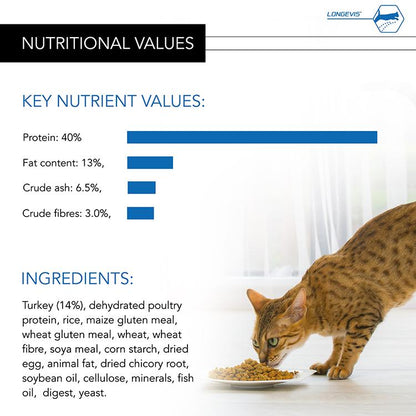
Senior cats require balanced nutrition to support their aging bodies. High-quality proteins aid in muscle maintenance. Essential fatty acids promote healthy skin and coat. Low sodium and phosphorus levels are crucial for heart and kidney health. Tailored diets can enhance the quality of life for older cats.
Caring for a senior cat involves understanding their unique dietary needs. As cats age, their metabolism slows down, and they often require different nutrients than younger cats. By adjusting their diet, you can help manage age-related health issues and enhance their quality of life. Let's explore what nutritional adjustments can support your senior cat's health and vitality.
Increased Protein Needs
Older cats may require more protein to maintain muscle mass. Look for high-quality protein sources like chicken or fish in their food. This adjustment helps keep their muscles strong and supports overall health.
Hydration Is Key
Senior cats are prone to dehydration. Ensure they have constant access to fresh water. Consider adding wet food to their diet, as it contains higher moisture content which aids in hydration.
Focus On Digestibility
As cats age, their digestive systems can become less efficient. Choose foods that are easy to digest and gentle on their stomachs. Foods with added fiber can also help with digestion and prevent constipation.
Balanced Minerals And Vitamins
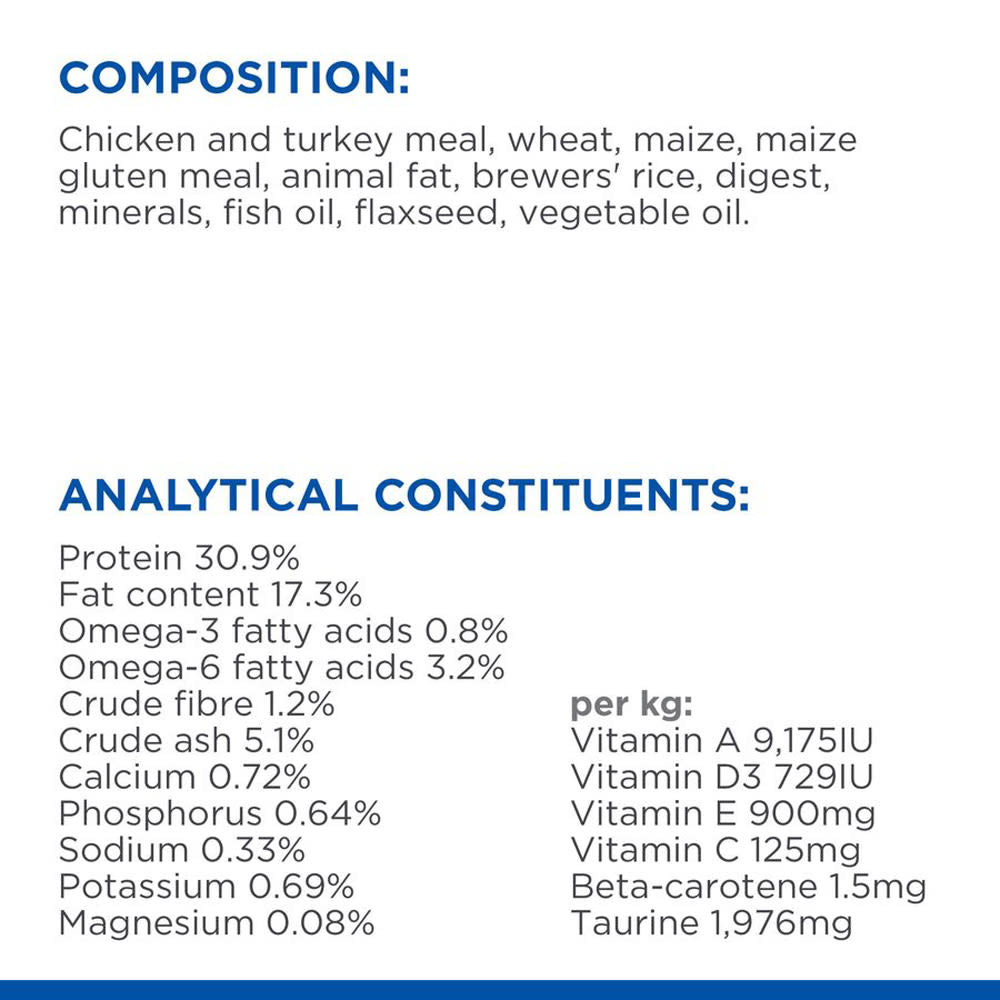
Older cats need a balance of minerals and vitamins to support their aging bodies. Look for foods fortified with essential nutrients like omega-3 fatty acids. These nutrients are crucial for joint health and cognitive function.
Watch Their Weight
Weight management is crucial for senior cats. Obesity can lead to various health issues, including diabetes and arthritis. Monitor their calorie intake and adjust portions if necessary to maintain a healthy weight.
Regular Veterinary Check-ups
Regular check-ups with your vet can help tailor your cat's diet to their specific health needs. Your vet can recommend specific dietary changes based on any health conditions your cat may have. This proactive approach ensures your cat's diet supports their overall well-being. Think about your own experiences with aging. Just as humans face changes, so do our feline companions. Are you ready to adjust your senior cat's diet to meet their evolving needs?
Key Nutrients For Aging Cats
As cats age, their nutritional needs change. Senior cats require specific nutrients for optimal health. Providing the right diet supports their wellbeing and longevity. Understanding these key nutrients helps keep your aging feline friend healthy and happy.
Protein Requirements
Senior cats need high-quality protein in their diet. Protein supports muscle mass and energy levels. Aging cats often face muscle loss. Providing adequate protein helps maintain their strength. Choose protein-rich foods like chicken, turkey, or fish. These sources are easily digestible for older cats.
Fats And Omega-3s
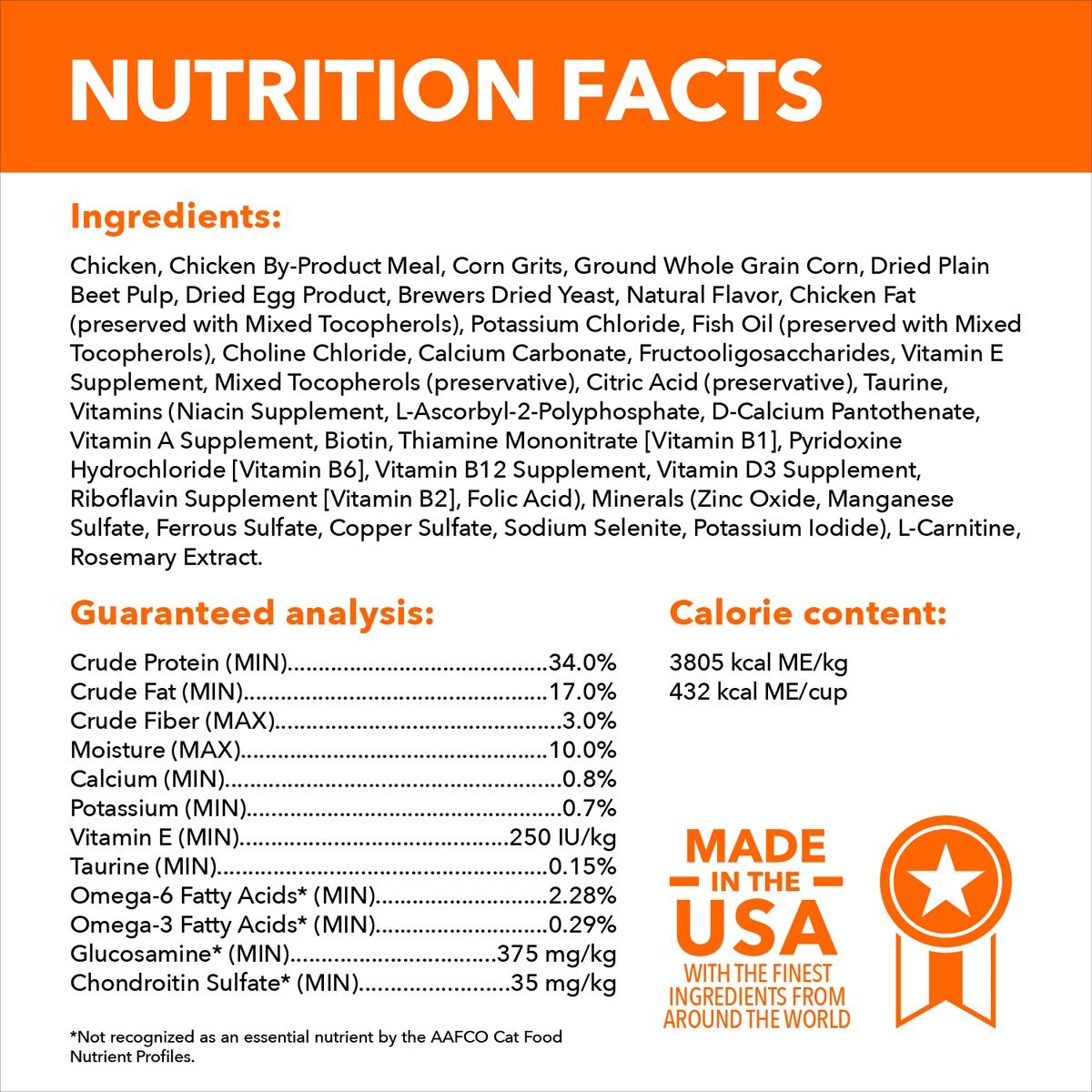
Healthy fats are crucial for senior cats. They provide energy and support cell functions. Omega-3 fatty acids are particularly beneficial. They help reduce inflammation and support joint health. Fish oil is an excellent source of Omega-3s. Including it in your cat's diet can promote a shiny coat and healthy skin.
Vitamins And Minerals
Aging cats need a balanced intake of vitamins and minerals. Vitamin E supports immune function. Vitamin A is important for vision and skin health. Calcium and phosphorus are vital for bone health. Ensure your cat's diet includes these essential nutrients. This helps prevent deficiencies and supports overall health.
Hydration Importance
As your cat enters its senior years, their nutritional needs begin to change, and hydration becomes a crucial aspect of their health. A well-hydrated cat is less likely to suffer from urinary tract infections, kidney issues, and other related health problems. Ensuring your senior cat stays properly hydrated can significantly improve their quality of life and longevity.
Water Intake
Your cat's water intake is vital for maintaining their overall health. Older cats often drink less water, which can lead to dehydration. Monitor their water bowl closely and make sure it's always clean and filled with fresh water. Consider placing multiple water bowls around the house to encourage frequent drinking.
- Keep track of how much water your cat consumes daily.
- Try adding ice cubes to their water bowl for extra appeal.
- Consider using a water fountain to entice them with flowing water.
Wet Vs. Dry Food
Choosing between wet and dry food can impact your senior cat's hydration levels. Wet food naturally contains more moisture, which can help maintain hydration. If your cat is primarily on dry food, you might notice a decrease in their water intake.
Transitioning to wet food or mixing it with dry kibble can be beneficial. This change can make a noticeable difference in their hydration levels and overall health.
- Check the label for moisture content when selecting wet food.
- Mix a small amount of wet food with dry food for gradual adaptation.
- Observe your cat's reaction and adjust accordingly.
Have you noticed any changes in your senior cat's drinking habits? Addressing their hydration needs now can prevent potential health issues down the line. Keeping your furry friend hydrated is one of the simplest yet most impactful ways to support their well-being.
Credit: www.chewy.com
Weight Management
Senior cats need food with high protein and low fat for weight management. Balanced minerals support their aging joints and bones. Essential vitamins maintain their overall health and vitality.
Managing your senior cat's weight is crucial for their overall health. As cats age, they become less active and prone to weight gain. Maintaining a healthy weight helps avoid various health issues.
Avoiding Obesity
Obesity in senior cats can lead to serious health problems. It can cause diabetes, arthritis, and heart issues. To prevent obesity, feed your cat a balanced diet. Choose foods low in calories but high in nutrients. Measure portions carefully to avoid overfeeding. Offer treats sparingly and opt for healthier options. Encourage physical activity to keep their weight in check. Playtime can help burn calories and keep your cat engaged.
Monitoring Weight Changes
Regularly monitor your cat's weight to detect any changes early. Weigh your cat monthly using a pet scale. Keep a record of weight readings to notice trends. If you see sudden weight gain or loss, consult your vet. A gradual change might be normal, but sudden shifts can be alarming. Your vet can provide guidance tailored to your cat's needs. Regular vet visits ensure any weight-related issues are addressed promptly.
Digestive Health
As your cat ages, their digestive health becomes a critical aspect of their overall well-being. A senior cat's digestive system is more sensitive, requiring careful attention to what goes into their bowl. You might notice changes in appetite, weight, and even mood. Have you considered how the right diet can make a difference? Let's explore how fiber, probiotics, and prebiotics play a vital role in supporting your senior cat's digestive health.
Fiber Needs
Fiber is not just for humans; your senior cat can benefit from it too! It helps regulate their digestive system and maintain bowel health. A diet with adequate fiber can prevent constipation and support regular stool formation.
While too much fiber can lead to digestive issues, the right balance can enhance your cat's comfort. Look for cat foods that include ingredients like pumpkin or beet pulp. These are excellent sources of fiber. Did you know that fiber can also help manage weight? It's particularly useful for senior cats who might be less active.
Probiotics And Prebiotics
Probiotics and prebiotics are like the dynamic duo for gut health. Probiotics are live bacteria that promote a healthy balance of gut flora. You might have seen them in yogurt for humans, but they work wonders for cats too.
Prebiotics, on the other hand, are the food for these beneficial bacteria. They support the growth and activity of probiotics, ensuring your cat's digestive system is thriving. Have you considered adding these to your cat's diet? Many cat foods now include these components to boost digestive health.
Choosing a cat food with added probiotics and prebiotics can improve nutrient absorption and bolster your cat's immune system. It's amazing how these tiny organisms can make such a significant impact on your cat's health.
Dental Care Considerations
Dental care for senior cats can benefit from foods rich in vitamins and minerals. Soft, easily digestible options help maintain their oral health. High-quality protein supports overall well-being and keeps their teeth strong.
As your feline companion ages, their dental health becomes more critical. Senior cats often face dental issues like tartar buildup and gum disease, which can lead to pain and difficulty eating. Prioritizing your cat’s dental care through their diet can greatly improve their quality of life. Let’s explore some practical ways to support your cat’s oral health through nutrition.
Dental-friendly Foods
Choosing the right foods can make a significant difference in maintaining your cat's dental health. Crunchy kibble can help reduce plaque and tartar by gently scraping against their teeth. Opt for high-quality dental formulas specifically designed for oral health, as they often contain ingredients that promote cleaner teeth. Incorporate wet food as well. It provides hydration and can be easier for cats with dental issues to chew. Some wet foods are enriched with enzymes that help break down plaque, offering dual benefits.
Supplements For Oral Health
Supplements can be a game-changer in your cat’s dental care routine. Dental chews are a popular choice; they not only freshen breath but also mechanically clean teeth. Look for products with the Veterinary Oral Health Council (VOHC) seal to ensure effectiveness. Consider adding water additives to your cat's drinking bowl. These are easy to use and can significantly reduce plaque and tartar. A friend of mine swears by these after noticing a marked improvement in her senior cat's dental checkups. Are you using any dental products for your cat? If not, it might be worth exploring these options to provide the best care for your furry friend. Regular dental care, paired with the right diet, can keep your senior cat happy and healthy.
Special Dietary Needs
As our feline friends age, their nutritional needs change. Senior cats often require special diets to maintain their health. Tailoring their food helps in managing age-related conditions. Understanding these needs ensures your cat stays active and happy.
Food Sensitivities
Senior cats may develop food sensitivities over time. These sensitivities can lead to digestive issues or discomfort. Identifying and managing these sensitivities is vital. Look for signs like vomiting, diarrhea, or changes in appetite. Opt for foods specifically designed for sensitive stomachs. These foods often contain easily digestible ingredients.
Switching to hypoallergenic diets may also help. Avoid ingredients that commonly cause reactions. Chicken, beef, and dairy are frequent culprits. Monitor your cat's response to new foods closely.
Allergies
Allergies can become more pronounced in older cats. Symptoms include itching, skin irritations, and digestive problems. Identifying allergens can be challenging. A vet can help through tests or elimination diets. Grain-free or novel protein diets might reduce allergic reactions.
Choose cat food with limited ingredients to minimize risks. Labels with "grain-free" or "limited ingredient" might be beneficial. Always ensure the diet remains balanced and nutritious. Regular vet check-ups are crucial to managing allergies effectively.
Feeding Schedule Tips
Feeding an older cat requires careful planning. Their needs change with age. An effective feeding schedule ensures they get the right nutrients. Regular meals maintain their health and energy. Here are some tips to create a proper feeding schedule.
Meal Frequency
Older cats need more frequent meals. Three to four small meals daily work well. Their metabolism slows down with age. Smaller, regular meals help digestion and nutrient absorption. It also keeps their energy levels steady. Avoid free-feeding as it can lead to overeating.
Portion Sizes
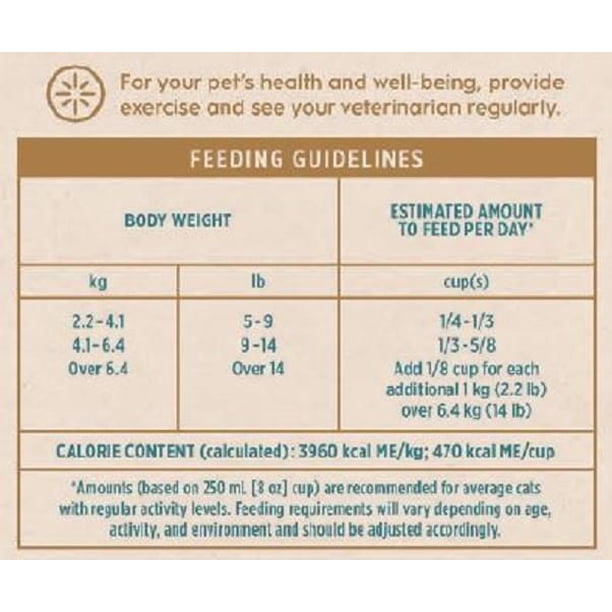
Portion size depends on your cat's weight and activity. Use a measuring cup for accuracy. Overfeeding leads to weight gain and health issues. Underfeeding causes malnutrition. Consult your vet for specific portion guidelines. Adjust portions based on your cat's condition and age.
Consulting A Veterinarian
Consulting a veterinarian is crucial when determining the nutritional needs of your senior cat. As cats age, their dietary requirements change, and a professional can offer guidance tailored to their specific health needs. Regular visits to the vet can help ensure your feline friend maintains optimal health and longevity.
Customized Nutrition Plans
Every senior cat is unique, and their diet should reflect that individuality. A veterinarian can assess your cat's health status and create a nutrition plan that addresses any existing conditions or vulnerabilities. For instance, if your cat has kidney issues, the vet may recommend a diet lower in protein to reduce strain on the kidneys.
Consider discussing specific dietary needs like the inclusion of omega fatty acids for joint health or antioxidants for immune support. Customized plans often lead to better health outcomes, as they address the precise needs of your cat.
Regular Health Check-ups
Regular health check-ups are vital for monitoring your senior cat's progress. These visits provide an opportunity to adjust dietary plans based on any changes in your cat's health. Perhaps you've noticed a decrease in your cat's energy levels or a change in weight; these are indicators that may require dietary modifications.
Think of these check-ups as an investment in your cat's well-being. They can reveal early signs of health issues that can be mitigated with dietary adjustments, ensuring your cat enjoys a higher quality of life.
Is your cat getting the nutrients they need for their specific age-related conditions? Consulting a veterinarian ensures that you have expert advice on hand, guiding you through the complexities of feline nutrition. It's not just about feeding your cat; it's about feeding them right.
Credit: pet-supermarket.co.uk
Frequently Asked Questions
What Nutrients Do Senior Cats Need?
Senior cats need high-quality protein, omega-3 fatty acids, antioxidants, and vitamins. Adequate hydration and balanced minerals are essential.
Is Too Much Protein Bad For Senior Cats?
Too much protein can strain senior cats' kidneys. Balance is crucial for their health. Consult your vet for tailored dietary advice.
What Is The Best Food To Give An Elderly Cat?
Senior cat food with high protein, low fat, and added vitamins is best. Choose wet food for hydration. Ensure it's easily digestible and caters to any specific health needs. Consult your vet for personalized recommendations.
How Much Food Should A Senior Cat Eat Per Day?
Senior cats typically need around 200 to 250 calories daily. Adjust portion sizes based on weight and activity level. Consult your veterinarian for tailored advice. Proper nutrition supports health and longevity in older cats.
Conclusion
Choosing the right food for your senior cat is important. Their needs change with age. Prioritize protein and balanced nutrients. Avoid fillers and additives. Hydration is crucial for their health. Pay attention to portion sizes. Consult your vet for tailored advice.
A good diet boosts their energy and vitality. It supports their overall well-being. Remember, a healthy cat is a happy cat. Make informed choices. They deserve the best care. Your senior cat's diet can enhance their life quality. Keep them healthy and content.
Their golden years matter.
