
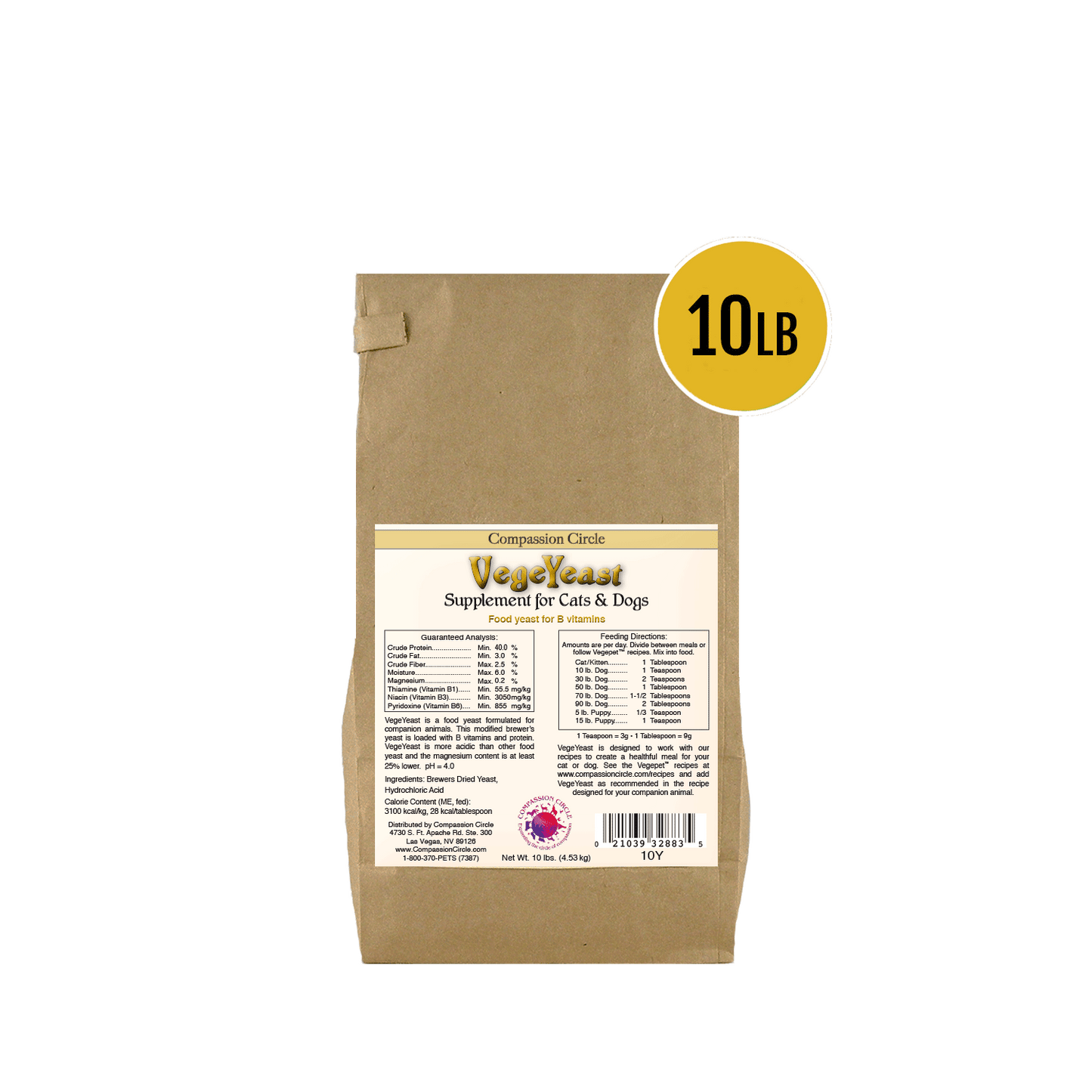
Nutritional yeast has become a popular nutrient-dense topper for cat owners looking to support their feline’s immune health, coat quality, and digestive function without adding unnecessary calories. But conflicting advice online makes it hard to determine a safe, effective daily dose: some sources recommend a pinch, others a full teaspoon, and a few even suggest amounts meant for human consumption that can be dangerous for cats.
This 2026 expert guide cuts through the noise with veterinary nutritionist-backed dosage guidelines, evidence-based benefits, potential risks, and step-by-step instructions for introducing the supplement safely. We’ll also cover how to choose high-quality yeast, spot signs of intolerance, and answer the most common questions cat owners have about this trendy supplement.
Credit: petfood.advancepet.com.au
A tiny amount of nutritional yeast mixed into wet food is a safe, low-effort way to introduce the supplement to your cat.
What Is Nutritional Yeast, And Is It Safe For Cats?
Nutritional yeast is a deactivated strain of Saccharomyces cerevisiae (the same species used for baking and brewing, but heat-treated to kill live yeast cells). It has a mild, cheesy, umami flavor that most cats enjoy, and is packed with B vitamins, complete protein, beta-glucans (a type of soluble fiber), and trace minerals like zinc and selenium.
For most healthy cats, small amounts of pure, additive-free nutritional yeast are completely safe. It is not a regulated pet food ingredient, however, so quality varies widely between products, and it should never replace a complete, balanced feline diet. For a full overview of general safety, refer to our guide to general safety of nutritional yeast for felines. Crucially, only deactivated nutritional yeast is safe for cats: active baker’s or brewer’s yeast can ferment in the gut, causing life-threatening bloat or even alcohol toxicity.
Evidence-Based Benefits Of Nutritional Yeast For Cats
When fed in appropriate doses, nutritional yeast offers several evidence-backed benefits for felines:
- B vitamin complex: Rich in thiamine, riboflavin, niacin, B6, and B12, nutritional yeast supports nerve function, energy metabolism, eye health, and red blood cell production. These vitamins are particularly beneficial for cats with malabsorption issues, senior cats, or those eating homemade diets that may be low in B vitamins, per Cornell University College of Veterinary Medicine. For a full breakdown of how nutritional yeast fits into a species-appropriate diet, see our guide to species-appropriate nutritional yeast use for cats.
- Immune support: Beta-glucans in nutritional yeast activate macrophages and natural killer cells, reducing chronic inflammation and supporting the body’s ability to fight off minor bacterial and viral infections.
- Skin and coat health: Biotin and zinc in the supplement support keratin production, reducing dry, flaky skin, excess shedding, and dull coats for a shinier, healthier fur coat.
- Digestive health: Moderate fiber content feeds beneficial gut bacteria, supports healthy bowel motility, and reduces occasional constipation or loose stool.
- Complete protein boost: Nutritional yeast contains all 10 essential amino acids cats require from their diet, making it a useful low-calorie add-on for picky eaters or cats on restricted-calorie weight management plans.
Recommended Daily Dosage: How Much Nutritional Yeast Per Day For Cats?
There is no official regulatory recommended dosage for nutritional yeast for cats, as it is classified as a dietary supplement rather than a pet food ingredient, per AAFCO's official pet food labeling guidelines. That said, veterinary nutritionists have established consensus safe limits based on years of clinical use:
- Kittens (under 12 months): Avoid giving nutritional yeast unless explicitly recommended by your vet. Kittens have extremely delicate nutritional requirements and developing digestive systems that can be disrupted by unregulated supplements.
- Adult cats (1–10 years): 1/8 to 1/4 teaspoon per 10 pounds of body weight per day, with a maximum of 1 full teaspoon per day for cats over 15 pounds.
- Senior cats (10+ years): Start at 1/8 teaspoon per 10 pounds of body weight, and consult your vet before use, especially if your cat has chronic kidney disease or other age-related conditions.
Nutritional yeast is a complementary topper, not a meal replacement: it should only be used to supplement a nutritionally complete feline diet, not replace commercial cat food or vet-prescribed nutrition plans. In practice, the most common mistake pet owners make is assuming “natural” means “unlimited”: even beneficial supplements can cause harm when overfed, especially for cats with pre-existing health conditions. If you’re new to supplementing your cat’s diet, our guide to safe dosage guidelines for feline nutritional yeast breaks down the basics of safe use.
How To Choose High-Quality Nutritional Yeast For Your Cat
Not all nutritional yeast is created equal, and low-quality products can contain toxic additives that negate any potential benefits. When shopping, prioritize the following:
Deactivated vs. Active Yeast
Only purchase deactivated nutritional yeast, which has been heat-treated to kill live yeast cells. All culinary nutritional yeast sold for human consumption is deactivated, but double-check labels to avoid accidental purchases of active baker’s or brewer’s yeast, which are dangerous for cats.
Additive-Free vs. Fortified
Opt for pure, unfortified nutritional yeast with no added salt, garlic powder, onion powder, or artificial preservatives. Fortified versions often contain extremely high doses of synthetic B12, which can cause neurological symptoms like tremors or hyperexcitability in cats over time. Avoid any product that lists “natural flavor” as an ingredient, as this can sometimes hide onion or garlic derivatives.
Organic vs. Conventional
Organic nutritional yeast is grown without synthetic pesticides or fertilizers, reducing the risk of trace chemical exposure. Conventional options are more budget-friendly but may contain low levels of agricultural residues. For cats with sensitive systems or chronic health conditions, organic is the safer choice.

Credit: www.lundsandbyerlys.com
Always choose 100% pure nutritional yeast with no added salt, garlic, or onion, which are toxic to cats.
How To Safely Introduce Nutritional Yeast To Your Cat's Diet
Introducing any new supplement gradually reduces the risk of gastrointestinal upset and helps you gauge your cat’s tolerance. Follow these steps for safe, low-stress integration:
- Start with a pinch (1/16 teaspoon) of nutritional yeast mixed thoroughly into your cat’s regular wet or dry food, served once a day for 3 consecutive days.
- If your cat eats the food without vomiting, diarrhea, or excessive gas, increase the dose to the recommended amount for their weight. Mix the yeast fully into wet food, or sprinkle it evenly over dry food right before serving to avoid clumping.
- Track changes in your cat’s energy, coat quality, stool consistency, and subtle shifts in feline behavior over 2–4 weeks to share with your vet; a self-cleaning litter box can make tracking these changes far simpler.
- Do not exceed the maximum recommended daily dose, even if your cat seems to enjoy the flavor.
- If your cat refuses to eat food with nutritional yeast, do not force it: the supplement is not essential, and there are other ways to support their nutrition.
If your cat has a history of gastrointestinal sensitivity, pair small amounts of nutritional yeast with gentle, easy-to-digest wet food to reduce the risk of upset.
Potential Risks And Contraindications
While nutritional yeast is safe for most cats when fed correctly, there are several risks to be aware of:
- Overconsumption: Too much nutritional yeast can cause gastrointestinal distress, including vomiting, diarrhea, bloating, and reduced appetite, due to its high fiber and yeast content. In rare cases, excessive intake of fortified B vitamins can lead to neurological symptoms like hyperexcitability or tremors.
- Allergic reactions: While uncommon, some cats are allergic to yeast proteins, presenting with itchy skin, hives, swelling around the face or paws, or vomiting. Discontinue use immediately and consult your vet if these symptoms appear.
- Toxic additives: Low-quality nutritional yeast may contain added salt, garlic powder, or onion powder, all of which are toxic to cats even in small amounts. Always read ingredient labels carefully before offering any new food to your cat.
- Contraindications for cats with chronic conditions: For senior cats with kidney disease or other chronic illnesses, always consult your vet before adding nutritional yeast, as they may require restricted-nutrient therapeutic diets that cannot accommodate extra supplements. For cats with ongoing health issues, nutritional support for cats with chronic illness should always be overseen by your veterinarian to avoid imbalances.
Signs Your Cat Is Responding Well (Or Not) To Nutritional Yeast
Tracking your cat’s reaction to the supplement will help you determine if it is beneficial for their specific needs:
- Positive signs (visible after 2–4 weeks of consistent use at the correct dose): Shinier, softer coat with less dander; firmer, well-formed stool; more consistent energy levels; reduced shedding.
- Negative signs: Vomiting, diarrhea, excessive gas, reduced appetite, lethargy, itchy skin, or swelling. If any of these appear, stop use immediately and consult your veterinarian.
- No noticeable change: If you see no improvement after 4 weeks at the recommended dose, nutritional yeast may not be beneficial for your cat’s specific needs. Discontinue use and discuss alternative supplements with your vet.

Credit: www.amazon.com
Most cats accept the mild, cheesy flavor of nutritional yeast when it is mixed thoroughly into their regular meals.
Frequently Asked Questions
Can kittens eat nutritional yeast?
Avoid giving nutritional yeast to kittens under 12 months unless explicitly recommended by your veterinarian. Kittens have extremely specific, delicate nutritional requirements that can be disrupted by unregulated supplements, and their developing digestive systems are more prone to upset from new ingredients.
Is nutritional yeast safe for cats with kidney disease?
Pure, unfortified deactivated nutritional yeast is very low in phosphorus and moderate in protein, making it generally safe for cats with early-stage chronic kidney disease. However, cats with advanced kidney disease require strict, vet-prescribed dietary restrictions, so always check with your veterinarian before adding any new ingredient to their diet.
Can nutritional yeast replace my cat's regular food or vet-prescribed supplements?
No. Nutritional yeast is a complementary topper designed to add small amounts of extra nutrients to a complete, balanced diet. It does not contain all the nutrients your cat needs to thrive, and it should never replace commercial cat food or vet-prescribed medications or supplements.
Does nutritional yeast help reduce cat dander?
While the biotin and zinc in nutritional yeast can improve coat health and reduce dry, flaky skin (a common cause of loose dander), it is not a cure for chronic dander. For persistent dander issues, pair moderate nutritional yeast use with regular dander-reducing grooming routines and consult your vet to rule out underlying allergies or skin conditions.
Can I use the same nutritional yeast I cook with for my cat?
Yes, as long as it is 100% pure deactivated nutritional yeast with no added salt, garlic, onion, or other toxic ingredients. Always check the ingredient label before offering it to your cat, as many culinary nutritional yeast products contain added seasonings that are harmful to felines.
How long does it take to see benefits from nutritional yeast for cats?
Most cat owners report visible improvements in coat shine and stool consistency within 2–4 weeks of consistent use at the correct recommended dose. Immune and energy benefits may take slightly longer to notice, as they build over time with regular intake.
Conclusion
Nutritional yeast is a safe, low-cost, nutrient-dense supplement that can support your cat’s immune health, coat quality, and digestive function when fed in appropriate, weight-based doses. The maximum safe amount for any adult cat is 1 teaspoon per day, with smaller doses for kittens, senior cats, and cats with chronic health conditions.
Always choose 100% pure, deactivated, additive-free yeast, introduce it gradually, and consult your veterinarian before adding it to your cat’s diet, especially if they have pre-existing health conditions. When used correctly, it can be a simple, effective addition to your cat’s wellness routine.
If you’re looking for other ways to support your cat’s overall health, explore our guides to automated wet food feeders for consistent meal timing and gentle, nutrient-dense wet food options for picky eaters.