

As a cat owner, you’ve probably watched your feline friend beg for a bite of your dinner, or wondered if their current food is actually meeting their unique health needs. Unlike dogs or humans, cats have evolved as obligate carnivores, meaning their nutritional requirements are strictly tied to animal-based nutrients — and getting these wrong can lead to long-term health issues like kidney disease, obesity, and vision loss. This 2026 guide breaks down exactly what cats need for nutrition, backed by current veterinary guidelines, to help you make informed, confident choices for your pet’s longevity and vitality.
What Makes Cat Nutrition Unique
Cats’ digestive systems are fundamentally different from other common pets. Their short intestinal tracts are designed to process animal protein and fat efficiently, with limited ability to break down plant-based carbohydrates. This is why they are classified as obligate carnivores: they cannot synthesize several critical nutrients on their own, and must get them directly from animal sources. The Cornell University College of Veterinary Medicine’s feline nutrition guidelines confirm that even small, consistent deficits in key nutrients can lead to serious, irreversible health complications over time. You can also read our guide on should cats eat dry food or wet food.
Core Macronutrient Requirements
Macronutrients are the building blocks of your cat’s diet, and they require a very specific balance to thrive.
Protein & Essential Amino Acids
Protein should make up 30–40% of a healthy adult cat’s diet on a dry matter basis, with even higher levels for kittens and active adults. Cats require 11 essential amino acids that their bodies cannot produce, the most critical being taurine. Taurine is non-negotiable for heart function, healthy vision, and reproductive health — a chronic deficiency can lead to dilated cardiomyopathy and irreversible blindness. Other key amino acids include arginine, which supports waste removal from the bloodstream, and methionine, which aids in skin and coat health. High-quality animal proteins like chicken, turkey, fish, and lean beef are the best sources, as plant-based proteins lack the full amino acid profile cats need.
Fats & Fatty Acids
Fats are a cat’s second most important energy source, providing 2.25x more energy per gram than protein or carbohydrates. They also support the absorption of fat-soluble vitamins (A, D, E, K) and maintain healthy skin and a shiny coat. The most beneficial fatty acids for cats are omega-3 (EPA and DHA, found in fish oil) and omega-6 (found in animal fat and some plant oils). Omega-3s reduce inflammation, support brain health, and ease joint pain in senior cats, while omega-6s maintain skin barrier function. Avoid diets with excessively low fat content, as this can lead to dry, flaky skin and a dull coat. You can also read our guide on do cats need wet food and dry food.
Carbohydrates & Fiber
Cats have no biological requirement for carbohydrates, as they can produce all the glucose they need from protein via a process called gluconeogenesis. That said, small amounts of easily digestible carbs (no more than 10% of dry matter intake) can provide a quick energy boost for highly active cats, and fiber supports healthy digestion and prevents constipation. Soluble fiber (from sources like pumpkin or beet pulp) can also help manage hairballs and support gut microbiome health. A common mistake owners make is feeding carb-heavy diets, which can lead to weight gain, insulin resistance, and digestive upset over time.
Caption: A balanced mix of wet and dry food can meet most healthy cats’ core macronutrient needs when chosen carefully.
Image source: petfoodshop.com
Vital Micronutrients: Vitamins & Minerals
While cats need these in smaller amounts than macronutrients, micronutrient deficiencies can cause severe health issues if left unaddressed. You can also read our guide on does sheba pate cat food provide good nutrition.
- Vitamin A: Cats cannot convert beta-carotene from plants into active vitamin A, so they must get it from pre-formed animal sources like liver, fish, and egg yolks. It supports healthy vision, immune function, and skin health.
- B vitamins: A group of water-soluble vitamins that support energy metabolism, nerve function, and red blood cell production. B12, in particular, is critical for cats with gastrointestinal issues, as they often struggle to absorb it from food.
- Vitamin D: Unlike humans, cats cannot synthesize vitamin D from sunlight, so it must come from their diet. It works with calcium to support bone health and immune function.
- Minerals: Calcium and phosphorus must be balanced in a 1:1 to 2:1 ratio to support bone and tooth health. Potassium supports heart and kidney function, while magnesium aids in muscle and nerve function. Sodium and chloride support hydration and nerve signaling.
When selecting commercial food, opt for nutritionally balanced options that meet AAFCO standards for your cat’s life stage, as these are formulated to include all required micronutrients in correct ratios.
Hydration: The Overlooked Nutritional Pillar
Water makes up 60–70% of a cat’s body weight, and proper hydration is non-negotiable for kidney function, urinary tract health, and digestion. In the wild, cats get 70% of their moisture from prey, but domestic cats often fall short, especially those fed exclusively dry food. In practice, cats fed only dry food have a higher long-term risk of chronic kidney disease and urinary blockages, making moisture intake a top priority for owners. You can also read our guide on can cats have freeze dried strawberries.
Practical ways to boost your cat’s water intake:
- Place multiple clean water bowls around your home, away from their food and litter box
- Use a cat water fountain, as many cats prefer running, fresh water
- Incorporate wet food into their diet, which is 70–80% moisture
- Add a small amount of low-sodium broth to their food for extra flavor and moisture
- For busy owners, automated portion-controlled feeders can dispense pre-measured wet food meals on a schedule, ensuring consistent moisture intake even when you’re not home.
Signs of dehydration include dry, tacky gums, lethargy, and skin that stays tented when gently pinched. If you notice these symptoms, contact your vet immediately.
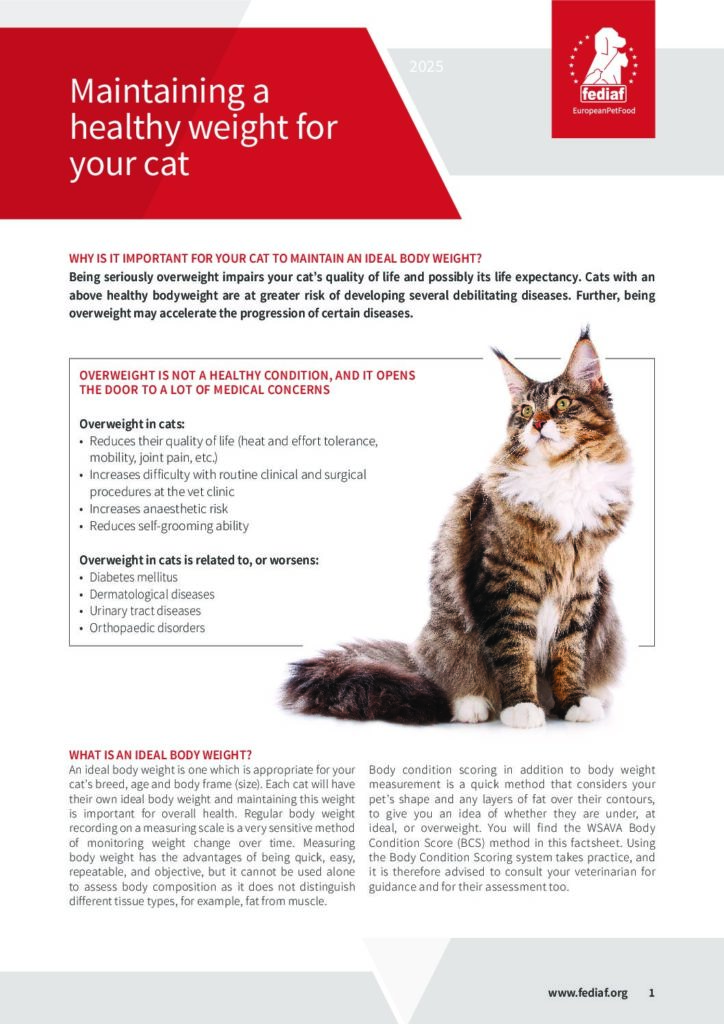
Caption: FEDIAF’s reference guide outlines ideal calorie intake and weight ranges for cats of all activity levels.
Image source: europeanpetfood.org
Life Stage-Specific Nutritional Needs
A cat’s nutritional requirements shift dramatically as they age, so their diet should be adjusted accordingly to support their changing physiology.
Kittens (0–12 months)
Kittens require 30–40% protein and 20–30% fat on a dry matter basis to support rapid growth and brain development. Look for foods fortified with DHA (an omega-3 fatty acid) to support cognitive function, and calcium to support growing bones. Kittens should be fed 3–4 small meals a day to match their high energy needs.
Adult Cats (1–7 years)
Adult cats need a maintenance diet with 25–30% protein and 10–20% fat, with portion control to prevent obesity. Adjust calorie intake based on activity level: indoor cats with low activity need 20–30% fewer calories than outdoor, active cats.
Senior Cats (7+ years)
Senior cats often have reduced kidney function and muscle mass, so they need high-quality, highly digestible protein to maintain muscle, with lower phosphorus levels to reduce kidney strain. Many senior cats also benefit from added omega-3s to support joint health and antioxidants to combat age-related cellular damage. For cats diagnosed with early-stage kidney disease, kidney-friendly wet formulas are formulated to reduce kidney workload while meeting all core nutritional needs.
Special Dietary Considerations for Common Health Conditions
If your cat has a diagnosed health condition, their diet will need to be tailored to manage symptoms and support treatment.
- Overweight cats: Switch to a high-protein, high-fiber weight management food to keep them full while reducing calorie intake. Avoid free-feeding, and measure portions carefully. Low-calorie training treats can be used for rewarding good behavior without adding excess calories.
- Food allergies: Symptoms often include itchy skin, ear infections, and vomiting. Work with your vet to run an elimination diet, removing common allergens (beef, chicken, dairy, grains) one at a time to identify triggers. Novel protein sources like duck, venison, or rabbit are often well-tolerated by allergic cats.
- Diabetes: Diabetic cats need a low-carbohydrate, high-protein diet to help regulate blood sugar levels. Avoid foods with added sugars or high-carb fillers like corn and wheat.
- Dental disease: Cats with dental pain may prefer soft, wet food over hard dry kibble. Look for dental-specific diets formulated to reduce tartar buildup if your vet recommends it.
If your cat has a chronic illness, consult your vet for nutrition for cats with chronic illness tailored to their specific condition.
How to Choose High-Quality Cat Food
With hundreds of options on the market, it can be overwhelming to pick the right food for your cat. Follow these steps to narrow down your choices:
- Look for an AAFCO statement: All commercial cat foods sold in the U.S. must include a statement that they meet the nutritional standards set by the Association of American Feed Control Officials (AAFCO) for your cat’s life stage (kitten, adult, senior). This ensures the food is complete and balanced.
- Check the guaranteed analysis: Look for at least 30% protein and 10% fat on a dry matter basis for adult cats. For wet food, adjust for moisture content (wet food is ~75% water, so protein levels will appear lower on the label).
- Prioritize named animal proteins: The first ingredient should be a specific meat (e.g., "chicken", "salmon") not a vague term like "meat by-product" or "animal digest".
- Avoid unnecessary fillers: Limit foods with corn, wheat, soy, or artificial colors/flavors as top ingredients, as these provide little nutritional value and can trigger allergies in sensitive cats.
If you’re looking for trusted, nutritionally tested wet food options, explore our roundup of the top-rated wet food picks to find a fit for your cat’s taste and health needs.
Homemade Cat Food: Benefits, Risks, and Best Practices
Feeding a homemade diet can give you full control over your cat’s ingredients, but it comes with significant risks if not done correctly. Homemade diets are often deficient in critical nutrients like taurine, calcium, and vitamin E if not formulated by a veterinary nutritionist, which can lead to serious health issues over time.
If you choose to make your cat’s food at home:
- Work with a board-certified veterinary nutritionist to create a balanced recipe tailored to your cat’s needs
- Use only fresh, human-grade ingredients, and avoid toxic foods like onions, garlic, chocolate, grapes, and xylitol
- Supplement appropriately with taurine, calcium, and other essential nutrients as directed by your vet
- Store homemade food properly in the fridge or freezer to prevent spoilage
Common Nutritional Mistakes to Avoid
Even well-meaning cat owners often make these avoidable errors:
- Feeding dog food: Dog food lacks taurine and other essential nutrients cats need, and long-term feeding can lead to heart disease and blindness.
- Overfeeding treats: Treats should make up no more than 10% of your cat’s daily calorie intake. Many commercial treats are high in calories and low in nutritional value.
- Giving human food scraps: Onions, garlic, chocolate, grapes, and foods with xylitol are toxic to cats, even in small amounts.
- Free-feeding dry food: Leaving dry food out all day leads to overeating and obesity in many cats, especially indoor pets with low activity levels.
- Not adjusting for life stage: Feeding a kitten adult food, or an adult cat kitten food, leads to nutrient imbalances that can harm their health.
Frequently Asked Questions
What are a cat’s core nutritional needs?
Cats require high-quality animal protein, essential amino acids (especially taurine), fats, a small amount of fiber, and all required vitamins and minerals, plus constant access to fresh water. A diet that meets AAFCO standards for their life stage will cover these needs for most healthy cats.
What is the 25% rule for cat food labeling?
AAFCO’s naming rules dictate that if a cat food is named with a single ingredient (e.g., “Salmon Cat Food”), that ingredient must make up at least 25% of the product (on a dry matter basis, excluding added water, gravy, or broth). If the name includes “dinner” (e.g., “Salmon Dinner”), the ingredient must still make up 25%, while “with” claims (e.g., “With Salmon”) only require 3% of the named ingredient.
Is wet food better than dry food for cats?
Both can be part of a healthy diet, but wet food is superior for hydration, which supports kidney and urinary tract health. Many vets recommend a mixed diet of wet and dry food, or exclusively wet food for cats prone to urinary issues or kidney disease.
Can cats be vegan?
No. Cats are obligate carnivores and cannot get the essential nutrients they need (like taurine, arachidonic acid, and pre-formed vitamin A) from plant-based diets. A vegan diet will lead to severe, life-threatening nutrient deficiencies over time.
Final Tips for Optimal Cat Nutrition
There’s no one-size-fits-all diet for cats, but following these evidence-based guidelines will set your pet up for a long, healthy life:
- Prioritize high-quality animal protein as the first ingredient in all meals
- Ensure constant access to fresh, clean water, and incorporate wet food to boost moisture intake
- Adjust their diet as they age, switching to life stage-appropriate formulas at 12 months and 7 years
- Work with your veterinarian to tailor their diet to any health conditions, and schedule regular checkups to monitor their weight and overall health
- Limit treats to less than 10% of their daily calorie intake, and opt for low-calorie training treats for rewarding positive behavior
By focusing on your cat’s unique biological needs rather than marketing trends, you can provide the nutrition they need to thrive for years to come.

Caption: A vet can help tailor your cat’s diet to their unique health status, age, and lifestyle needs.
Image source: justcatsclinic.com
Conclusion
Every cat’s nutritional needs are as unique as their personality, but the foundational principles of high-quality animal protein, adequate hydration, life stage-appropriate formulations, and vet-guided adjustments for health conditions hold true for all felines. Avoid getting caught up in trendy diet fads that ignore cats’ obligate carnivore biology — the most reliable nutrition choices are rooted in evidence, not marketing. Schedule regular wellness checks with your veterinarian to monitor your cat’s weight, muscle mass, and organ function, as these are the best indicators that their diet is supporting their long-term health. If you are considering switching your cat’s food, introducing supplements, or preparing homemade meals, always consult your vet first to avoid unintended nutrient imbalances. With intentional, informed choices, you can help your feline companion thrive at every stage of their life.