
Choosing the right wet food for your cat can feel overwhelming, especially when you want both palatability and sound nutrition. Sheba Pate has earned shelf space in many homes thanks to its smooth texture and apparent simplicity. But beyond the marketing, what does a closer look at the ingredient panel, macronutrient balance, and real-world feeding outcomes tell us? In this analysis, you’ll get a detailed breakdown of Sheba Pate’s nutritional value, how it stacks up against a cat’s biological needs, and what to watch for before making it a daily staple.
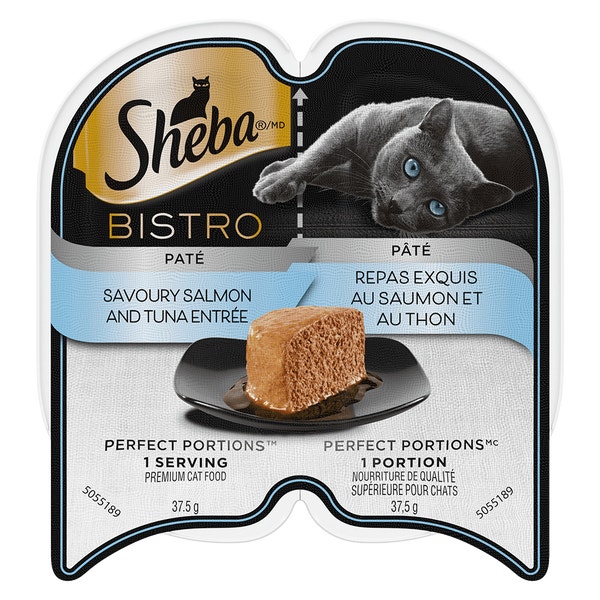
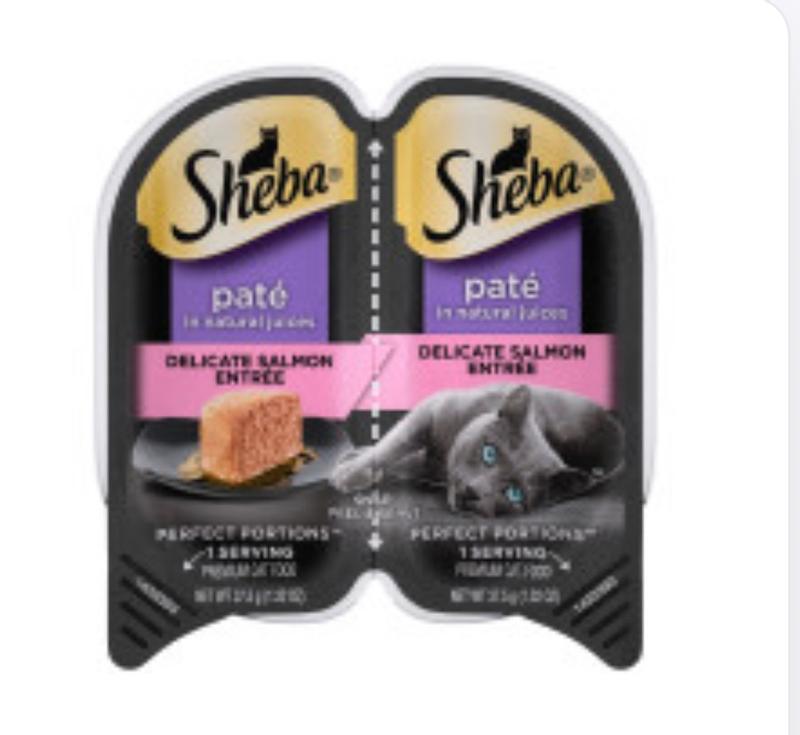
Sheba Pate trays come in convenient single-serving portions.
Nutritional Profile: What’s Inside a Sheba Pate Tray
At its core, Sheba Pate is formulated to meet the AAFCO nutrient profiles for adult maintenance, meaning it can serve as a complete meal. The exact numbers vary slightly across flavors, but a typical chicken pate entry provides around 35–40 calories per 28-gram (1-ounce) serving, with a macronutrient spread that places protein and fat front and center. You can also read our guide on how do fetus cats receive nutrition.
Protein and Amino Acids
Animal muscle meat, poultry by-products, and organ meat (often chicken liver) supply the protein base. This creates a robust amino acid profile, including taurine — an essential nutrient cats cannot synthesise adequately on their own. A standard tray generally delivers 7–9% crude protein on an as-fed basis, which translates to a much higher protein load when you remove moisture. For obligate carnivores, that protein density supports muscle maintenance, enzyme production, and immune function.
Fat and Fatty Acids
Fat levels hover around 5–6% (as-fed), bringing both energy and palatability. Sheba includes animal fats, which naturally contribute arachidonic acid and can carry omega-6 fatty acids. Omega-3s may appear in seafood-based varieties, though the amount is typically modest. Together, these fats help maintain skin elasticity and coat gloss without tipping the calorie load excessively. You can also read our guide on how much wet food to feed cats.
Carbohydrates and Fiber
As a pate with no bulky grains, Sheba keeps carbohydrate levels low — often estimated under 3% on a dry-matter basis. You won’t see corn, wheat, or soy listed. A small quantity of guar gum or carrageenan may be used as a binder, which is worth noting if your cat has a sensitive digestive system. Fiber is minimal, so cats prone to hairballs might need additional support from other sources.
Moisture and Hydration
Like most wet foods, Sheba Pate contains roughly 78–82% water. This inherent hydration is one of the quiet strengths of canned diets, especially for cats with a low thirst drive. Adequate moisture intake helps support urinary tract health and can reduce the risk of crystal formation — a clear advantage over dry kibble. You can also read our guide on tick and flea control for cats.
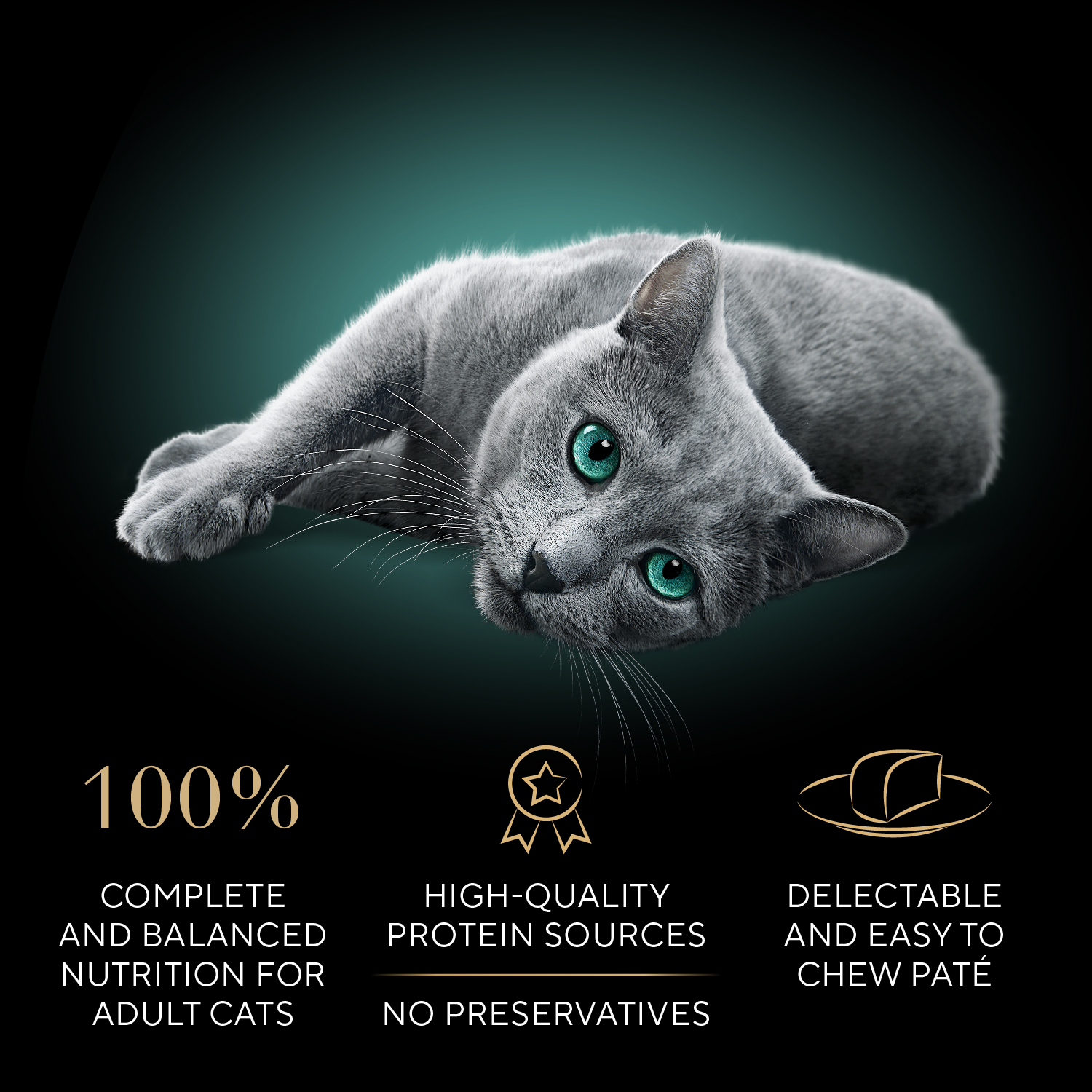
The smooth, minced texture of Sheba Pate makes it easy for cats to eat.
Credit: www.sheba.com
Ingredient Quality: Real Meat and Beyond
The first ingredient in virtually every Sheba Pate variety is a named protein source — chicken, turkey, salmon, or beef. That’s reassuring, because it signals the product is built around animal tissue rather than plant proteins. Immediately after water, you’ll often see liver and meat by-products. While the term “by-products” can raise questions, high-quality poultry by-products deliver nutrient-dense organ meats that cats would naturally consume in prey.
A common observation when scanning the ingredient list is the relative absence of fillers. There are no corn gluten meals, soy flours, or artificial dyes in the pate line (though some seafood flavors may use added iron oxide for color, which is generally recognized as safe). Vitamins and minerals are added to meet completeness standards — you’ll spot vitamin E supplement, thiamine mononitrate, and zinc sulfate among others. This fortification fills any gaps from processing and ensures the food hits the required micronutrient marks. You can also read our guide on what sort of nutrition is needed for a sick cat.
When you dip into the broader discussion of the nutritional makeup of premium canned diets, it becomes clear that ingredient simplicity often correlates with better digestibility. Sheba’s straightforward approach means cats absorb nutrients efficiently, and many owners report smaller, firmer stools after switching from heavily-processed dry foods.
How Sheba Pate Matches a Cat’s Biological Requirements
Cats are obligate carnivores with zero dietary requirement for carbohydrates. Their bodies are fine-tuned to metabolize protein and fat for energy, while extracting water from their food. Sheba Pate aligns with these biological needs in three key ways:
- High animal protein load: Even with moisture, the protein percentage on a dry-matter basis hovers around 40–50%, closely mirroring the composition of typical prey.
- Low carbohydrate footprint: The pate texture and reliance on meat leave little room for starch, helping prevent blood sugar spikes and unnecessary insulin responses.
- Moisture-rich matrix: With roughly 80% water, one tray can contribute significantly to daily hydration, easing the load on the kidneys and bladder.
For cats with kidney concerns, that moisture becomes even more critical. Cats with renal issues require extra hydration to support failing kidneys, and a diet of wet pate helps dilute urine naturally. Even in healthy cats, a moisture-dense diet reduces the relative supersaturation of urine — a factor linked to struvite and oxalate crystal formation. Sheba Pate, therefore, isn’t just a treat; it’s a functional tool for maintaining urinary health when used consistently. You can also read our guide on do cats need dietary fiber feline nutrition.
Of course, no single product is perfect. The main limitation is that the food is designed for adult maintenance, not for growth or reproduction. Kittens and pregnant or nursing queens need a higher caloric and nutrient density. Additionally, the softer texture won’t provide the abrasive action that dry food offers for dental cleaning, so some form of dental care remains essential when feeding a fully wet diet.
Feeding Guidelines and Practical Portion Tips
Determining how much to offer is a matter of reading your cat’s body condition and energy level. Sheba packages provide general on-label guidance, but in practice, a moderately active 10-pound adult cat often does well with about two and a half to three trays (each tray is typically 1.32 ounces for Perfect Portions) per day, split into two meals. If you’re using the larger 2.6-ounce twin-pack trays, one tray may cover a meal, but you’ll likely need to supplement with a second feeding.
A common mistake is relying on the tray’s peel-top lid as a portion measure without checking calories. Because caloric content can vary between flavors (tuna and salmon pates sometimes pack more fat), it pays to scan the label — roughly 35–45 calories per 1.3-ounce serving is typical. If you portion meals with an automatic feeder designed for wet recipes, make sure you calibrate the unit to dispense the correct weight, as pate can stick and leave residue.
Feeding frequency matters too. Adult cats do well with two evenly spaced meals. Cats who gulp food quickly or show signs of hunger between meals may benefit from three smaller portions. Always discard any uneaten pate after 30–60 minutes at room temperature to prevent bacterial growth.
Health Benefits Cat Owners Notice
Veterinarians often frame good nutrition as what you observe over time: coat vibrancy, energy level, stool quality, and weight stability. Sheba Pate tends to perform well on these practical checkpoints.
- Coat and skin: After a month on Sheba, many owners report that their cat’s fur feels softer and sheds less. The animal fat matrix and added vitamin E likely help maintain the skin barrier.
- Hydration and urinary habits: Litter box observations show larger, less concentrated urine clots, indicating better hydration. This is especially valuable for male cats prone to urinary blockages.
- Digestive ease: Because the pate contains minimal indigestible plant matter, stools are typically well-formed and less voluminous — a sign of high digestibility.
- Appetite and satiety: The combination of strong aroma and high protein often satisfies even picky eaters. Cats seem to feel full with fewer calories, which supports weight management.
However, no food is a silver bullet. Some cats with sensitive stomachs may react to the small amount of carrageenan or guar gum used as texture stabilizers. If you notice loose stools or increased gassiness after switching, try a different protein flavor or consider a short elimination trial.
Veterinarian and Nutritionist Perspectives
When discussing wet food options with practitioners, the consensus around Sheba Pate generally rests on its completeness and moisture content. Many veterinarians appreciate that it is formulated to meet AAFCO standards, and its ingredient list — while not boutique — is transparent and grounded in animal-based nutrition. A vet nutritionist would point out that the taurine levels are adequate, the protein digestibility is high, and the absence of artificial preservatives reduces unnecessary chemical exposure.
One area where experts advise caution is the sodium level. Like most commercial cat foods, Sheba adds salt for palatability and preservation, but the amount is not a concern for healthy cats. Cats with cardiac conditions or advanced kidney disease, however, may need a diet with strictly controlled sodium and phosphorus, so always consult your veterinarian. The food’s nutritional adequacy statement confirms it is intended for healthy adults, so if your cat falls into a special-needs category, a prescription diet might be more appropriate. Still, for routine feeding, Sheba Pate aligns well with the nutritional philosophy promoted by organizations like the FDA, which stipulates that a complete and balanced pet food must deliver all essential nutrients in the right ratios. You can review those standards on the official FDA page for pet food to see what “complete and balanced” really entails.
Consumer Feedback: What Real-World Users Report
A look at owner experiences reveals a product that hits the mark for most cats but has a few recurring themes.
Positive Feedback
- Taste acceptance: Even finicky cats often clean the bowl. The high protein and fat aroma acts as a powerful appetite stimulant.
- Convenience: The peel-and-serve trays are mess-free, and the smaller portions mean less waste in single-cat households.
- Visible health markers: Multiple reviews mention shinier coats and improved energy within weeks of switching.
Common Criticisms
- Price per ounce: Compared to budget pate lines, Sheba is priced in the mid-premium tier. Households with multiple cats may find the daily cost adds up.
- Occasional texture inconsistency: A few batches appear slightly firmer or more watery, though this doesn’t seem to affect palatability.
- Packaging sustainability: The plastic trays are not universally recyclable, which some environmentally conscious buyers mention as a downside.

Credit: www.sheba.com
From a user standpoint, if you prioritize convenience and your cat thrives on a grain-free, meat-first recipe, Sheba Pate sits among the most highly regarded wet formulas currently available without requiring a prescription.
Frequently Asked Questions
Is Sheba Pate good for cats?
Yes. Sheba Pate is nutritionally complete for adult maintenance and offers real meat as the first ingredient. Its high moisture content supports urinary health, and the smooth texture is easy for cats to eat. It’s a solid everyday option for most healthy adult cats.
Is Sheba cat food nutritionally complete?
Every Sheba Pate tray is formulated to meet the AAFCO nutrient profiles for adult maintenance. This means it can be fed as a sole diet without supplementation — it includes all essential vitamins, minerals, and amino acids (like taurine) that adult cats need.
Which is healthier, Sheba or other popular pate brands?
Rather than naming one brand as universally healthier, focus on the specific variables that matter for your cat: protein source, carbohydrate content, moisture, and additive load. Sheba uses fewer fillers and no artificial colors in most varieties. When comparing wet foods that rank among the top-rated options, Sheba consistently appears as a strong performer because of its ingredient simplicity and high animal protein density. However, some cats may need a formulation with added joint support or fiber, which other products might provide. Always match the food to your cat’s individual health profile.
Is pate food better for cats than chunky or flaked styles?
Pate offers a uniform texture that many cats find easier to lap up. It also tends to have fewer carbohydrates because it requires less starch for binding. For cats who tend to lick the gravy and leave the meat, pate solves that problem by delivering even nutrition in every bite. The only potential downside is that it doesn’t provide chewing resistance for dental health, so pairing it with occasional dental treats or brushing is wise.
Conclusion: Does Sheba Pate Deliver Good Nutrition?
After breaking down the ingredient deck, nutrient levels, and real-world outcomes, Sheba Pate stands out as a reliable, nutritionally sound wet food for adult cats. It leans into what cats need most — animal protein, moisture, and moderate fat — while leaving out the grains and artificial fluff that can muddy a diet. The fortification with vitamins and minerals ensures completeness, and the feedback from both veterinarians and everyday owners reinforces that cats rarely just tolerate this food; they thrive on it.
That said, a balanced assessment acknowledges it’s not a one-size-fits-all solution. Cats with specific medical conditions may need a tailored therapeutic diet, and multi-cat homes on a tight budget might feel the pinch. But for pet parents seeking a convenient, protein-focused pate that supports hydration, coat health, and consistent energy, Sheba Pate earns its place in the rotation.
Ready to see if Sheba fits your cat’s bowl? Browse the full ingredient panels on the official Sheba website and compare the calorie content to your cat’s daily needs. For further guidance on finding a formula that matches your cat’s unique health requirements, take a look at additional resources that explore what truly defines nutritionally superior cat food. Your cat’s bowl is the first step toward a long, healthy life — fill it thoughtfully.