
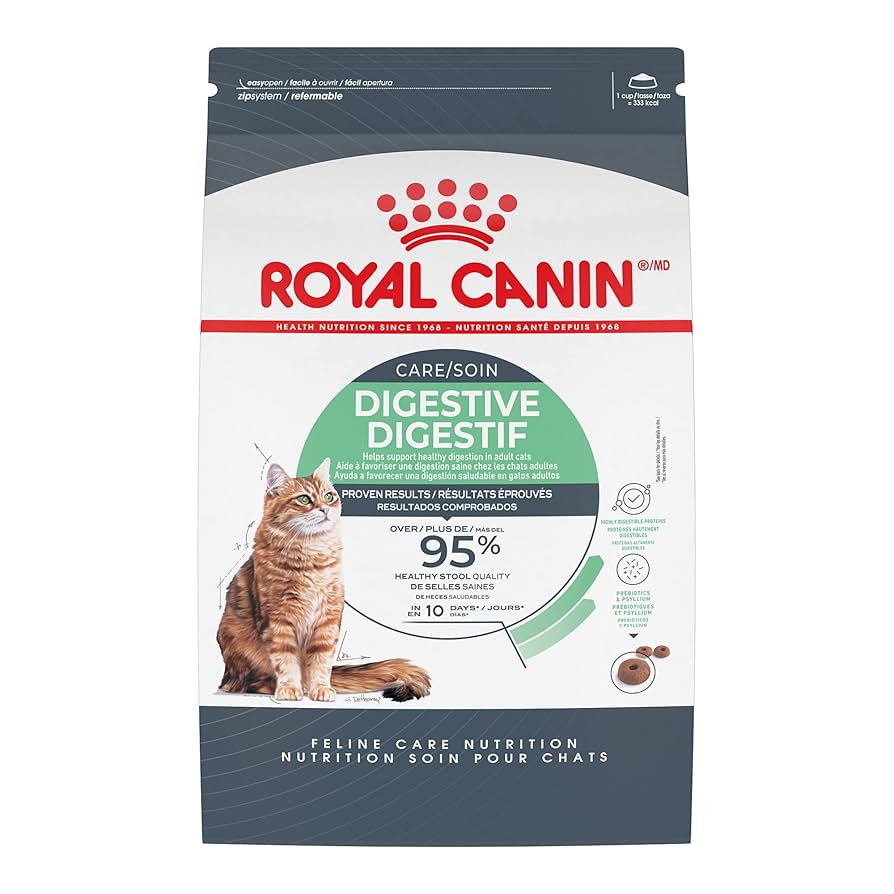
Are you puzzled by the countless cat food options lining the shelves? As a caring cat owner, you want the best nutrition for your feline friend.
But with so many choices, how do you know which cat food is truly nourishing? Imagine the peace of mind you'll have when you confidently choose a food that supports your cat's health and happiness. We'll uncover the secrets to finding cat food that not only meets your cat's dietary needs but also fits your budget.
Get ready to discover the key ingredients and brands that will help your cat thrive. Don't settle for anything less than the best—your cat deserves it! Keep reading to learn how to make an informed decision and ensure your furry companion's well-being.
Importance Of Nutritional Cat Food
Cats need the right food for a healthy life. Proper nutrition helps them grow strong and stay active. The right cat food provides essential nutrients. These nutrients support their immune system and maintain a shiny coat. Choosing the best nutritional cat food is important.
Understanding Your Cat's Dietary Needs
Cats are obligate carnivores. This means they need meat to thrive. Proteins from animal sources are crucial. They help build muscles and repair tissues. Cats also need certain vitamins and minerals. These include taurine, which supports heart health. A balanced diet ensures all these needs are met.
Reading Cat Food Labels Correctly
Labels can guide you in choosing the right food. Look for foods with high protein content. Ensure the first ingredient is a named meat source. Avoid foods with fillers like corn or wheat. Check for added vitamins and minerals. This ensures complete nutrition for your cat.
Wet Vs. Dry Cat Food: Nutritional Differences
Wet food often has more protein and fewer carbohydrates. It's also higher in moisture, which is good for hydration. Dry food is convenient and can help with dental health. Both types have benefits. Choose based on your cat's preferences and health needs.
Impact Of Poor Nutrition On Cats
Poor nutrition can lead to health problems. Cats may become overweight or underweight. They might suffer from a dull coat or weak immune system. Inadequate diets can also affect their energy levels. Providing balanced nutrition helps prevent these issues.
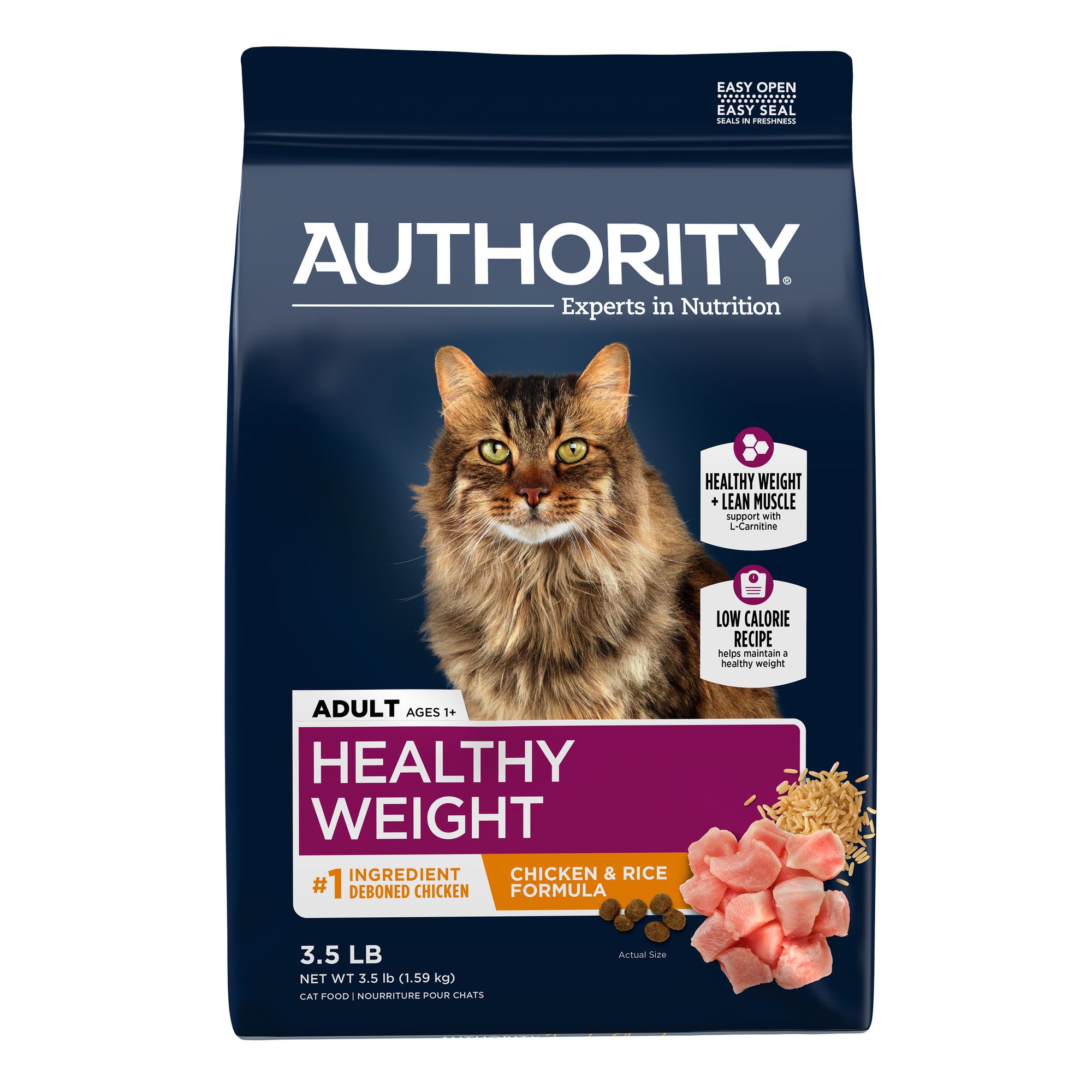
Credit: www.petsmart.com
Key Nutrients For Cats
Cats are natural carnivores, and their dietary needs are quite different from ours. A balanced diet is crucial to maintain their health and vitality. Understanding key nutrients can help you choose the best food for your furry friend. Let's dive into the essential components of cat nutrition that ensure they are getting the best out of their meals.
Proteins
Proteins are the cornerstone of a cat's diet. They provide energy and support growth and repair. Animal-based proteins are ideal since they closely resemble the nutrients found in a cat's natural diet. Look for cat food with chicken, turkey, or fish as the primary ingredient. Would you choose a meal with less meat for your cat?
Fats
Fats are not just about flavor; they are vital for energy and skin health. Omega-3 and Omega-6 fatty acids play an important role in maintaining a shiny coat and promoting brain function. Foods that include fish oil or chicken fat can be excellent sources. Have you noticed how your cat's coat shines after a balanced meal?
Vitamins And Minerals
Vitamins and minerals are essential for your cat's immune system and overall well-being. Vitamins like A, D, E, and K, along with minerals such as calcium and phosphorus, should be part of their diet. Ensure that the cat food you choose is fortified with these nutrients. Are you providing enough of these essentials in your cat’s daily meals?
Amino Acids
Amino acids, especially taurine, are crucial for heart and eye health. Cats cannot produce taurine on their own, so it's vital that their diet includes it. Foods rich in taurine ensure your cat remains healthy and active. Have you checked if your cat's food is taurine-rich?
Choosing the right cat food with these key nutrients ensures your cat leads a healthy and happy life. Consider these factors the next time you’re shopping for your feline friend. What changes might you make to improve your cat's diet today?
Types Of Cat Food
Choosing the right cat food ensures optimal nutrition for your feline friend. Options include dry kibble, wet canned food, and raw diets. Each type offers unique benefits, catering to different health needs and preferences.
When choosing cat food, understanding the types is crucial. Cats have different preferences and dietary needs. The main types of cat food include dry, wet, and raw. Each type offers unique benefits and suits different lifestyles. Let's explore these types further.
Dry Cat Food
Dry cat food, also known as kibble, is a popular choice. It is convenient and easy to store. Kibble helps keep your cat's teeth clean. It contains a balanced mix of proteins, fats, and carbohydrates. Some dry foods include added vitamins and minerals. Always check the ingredients for quality protein sources. Avoid fillers like corn or wheat.
Wet Cat Food
Wet cat food is high in moisture content. This is beneficial for cats who need more hydration. It often has a stronger aroma, enticing picky eaters. Wet food typically contains fewer carbohydrates. It offers a great source of protein. It is available in cans or pouches. Check labels for real meat as the first ingredient.
Raw Cat Food
Raw cat food mimics a cat's natural diet. It consists of uncooked meat, bones, and organs. Some owners believe it provides superior nutrition. It requires careful handling to prevent bacteria. Many raw diets include supplements for a balanced meal. Raw food can come as frozen or freeze-dried. Ensure it's sourced from reputable suppliers.
Top Picks For Nutritional Cat Food
Choosing the right cat food ensures your feline friend stays healthy and active. Quality nutrition supports their growth, energy, and overall well-being. It's important to know which foods provide the essential nutrients. We've researched and compiled the top picks for nutritional cat food. Here’s a detailed look at the best options available for your cat.
Best Dry Cat Food
Dry cat food is convenient and helps maintain dental health. Look for options with high protein content and no artificial additives.
- Brand A:Offers a balanced mix of proteins and vitamins.
- Brand B:Known for its grain-free formula and natural ingredients.
- Brand C:Contains antioxidants for a healthy immune system.
Best Wet Cat Food
Wet cat food provides hydration and often has a richer taste. Look for options with real meat as the first ingredient.
- Brand D:Packed with essential fatty acids and proteins.
- Brand E:Offers a variety of flavors for picky eaters.
- Brand F:Known for its high moisture content and natural ingredients.
Best Raw Cat Food
Raw cat food mimics a cat’s natural diet and is nutrient-rich. Choose products that are balanced and safe for consumption.
- Brand G:Provides a complete diet with raw meat and bones.
- Brand H:Known for its high-quality, locally sourced ingredients.
- Brand I:Offers freeze-dried options for convenience and nutrition.
How To Choose The Right Cat Food
Selecting cat food with excellent nutrition is crucial for your pet's health. Choose options rich in proteins and essential vitamins. Ensure the food contains taurine for heart and eye health.
Choosing the right cat food can feel overwhelming with so many options on the market. Your feline friend's health depends on the quality of food they consume, and making the best choice involves more than just picking the most popular brand. A balanced diet tailored to your cat's needs ensures they live a long, healthy, and happy life. So, how do you decide what's best for your furry companion?
Age And Lifestyle Considerations
When selecting cat food, consider your cat's age and lifestyle. Kittens require food rich in proteins and fats to support their rapid growth and development. Adult cats need a balanced mix of proteins, fats, and carbohydrates to maintain their health and energy levels. For senior cats, look for food that supports joint health and includes fewer calories to prevent weight gain. Is your cat mostly indoors, outdoors, or a bit of both? This lifestyle factor also impacts their dietary needs.
Special Dietary Needs
Every cat is unique, and some might have special dietary needs. Does your cat have allergies or food sensitivities? Opt for hypoallergenic or limited-ingredient diets. Cats with medical conditions like diabetes or kidney disease need specialized diets designed to manage their health issues. Consult your vet to tailor your cat's diet to meet specific health requirements.
Reading Labels And Ingredients
Understanding cat food labels can be daunting but is crucial for making an informed choice. Look for high-quality protein sources like chicken, beef, or fish as the first ingredient. Avoid foods with excessive fillers like corn, wheat, or soy. Beware of artificial preservatives, colors, and flavors. Aim for natural, wholesome ingredients that contribute to your cat's well-being. Have you ever noticed how some labels can be misleading? Always check the ingredient list closely to ensure you're getting what your cat needs. Choosing the right cat food doesn't have to be a guessing game. By considering age, lifestyle, special dietary needs, and thoroughly reading labels, you'll make choices that nurture your cat's health and happiness.

Credit: www.petfoodprocessing.net
Tips For Transitioning Cat Food
Transitioning cat food requires careful choices. Select food rich in protein, vitamins, and minerals for balanced nutrition. Gradually introduce new food to avoid digestive issues.
Transitioning your cat to a new food can be a delicate process. Cats are creatures of habit and sudden changes can upset their digestive systems. It's crucial to make this transition smoothly to ensure your feline friend stays healthy and happy. Here are some helpful tips to assist you in changing your cat's food without causing any distress or health issues.
Start Gradually
Begin by mixing small amounts of the new food with the old. Increase the new food gradually over a week. This helps your cat adjust without stomach upset.
Monitor Your Cat's Response
Watch for signs of digestive issues like diarrhea or vomiting. If these occur, slow down the transition or consult a vet.
Ensure Proper Hydration
Ensure your cat drinks enough water during the change. Hydration helps the digestive system adjust to new food.
Stay Patient
Cats may resist new flavors initially. Be patient and persistent. They will eventually adapt to the new diet.
Consult Your Vet
If your cat shows unusual behavior, consult a veterinarian. A vet can provide guidance specific to your cat's health needs. These tips can make the process of changing your cat's diet smoother and less stressful for both of you. Remember, patience is key when dealing with picky eaters.
Common Cat Nutrition Myths
Choosing the right cat food is crucial for their health. Many myths surround cat nutrition, but quality food with essential nutrients ensures the best diet. Always check for balanced ingredients to support your cat's growth and wellbeing.
Understanding what your cat needs nutritionally can be tricky. Many myths surround cat nutrition. These myths can lead to confusion and poor dietary choices. Let's debunk some common misconceptions about what cats should eat.
Myth: Cats Need Only Meat
Cats are obligate carnivores. This means they require meat. But they also need other nutrients. These come from various sources, not just meat. Vitamins and minerals play a key role. A balanced diet is essential.
Myth: Grain-free Food Is Always Better
Grain-free diets are popular for pets. Some believe grains harm cats. But grains can provide energy and fiber. Unless your cat has allergies, grains can be beneficial. Check the overall ingredient quality instead.
Myth: All Commercial Cat Foods Are The Same
Not all cat foods have equal nutritional value. Some are better formulated. High-quality foods often list meat as the first ingredient. Check labels for protein content and essential nutrients. Look for trusted brands with good reviews.
Myth: Wet Food Causes Dental Issues
Some think wet food damages teeth. But it can be part of a healthy diet. Wet food helps hydration. It's beneficial for cats that don't drink much water. Ensure regular dental check-ups to maintain oral health.
Myth: Cats Can Eat Dog Food
Cats and dogs have different nutritional needs. Dog food lacks certain nutrients cats need. Taurine is crucial for cats. Dog food often doesn't have enough. Feeding cats dog food can lead to deficiencies. Understanding these myths helps in choosing the right food. A balanced diet keeps your cat healthy and happy.
Consulting With A Veterinarian
Consulting with a veterinarian helps identify cat food with optimal nutrition. Expert advice ensures balanced meals for your feline. Tailored recommendations support your cat's health and vitality.
Consulting a veterinarian is crucial for your cat's nutrition. They understand your cat's dietary needs. This ensures your furry friend stays healthy and happy. A vet can provide specific advice based on your cat's age, breed, and health. Many cat owners overlook this step. Yet, it can prevent health issues. Trusting a vet's expertise can guide you to the best nutritional choices.
Understanding Your Cat's Dietary Needs
Each cat is unique in its dietary needs. Factors like age and activity level matter. A vet assesses these factors to recommend the best food. This helps in tailoring a diet specific to your cat. It ensures balanced nutrition.
Identifying Nutritional Deficiencies
Vets can spot nutritional deficiencies early. These deficiencies might not be obvious to owners. With regular check-ups, a vet can adjust the diet. This keeps your cat fit and healthy.
Addressing Health Concerns
Some cats have specific health issues. These require special dietary considerations. Vets can suggest suitable foods for conditions like obesity or allergies. This personalized approach aids in managing health concerns effectively.
Guidance On Quality Ingredients
Vets advise on the best ingredients in cat food. They help identify quality brands that meet your cat's needs. This ensures your cat receives the best nutrition possible.
Monitoring Your Cat's Progress
Regular vet visits help in monitoring your cat's health. They track progress and make dietary adjustments as needed. This ongoing support keeps your cat thriving.

Credit: www.amazon.com
Frequently Asked Questions
What Is The Best Nutrition For A Cat?
Cats thrive on high-quality protein from meat sources. Include essential fatty acids, vitamins, and minerals. Wet food offers hydration, while dry food aids dental health. Balance is key. Consult your vet for specific needs. Avoid harmful foods like chocolate, onions, and garlic.
Ensure fresh water access always.
What Is The Number One Meat You Should Never Feed Your Cat?
Never feed your cat raw fish. It contains thiaminase, which breaks down thiamine, an essential vitamin for cats. Raw fish can cause thiamine deficiency, leading to neurological problems and other health issues. Cooked fish is safer but should be given in moderation.
Always consult your vet for the best diet advice.
What Is The Best Food For Malnutrition Cats?
The best food for malnutrition cats includes high-protein, easily digestible meals with essential vitamins and minerals. Opt for wet cat food containing real meat, omega-3 fatty acids, and taurine. Consult a veterinarian for specific dietary recommendations to ensure proper nutrition and recovery.
What Is The Healthiest Protein Source For Cats?
Chicken and turkey are excellent protein sources for cats. They provide essential nutrients and are easily digestible. Opt for high-quality, lean meats without additives. Fish is also beneficial, offering omega-3 fatty acids. Ensure variety and consult a vet for balanced nutrition.
Conclusion
Choosing the best cat food means better health for your pet. High protein and balanced nutrients are essential. Look for foods with real meat as the first ingredient. Avoid fillers and artificial additives. Check for essential vitamins and minerals. Consult your vet for personalized advice.
Your cat deserves quality nutrition. Right food leads to energy and happiness. Your furry friend thrives with the proper diet. Invest time in finding the best options. Remember, a healthy cat is a happy cat. Make informed choices today for a better tomorrow.
Your cat's well-being is in your hands.
