
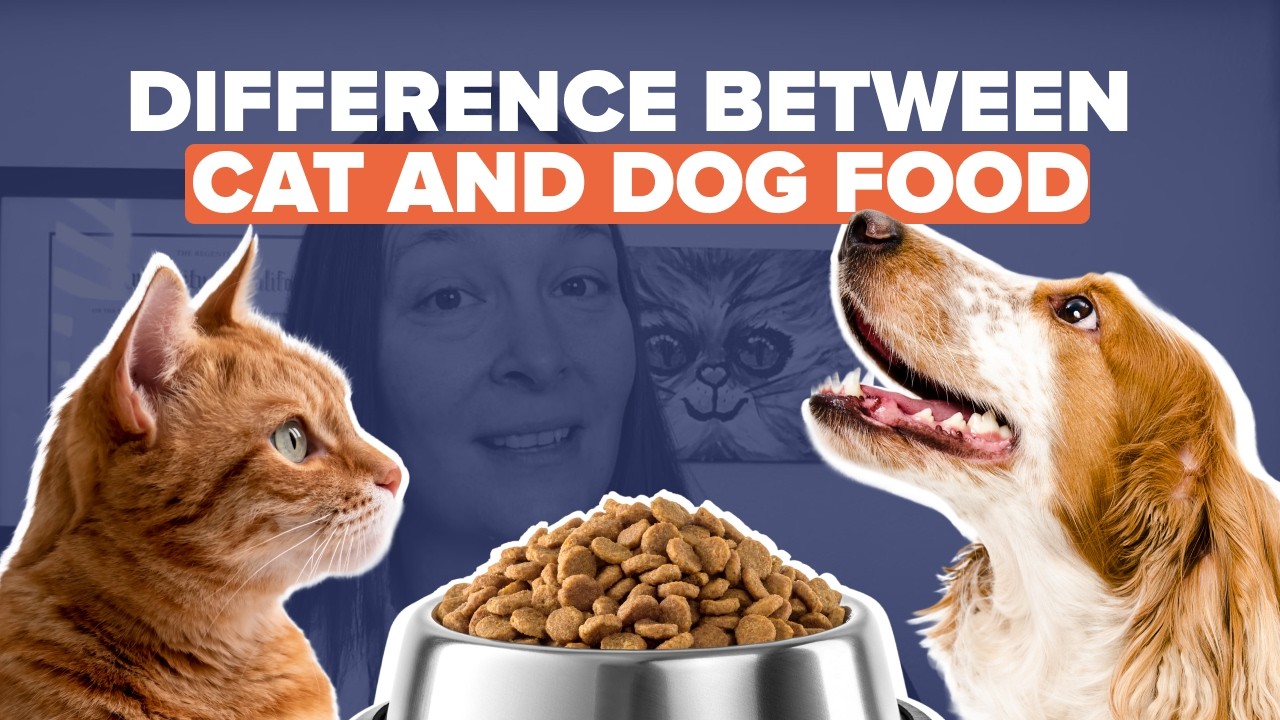
Imagine you're in the middle of your busy day, and you realize you're out of cat food. You glance over at the bag of dog food sitting in the corner and wonder, "Can I feed my cat dog food?"
You care deeply about your furry friend's health and happiness, and you want to make sure you're doing the right thing. This question might seem simple, but the answer can make a big difference in your cat's well-being. You're about to uncover important insights that will help you make informed choices for your pet.
Stick around, because understanding the nuances of this decision will give you peace of mind and ensure your cat stays happy and healthy.

Credit: www.purina.com
Differences Between Cat And Dog Nutrition
Cats and dogs have different nutritional needs. Cats need more protein and specific nutrients like taurine. Feeding dog food to cats can lead to deficiencies. Always choose food tailored for each pet's dietary requirements.
Understanding the differences between cat and dog nutrition is crucial for any pet owner who wants to keep their furry friends healthy. Cats and dogs may both be cherished members of our families, but their dietary needs are quite distinct. Feeding your cat dog food might seem harmless, but it can lead to nutritional deficiencies over time.
Unique Nutritional Needs Of Cats
Cats are obligate carnivores, meaning they require a diet high in animal protein. They need certain nutrients like taurine, arachidonic acid, and vitamin A directly from meat sources. Dog food often lacks these essential nutrients, making it unsuitable for cats.
Essential Nutrients In Dog Food
While dogs are omnivores and can enjoy a varied diet, their food is typically lower in protein compared to cat food. It usually contains more carbohydrates and fiber. This balance works well for dogs, but it doesn't meet the high protein requirements of cats.
Risks Of Feeding Cats Dog Food
Feeding your cat dog food might fill their stomach, but it won't provide the necessary nutrients they need to thrive. Over time, this can lead to health issues like heart disease and vision problems. Is it worth risking your cat's health by not providing the right nutrition?
Personal Story: A Lesson Learned
Once, I ran out of cat food and thought a temporary switch to dog food would be fine. My cat seemed okay at first, but soon became lethargic and disinterested in playing. It was a wake-up call to always ensure the right food for their unique needs.
Understanding Labels And Ingredients
When shopping for pet food, always check the labels to ensure it meets the specific nutritional requirements of your pet. Look for key ingredients like high-quality proteins and essential vitamins. This ensures you're not compromising on your pet's health.
Ask Yourself: Is My Cat Getting What It Needs?
Before you decide to feed your cat dog food, ask yourself if you're willing to compromise on their health. Proper nutrition is essential for their well-being and longevity. Make informed decisions to keep your cat healthy and happy.
Essential Nutrients For Cats
Cats need specific nutrients not found in dog food. Taurine, essential for cats, is often lacking in dog diets. Feeding your cat dog food regularly can lead to nutrient deficiencies and health issues. Always choose cat food for balanced nutrition.
Cats require specific nutrients for optimal health. Unlike dogs, their dietary needs are unique. Feeding them dog food might lead to deficiencies. Understanding essential nutrients for cats helps maintain their health and vitality.
Taurine Importance
Taurine is crucial for cats. It's an amino acid needed for heart health. Cats can't produce taurine themselves. Without it, they risk heart disease and vision problems. Taurine is found in animal-based proteins. Dog food often lacks adequate taurine levels for cats.
Protein Requirements
Cats are obligate carnivores. They need high protein diets. Proteins support muscle and tissue health. Cats require more protein than dogs. Dog food might not offer enough protein for cats. Animal proteins like chicken and fish are best for them.
Vitamin Needs
Vitamins are vital for a cat's wellbeing. They need vitamins A, D, and B. Vitamin A supports vision and skin health. Vitamin D helps with bone growth. B vitamins aid metabolism and energy levels. Cats can't convert beta-carotene to vitamin A like dogs. Dog food often lacks these essential vitamins for cats.
Why Dog Food Isn't Suitable For Cats
Feeding your cat dog food might seem harmless. They are both pets, right? Yet, cats and dogs have different dietary needs. Dog food lacks essential nutrients cats need. This can lead to health issues.
Lack Of Taurine
Cats need taurine to stay healthy. It is vital for their heart and eyes. Dog food does not have enough taurine. Cats cannot produce taurine by themselves. Without it, they can face serious health problems. Blindness and heart issues are common risks.
Inadequate Protein Levels
Cats require high protein levels. They are obligate carnivores. Dog food has lower protein levels. It is not enough for a cat's diet. Cats need protein for growth and energy. Insufficient protein can lead to weakness and weight loss.
Potential Health Risks
Feeding cats dog food can cause health risks. Malnutrition is a major concern. Dog food lacks essential vitamins for cats. This can lead to deficiencies. Digestive issues may arise. Poor diet can affect their coat and skin. A cat's health can rapidly decline.

Credit: www.houndsy.com
Short-term Effects Of Feeding Cat Dog Food
Feeding a cat dog food can lead to digestive issues. Cats need specific nutrients that dog food lacks. Temporary feeding might cause upset stomachs or nutrient deficiency.
Feeding your cat dog food even for a short time might seem convenient, but it can lead to unexpected consequences. Cats and dogs have different nutritional needs. Swapping their diets, even briefly, can cause immediate changes in your cat's health and behavior.
Immediate Digestive Disturbances
Cats might experience digestive issues when eating dog food. Dog food lacks certain nutrients essential for cats, like taurine. This can lead to vomiting or diarrhea, causing discomfort for your feline friend.
Energy Levels And Activity
You might notice a change in your cat's energy levels. Dog food doesn't provide the right balance of nutrients for cats. This can make your usually active cat seem lethargic or less playful.
Changes In Eating Habits
Cats are known for their specific dietary preferences. Feeding them dog food can alter their eating habits. They might become picky or refuse their usual food after tasting something different.
Potential Allergic Reactions
Dog food can contain ingredients that aren't safe for cats. Some cats might develop allergic reactions. Look out for signs like excessive scratching, skin irritations, or sneezing.
Hydration Concerns
Cats get a significant amount of their hydration from their food. Dog food may not provide the same moisture content. Ensure your cat drinks enough water if they've consumed dog food. Have you ever caught your cat sneaking a bite from your dog's bowl? What short-term effects did you notice? Share your experiences in the comments!
Long-term Health Consequences
Feeding your cat dog food can lead to nutrient deficiencies. Cats need specific nutrients like taurine, which dog food lacks. Over time, this can cause serious health issues for your cat.
Feeding your cat dog food might seem harmless at first glance, but over time, this choice can lead to serious health issues for your feline friend. Cats and dogs have different nutritional needs, and while dog food might fill your cat's belly, it won't provide the essential nutrients they require for optimal health. Understanding the long-term health consequences can help you make informed decisions that promote your pet's well-being.
Protein Deficiency
Cats are obligate carnivores, meaning their diet must be primarily composed of meat. Dog food, often lower in protein, might not meet your cat's protein needs, leading to muscle loss and weakness. Over time, inadequate protein intake can affect your cat's energy levels and overall vitality.
Lack Of Essential Nutrients
Taurine is a critical nutrient for cats found in high levels in cat food but often missing in dog food. A taurine deficiency can lead to heart problems and vision issues in cats. Imagine your cat struggling with eyesight or heart complications simply because their diet was inappropriate.
Weight Gain
Dog food often contains higher carbohydrates, contributing to weight gain in cats. An overweight cat is at risk for diabetes, arthritis, and other health complications. Keeping your cat on a proper diet can help maintain a healthy weight and prevent these issues.
Digestive Issues
Cats have sensitive stomachs, and dog food can cause digestive problems such as diarrhea or vomiting. If you've noticed your cat is having frequent digestive troubles, you might want to reconsider their diet choices.
Behavioral Changes
A poor diet can also affect your cat's behavior. You might find your cat less playful or even more irritable. Proper nutrition is essential not only for their physical health but also for their mental well-being. Would you risk your cat's long-term health for the sake of convenience? Ensuring your cat receives the right nutrients can lead to a happier, healthier life.
Safe Alternatives To Dog Food For Cats
Cats need specialized nutrition that dog food doesn't provide. Feeding cats dog food can lead to health issues. Opt for cat-specific foods designed to meet feline dietary needs.
Feeding your cat dog food might seem like an easy fix when you run out of cat food, but it's not the best choice for your feline friend. Cats and dogs have different nutritional needs, and using dog food as a long-term solution can lead to health issues for your cat. Instead, let's explore some safe alternatives that ensure your cat receives the right nutrients.
Commercial Cat Food Options
Your local pet store offers a variety of commercial cat food options tailored to different needs. Whether you choose dry kibble, wet canned food, or freeze-dried options, these products are formulated with the right balance of proteins, fats, and essential nutrients specific to cats. Brands often provide grain-free or high-protein options, which can be suitable for cats with specific dietary requirements.
Homemade Diets
Have you ever considered preparing homemade meals for your cat? It can be a rewarding experience, ensuring you know exactly what your cat is eating. A simple recipe could include cooked chicken, rice, and a small portion of vegetables. However, be cautious: it's crucial to consult with a vet to ensure you're meeting your cat's nutritional needs.
Supplementing Nutrients
Sometimes, even the best commercial or homemade diets might lack certain nutrients. Supplementing your cat's diet with essential vitamins and minerals can fill these gaps. Products like taurine supplements are vital, as cats cannot produce this amino acid on their own. Always seek professional advice before adding supplements to avoid overloading your cat with unnecessary nutrients. Choosing the right food for your cat involves understanding their unique dietary needs. Have you explored all the options available, or are there new alternatives you haven't considered yet?
Emergency Situations: What To Do
Feeding your cat dog food in an emergency is possible but not ideal. Cats need specific nutrients found only in cat food. Always return to cat food as soon as possible to ensure their health and well-being.
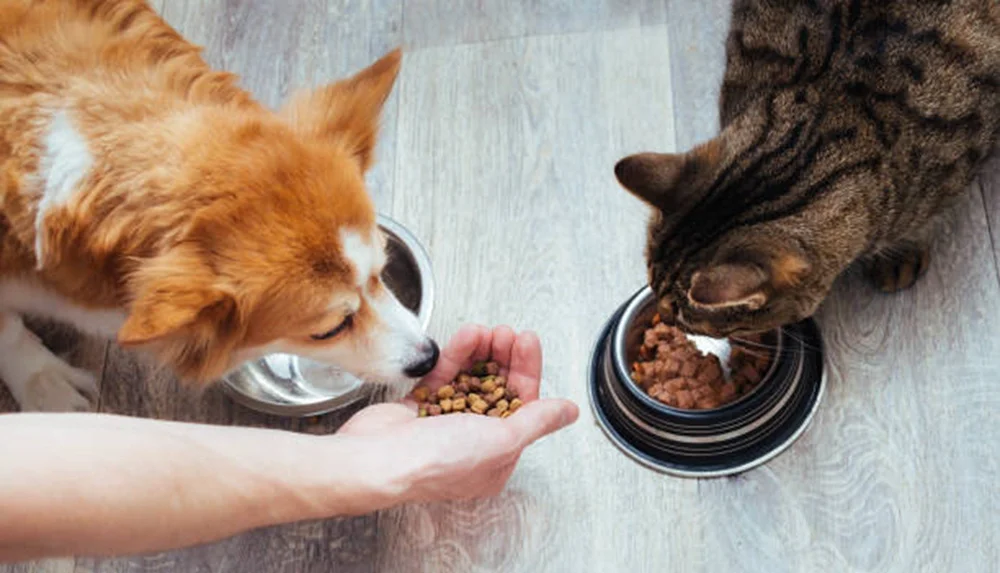
In an emergency, feeding your cat dog food might seem tempting. Cats and dogs have different dietary needs. Dog food lacks essential nutrients for cats. If your cat is hungry and you have no cat food, here are some steps you can take.
Assess The Situation
Evaluate the urgency of the situation. Determine how long your cat has been without food. A few hours might be manageable, but longer periods require attention.
Offer Small Amounts
Provide a small amount of dog food if necessary. Ensure it is only a temporary solution. Monitor your cat for any adverse reactions.
Look For Alternatives
Consider other foods that might be safe for cats. Plain cooked chicken or fish can be suitable options. Avoid foods with spices or seasonings.
Contact A Veterinarian
Reach out to a vet for professional advice. They can offer guidance on safe alternatives and any potential risks.
Visit A Pet Store
If possible, visit a nearby pet store. Purchase cat food to ensure your cat receives proper nutrition. Prioritize your cat's health and well-being.
Consulting A Veterinarian
Consulting a veterinarian is essential to understand if feeding your cat dog food is safe. Cats have specific dietary needs that differ from dogs. A vet can provide guidance on appropriate nutrition for your feline friend.
Consulting a veterinarian is crucial when considering feeding your cat dog food. While it may seem convenient to share pet food, cats and dogs have distinct dietary needs. Your veterinarian can provide expert advice tailored to your cat's health and nutritional requirements.
Understanding Nutritional Needs
Cats are obligate carnivores, meaning their diet primarily consists of meat. They require nutrients such as taurine, arachidonic acid, and vitamin A, which are not found in adequate amounts in dog food. A veterinarian can explain these nutritional differences and the potential risks of feeding your cat dog food.
Assessing Your Cat's Health
A veterinarian will evaluate your cat's overall health before offering dietary advice. They can identify any underlying health issues that might be exacerbated by a diet change. This ensures your cat remains in optimal health and avoids complications.
Personalized Dietary Recommendations
Veterinarians can suggest the best diet plan based on your cat's age, weight, and activity level. They may recommend specific brands or types of cat food that align with your cat's unique needs. Tailored advice can prevent nutritional deficiencies and promote a long, healthy life for your pet.
Addressing Concerns And Questions
You might have questions about mixing cat and dog food or feeding them interchangeably. A veterinarian can clarify these doubts and set the record straight. Their guidance can help you make informed decisions, ensuring your cat's diet supports their well-being.
Staying Informed On Pet Nutrition
Veterinarians stay updated on the latest research in pet nutrition. They can share insights about new dietary trends or products that might benefit your cat. Regular consultations keep you informed and your cat's diet aligned with the best available knowledge.
Credit: www.thornburyvet.com.au
Frequently Asked Questions
What Happens If Your Cat Accidentally Eats Dog Food?
Cats can eat dog food occasionally without harm. Regular consumption may lead to nutritional deficiencies. Cats need specific nutrients like taurine that dog food lacks. Monitor your cat for any digestive issues and consult a vet if concerns arise. Ensure your cat returns to its regular diet promptly.
Why Can't Cats Eat Dry Dog Food?
Cats can't eat dry dog food because it lacks essential nutrients like taurine that cats need. Dog food doesn't meet cats' specific dietary requirements, which can lead to health issues. Ensure your cat eats food specially formulated for their nutritional needs to maintain their health.
Is It Ok When A Dog Eats Cat Food?
Dogs can occasionally eat cat food, but it's not ideal. Cat food lacks the nutrients dogs need. Regular consumption can lead to nutritional imbalance or weight gain. Always monitor your dog's diet and consult a vet for guidance. Prioritize dog-specific food to ensure a balanced diet.
Can Dog Food Upset A Cat's Stomach?
Yes, dog food can upset a cat's stomach. Cats have specific dietary needs that differ from dogs. Feeding dog food may cause digestive issues and nutrient deficiencies. Always provide food formulated for cats to ensure their health and well-being.
Conclusion
Feeding your cat dog food isn't ideal. Cats need specific nutrients. Dog food lacks these essential ingredients. Over time, this can harm your cat's health. Cats require high protein and taurine. Dog food doesn't provide enough. Always choose cat food for your feline friend.
It ensures balanced nutrition. Consult your vet for guidance. They can help with diet plans. Your cat's health depends on proper nutrition. Prioritize their dietary needs. Keep them happy and healthy. Choosing the right food is crucial. Care for your cat with the best food options.
This builds a strong bond.
