
If you’ve stood in the pet food aisle debating whether to grab a pack of Sheba for your feline friend, you’re not alone. The brand’s sleek portion-controlled trays and gourmet marketing make it a top choice for cat owners, but many wonder if its premium positioning translates to actual, science-backed nutrition for obligate carnivores. We break down Sheba’s ingredient quality, nutrient profiles, expert insights, pros and cons, and ideal use cases to help you decide if it’s the right fit for your cat’s diet.
What Is Sheba Cat Food?
Sheba is a Mars Petcare brand launched in the 1980s, focused exclusively on wet cat food sold in individual 3-oz sealed trays. Unlike many competing brands, it does not produce dry kibble, and is widely available in grocery stores and pet retailers across North America, positioned as an affordable premium wet food option. Its core product lines include Classic Paté, Perfect Portions, and seafood-focused varieties, all formulated for adult cat maintenance. You can also read our guide on what are a cats nutritional requirements.
Core Nutritional Breakdown Of Sheba Wet Food
All Sheba products are formulated to meet the nutritional levels established by the Association of American Feed Control Officials (AAFCO) for adult cat maintenance, meaning they provide all essential nutrients cats need when fed as a primary diet. Below is a detailed breakdown of its core nutritional components:
Protein Content And Sources
As-fed protein in Sheba paté averages ~10%, a number that looks low on paper but is skewed by its 78% moisture content. When adjusted to a dry matter basis (moisture removed), Sheba’s protein content lands between 40% and 45%, well above AAFCO’s 26% minimum for adult cats. Its first ingredient is always named real meat (chicken, turkey, tuna, or salmon) with no generic meat byproducts, and it is fortified with synthetic taurine — a non-negotiable nutrient for cats, as cooking destroys natural taurine, which is critical for heart and retinal health. This high-quality, meat-based protein supports muscle maintenance, energy levels, and aligns with cats’ natural obligate carnivore dietary needs. Unlike dogs, cats have no biological requirement for dietary fiber, and excessive carbs can lead to weight gain and digestive upset, a point covered in our guide to cats' fiber requirements.
Fat And Fatty Acid Profile
As-fed fat in Sheba averages ~5%, or ~22% on a dry matter basis, meeting AAFCO’s 9% minimum for adult cats. The fat content comes primarily from poultry and fish sources, and includes omega-3 and omega-6 fatty acids that support healthy skin, a shiny coat, and reduced inflammation. No low-quality filler fats or added animal fats are used in its formulations.
Moisture And Hydration Benefits
Sheba’s 78% moisture content is 7x higher than average dry kibble, a major benefit for cats that refuse to drink from standing water bowls. The American Veterinary Medical Association (AVMA) recommends wet food for cats with a history of urinary tract issues due to its high moisture content, which helps dilute urine and reduce the risk of crystal formation that leads to painful urinary blockages.
Carbohydrate And Fiber Content
Sheba contains ~2% carbohydrates as-fed, with no added corn, wheat, soy, or other grain fillers. Its minimal fiber content (~1% as-fed) comes from natural dried beet pulp, which supports healthy digestion without causing excessive gas or stool bulk, a common issue with high-fiber fillers in lower-quality cat foods.
Credit: www.sheba.com
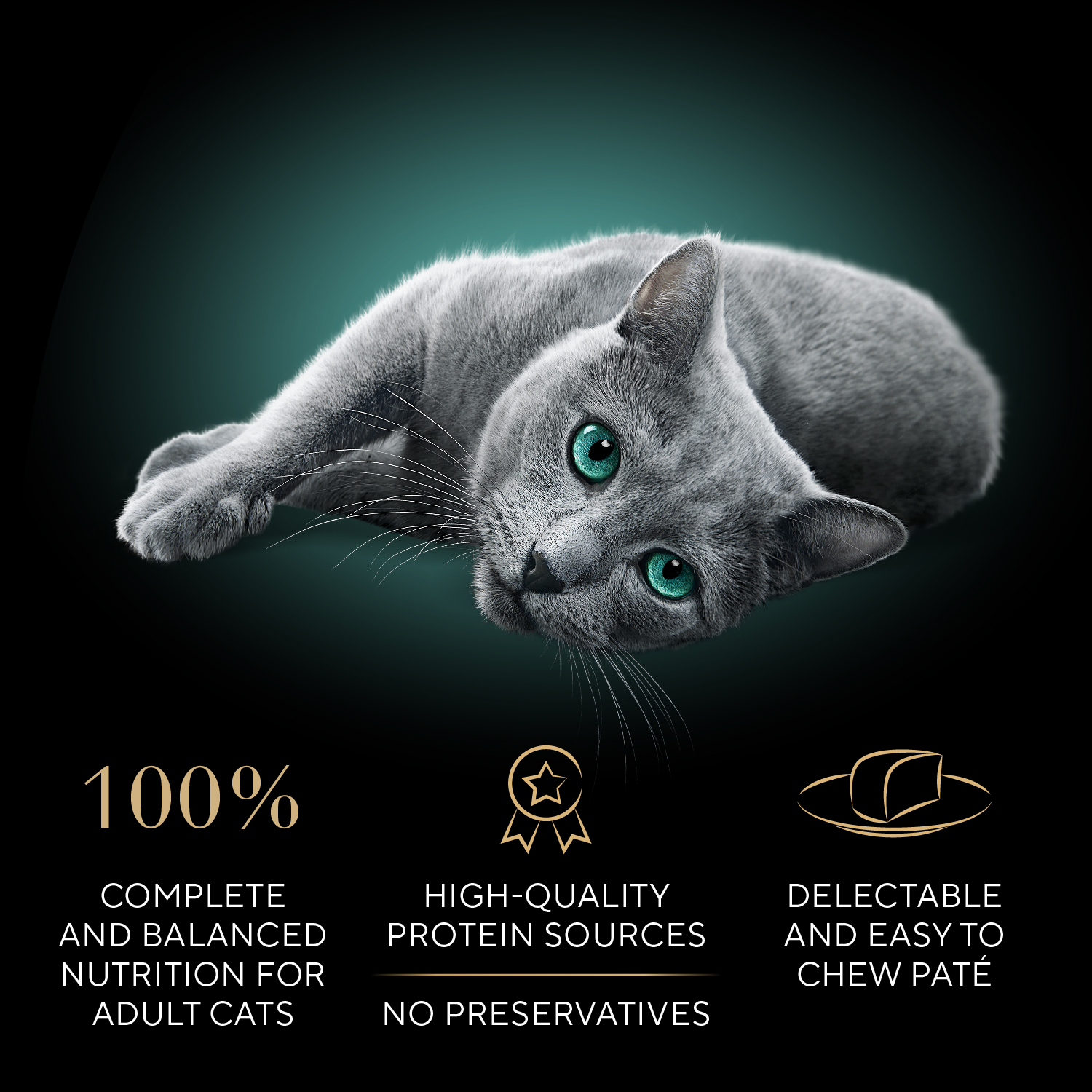
Sheba’s portion-controlled trays eliminate the need to measure servings, reducing overfeeding risk for cats prone to weight gain.
Ingredient Quality And Additive Assessment
Sheba’s ingredient list is far shorter and more transparent than many budget wet food brands, with a focus on whole, recognizable ingredients and no unnecessary additives:
Whole Meat Vs. Byproducts
All Sheba varieties use named, whole meat sources as their first ingredient, with no unspecified meat byproducts. This is a major plus for cats with food sensitivities or owners who prefer transparent sourcing. Note that some varieties list fish (tuna, salmon) as the first ingredient, which is rich in omega-3s but may trigger allergies in sensitive cats, and should not be fed exclusively long-term due to potential mercury accumulation.
Absence Of Common Allergens And Fillers
Sheba contains no corn, wheat, soy, artificial colors, flavors, or preservatives like BHA, BHT, or ethoxyquin, which are common allergens and potential carcinogens in lower-quality pet foods. It also contains no added sugars or excess salt beyond natural levels in its meat ingredients, reducing the risk of obesity and dental issues.
Added Vitamins And Minerals
Sheba is fortified with all essential vitamins and minerals to meet AAFCO standards, including vitamin E (an antioxidant for immune support), B vitamins (for energy metabolism), calcium and phosphorus (for bone and teeth health), and zinc (for skin and immune function). These synthetic additives are standard for commercial wet food to ensure consistent nutrient levels across batches, though some owners prefer fresh or raw diets with naturally occurring nutrients. Sheba contains no added sugars, a plus compared to some human foods that are unsafe for cats, as outlined in our guide to safe human foods for felines.
How Does Sheba Compare To Other Popular Wet Food Brands?
| Brand | Dry Matter Protein % | First Ingredient | Grain-Free | Average Price Per 3oz Tray |
|---|---|---|---|---|
| Sheba | 40-45% | Named real meat (chicken, fish) | Yes | $0.75-$1.00 |
| Fancy Feast | 35-40% | Real meat | Yes (most lines) | $0.50-$0.75 |
| Hill's Science Diet | 38-42% | Chicken | Yes (most lines) | $1.25-$1.75 |
| Blue Buffalo Wilderness | 45-50% | Deboned chicken | Yes | $1.50-$2.00 |
Key Similarities To Premium Wet Foods
All top-tier wet food brands share core traits that Sheba meets: they adhere to AAFCO complete and balanced standards, use named meat as their first ingredient, avoid artificial preservatives, and offer portion-controlled serving sizes to reduce overfeeding.
Key Differences And Tradeoffs
Sheba is more affordable than super-premium and prescription veterinary diets, but has fewer limited-ingredient and functional (e.g., joint support, hairball control) varieties than competitors. It also has a narrower flavor range than budget brands like Fancy Feast, and no dry food options for owners who prefer to mix wet and dry diets for their cats.
Expert And Veterinary Insights On Sheba Cat Food
Board-certified veterinary nutritionists widely consider Sheba a safe, nutritionally complete option for healthy adult cats without chronic health conditions, thanks to its AAFCO compliance and high-quality meat-based protein. The AVMA’s recommendation for wet food for urinary health is a key benefit of Sheba’s high-moisture formulation, making it a strong choice for cats prone to urinary crystals or infections.
That said, Sheba is not a substitute for prescription diets. Cats diagnosed with chronic kidney disease, diabetes, or severe food allergies require specialized kidney support diets or limited-ingredient therapeutic formulations that Sheba is not designed to provide. A common mistake vets see is feeding only Sheba exclusively for years without rotating protein sources, which can lead to food sensitivities over time. Most experts recommend rotating between chicken, turkey, and fish varieties every 3-6 months to reduce this risk.
Real-World Customer Feedback And Common Use Cases
What Cat Owners Love About Sheba
The most frequently cited benefit of Sheba is its high palatability, even for the pickiest eaters that refuse other wet food brands. Its portion-controlled trays eliminate the need to measure servings or store leftover canned food, making it a popular choice for busy households and travel. Many owners also report improved coat shine and consistent energy levels in their cats after switching from dry food to Sheba, a testament to its high-quality protein and moisture content. For cats that are extremely picky, using training treats for fussy felines during the transition to a new food can help encourage them to try Sheba.
Common Complaints And Limitations
The biggest drawback of Sheba is its cost per serving, which is higher than generic wet food brands, making it a financial stretch for multi-cat households. It also has very limited limited-ingredient options for cats with severe food allergies, and its smooth paté texture is unappealing to some cats that prefer chunky wet food. Finally, its plastic trays are not recyclable in most municipal recycling programs, a significant downside for eco-conscious pet owners. If you're away from home during mealtimes, an automated wet food feeder can ensure your cat gets their Sheba portion on schedule, even when you're not there.
Who Is Sheba Cat Food Best Suited For (And Who Should Avoid It)
Sheba is an excellent choice for:
- Healthy adult cats with no chronic health conditions
- Picky eaters that refuse other wet food brands
- Multi-cat or weight-management-focused households where portion control is a priority
- Owners looking for a convenient, no-fuss wet food option
Sheba is not recommended for:
- Cats with diagnosed food allergies (especially to fish or chicken)
- Cats with chronic kidney disease, diabetes, or other conditions requiring prescription diets
- Owners seeking limited-ingredient, raw, or functional (e.g., hairball control, joint support) formulas
- Eco-conscious owners seeking recyclable packaging. If Sheba doesn’t work for your cat, there are plenty of other premium wet food options on the market to test.
Frequently Asked Questions
What is the healthiest cat food overall?
There is no universal "healthiest" cat food, as nutritional needs vary by a cat’s age, weight, activity level, and health status. All complete and balanced cat foods must adhere to official feline nutrient requirements set by AAFCO. Work with your veterinarian to select a diet tailored to your cat’s individual needs.
Which is healthier: Sheba or Fancy Feast?
Both brands meet AAFCO nutritional standards and use real meat as a primary ingredient. Sheba has a higher moisture content (78% vs. Fancy Feast’s ~75%) and fewer fillers in most varieties, while Fancy Feast offers a wider range of limited-ingredient options for cats with food sensitivities. The better choice depends on your cat’s specific dietary preferences and health needs.
Is Sheba cat food complete and balanced?
Yes, all Sheba wet food products are formulated to meet the nutritional levels established by the AAFCO Cat Food Nutrient Profiles for adult maintenance, meaning they provide all essential nutrients cats need when fed as their primary diet.
How many Sheba trays should a cat eat per day?
Most adult cats need 2 to 3 3-oz Sheba trays per day, adjusted for your cat’s weight, activity level, and caloric needs. For example, a 10lb sedentary cat may only need 2 trays daily, while an active 12lb cat may need 3. Always follow the feeding guidelines on the packaging and consult your veterinarian to confirm the right portion size for your pet.
Is Sheba safe for kittens?
No, Sheba’s adult maintenance formulas are not formulated to meet the higher caloric and nutrient requirements of growing kittens. Feed a kitten-specific diet until your cat reaches 12 months of age, or longer for large breeds.
Can I feed Sheba to cats with urinary tract issues?
Yes, Sheba’s high moisture content makes it an excellent choice for cats prone to urinary crystals or infections, as increased water intake helps dilute urine and reduce crystal formation. If your cat has a history of urinary issues, consult your veterinarian to rule out underlying conditions and confirm the right diet for their needs.
Is Sheba environmentally friendly?
Sheba’s individual plastic trays are not recyclable in most municipal recycling programs, which is a drawback for eco-conscious pet owners. If sustainable packaging is a priority, explore other premium wet food options with recyclable or compostable packaging.
Credit: www.sheba.com
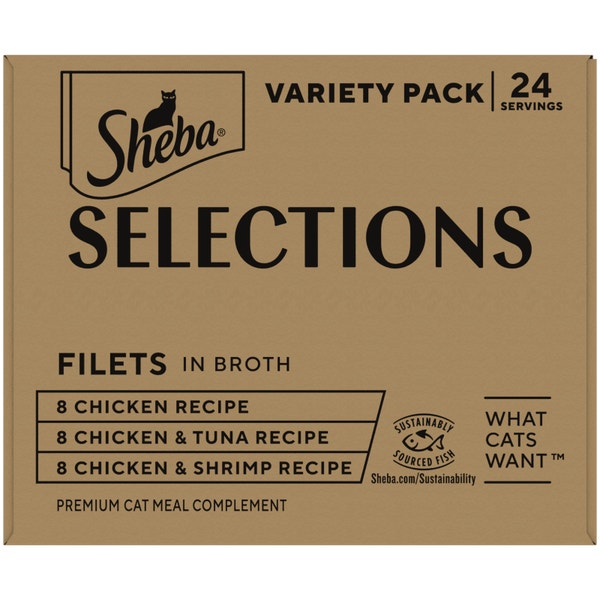
Sheba’s smooth paté texture is designed to be easy for cats of all ages to eat, including kittens and senior cats with dental issues.

Credit: www.shebacat.ca
Many cat owners report that even picky eaters eagerly consume Sheba due to its high meat content and palatable texture.
Conclusion
Sheba cat food delivers balanced, high-quality nutrition for most healthy adult cats, with high animal-based protein, high moisture for urinary and kidney support, and no unnecessary fillers or artificial additives. It is an especially strong choice for picky eaters and households where portion control is a priority. That said, it is not suitable for cats with chronic health conditions requiring prescription diets, has limited options for allergy-prone cats, and its non-recyclable packaging is a downside for eco-conscious owners. Choosing a high-quality diet is one of the most impactful ways to support your cat's long-term health, a core principle of feline nutrition fundamentals. If your cat has a diagnosed chronic condition, work with your veterinarian to adjust their diet per nutrition for cats with chronic illness guidelines to avoid exacerbating their condition. If you’re considering switching your cat to Sheba, introduce it gradually over 7 days by mixing it with their current food to avoid digestive upset, and monitor their energy levels, coat condition, and stool quality to ensure it agrees with them.