
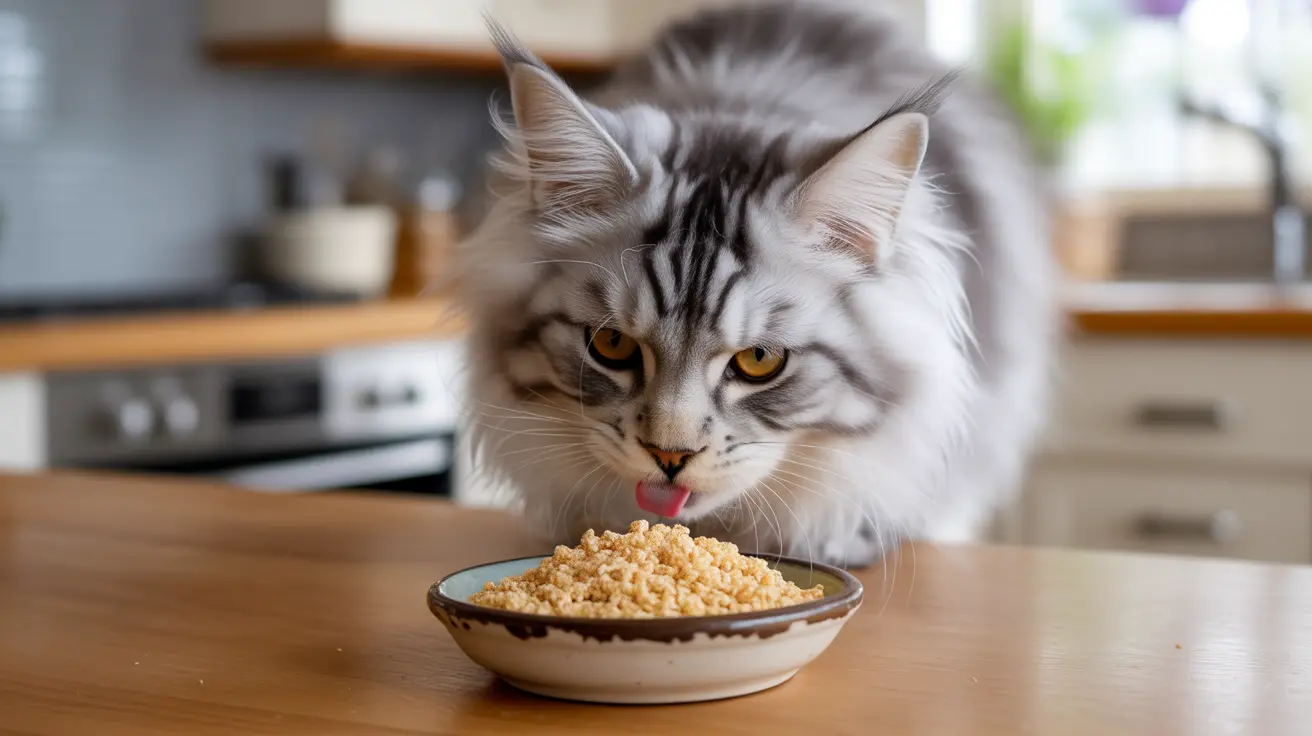
Your feline friend deserves the best care, and that includes what you put in their food bowl. You've likely heard about nutritional yeast and its popularity among humans for adding flavor and extra nutrients.
But is it safe for your cat? You might be wondering if nutritional yeast is a viable addition to your cat’s diet, or if it poses any risks. This curiosity stems from a deep love for your pet, and the desire to give them only the finest.
By understanding the benefits and potential drawbacks, you can make informed decisions for your cat's health and happiness. Dive into this article to uncover the secrets of nutritional yeast and how it could affect your furry companion. Your cat's well-being is too important to leave to chance.
Nutritional Yeast Basics
Nutritional yeast, often called "nooch," is a popular food product. It's cherished for its nutty and cheesy flavor. Many people use it as a seasoning or supplement. But what exactly is nutritional yeast?
Composition And Benefits
Nutritional yeast is a deactivated yeast. It is a strain of Saccharomyces cerevisiae. This yeast is grown specifically for its nutritional value. It is rich in B-vitamins, including B12. B12 is vital for energy and brain health. Nutritional yeast is also a complete protein. This means it contains all nine essential amino acids. It is low in fat and free from sugar or gluten. These traits make it a favored choice among vegans. Some brands fortify it with extra vitamins and minerals. This enhances its nutritional profile further.
Common Uses In Human Diet
Nutritional yeast is a versatile ingredient. People sprinkle it on popcorn for a cheesy taste. It's often used as a topping on pasta dishes. Many add it to soups and sauces for a flavor boost. It can even be mixed into smoothies or dips. Vegans use it to make dairy-free cheese sauces. Its savory flavor makes it a key ingredient in vegan recipes. Many health enthusiasts include it in their daily diet. It provides a nutrient-rich alternative to traditional seasonings.
Credit: cattime.com
Nutritional Yeast For Cats
Nutritional yeast has become a popular supplement for humans, but is it safe for your feline friend? This golden powder is packed with vitamins and minerals, and many cat owners are curious if their pets can benefit from it too. Before you sprinkle it into your cat’s food bowl, let’s delve into the potential health benefits and considerations for your cat's diet.
Potential Health Benefits
Nutritional yeast is rich in B vitamins, which are essential for your cat’s metabolism and energy production. Adding a small amount to their diet might enhance their vitality, especially for older cats that need a little boost. It's also known for its palatable flavor, which can be a game changer if your cat is a picky eater.
Another potential benefit is its high protein content. Cats, being obligate carnivores, require a protein-rich diet. Nutritional yeast could supplement their protein intake, supporting muscle growth and maintenance. Additionally, it contains antioxidants that might aid in reducing inflammation, contributing to your cat’s overall health.
Considerations For Cat Diets
While nutritional yeast seems beneficial, moderation is key. Cats have specific dietary needs, and excess consumption might lead to digestive issues. It’s crucial to consult with your vet before making any dietary changes, especially if your cat has underlying health conditions.
Consider your cat's current diet. Does it already contain ample nutrients, or is there room for supplementation? Nutritional yeast should complement a balanced diet, not replace essential components like meat-based proteins.
Lastly, think about your cat’s personal preferences. Some cats may love the taste, while others might turn their nose up at it. You know your cat best; observe their reaction and adjust accordingly. Wouldn’t you want them to enjoy their meals while reaping health benefits?
Safety Concerns
Nutritional yeast is often touted as a healthy supplement for humans, but is it safe for our feline friends? While it can offer some benefits, such as added vitamins and minerals, it's crucial to consider safety concerns before adding it to your cat's diet. Let's explore some key aspects to keep in mind.
Possible Allergic Reactions
Cats, like humans, can have food allergies. Nutritional yeast might trigger allergies in some cats, leading to symptoms like itching, swelling, or gastrointestinal distress. Before introducing nutritional yeast, observe your cat's reaction to new foods carefully.
If you notice any signs of an allergic reaction, discontinue use immediately. Consulting your veterinarian is a smart move to ensure your cat’s health isn't compromised. Remember, it's always better to be safe than sorry.
Impact On Digestive Health
Nutritional yeast can affect your cat's digestive system. While it might aid in digestion for some cats, others may experience upset stomachs or diarrhea. It's vital to start with a small amount to see how your cat handles it.
Monitoring your cat’s stools can give you insights into how their digestive system is coping. If you notice any irregularities, it might be best to remove nutritional yeast from their diet. Have you ever introduced a new food to your cat and noticed changes?
Every cat is unique, and what works for one might not work for another. Your feline friend's health should always be a top priority, and understanding the potential impacts of nutritional yeast is part of responsible pet ownership.
Credit: twocrazycatladies.com
Expert Opinions
Expert opinions on giving cats nutritional yeast are varied. Understanding their insights can help cat owners make informed decisions. Let's explore what veterinarians and animal nutritionists have to say about this topic.
Veterinarian Perspectives
Veterinarians often focus on the safety of new foods. They emphasize that nutritional yeast is generally safe for cats. It contains B vitamins which support energy and immune health. Some vets caution about the risk of allergies in certain cats. They recommend introducing it gradually to observe any adverse reactions. Consulting with a vet before adding it to your cat's diet is advised.
Animal Nutritionist Views
Animal nutritionists view nutritional yeast as beneficial. They highlight its role in supplementing a cat's diet with essential nutrients. Its rich protein content can aid in muscle maintenance. Nutritionists often praise its palatability, making it a popular choice for finicky eaters. They suggest using it as a treat or a meal topper. This can enhance the flavor of regular cat food and boost nutritional value.
Dosage And Administration
Consult a vet before adding nutritional yeast to a cat's diet. Start with a small amount and monitor your pet's reaction. Adjust dosage as needed to ensure safety and health.
Dosage and administration of nutritional yeast for cats require careful attention. This ensures your feline friend benefits without any adverse effects. Understanding the correct amount and how to offer it is key. Nutritional yeast can be a healthy addition to your cat's diet. But moderation is essential.
Recommended Serving Sizes
Cats are small creatures with unique dietary needs. A small pinch of nutritional yeast is often enough. Typically, start with about half a teaspoon per day. Observe your cat's reaction. Adjust the amount if necessary. Always consult a vet before adding new supplements.
Methods Of Incorporation
Incorporating nutritional yeast into your cat's diet can be simple. Sprinkle it over their regular food. This enhances flavor and nutritional content. Mix it with wet food for easy consumption. You can also use it as a treat. Cats usually love the cheesy flavor. Ensure it's well mixed to prevent selective eating.
Alternatives To Nutritional Yeast
As a cat owner, you might be curious about whether nutritional yeast is the best choice for your feline friend. While it's known for its health benefits, it's not the only option on the table. If you're looking for alternatives to nutritional yeast, there are other nutrient sources available that can cater to your cat's dietary needs without compromising their health.
Other Nutrient Sources
Consider natural ingredients that are rich in essential vitamins and minerals. Fish oil, for example, is an excellent source of omega-3 fatty acids, which can improve your cat's coat and overall health. Additionally, small portions of liver can provide a substantial amount of vitamin A and iron.
Another option is cooked eggs. They are packed with protein and can be a great addition to your cat's diet. Plus, most cats love the taste! You can also offer plain yogurt occasionally; it’s rich in calcium and can aid digestion.
Did you know that pumpkin is a fantastic source of fiber? Adding a small amount to your cat's diet can help with digestion and maintain a healthy weight. Always ensure these alternatives are prepared safely and given in moderation.
Comparative Nutritional Value
When evaluating nutritional yeast against these alternatives, it's essential to understand their nutritional profiles. Nutritional yeast is rich in B vitamins and provides a unique savory flavor. However, alternatives like fish oil offer omega-3s, which are not present in yeast.
Eggs and liver are both high in protein, but eggs have the advantage of being low in calories. Pumpkin, on the other hand, stands out for its fiber content, which nutritional yeast lacks. This could be particularly beneficial if your cat experiences digestive issues.
Comparing these options can help you make informed choices. Do you think your cat might benefit more from the omega-3s in fish oil or the fiber in pumpkin? Balancing these nutrients is key to enhancing your cat's diet and health.
Credit: www.banfield.com
Frequently Asked Questions
How Much Nutritional Yeast Can You Give A Cat?
Cats can have up to 1 teaspoon of nutritional yeast daily. Consult your vet before introducing it. Nutritional yeast provides B vitamins but should be given in moderation. Always ensure it's plain, without added flavors or salt. Check for any allergic reactions or digestive issues after introducing it.
Is There A Downside To Nutritional Yeast?
Nutritional yeast may cause bloating or headaches in some individuals. It contains tyramine, which can trigger migraines. Excessive consumption might lead to digestive discomfort. People with yeast allergies should avoid it. Always consult a healthcare professional before making dietary changes.
Can Pets Eat Nutritional Yeast?
Yes, pets can eat nutritional yeast in moderation. It offers B vitamins and can enhance flavor. Always consult your vet before adding it to their diet.
Why Can't Cats Have Yeast?
Cats can't digest yeast properly, leading to stomach upset and bloating. Yeast can cause alcohol production in their stomachs, which is dangerous. Feeding yeast to cats may result in vomiting, diarrhea, or even alcohol poisoning. Always keep yeast-based products out of reach to ensure their safety.
Conclusion
Cats can safely enjoy nutritional yeast in moderation. This tasty treat offers vitamins and minerals. It can support their immune health. But it's not a complete food. Always check with your vet. They know your cat's specific needs. Introduce nutritional yeast slowly.
Watch for any adverse reactions. Balance is key in a cat's diet. Nutritional yeast should be a small part. Variety is important for their health. Happy cats need good nutrition. Consider nutritional yeast as a fun, healthy addition. Keep an eye on portion size.
A little goes a long way!
