
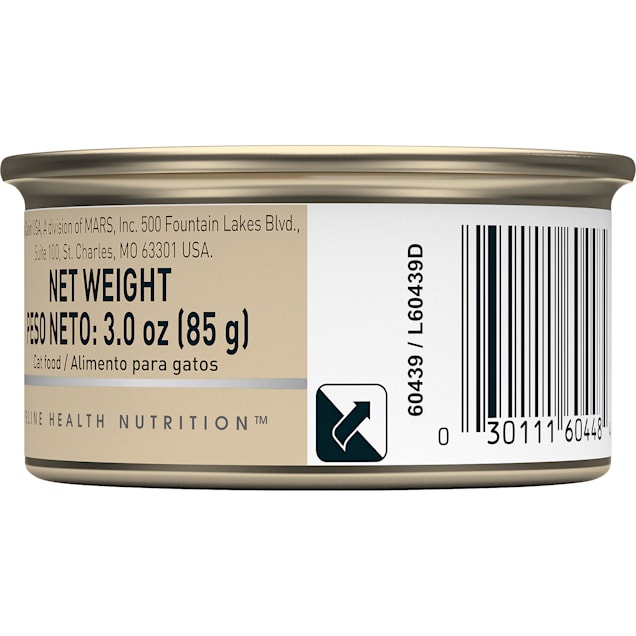
Have you ever stood in the pet food aisle, staring at endless bags and cans of cat food, feeling overwhelmed by the choices? You're not alone.
As a cat owner, you want the best for your furry friend, and understanding cat food nutrition information is crucial for making the right choice. But, how can you decipher those labels and ensure your kitty is getting a balanced diet?
You'll discover the secrets behind cat food labels, empowering you to make informed decisions that will keep your feline healthy and happy. Get ready to unravel the mysteries of cat food nutrition and give your beloved pet the nourishment they deserve.
Importance Of Cat Food Nutrition
Feeding your feline friend isn't just about filling their bowl; it's about ensuring they receive the right nutrients for a healthy life. Understanding the importance of cat food nutrition is crucial for every cat owner. The choices you make can significantly impact your cat's overall health, vitality, and lifespan. Let's dive deeper into why cat food nutrition matters.
Essential Nutrients For Cats
Cats are obligate carnivores, which means they require a diet rich in animal-based proteins. Protein supports muscle health and energy levels. Alongside proteins, fats are vital for providing energy and aiding in nutrient absorption. Don't forget carbohydrates, which should be limited but can offer some benefits.
Vitamins and minerals are another critical component. Vitamin A supports vision and skin health, while taurine is essential for heart and eye function. Missing out on these can lead to severe health issues.
Impact On Health And Longevity
The right nutrition can be a game changer in your cat's life. A balanced diet can prevent obesity, which is a common problem in domestic cats. Obesity can lead to diabetes and joint issues, decreasing your cat's lifespan.
Good nutrition also strengthens the immune system, reducing the risk of infections. Cats with proper diets often have shinier coats and more energy. Have you noticed a change in your cat’s behavior after switching foods?
Paying attention to your cat's diet is not just a routine; it's an investment in their long-term health. Make informed choices and watch your feline friend thrive.
Decoding Cat Food Labels
Understanding cat food labels is key to ensuring your pet's health. Grasp the nutritional information to make informed choices. Keep your cat healthy and happy.
Decoding cat food labels can feel like deciphering a secret code. With so many ingredients and nutritional claims, it’s easy to get overwhelmed. But understanding these labels is crucial for ensuring your feline friend gets the nourishment they need to thrive.
Key Ingredients To Look For
When scanning cat food labels, you want to see high-quality protein sources at the top of the list. Ingredients like chicken, turkey, or salmon indicate that the food contains essential amino acids for your cat's health. Avoid foods with vague terms like "meat by-products" or "animal derivatives." These often include less desirable parts of animals and lack specific nutritional value. Look for added vitamins and minerals such as taurine, which supports your cat's heart and vision. A balanced blend of vitamins can make a significant difference in your pet's well-being.
Understanding Nutritional Claims
Cat food labels often feature bold claims like "grain-free" or "natural." But what do these mean for your cat’s diet? Grain-free doesn't automatically mean healthier; some cats can thrive on grains. "Natural" might sound appealing, but it's important to check what ingredients are actually included. Sometimes, these claims are more about marketing than substantial benefits. Consider whether the food meets AAFCO standards, which ensure complete and balanced nutrition. This certification can be a reliable indicator of quality. As you browse labels, think about how each claim aligns with your cat’s specific needs. Are they overweight, or do they have a sensitive stomach? Tailoring your choices to their requirements can lead to better health outcomes. By focusing on these aspects, you can make informed decisions that support your cat's health and happiness. How do you think your current choices stack up against these criteria?
Role Of Protein In Cat Diets
Cats need protein for their health and well-being. It is a key part of their diet. Protein helps build strong muscles and supports their immune system. Cats are natural carnivores, relying heavily on protein from animal sources. Understanding protein's role can ensure your cat stays happy and healthy.
Benefits Of High-quality Protein
High-quality protein supports muscle growth and repair. It is essential for maintaining energy levels. Protein helps cats maintain a healthy coat and skin. It boosts their immune system, protecting them from illnesses. Cats digest high-quality protein easily, making it an ideal dietary choice.
Protein Sources: Meat Vs. Plant-based
Meat is a primary protein source for cats. It provides essential amino acids. Cats thrive on proteins found in chicken, beef, and fish. Plant-based proteins are less ideal for cats. They lack certain amino acids cats need. Meat-based proteins support better digestion and health in cats.
Fats And Fatty Acids
Cat food nutrition information often highlights the importance of fats and fatty acids. Essential for energy and healthy skin, these nutrients support feline growth and overall well-being. Understanding these components ensures better choices for your pet's diet.
Fats and fatty acids play a crucial role in a cat's diet. They serve as a vital energy source and support overall health. Cats need certain types of fats to maintain healthy skin, fur, and cell function. Understanding these components can help improve your cat's diet and well-being.
Importance Of Omega-3 And Omega-6
Omega-3 and Omega-6 are essential fatty acids. Cats cannot produce them naturally. These fats support brain health and reduce inflammation. They also promote a shiny coat and healthy skin. Omega-3 is found in fish oils and flaxseed. Omega-6 is present in poultry and vegetable oils. Both are important but must be balanced correctly.
Balancing Fats For Optimal Health
Cats need a balance of fats for optimal health. Too much or too little can cause issues. A balanced diet supports energy levels and immune function. It helps maintain healthy organs and tissues. Feeding quality cat food ensures proper fat intake. Always check labels for fat content and sources. Consult a vet for personalized dietary advice.
Carbohydrates In Cat Food
Understanding cat food nutrition involves examining carbohydrate levels. Cats, as obligate carnivores, primarily need protein and fats. Carbohydrates should be limited to prevent obesity and digestive issues.
Carbohydrates often spark debate among cat owners when it comes to their pet’s diet. Unlike humans and dogs, cats are obligate carnivores, meaning they require a diet primarily made up of animal proteins. However, many commercial cat foods include carbohydrates as fillers. This raises the question: how much carbohydrate is too much for our feline friends?
Debate On Carbohydrate Necessity
There is a significant debate about whether carbohydrates are necessary in a cat's diet. Some experts argue that cats can derive all their energy from proteins and fats. Yet, others point out that carbohydrates can provide a quick energy source and aid digestion. Have you ever noticed your cat's energy levels spike after a meal? That might be due to the carbs in their food. However, the key is balance. Too many carbs might lead to obesity and other health issues.
Types Of Carbohydrates To Avoid
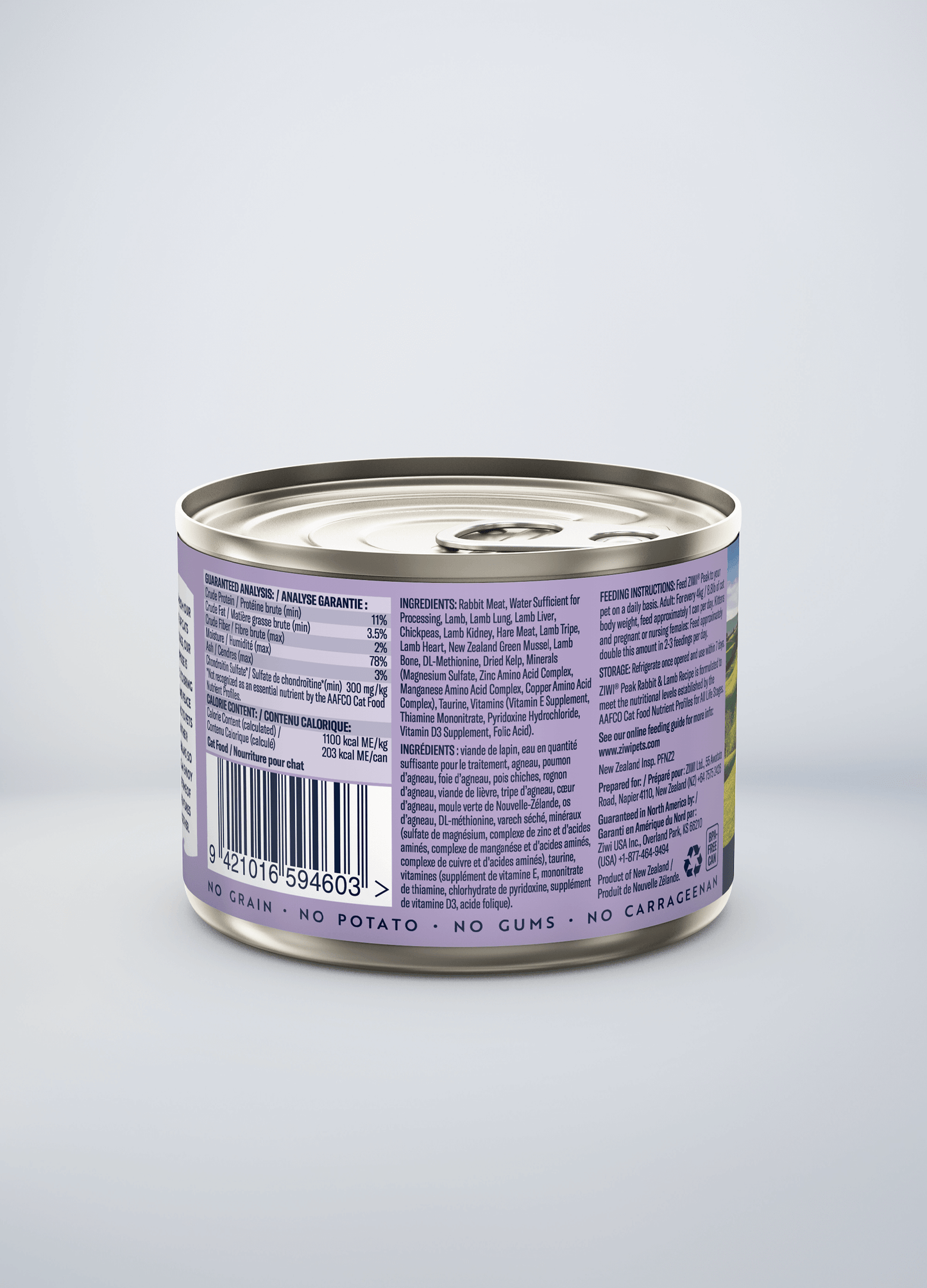
Not all carbohydrates are created equal. Some types are better left out of your cat's diet. For instance, grains like corn and wheat are often used as cheap fillers in cat food. These can lead to allergies and digestive problems. Also, avoid foods with high sugar content. While cats don’t taste sweetness, sugary foods can lead to weight gain and diabetes. Check the labels on your cat food. Look for natural sources of carbs, like sweet potatoes or peas, that provide nutrients without unnecessary additives. Your cat's health could greatly benefit from mindful choices about their carbohydrate intake.
Credit: us.ziwipets.com
Vitamins And Minerals
Cat food nutrition labels often reveal essential vitamins and minerals. These nutrients support your cat's health and growth. Always check for balanced ingredients to ensure a complete diet for your feline friend.
Vitamins and minerals play a vital role in cat nutrition. They support various bodily functions, ensuring your feline friend stays healthy. These nutrients are crucial for growth, energy production, and maintaining a strong immune system. Understanding their importance helps in selecting the right cat food.
Essential Micronutrients For Cats
Cats need specific vitamins and minerals for optimal health. Vitamin A is important for vision and skin health. Vitamin D helps in calcium absorption, supporting bone strength. B vitamins, such as B1, B2, and B12, aid in energy metabolism. Minerals like calcium and phosphorus are essential for bones and teeth. Iron supports healthy blood, while magnesium is important for heart health. Zinc and copper help with skin and coat health. These micronutrients are vital for a cat's well-being.
Preventing Deficiencies
Deficiencies in vitamins and minerals can lead to health issues. Lack of Vitamin A can cause vision problems. Insufficient Vitamin D may weaken bones. Without enough B vitamins, cats might lack energy. A calcium deficiency can lead to brittle bones. To prevent deficiencies, provide a balanced diet. Check the cat food label for nutrient content. Look for foods with complete nutrition for cats. Regular vet check-ups help monitor your cat's health. This ensures they receive all necessary nutrients.
Specialized Diets For Cats
Cats, much like humans, require diets that cater to their unique needs. A "one size fits all" approach doesn’t work when it comes to feline nutrition. Understanding specialized diets for cats can make a significant difference in their health and happiness.
Age-specific Nutrition Needs
Kittens, adults, and senior cats have different nutritional requirements. Kittens need more proteins and fats for growth, whereas adults require a balanced diet to maintain their health. Senior cats may need reduced calories to prevent weight gain.
Think about how your dietary needs have changed over the years; it's similar for cats. Just like you wouldn't feed a toddler the same meals as a teenager, you should tailor your cat's diet to their life stage. This ensures they get the right nutrients at the right time.
Dietary Needs For Health Conditions
Some cats need diets tailored to specific health conditions. Cats with kidney disease benefit from low-phosphorus diets, while those with diabetes need food with controlled carbohydrate levels. Allergies might require hypoallergenic food options.
Consider a time when you had to adjust your diet for health reasons. Cats face similar scenarios, and the right diet can alleviate symptoms and improve their quality of life. Consult your vet to determine the best nutritional approach for your cat's health needs.
Have you ever noticed changes in your cat's behavior or health after switching their diet? These adjustments can often lead to positive outcomes, reinforcing the importance of specialized diets. What specific needs does your cat have that could be addressed through tailored nutrition?
Choosing The Right Cat Food
Examining cat food nutrition information is vital for your pet's health. Balanced nutrients help maintain energy levels and support growth. Always check labels for protein, vitamins, and minerals to ensure proper nourishment.
Choosing the right cat food is essential for your feline's health. Cats need a balanced diet to thrive and stay active. Understanding cat food nutrition ensures your pet gets the best. With many options available, making a choice can be overwhelming. Let's explore how to make an informed decision.
Evaluating Commercial Cat Foods
Commercial cat foods offer convenience and nutritional balance. They are often formulated to meet cats' dietary needs. Look for foods with high-quality protein sources like chicken or fish. Avoid foods with fillers like corn or soy. Check for essential nutrients such as taurine and omega fatty acids. These support heart health and a shiny coat. Read labels carefully to understand what you're feeding your cat.
Benefits Of Homemade Cat Diets
Homemade diets give you control over ingredients. You can ensure there are no additives or preservatives. Fresh ingredients can improve your cat's health and digestion. Consulting with a vet ensures the diet meets all nutritional needs. Preparing meals can strengthen your bond with your cat. Remember to include a variety of proteins, fats, and vitamins. Proper balance is key for your cat's wellbeing.
Monitoring Cat Health Through Diet
Monitoring cat health through diet is essential for every pet owner. Cats require specific nutrients to thrive, and their diet directly impacts their well-being. Understanding cat food nutrition can help ensure your feline friend stays healthy. Observing how your cat responds to its diet can reveal important health indicators. This section covers how to monitor your cat's health through its diet.
Signs Of Nutritional Success
A healthy cat shows signs of good nutrition. Look for shiny fur and bright eyes. A cat's energy level can indicate nutritional balance. Playful behavior often means the diet is right. Regular bowel movements suggest digestive health. A healthy weight is crucial. Check for muscle tone and body condition. If your cat is thriving, its diet is likely on track.
Adjusting Diet For Health Changes
Sometimes, a cat's health needs change. Adjusting its diet can help. Older cats may need fewer calories. Young cats might require more protein. Observe changes in appetite. Dental issues might require softer food. Allergies may need special diets. Consult a vet for specific needs. Adjust the diet gradually. Ensure all nutritional needs are met.

Credit: www.amazon.com

Credit: www.amazon.com
Frequently Asked Questions
Is Canned Cat Food Nutritious?
Canned cat food can be nutritious if it contains high-quality ingredients. It usually offers balanced proteins, fats, and essential nutrients. Always check the label for specific ingredients and nutritional information to ensure it meets your cat's dietary needs. Consult your veterinarian for personalized advice.
Does Cat Food Have Nutrition Facts?
Yes, cat food packaging typically includes nutrition facts. These details list ingredients, calorie content, and essential nutrients. Always check the label to ensure it meets your cat's dietary needs. Quality cat food provides balanced nutrition, supporting your pet's health and well-being.
How Much Protein Is In A Can Of Cat Food?
Protein content in cat food cans varies. Generally, it ranges between 8% and 12% per can. Always check the label for precise nutritional information. Brands may differ, so review ingredients to ensure optimal protein levels for your cat's health.
How Many Calories Are In A 3 Oz Can Of Fancy Feast Cat Food?
A 3 oz can of Fancy Feast cat food typically contains around 80 to 100 calories. Check the packaging for precise details.
Conclusion
Understanding cat food nutrition helps ensure your pet's health. Balanced diet. Essential nutrients. Happy kitty. Always check labels for detailed information. Compare brands. Quality ingredients matter. Consult your vet for advice on dietary needs. Every cat is unique. Age, weight, and health affect food choices.
Your efforts make a difference in their life. Keep learning about nutrition. Stay informed. Your furry friend depends on you. Feed them well. Make smart choices. Prioritize their wellbeing. Remember, healthy cats are happy cats. Your knowledge is their benefit.
Enjoy the journey with your beloved feline companion.
