
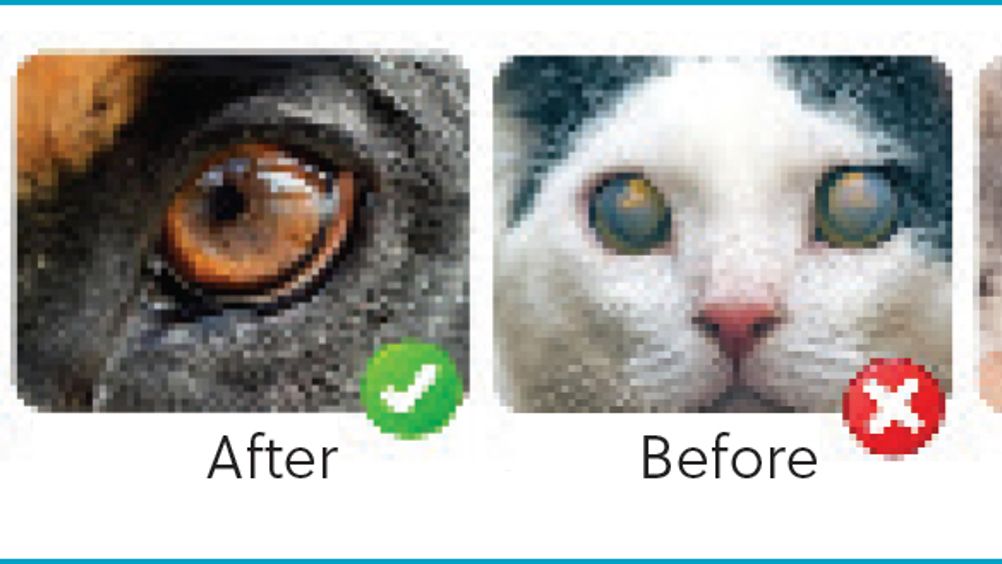
When a once-curious cat starts hesitating before jumps or seems lost in familiar rooms, it can be heartbreaking. Nutritional cataracts, though less common than age-related forms, are a direct result of specific dietary imbalances. The silver lining? With early detection and targeted intervention, you can often slow progression, preserve remaining vision, and help your cat adapt brilliantly to changes in sight. This guide combines veterinary insights with practical, at-home strategies so you can take confident, informed steps for your cat’s eye health.
Understanding Nutritional Cataracts in Cats
A cataract is an opacity within the lens of the eye that scatters light and reduces clear vision. While many associate cataracts with aging, genetics or diabetes, nutritional cataracts develop when the diet lacks certain protective nutrients—especially antioxidants and amino acids—over a prolonged period. The lenses are particularly vulnerable to oxidative damage because they never shed their cells; once a lens fiber is damaged, it stays damaged. You can also read our guide on what sort of nutrition is needed for a sick cat.
What Sets Nutritional Cataracts Apart
Unlike traumatic or hereditary cataracts, nutritional cataracts are often bilateral (affecting both eyes) and can progress symmetrically. They are not caused by an acute incident but by long-term deficiencies or imbalances. In practice, veterinarians look for a diet history that includes homemade meals without proper supplementation, long-term feeding of dog food to cats (which lacks adequate taurine), or commercial foods that have degraded due to poor storage.
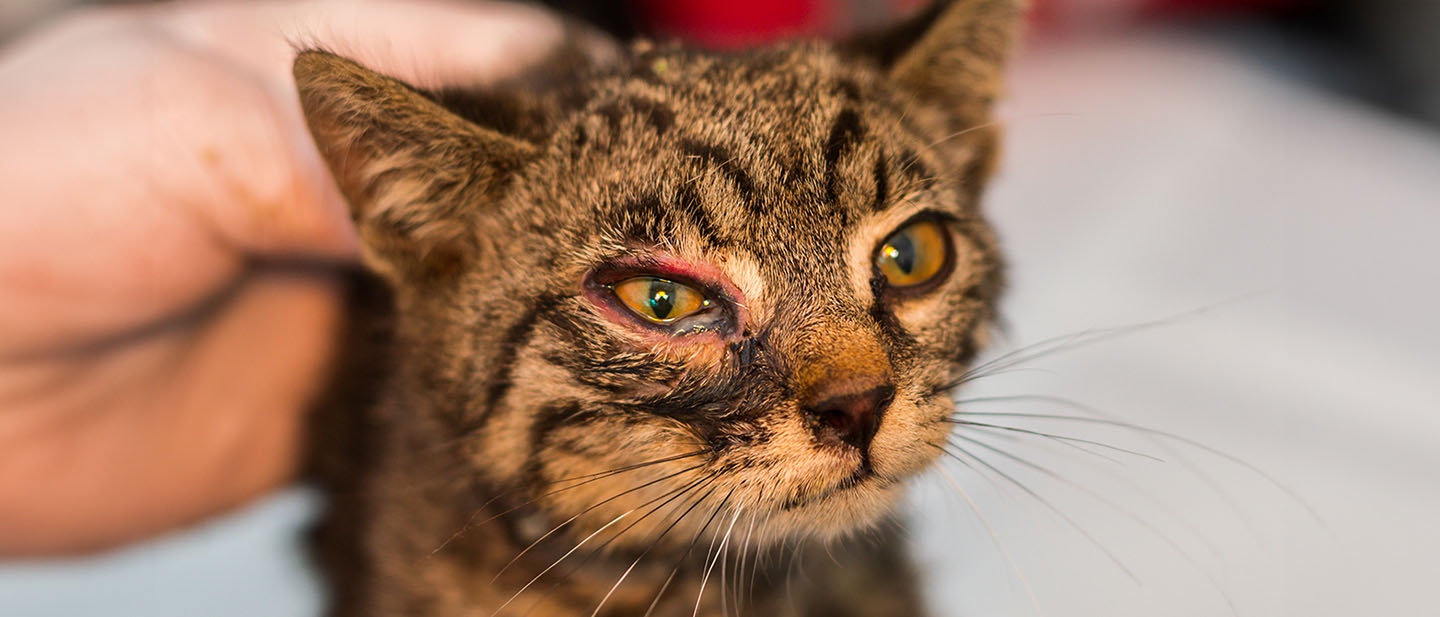
Clouding of the lens can start subtly and gradually interfere with your cat’s vision.
Key Nutrient Deficiencies Linked to Cataracts
- Taurine: This essential amino acid is vital for retinal and lens health. Cats cannot synthesize enough taurine on their own; a deficiency leads to retinal degeneration and can accelerate cataract formation. Commercial cat foods are fortified, but homemade diets often miss the mark.
- Antioxidants (Vitamins C, E, and carotenoids like lutein): The lens is constantly exposed to light and free radicals. Vitamins C and E help neutralize oxidative stress. In practice, supplementation has been shown to support lens clarity in animals with early opacities.
- Omega-3 Fatty Acids: EPA and DHA from marine sources reduce inflammation in the eye and help maintain tear film stability. While not a direct cure, they create a healthier ocular environment that can slow cataract progression.
- Selenium and Zinc: These trace minerals act as co-factors for antioxidant enzymes. Even marginal deficiencies over years can tip the balance toward lens damage.
Recognizing the Signs Early
Cats are masters at hiding vulnerability, so the first hints of vision trouble are often behavioral, not obvious eye changes. Being attuned to subtle clues can make a big difference in treatment outcomes. You can also read our guide on what are a cats nutritional requirements.
Physical Symptoms
- A milky, bluish-grey or pearly sheen in the pupil area, visible in certain lighting.
- Uneven pupil size or a diminished tapetal reflection (the “glowing” eye effect in photos).
- Noticeable squinting or excessive tearing one or both eyes.
Behavioral Red Flags
- Bumping into furniture legs or walls that were once navigated easily.
- Hesitation to jump up to or down from favorite perches.
- Following you more closely or staying in one room more than usual.
- Increased vocalization at night—some cats with vision loss feel insecure in the dark.
- Failing to track a dangling toy that used to captivate them.
If you observe any of these, schedule a veterinary exam promptly. The earlier a nutritional deficiency is corrected, the better the chance of halting further lens damage.
Confirming the Diagnosis with Your Veterinarian
Guessing at a cataract’s cause is risky; many conditions mimic cataracts, including nuclear sclerosis (a normal aging change) and inflammatory uveitis. A thorough ocular exam is essential. You can also read our guide on is reveal cat food complete nutrition.
The Initial Physical
Your veterinarian will take a detailed dietary history—what brand, how much, how stored, any treats or human foods added. They’ll assess body condition, palpate for thyroid nodules (hyperthyroidism can complicate eye health), and check for dehydration or concurrent illness.
Diagnostic Tools Used
- Slit-lamp biomicroscopy: Provides a magnified view of the lens layers to determine the cataract’s location and density.
- Ophthalmoscope: Used in a darkened room to see whether the fundus (back of the eye) is visible through the opacity.
- Tonometry: Measures intraocular pressure to rule out glaucoma, which can mask or mimic cataract symptoms.
- Blood tests: A complete blood count, biochemistry profile, and taurine level assessment help identify underlying nutritional deficits and any concurrent disease like diabetes.
The American Veterinary Medical Association’s guide on cataracts emphasizes that early diagnosis by a professional is critical to preserving vision. Once a diagnosis of nutritionally linked cataracts is confirmed, treatment focuses on diet correction and supportive care. You can also read our guide on do cats need wet food and dry food.
Dietary Strategies to Support Eye Health
Dietary repair is the cornerstone of managing nutritional cataracts. It’s not about a single “magic” ingredient; it’s about a complete and balanced way of feeding that packs in targeted eye-supporting nutrients.
Nutrients That Matter Most
- Taurine: All commercial cat foods labeled “complete and balanced” provide adequate taurine. If you feed homemade, you must add a veterinary-approved supplement. Avoid dog food entirely.
- Lutein and Zeaxanthin: These carotenoids concentrate in the lens and retina. Dark leafy greens (spinach, kale) in very small amounts can be offered if your cat tolerates them, but a supplement formulated for cats is safer.
- Vitamin C and E: Cats produce their own vitamin C, but under oxidative stress, dietary sources become beneficial. Look for foods that list tocopherols (vitamin E sources) among the ingredients.
- Omega-3s: Marine-sourced DHA and EPA from fish oil or algal oil can be added with veterinary guidance.
Switching to a high-quality wet food often provides higher moisture and more bioavailable nutrients. When selecting a diet, reviewing a guide to superior canned options can help you find formulas rich in animal proteins and fortified with essential vitamins.
Choosing the Right Cat Food
Prioritize foods that carry an AAFCO nutritional adequacy statement for your cat’s life stage. Ingredients like chicken, turkey, salmon, and fish oil signal a protein-rich, antioxidant-heavy diet. If your cat has concurrent kidney concerns, a targeted renal diet such as those covered in specialized kidney-health nutrition may be appropriate—but never start one without a vet’s supervision, as some renal diets restrict protein to levels that may not be ideal for a cataractous cat without kidney disease.
Adding Antioxidant-Rich Supplements Safely
In practice, many veterinarians prescribe a feline ocular supplement containing lutein, zeaxanthin, bilberry extract, or grapeseed extract. A common mistake is assuming “more is better”; overdosing on fat-soluble vitamins (A, D, E, K) poses toxicity risks. Always discuss any over-the-counter eye supplement with your vet first. A quick way to build a foundation of nutritional excellence is to consult a resource about optimal feline nutrition before revamping your cat’s bowl.
A thorough eye exam is essential to distinguish cataracts from other ocular conditions.
Medical and Surgical Treatment Options
While diet is the only way to address the root nutritional cause, additional therapies can manage secondary issues or restore vision in advanced cases.
Prescription Eye Drops and Medications
There is currently no topical medication that dissolves a true cataract. However, if inflammation or high intraocular pressure accompanies the cataract, your vet may prescribe:
- Corticosteroid or NSAID eye drops to control uveitis.
- Pilocarpine or other miotics to improve aqueous humor outflow.
- Lubricating drops to soothe ocular surface irritation.
These do not reverse lens opacity but can make your cat more comfortable and protect remaining retinal function. In cases where lens-induced uveitis is active, anti-inflammatory treatment can actually slow progressive damage.
When Surgery Becomes Necessary
If the cataract significantly impairs vision and the retina is still healthy, phacoemulsification—the same ultrasonic technique used in human cataract surgery—may be recommended. A board-certified veterinary ophthalmologist will assess retinal function with an electroretinogram (ERG) before scheduling surgery. The cloudy lens is emulsified and removed, and an artificial intraocular lens is often implanted.
Success rates are high (over 90% for uncomplicated cases), but post-operative care is rigorous: frequent eye drops, an Elizabethan collar to prevent rubbing, and a 4–6 week restriction on activity. The Cornell Feline Health Center’s overview of feline cataracts explains that early surgery yields the best visual outcomes, provided the underlying nutritional deficiency is corrected to prevent recurrence.
Home Care and Environmental Adjustments for a Cat with Vision Loss
Even with dietary correction, existing cataracts may not fully regress. Your home becomes a critical ally. Cats with partial or complete vision loss adapt remarkably when given consistency.
- Keep the floor plan stable: Avoid rearranging furniture, and keep pathways to the litter box, food, and water bowls clear. Use a multi-cat household box that gives plenty of room; a spacious accommodating litter solution can help a visually impaired cat feel more secure.
- Use scent and texture markers: A textured rug near the top of stairs or in front of water stations gives tactile feedback. A small dab of vanilla extract or a safe pheromone diffuser near key zones assists scent navigation.
- Lighting matters: Increase ambient light during the day and plug in nightlights for overnight navigation. Avoid sudden bright lights that might startle.
- Water and food placement: Keep bowls at floor level in the same spot. A fountain’s sound can help orient a cat to water. Elevated feeders can be confusing if vision is poor; stick to floor-level bowls.
- Manage stress with gentle interaction: A cat with impaired vision may startle easily. Use soft vocal cues before touching, and consider hand-feeding treats to strengthen trust. Tools designed for effective reward-based learning can help teach simple verbal commands like “step” or “wait” to guide your cat through doorways.
To minimize eye irritation around the eye area, especially if there is discharge, using gentle specialized cleansing wipes for sensitive cats can keep the area clean without causing discomfort.
Consistent lighting and a calm environment help visually impaired cats navigate with confidence.

Preventing Nutritional Cataracts Long-Term
Prevention is both simpler and more effective than treating an established opacity. Adopting a few lifelong habits stacks the deck in your cat’s favor.
Routine Wellness Exams
Annual or bi-annual check-ups allow your vet to catch subtle lens changes before they impair vision. During these visits, your vet can also re-evaluate nutritional status and recommend any age-related dietary shifts. Early cataracts are often visible with a quick exam long before you notice any behavioral changes at home.
Feeding a Balanced Diet for Life
Start kittens on a complete and balanced growth diet, and transition to an appropriate adult formula. If you ever consider a home-prepared diet, work exclusively with a veterinary nutritionist—never rely on online recipes alone. Even high-quality commercial foods lose potency if stored in hot, humid conditions or past their expiration date, so store dry food in its original bag inside an airtight container in a cool, dry place.
Remember that treats and table scraps can dilute the nutrient density of a balanced diet. If you use treats for training, choose options that complement the diet, like freeze-dried meat bits, rather than empty-calorie varieties. Selecting high-value but nutritionally sound rewards such as those found in wholesome training treat selections helps maintain overall health while still reinforcing good behavior.
Finally, don’t underestimate the impact of hydration and digestion. A cat that drinks plenty of water and maintains a healthy weight is better equipped to fight oxidative stress. Wet food naturally supports hydration and often delivers a more concentrated dose of taurine and fatty acids than some dry kibble.
Frequently Asked Questions
Can nutritional cataracts be reversed completely without surgery?
In the very early stages, correcting deficiencies may halt progression and, in rare instances, improve lens clarity slightly—but a mature cataract will not resolve without surgery. The main goal of dietary therapy is stabilization and protection of any remaining clear lens fibers.
How long does it take for dietary changes to show an effect on eye health?
You can see improvements in overall coat, energy, and tear-film quality within 4–8 weeks of switching to a nutrient-dense, balanced diet. Actual lens changes may take months to document, and the benefit is often more about preventing worsening than achieving dramatic clearing.
Are certain breeds more prone to nutritional cataracts?
While genetic cataracts are breed-linked (Persians, Himalayans, Siamese), nutritional cataracts can affect any cat with a deficient diet. That said, individuals from lines with a predisposition to taurine deficiency issues may show signs earlier if fed poorly.
Can I use over-the-counter human eye vitamins for my cat?
No. Dosages in human supplements can be toxic, and some contain ingredients like xylitol or garlic that are dangerous to cats. Always use a product specifically formulated for felines and approved by your veterinarian.
Conclusion
Treating nutritional cataracts in cats is a journey that weaves together precise dietary correction, compassionate home adaptation, and consistent veterinary partnership. While no single pill erases lens opacity, correcting the underlying deficiencies and supporting ocular health with targeted nutrients can dramatically slow the condition and preserve your cat’s quality of life. By catching the signs early, feeding a complete and antioxidant-rich diet, and crafting a safe, low-stress environment, you give your cat the best chance to navigate the world with confidence—even if the world looks a little softer around the edges. Lean on your veterinarian, stay patient, and celebrate every purr and playful pounce as proof that your care is making a real difference.